Table of Contents >> Show >> Hide
- Why Pot & Pantry Felt Different From the Minute You Walked In
- Inside the Shop: New Goods, Old Souls, and Smart Pantry Picks
- The Mission District Was the Perfect Setting
- The Real Genius of Pot & Pantry’s Business Model
- What Modern Retailers Can Learn From Pot & Pantry
- A Longer Shopper’s Diary: The Experience of Pot & Pantry
- Conclusion
Some stores sell products. Some stores sell aspiration. And then there are the rare little retail miracles that sell a whole mood: the fantasy that your kitchen is organized, your coffee grinder is photogenic, your dish soap smells faintly of virtue, and your measuring spoons deserve better than being crammed into a drawer beside soy sauce packets and one lonely birthday candle. Pot & Pantry in San Francisco belonged to that last category.
In the Mission District, Pot & Pantry became the kind of shop people talked about with a slightly dreamy look in their eyes. It wasn’t just a kitchenware store. It was a carefully edited world of new and gently used cookware, pantry staples, table linens, and clever little domestic objects that made everyday cooking feel a touch more thoughtful. Owner Donna Suh Wageman built the place around a simple but brilliant idea: what if buying tools for the kitchen felt as personal, story-rich, and sustainable as shopping in a favorite neighborhood vintage store?
That idea gave Pot & Pantry its staying power in local memory. At a time when chain stores dominated the cookware conversation, this San Francisco shop offered a more intimate alternative. Here, enamel colanders could sit near local jam, a Japanese kettle could flirt shamelessly with framed antique measuring spoons, and gently used cookware could coexist with beloved brands like Le Creuset and Calphalon without anyone acting weird about it. In fact, that mash-up was the point.
This shopper’s diary looks back at what made Pot & Pantry so distinctive, why it captured the imagination of home cooks and design lovers, and what modern retailers can still learn from its warm, practical, deeply human approach to shopping for the kitchen.
Why Pot & Pantry Felt Different From the Minute You Walked In
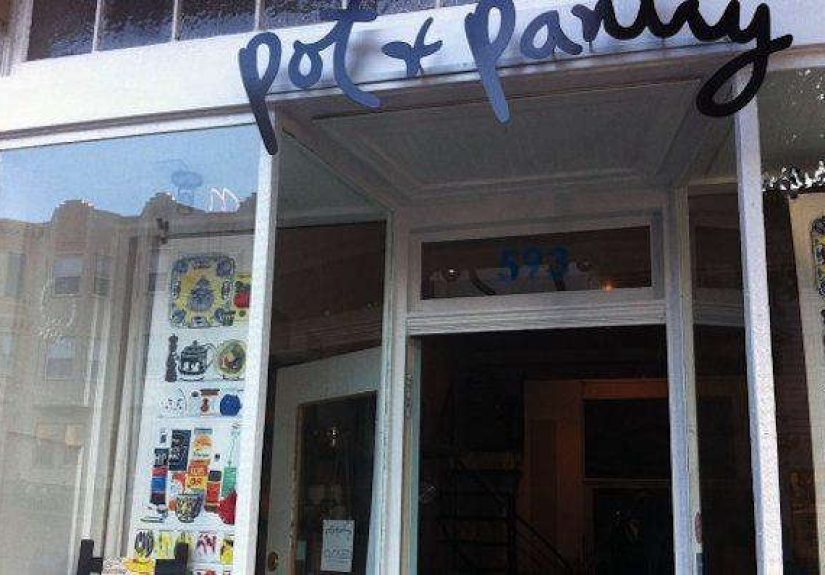
Pot & Pantry first opened in late 2010 in a tiny Mission District space, then moved within about a year to a larger spot on Guerrero Street near 18th. That move mattered because the shop’s concept needed room to breathe. The original idea was already strong: a woman-owned neighborhood business centered on kitchen goods, local artisan foods, and a buy-sell-trade system for high-end vintage cookware. But the larger Guerrero location gave the shop enough physical presence to become what customers seemed to love most: a place that felt less like retail theater and more like a real, functioning domestic world.
Wageman, who had worked as a Williams-Sonoma buyer, clearly understood both the seduction and the limitations of conventional cookware retail. Big-box kitchen stores can be useful, sure. They are also masters of making every whisk feel like part of an appliance cult. Pot & Pantry went another direction. It introduced warmth, history, and personality into the equation. Instead of sterile shelves lined with a thousand identical gadgets no one will ever use after the first turkey, the shop offered a curated mix that rewarded browsing.
That curatorial instinct was a huge part of the appeal. Pot & Pantry was not trying to be everything for everyone. It was trying to be very good at one specific thing: helping people build kitchens with character. That sounds simple, but in practice it meant a shopper could leave with something functional, something beautiful, something local, and something with a backstory. Not bad for an errand that technically began as “I just needed a dish towel.”
Inside the Shop: New Goods, Old Souls, and Smart Pantry Picks
A Kitchen Store With a Vintage Heart
The store was often described as feeling like a vintage shop applied to kitchenware, and that phrase gets to the heart of why it stood out. Pot & Pantry did not treat secondhand cookware like a compromise. It treated it like a category with dignity. Gently used pots, pans, and kitchen tools were not hidden in some sad back corner as if they had committed a social offense. They were part of the identity of the store.
That mattered because cookware ages differently than trend-driven home decor. A good pan can outlive a bad relationship. A sturdy mixing bowl does not care what year it is. A beautifully made wooden utensil becomes better looking after years of use, like a movie star who has finally learned to stop trying so hard. Pot & Pantry understood that kitchen objects are intimate tools. They collect scratches, stains, meals, and memory. Selling gently used kitchenware was not just smart retail. It was a philosophy.
In practical terms, that philosophy made the store appealing to shoppers who wanted quality without the bland sameness of mass retail. You could find old utensils, vintage aprons, and timeworn tools with a sense of life already built into them. This was circular shopping before every marketing department discovered the word “sustainability” and printed it on beige tote bags.
The Pantry Half of Pot & Pantry
The store’s name was clever because it captured the dual personality of the place. “Pot” promised equipment, utility, and durability. “Pantry” suggested flavor, hospitality, and a little edible indulgence. Pot & Pantry delivered both.
Coverage of the shop noted local food products such as INNA jam and Sightglass Coffee, which instantly anchored the store in the Bay Area’s broader culture of artisanal food. That combination made the shopping experience richer. You were not just choosing tools for cooking; you were also buying ingredients and provisions that reflected San Francisco taste at its best: local, quality-driven, and just fussy enough to be charming rather than exhausting.
This mix also made the store giftable in the best sense. A shopper could put together a useful, memorable gift without drifting into generic gift-basket territory. A kettle, a jar of jam, a beautiful towel, and a bag of coffee suddenly became a whole story. Pot & Pantry knew that domestic shopping works better when it feels editorial instead of random.
The Objects That Told the Story
Descriptions of the shop’s inventory read like a love letter to tactile domestic life: enamel colanders, canisters from Wade in the UK, a mortar and pestle set, framed antique pewter and copper measuring spoons, vintage aprons, Wolfum coaster sets, printed dishtowels, and the famously charming Japanese Slim Pot. There were also recognized cookware brands such as Le Creuset and Calphalon, which gave the assortment credibility and utility.
That blend is what made the merchandising so smart. Pot & Pantry did not lean entirely rustic or entirely modern. It did not fetishize “vintage” to the point of uselessness, and it did not chase sleek minimalism so aggressively that everything felt emotionally refrigerated. Instead, it lived in the sweet spot between functionality and affection. These were things you could actually use, but they also had enough personality to make you feel slightly more competent than you were before entering the store.
And yes, that matters. The best kitchen shops do not just sell equipment. They sell confidence. They make you believe you are one good kettle away from becoming the kind of person who remembers to soak beans overnight.
The Mission District Was the Perfect Setting
Pot & Pantry’s San Francisco story makes even more sense when you consider where it lived. The Mission District has long been one of the city’s most dynamic neighborhoods, known for food, art, local business energy, and an environment where people still value distinctiveness over bland convenience. It is the kind of neighborhood where a small specialty shop can become a local institution not because it is flashy, but because it feels specific.
That specificity mattered. Mission Local reported that customers continued to seek out small, niche stores that offered specialization, classes, service, and things they could not easily find online. Pot & Pantry fit that pattern perfectly. It was tiny by big retail standards, but it offered what large retailers struggle to manufacture: trust, character, and context.
The Guerrero Street location also placed the store in the orbit of beloved Mission food culture, near Tartine Bakery and surrounded by the kind of foot traffic that appreciates beautiful bread, well-made coffee, and a thoughtfully chosen serving bowl. In another neighborhood, Pot & Pantry might have simply been charming. In the Mission, it became part of a lifestyle ecosystem.
The Real Genius of Pot & Pantry’s Business Model
Buy, Sell, Trade: A Quietly Radical Idea
One of the smartest elements of Pot & Pantry was its buy-sell-trade model. Shoppers could not only buy new and gently used kitchenware; they could also bring items in to sell or trade. That created movement. Inventory evolved. The shop became more than a static store. It became a neighborhood exchange for culinary tools and domestic enthusiasm.
This was especially clever because kitchenware is one of those categories where taste changes, kitchens shrink, people move, weddings happen, and suddenly someone owns three Dutch ovens and no cabinet space. Pot & Pantry recognized that the kitchen economy is full of quality goods waiting for a second act. Instead of treating that as clutter, the store turned it into community inventory.
Today, circular retail is frequently packaged as innovation. Pot & Pantry was doing it in a way that felt natural, elegant, and rooted in actual human behavior. People buy too much. People inherit things. People upgrade. People discover they do not, in fact, need an object that specializes in separating one very specific egg-related component. The store gave those realities a graceful retail form.
Workshops, Skills, and the Joy of Kitchen People Meeting Other Kitchen People
Pot & Pantry also went beyond merchandise by hosting workshops and maintaining a skills exchange board. Visitors could connect around things they wanted to learn and teach, while the store offered sessions on tea brewing, bacon curing, and knife sharpening. This turned the shop into a social space for curious cooks rather than a simple point of sale.
That community layer is a big reason the shop still feels memorable years later. Retail can feel transactional. Pot & Pantry made it relational. It acknowledged that people who love kitchens usually do not just love owning kitchen stuff. They love learning, testing, tasting, comparing notes, and developing rituals. In other words, they love being around people who know why a certain kettle shape is worth discussing for 12 straight minutes.
And honestly? Good for them.
What Modern Retailers Can Learn From Pot & Pantry
Pot & Pantry offers a surprisingly current blueprint for specialty retail. First, curation beats volume. Shoppers rarely need more stuff. They need better choices. Second, utility and beauty should not be treated like rivals. The most compelling kitchen stores understand that the best objects work hard and look good doing it.
Third, local context matters. By mixing pantry goods, artisan products, and durable cookware, Pot & Pantry made itself inseparable from San Francisco’s food and design culture. It was not a concept store that could have been dropped into any city with exposed brick and a decent cappuccino. It felt local because it was local.
Fourth, retail works better when it includes participation. Classes, workshops, demonstrations, and trade systems all give customers a reason to return even when they are not on an urgent quest for a colander. Finally, sustainability lands more convincingly when it is embedded in the business model instead of sprayed on top like a marketing fragrance. Pot & Pantry’s secondhand component was persuasive because it was useful, not preachy.
A Longer Shopper’s Diary: The Experience of Pot & Pantry
Now for the diary-style part, because a store like Pot & Pantry almost demands to be remembered through feeling as much as fact.
You step off the Mission sidewalk and into a space that immediately lowers your pulse. Not because it is empty or solemn, but because it feels edited. Someone here has made decisions on your behalf, and blessedly, they were good ones. The shelves do not scream. Nothing is trying to become a lifestyle empire in front of your face. The store seems to say, quietly but confidently, that a kitchen can be practical without becoming ugly and beautiful without becoming precious.
The first temptation is always the pantry side. Maybe it is jam. Maybe coffee. Maybe some small edible thing that makes you think, “I deserve a tiny luxury because I survived email.” Then your attention drifts toward the tools and tabletop pieces, and this is where the place really gets you. There is a kettle that looks smarter than most people on social media. There are towels that somehow suggest you could become a better host if you just folded them correctly. There are old kitchen objects that do not feel dusty or nostalgic in a forced way; they feel seasoned, like they have already lived useful lives and are perfectly willing to begin again with you.
That is the subtle magic of the shop: it makes secondhand feel aspirational. Not in a trendy, self-congratulatory way. In a calm, grown-up way. You start to think maybe your kitchen should contain fewer disposable things and more objects with stamina. More pieces that can survive years of soup, company, experiments, and mild disaster. More tools that age with grace instead of peeling, cracking, or falling apart the moment they meet heat and honesty.
You keep browsing, and the store keeps telling little stories. The local goods say San Francisco takes food seriously. The cookware says usefulness is still beautiful. The vintage finds say old things do not become irrelevant just because a newer version exists. The classes and skills exchange say the kitchen is not just where food happens; it is where knowledge gets passed around, where confidence grows, where strangers can meet over something as gloriously specific as knife sharpening or tea.
And then there is that deeply satisfying sensation that every great neighborhood shop creates: the feeling that you are being let in on something. Pot & Pantry was never about scale. It was about discernment. It rewarded shoppers who wanted to look closely. It was for people who cared whether a tool felt balanced in the hand, whether a product was made well, whether a jar of jam came from somewhere with a point of view.
By the time you leave, you have probably bought at least one thing you did not plan on buying. Of course you did. That is the whole point of a truly excellent kitchen store. You came in for something practical and left with something that made domestic life feel richer. Maybe it was a dish towel. Maybe it was a kettle. Maybe it was just a sharpened sense of what your home could feel like if every object inside it earned its place.
That is why Pot & Pantry lingers in memory. It did not try to dazzle with endless inventory or trend-chasing spectacle. It made a smaller, wiser promise: your kitchen can be more personal, more useful, more local, and more alive. For a lot of shoppers, that was more than enough. It was irresistible.
Conclusion
Pot & Pantry in San Francisco remains a wonderful example of how a small specialty shop can punch far above its square footage. By combining new and gently used kitchenware, local pantry goods, recognizable cookware brands, and a real sense of community, it offered something far more memorable than a standard retail experience. It made shopping feel tactile, social, and thoughtful. In a city famous for both culinary standards and design awareness, that was a powerful combination.
Even though the brick-and-mortar store eventually closed, its concept still feels fresh. In many ways, Pot & Pantry anticipated what shoppers now say they want: sustainability without smugness, curation without snobbery, quality without big-box sameness, and local character without performative fuss. That is a strong legacy for any store, especially one built around the humble idea that the things we cook with, serve with, and live with every day deserve more care.