Table of Contents >> Show >> Hide
- The Hack in One Sentence
- Why CO2 Can Make Plants Bulk Up
- What the Scientists Actually Did on a Roof
- How to Try This Idea Safely (and Without Making Your Roof a Crime Scene)
- The Rooftop Garden “Support System” That Makes the Hack Work Better
- Science-Backed “Boosters” That Pair Well With the CO2 Hack
- A Practical “Bigger Plants” Rooftop Checklist
- Conclusion: A Smart HackWhen You Treat It Like a System
- Experiences and Lessons From Rooftop Gardeners (500+ Words)
Rooftop gardens are basically nature on “hard mode.” You’ve got extra wind, extra sun, less water, and a roof that’s quietly judging every pound you add to it. So when scientists found a way to make rooftop crops grow dramatically larger using something buildings already produce all day long, gardeners everywhere collectively said, “Wait… we’ve been paying for fertilizer this whole time?”
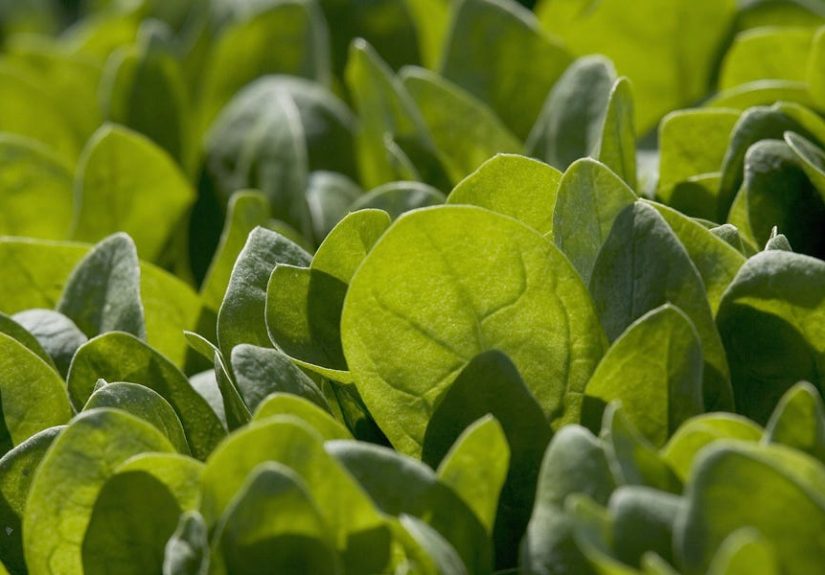
The “hack” is surprisingly simple: repurpose carbon dioxide–rich exhaust air from inside a building (the CO2 people breathe out) and send it to plants on the roof. In a real-world campus test, spinach grown near CO2-enriched exhaust air could produce multiple times more biomass than spinach grown with regular outdoor airwithout changing the roof, the city, or the laws of physics. (Plants still have to do the photosynthesis part. No freeloading.)
The Hack in One Sentence
Use CO2 that’s already leaving your building to “fertilize” rooftop plantslike a greenhouse doesso they can photosynthesize faster and grow larger.
Why CO2 Can Make Plants Bulk Up
Photosynthesis has a speed limit
Plants build sugars from light, water, and carbon dioxide. Light is often the star of the show, but CO2 is a big deal too. In many growing situations, especially when light is decent, CO2 becomes a limiting ingredient. Give plants more CO2 (within a reasonable range), and many species can photosynthesize more efficientlymeaning more growth, faster leaf production, and higher yields.
C3 plants benefit the most
Most leafy greensspinach, lettuce, kale, arugulause what’s called C3 photosynthesis. These plants often respond strongly to CO2 enrichment. Crops like corn use C4 photosynthesis and typically gain less from extra CO2, though they can still respond depending on heat, water, and microclimate.
That matters because rooftop gardens often focus on leafy greens (fast, compact, high value). So if you’re going to “upgrade” one input, CO2 is a surprisingly powerful leverwhen the rest of the growing conditions aren’t a disaster.
What the Scientists Actually Did on a Roof
In a rooftop farm experiment at Boston University, researchers tested a system that directed CO2-enriched air from indoor spaces (think classrooms full of humans doing human breathing) out through existing rooftop exhaust vents. They positioned plants near the exhaust airflow and compared them to control plants that received similar fan airflow but without the CO2-rich indoor exhaust.
The headline result was attention-grabbing: spinach grown near the CO2-enriched exhaust could produce dramatically more biomass than spinach in the control area. Corn also grew larger, and the researchers noted that heat and other factors near exhaust fans may have contributedbecause rooftops love adding “bonus variables” to every experiment.
What’s especially interesting is the concept: instead of treating indoor CO2 as waste to dilute and dump, the building becomes part of a small circular carbon loophumans exhale CO2, the building exhausts it, plants use it to grow food, humans eat the food, repeat. It’s not going to fix climate change by Tuesday, but as a practical rooftop strategy, it’s clever.
How to Try This Idea Safely (and Without Making Your Roof a Crime Scene)
Before anyone starts duct-taping a dryer vent to a tomato plant: this “hack” is about human-respiration CO2 and building ventilation airnot toxic exhaust from combustion. The difference is everything.
Step 1: Identify a “clean” CO2 source
- Good candidates: ventilation exhaust from occupied indoor spaces (classrooms, offices, gyms) that is primarily human-breath CO2.
- Not good candidates: boiler flues, generator exhaust, vehicle exhaust, kitchen grease exhaustanything with combustion byproducts or strong pollutants.
If you’re not 100% sure what a vent is exhausting, assume it’s not suitable. A rooftop garden is fun. A chemistry set you didn’t sign up for is not.
Step 2: Deliver the air gently where plants can use it
CO2 enrichment works best when the enriched air actually lingers near leaves. Rooftops are windy, and wind is basically the “unsubscribe” button for any air-based strategy. Consider:
- Partial windbreaks: lattice panels, safe rooftop screens, or planted hedges in containers (where allowed).
- Low tunnels/hoop covers: even a simple season-extension tunnel can help hold CO2 around plants long enough for them to use it.
- Duct direction: aim airflow across the crop canopy, not straight down like a leaf-blaster.
Step 3: Monitor the basics (yes, like a scientist)
In greenhouse production, CO2 enrichment commonly targets a range roughly around 800–1,000 ppm for many crops when other inputs are optimized. You don’t need to chase numbers obsessively, but a basic CO2 monitor helps you avoid guessing. It also helps you detect when wind is stealing your advantage.
Step 4: Don’t ignore heat and humidity
Exhaust air can be warmer than outdoor air. Sometimes that’s helpful (especially in shoulder seasons). Sometimes it turns your greens into sad, bitter confetti. If the exhaust stream is noticeably hot, consider mixing it with outdoor air, using it only during cooler times of day, or shifting to heat-tolerant crops.
Step 5: Remember the “Triangle of Rooftop Reality”
CO2 can boost growth, but it can’t do miracles if these three things are missing:
- Water (consistent moisture, not weekly panic-soaking)
- Nutrients (especially nitrogen for leafy greens)
- Root space (enough depth/volume for the crop you’re asking to perform)
The Rooftop Garden “Support System” That Makes the Hack Work Better
Scientists can demonstrate a powerful effect in a study. Gardeners have to make it work on Tuesday in July when the wind is rude and the sun is personally offended by your shade cloth. So here’s the rooftop setup that helps plants capitalize on any growth advantageCO2 included.
Use a lightweight, engineered growing medium
Rooftops usually can’t take regular backyard soil (it’s heavy, compacts, and turns into either brick or soup). Many green roof and rooftop farm systems use lightweight mineral components (like expanded shale, perlite, pumice, or similar) plus a carefully controlled amount of organic material for fertility.
Why it matters for “bigger plants”: a stable medium with good drainage and good air space lets roots breathe, explore, and feedso the top of the plant can actually use that extra photosynthesis power.
Depth matters more than most people want to hear
Shallow media can grow certain plants, but if you want bigger plants, you need enough root room. Many green roof design resources emphasize that deeper media generally improves plant performance because it holds more water and nutrients and buffers temperature swings. In rooftop edible production, depth can be the difference between “cute leaves” and “I can actually make a salad.”
Drip irrigation is your rooftop garden’s best friend
Rooftops dry out fast: wind plus sun plus shallow media equals “crispy by noon.” Drip irrigation (or soaker lines) keeps moisture more consistent and avoids the cycle of drought-then-flood that stresses plants. If you’re trying CO2 enrichment, consistent water becomes even more important because faster growth increases water demand.
Wind management is non-negotiable
Wind doesn’t just dry plants out. It physically damages leaves, increases transpiration, and (for the CO2 hack) literally blows away the thing you’re trying to deliver. Even a modest windbreak can make a rooftop garden feel like it moved from “airport runway” to “normal planet.”
Science-Backed “Boosters” That Pair Well With the CO2 Hack
If you want bigger plants, CO2 is one lever. But rooftop gardening is a game of stacking small advantages until your kale stops acting like it’s in a survival movie.
Mycorrhizal fungi: helpful underground partners
Research on green roofs suggests that managing beneficial fungi (mycorrhizae) can support healthier soil development and plant resilience over time. In practical terms: inoculating or supporting beneficial microbes may improve nutrient and water uptake, which helps plants sustain faster growthespecially under rooftop stressors.
Biochar: the “sponge + condo complex” for water and microbes
Biochar is a carbon-rich material that can improve water retention and nutrient holding capacity in certain substrates. Green roof and engineered media studies have found biochar can support better plant performance, partly by changing moisture and temperature dynamics and by influencing microbial communities. The key is moderation: biochar is an amendment, not a replacement for a balanced mix.
Compost: powerful, but easy to overdo
Compost brings nutrients and biologybut it also adds weight and can increase nutrient leaching if the mix is too rich. Rooftop farm guidance often emphasizes building a soil mix that supports plant growth while minimizing runoff impacts. Translation: compost is like hot sauceamazing in the right amount, regrettable if you dump in the whole bottle.
A Practical “Bigger Plants” Rooftop Checklist
- CO2 source: Clean ventilation exhaust from occupied indoor spaces (not combustion).
- Delivery: Gentle airflow aimed across leaves; avoid blasting.
- Containment: Windbreaks or low tunnels to keep CO2 near plants.
- Water: Drip irrigation and mulch/top dressing to reduce evaporation.
- Roots: Adequate depth/volume for the crops you want to supersize.
- Nutrition: Balanced fertility (especially nitrogen for leafy greens).
- Medium: Lightweight, engineered mix with good drainage + water holding.
- Optional boosters: Mycorrhizae, biochar (in sensible amounts).
Conclusion: A Smart HackWhen You Treat It Like a System
The exciting part of this rooftop garden hack is that it rethinks a building “waste stream.” CO2 from human respiration is constantly being vented outdoors. Directing some of that CO2-rich air to rooftop crops can create a fertilization effect similar to what growers have used in greenhouses for decadespotentially translating into bigger leafy greens and better rooftop yields.
The realistic part: rooftops are tough environments, and CO2 won’t fix poor soil structure, inconsistent watering, shallow rooting space, or relentless wind. But paired with smart rooftop fundamentalslightweight media, adequate depth, drip irrigation, and wind managementthis hack can become one more tool that makes rooftop farming more productive and more viable.
Experiences and Lessons From Rooftop Gardeners (500+ Words)
Ask anyone who gardens on a roof and you’ll hear the same theme in different accents: the roof changes everything. The sunlight is often fantastic (no trees shading you out), but the wind can feel like it has a personal vendetta, and the drying effect is no joke. That’s why rooftop growers tend to judge “growth hacks” by one standard: does it still help when the conditions get rude?
One of the most common experiences reported in rooftop food production is that microclimates can vary wildly within a single roof. A bed tucked behind a mechanical penthouse might stay warmer at night and be less windy, while a bed only 20 feet away might get hammered by gusts and dry out twice as fast. This matters for the CO2 exhaust concept because the “best” place for enhanced growth may be exactly where airflow is most controllable. In practice, growers who experiment with airflow-based strategies often end up creating semi-sheltered zonesusing safe screening, trellises, or low tunnelsnot because they’re chasing scientific perfection, but because plants grow better when they aren’t being slapped by wind all day.
Rooftop gardeners also learn quickly that water consistency beats water quantity. You can soak a rooftop bed like you’re trying to refill a lake, but if it dries out hard the next day, growth stalls and leaves can turn bitter or tough. Many rooftop growers describe their best “breakthrough moment” as switching to drip irrigation or a simple timer setup. Once watering becomes regular, plants stop acting like they’re in a drought documentary and start behaving like actual crops. If CO2-enriched air nudges photosynthesis upward, that extra growth can raise water demandso gardeners who pair any growth-boosting idea with steadier irrigation often report the most noticeable improvements.
Another repeated lesson is that lightweight media is a balancing act. Rooftop growers want mixes that drain well and stay airy, but they also want media that holds enough water to get through hot afternoons. People who’ve tried very “mineral-heavy” blends sometimes report that plants look fine early on, then struggle in peak summer because the root zone dries too quickly. On the flip side, growers who go too heavy on compost often report lush early growth followed by problems like compaction, nutrient runoff, or plants that become soft and overly tender. The “sweet spot” tends to be a stable engineered medium with enough organic matter for fertilitybut not so much that the roof becomes a soggy sponge or a nutrient-leaching machine.
When rooftop gardeners talk about trying new techniques, they often recommend a small pilot test first. That advice fits perfectly with the CO2 exhaust idea. Instead of redesigning an entire roof, gardeners can trial one protected bed or a short row under a low tunnel near a verified, clean ventilation exhaust. If growth is noticeably better, they can scale gradually, adjusting for wind direction, seasonal temperature differences, and crop choice. Many rooftop growers find that leafy greens show changes quickly (because they grow fast), while fruiting crops reveal benefits laterand only if nutrients and root volume are sufficient.
Finally, rooftop gardeners consistently report that the most “magical” improvements come from stacking practical upgrades: a windbreak plus drip irrigation plus a better growing medium plus smarter crop timing. The CO2 exhaust hack can be another layer in that stack. The gardeners who get the best results from any science-backed trick are usually the ones who treat it not as a miracle, but as a well-placed advantage in a system they’ve already made stable. On a roof, stability is the real superpower.