Table of Contents >> Show >> Hide
- What Is a Rosewood Tape Measure, Exactly?
- Why Rosewood? The Appeal (and the Fine Print)
- The Tape Measure Part Still Matters (A Lot)
- Accuracy: What “Good Enough” Actually Means
- Who Is a Rosewood Tape Measure For?
- Care and Maintenance: Keep It Beautiful Without Making It Precious
- Buying Checklist: How to Shop Without Guessing
- Bonus Section: Experiences With a Rosewood Tape Measure (About )
- Conclusion
A tape measure is usually the least glamorous thing in a toolbox. It’s the friend you call when you need help moving a couch: essential, mildly bossy, and
absolutely not here for your feelings. But a rosewood tape measure? That’s the measuring tool equivalent of showing up to the jobsite in clean
boots and a good playlist. It’s practical, yesbut it also has that “I care about details” energy that makes people ask, “Okay… where’d you get that?”
In this guide, we’ll break down what “rosewood tape measure” can mean, what features actually matter (spoiler: it’s not just the wood), how to shop smart,
and how to keep one looking sharp without turning it into a high-maintenance museum piece.
What Is a Rosewood Tape Measure, Exactly?
The phrase “rosewood tape measure” gets used in a few different ways, and knowing which one you’re looking at can save you from buying something that’s
basically “rosewood-ish vibes” with a tape inside.
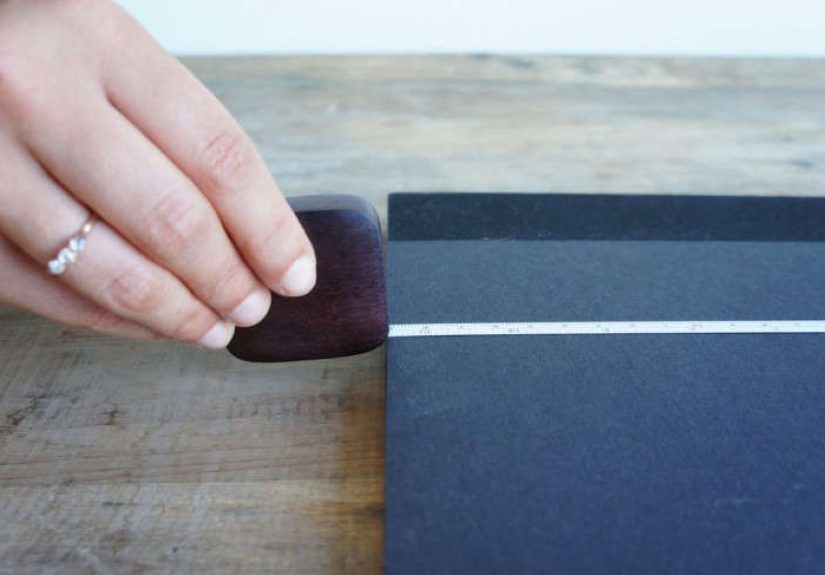
Meaning #1: A Tape Measure With a Rosewood Case (or Rosewood Components)
This is the classic interpretation: a retractable tape measure housed in a wood case made from rosewood (or a rosewood veneer), often paired with metal
accents. These are popular as heirloom-style tools, desk accessories, and gifts for makers who appreciate a tool that feels more like an object than a
disposable gadget.
Meaning #2: A Tape Measure With a “Rosewood Finish”
Many modern gift-style tape measures are made from other woods (or composites) and finished in a rosewood color. You’ll see phrases like “rosewood finish”
or “rosewood-colored” used to describe the look rather than the species. These can still be beautifuljust don’t pay “exotic hardwood” prices for a stain.
Meaning #3: “Rosewood” as a Style Signal
In fashion and home décor, “rosewood” can be shorthand for a warm, reddish-brown tone. If you’re shopping for a sewing or craft tape measure with a wood
shell, the listing may emphasize the aesthetic more than the material.
Why Rosewood? The Appeal (and the Fine Print)
Rosewood is loved for its rich color, dramatic grain, and “polishes like it knows it’s being watched” shine. Many rosewoods belong to the
Dalbergia genus, which tends to be dense and naturally oilytraits that can help a wood case resist everyday dings and dullness when treated well.
But “Rosewood” Isn’t One Wood
“Rosewood” is a trade name applied to multiple speciesoften in the Dalbergia genus, but sometimes used more broadly. That’s why two “rosewood”
items can look and behave differently. Some are darker, some are orange-brown, some have bold streaking, and some are basically “brown with confidence.”
Trade and Sustainability Considerations
Many rosewood species are regulated in international trade. Rules can vary by species, product type, and the country involved. For buyers, the practical
takeaway is simple: reputable sellers should be able to tell you what material you’re getting and whether it’s genuine rosewood, a veneer, or a finish.
If the listing is vague and the price is suspiciously low, you might be looking at “rosewood energy,” not rosewood.
The Tape Measure Part Still Matters (A Lot)
A beautiful case is greatuntil the blade kinks on day three and you start measuring everything with a piece of string like it’s 1492. Whether you’re
buying a rosewood tape measure for daily work or occasional projects, pay attention to the mechanics inside.
Pick the Right Length for How You Actually Measure
- 6–10 ft: Great for crafts, furniture, small rooms, and “will this shelf fit?” moments.
- 16–25 ft: The sweet spot for DIY remodeling, cabinetry installs, and general home projects.
- 30 ft+: Useful for framing, big layouts, and projects where you measure first and panic later.
Blade Width, Standout, and Why Your Tape Keeps Collapsing
“Standout” is how far the blade can extend before it bends under its own weight. Wider, thicker blades typically stand out farther, which is a lifesaver
when you’re measuring alone. If you’ve ever tried to measure a ceiling height solo and ended up hugging a ladder like it’s emotional support, you already
understand standout.
Locking Mechanisms and Recoil Control
Look for a lock that’s easy to operate and doesn’t feel like it was designed by someone who hates thumbs. Autolock designs can be convenient for one-handed
measuring, while standard locks give more control. Either way, smooth retraction mattersfast recoil is a great way to earn a surprise “OW” soundtrack.
Hook Design and the “Wiggle” That’s Actually On Purpose
That little hook at the end of the blade often moves slightly, and it’s not a manufacturing accident. The play helps compensate for measuring inside vs.
outside edges. A solid hook with sturdy rivets (and a design that grabs well on edges) helps with repeatability and confidence.
Coatings and Durability: Mylar, Reinforced Tips, and Real-Life Wear
If you plan to use your tape measure regularly, coatings can improve abrasion resistance and extend blade life. Some models emphasize reinforced sections
near the hookthe part that sees the most abuseplus overall blade coatings aimed at reducing wear from repeated pull-and-retract use.
Accuracy: What “Good Enough” Actually Means
Most people don’t need laboratory-grade metrology to hang curtains. But accuracy does matter, especially for cabinetry, trim, joinery, and any project where
“close” turns into “why is there a gap?” later.
How Manufacturers Think About Tape Accuracy
Tape measures are produced to tolerances, and accuracy can be evaluated by comparing hash marks against precise reference distances. Standards and
tolerances exist for tapes used in commercial contexts (like buying/selling goods), and calibration can factor in things like tension along the tape for
longer metal tapes.
Practical Accuracy Tips for Makers
- Use one tape for a project: Mixing tapes can introduce tiny differences that stack up fast.
- Check your hook: Bent or loose hooks can throw off inside/outside measurements.
- Use a consistent reference: Some woodworkers measure from a known mark on the blade (instead of the hook) for tighter consistencyjust
remember to account for the offset.
Who Is a Rosewood Tape Measure For?
Not every tool needs to be a statement piece, but there are plenty of people who get real value (and joy) out of a rosewood tape measure:
- Woodworkers: It fits the craftwood-on-wood feels right, and it looks great on a bench.
- DIY remodelers: A nicer tape can encourage better measuring habits (and fewer “we’ll caulk it” moments).
- Crafters and sewists: Compact wood-case tapes can be a classy upgrade from plastic.
- Gift buyers: Engraving + wood + a tool people actually use = rare gift win.
- Desk minimalists: It’s oddly satisfying to have a tape measure that looks like it belongs next to a fountain pen.
Care and Maintenance: Keep It Beautiful Without Making It Precious
A rosewood tape measure can age wonderfullythink patina, not “oops, now it’s sticky.” The goal is simple: protect the wood, protect the mechanism, and
avoid conditions that turn fine materials into regret.
Wood Case Care
- Wipe it down: A soft cloth removes dust and shop grime before it becomes a permanent finish.
- Avoid soaking humidity: Wood moves with moisture changes; don’t store it in damp tool bags or wet garages.
- Use gentle protection: A light wax or manufacturer-recommended conditioner can help maintain sheen (skip harsh chemicals).
Blade and Mechanism Care
- Retract with control: Letting the blade whip back can damage the hook and shorten the life of the spring.
- Keep it clean: Grit inside the case is the enemy of smooth action.
- Watch for kinks: A kinked blade is like a bent rulertechnically still a tool, but emotionally unreliable.
Buying Checklist: How to Shop Without Guessing
1) Confirm What “Rosewood” Means
- Is it solid rosewood, veneer, or a rosewood finish?
- Does the seller specify species (or at least “Dalbergia”)?
- Is it positioned as a gift item or a jobsite tool?
2) Match Features to Your Use
- Readability: Large markings, fraction labels, or double-sided print help reduce mistakes.
- Standout: If you often measure alone, prioritize blade width and standout performance.
- Lock and hook: Choose something that feels secure, predictable, and easy to control.
- Durability: Blade coatings and reinforced hook areas matter for frequent use.
3) Think About Portability
A chunky, beautiful wood case is greatunless you need it clipped to your pocket all day. For daily carry, consider size, weight, and whether the clip or
loop is sturdy enough for real life.
Bonus Section: Experiences With a Rosewood Tape Measure (About )
People don’t usually wax poetic about a tape measureuntil they use one that feels different. Makers who switch from a standard plastic case to a rosewood
tape measure often describe the first surprise as weight. Not “this is heavy,” but “this is grounded.” The wood case tends to feel warmer in the hand,
less slippery, and more “tool” than “toy.” It’s the same reason a wooden-handled chisel feels calmer than a shiny bargain-bin version: you sense you’re holding
something meant to last.
In a workshop, that difference shows up in small routines. A rosewood tape measure often lives on the bench instead of being tossed into a pile of hardware.
When a tool looks good, people naturally treat it betterwiping it off, retracting it gently, putting it back in a predictable spot. That’s not just aesthetics;
it’s workflow. Fewer lost tools means fewer “Where is it?” laps around the garage, which is basically free cardio you didn’t ask for.
Then there’s the social experience. Bring a rosewood tape measure to a DIY day or a woodworking class, and it becomes a conversation starter. Someone will ask
if it’s vintage. Someone else will ask if it’s “real rosewood.” A third person will tell you about a tape measure their grandparent had that survived three
moves, two remodels, and at least one questionable attempt at building a deck. Tools carry stories, and wood-case tools carry them louder.
Gift-wise, rosewood tape measures are popular because they land in that rare sweet spot: personal but useful. Engrave it with a name, a date, or a short message
(“Measure twice, text once”), and it becomes a keepsake that still earns its place in daily life. People who receive them often use them at first for the
“special projects”framing a photo, building a bookshelf, measuring a nursery wallthen eventually reach for it automatically because it’s simply pleasant to use.
There are also learning experiences baked in. Owners quickly discover that “rosewood” can mean different things, and that sourcing and labeling matter. Some
buyers learn to ask better questions: Is it a rosewood finish? A veneer? A specified species? That curiosity tends to spill into other purchases toowood types,
finishes, tool qualityturning a simple tape measure into a tiny gateway to more informed making.
Finally, there’s the quiet satisfaction of patina. Over time, the case picks up subtle markstiny dents, softened edges, a deeper shine where fingers rest.
It becomes uniquely yours. And that might be the most “rosewood tape measure” experience of all: the tool doesn’t just measure your projects; it also measures
your time spent building them.
Conclusion
A rosewood tape measure isn’t only about looking fancy (though it does look fancy). It’s about enjoying a tool you actually use, choosing features that make
measuring easier and more accurate, and understanding what “rosewood” really means in today’s market. If you shop with claritymaterials, mechanics, and
intended useyou’ll end up with a tape measure that’s part tool, part keepsake, and part motivation to build something worth measuring.