Table of Contents >> Show >> Hide
- Why This Recipe Works (A Little Crispy Logic)
- Ingredients
- Roasted Potatoes With Parmesan Cheese Recipe
- Easy Variations (Same Potato, Different Mood)
- What to Serve With Roasted Parmesan Potatoes
- Make-Ahead, Storage, and Reheating
- Troubleshooting (Because Potatoes Have Opinions)
- FAQ
- 500+ Words of Real-World “Roasting Experiences” (What Cooks Learn the Fun Way)
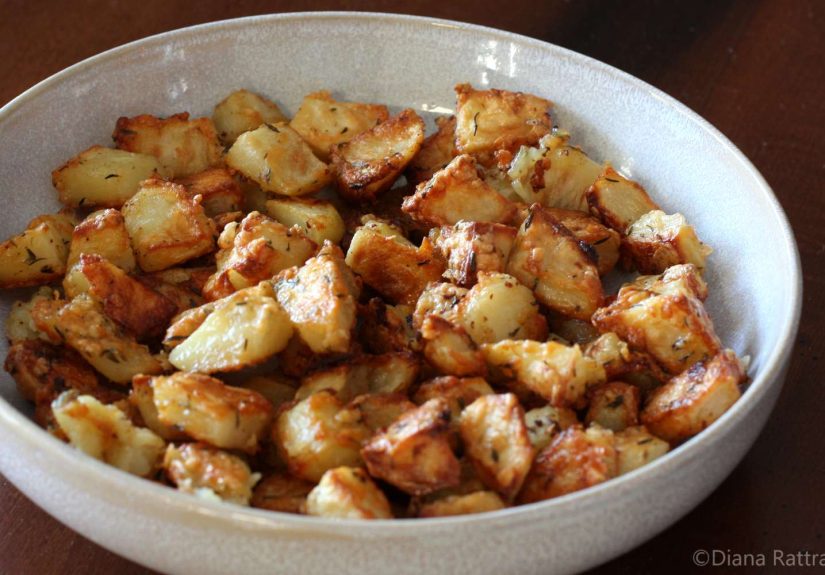
If you’ve ever eaten a roasted potato and thought, “Nice… but what if it had a crunchy little cheese jacket?”congratulations.
You’re exactly where you belong. This Roasted Potatoes With Parmesan Cheese Recipe is built for golden-brown edges,
fluffy centers, and that salty-savory Parmesan punch that makes people “taste-test” straight off the pan like it’s their job.
Below you’ll get the full recipe, plus smart technique (without turning dinner into a science fair), easy variations, serving ideas,
troubleshooting, and a big end section of real-world kitchen lessonsbecause potatoes are humble, but they are also very capable of chaos.
Why This Recipe Works (A Little Crispy Logic)
Great roasted potatoes aren’t about luck. They’re about a few repeatable rules:
- Hot oven + space on the pan: Crowded potatoes steam. Spaced potatoes roast.
- Dry surfaces crisp faster: Moisture is the enemy of crunch. Let steam escape before roasting.
- Fat carries flavor and browns the edges: Olive oil for taste, butter for extra “why is this so good?” energy.
- Parmesan at the right time: Cheese can burn if it’s exposed to high heat too long. Add it strategically.
Ingredients
This recipe is written for a standard sheet pan and serves about 4–6 as a side (or 2–3 if “just one more handful” keeps happening).
What you’ll need
- 2 pounds potatoes (Yukon Gold, baby gold, or red potatoes work beautifully)
- 3 tablespoons olive oil
- 1–2 tablespoons unsalted butter (optional, but highly recommended for flavor)
- 3/4 cup finely grated Parmesan (more for serving if you’re feeling generous)
- 3 cloves garlic, finely grated or minced (or 1 teaspoon garlic powder in a pinch)
- 1 teaspoon kosher salt (plus more to taste)
- 1/2 teaspoon black pepper
- 1/2 teaspoon smoked paprika (optional, but great)
- 2 tablespoons chopped parsley (optional, for freshness)
- 1 teaspoon lemon zest or a squeeze of lemon (optional, for a bright finish)
Optional “extra-crispy” upgrade
- 1/2 teaspoon baking soda (for the parboil step)
Picking the right potato
Yukon Gold (or other yellow potatoes) roast up creamy inside with crisp edgesan all-around crowd-pleaser.
Red potatoes hold their shape well and get nicely browned. Russets can get extremely crisp, but they’re more likely to break apart
if you’re rough with them (which… sometimes is the whole point).
Parmesan notes (so your cheese doesn’t turn tragic)
For best results, use finely grated Parmesan. It melts and clings more evenly, creating that salty crust.
Pre-grated “shelf-stable” Parmesan can work, but it often melts less smoothly and tastes flatter. Freshly grated is the move.
Roasted Potatoes With Parmesan Cheese Recipe
Step 1: Preheat like you mean it
Preheat your oven to 425°F. Place a large rimmed sheet pan inside while it heats.
A preheated pan gives the potatoes a sizzling head start (hello, crispy bottoms).
Step 2: Prep the potatoes
Wash and dry the potatoes. Cut them into 1 to 1 1/2-inch chunks. Try to keep sizes consistent so they finish together.
Step 3 (Optional but excellent): Parboil for extra crisp
If you want that restaurant-style crunch:
- Bring a pot of water to a boil and salt it generously.
- Add 1/2 teaspoon baking soda (optional upgrade) and the potato chunks.
- Simmer for 8–10 minutes, until the outsides are tender but the centers still have a little firmness.
- Drain well, then return the potatoes to the hot pot for 1 minute to let steam escape.
Step 4: Season and coat
In a large bowl, combine olive oil, melted butter (if using), garlic, salt, pepper, and paprika.
Add the potatoes and toss until coated.
If you parboiled: gently shake or toss the potatoes so the surfaces get slightly roughed up.
Those little craggy edges are basically crispiness insurance.
Step 5: Roastfirst round
Carefully remove the hot sheet pan from the oven. Spread the potatoes in a single layer.
Give them space. If they’re piled up, they’ll steam and sulk.
Roast for 20 minutes without moving them. This helps the bottoms brown and release cleanly.
Step 6: Flip and roastsecond round
Flip the potatoes with a spatula. Roast another 15–20 minutes, until deeply golden and fork-tender.
(Total time depends on potato variety, size, and your oven’s personality.)
Step 7: Add Parmesan at the smart moment
Now for the best part. Sprinkle most of the Parmesan over the potatoes (reserve a little for serving).
Toss quickly to coat, then roast 5–8 minutes more, just until the cheese is melted and lightly golden.
Want a stronger crust? Switch your oven to broil for 1–2 minutes at the endwatching closely like it owes you money.
Parmesan can go from “golden” to “campfire souvenir” fast.
Step 8: Finish and serve
Sprinkle with parsley and lemon zest (or a squeeze of lemon). Taste and add a final pinch of salt if needed.
Serve immediatelythese potatoes are at their peak when hot and crisp.
Easy Variations (Same Potato, Different Mood)
Garlic-Parmesan and Herb
Add 1 teaspoon dried Italian seasoning (or rosemary/thyme). Finish with extra parsley.
This one pairs beautifully with chicken, pork, or a big salad pretending to be “dinner.”
Lemon-Parmesan
Add lemon zest at the end and serve with lemon wedges. Bright, salty, and especially great next to fish or shrimp.
Spicy Parmesan Potatoes
Add 1/4 teaspoon cayenne or crushed red pepper flakes to the oil mixture. Finish with Parmesan and a tiny drizzle of hot honey
if you like sweet heat.
Parmesan “Crust-Down” Method
For a dramatic crunchy cheese layer, sprinkle Parmesan directly onto the hot sheet pan in little piles, then place potatoes cut-side down on top.
Roast until the cheese forms a crispy layer, then lift carefully with a thin spatula. It’s a little more “hands-on,” but the payoff is big.
What to Serve With Roasted Parmesan Potatoes
- Weeknight classics: roasted chicken, meatloaf, pork chops, salmon
- Vegetarian plates: sautéed greens + a fried egg, roasted broccoli, chickpea salad
- Party food: serve with garlic aioli, ranch, or a lemony yogurt dip
Make-Ahead, Storage, and Reheating
Can I prep these in advance?
Yes. You can cut the potatoes up to a day ahead and store them submerged in cold water in the fridge.
When ready to cook, drain and dry thoroughly.
How to store leftovers
Cool completely, then refrigerate in an airtight container for up to 3–4 days.
How to reheat (and keep them crisp)
- Oven: 425°F for 8–12 minutes on a sheet pan.
- Air fryer: 375°F for 4–6 minutes, shaking once.
- Microwave: Works for “hot,” not for “crisp.” (No shame, just facts.)
Troubleshooting (Because Potatoes Have Opinions)
My potatoes aren’t crispy
- You overcrowded the pan (potatoes hate personal space violations).
- Your oven wasn’t hot enough or needs more preheating time.
- The potatoes were wetdry them well, especially if you soaked or parboiled.
The Parmesan burned
- Add the cheese closer to the end (last 5–8 minutes is usually perfect).
- Use a slightly lower oven temp (400°F) if your oven runs hot.
- Skip broiling unless you’re watching it closely.
The potatoes stuck to the pan
- Let them roast undisturbed at first; they release more easily once browned.
- Preheat the pan and use enough oil.
- If using Parmesan “crust-down,” use a thin metal spatula and lift gently.
FAQ
Do I have to peel the potatoes?
Nope. The skins add texture and help the chunks hold together. Just scrub them well.
Should I use parchment paper?
Parchment helps with sticking, but it can slightly reduce browning. If you want maximum crisp, roast directly on a preheated sheet pan.
If you want easier cleanup, parchment is totally finejust expect a little less crunch or add a few minutes.
Can I use other cheeses?
Parmesan is ideal for a salty, crisp finish. Pecorino Romano is sharper and saltier (use a bit less).
A little grated cheddar can be delicious, but it melts differently and won’t crisp the same way.
500+ Words of Real-World “Roasting Experiences” (What Cooks Learn the Fun Way)
Here’s the part most recipes don’t tell you: roasted potatoes are simple, but they’re also wildly sensitive to small decisions.
That’s why one batch can be crunchy perfection and the next can feel like “warm potato pillows with ambition.”
The good news is that the mistakes are predictableand once you’ve seen them, you can spot-fix them fast.
One of the most common experiences with a Roasted Potatoes With Parmesan Cheese Recipe is discovering that Parmesan has two modes:
golden and glorious, or bitter and too-dark. If the cheese browns too aggressively, it usually means it was added too early,
or the potatoes were too close to the top heating element. The “lesson batch” teaches a valuable habit: add most of the Parmesan near the end,
then treat broiling like a suspense movieno leaving the room, no “just checking something real quick,” and definitely no replying to texts.
Another classic: the “why are they not crispy?” moment. This almost always comes down to pan crowding.
On a busy night it’s tempting to pile everything onto one sheet pan like you’re packing a suitcase. But potatoes want breathing room.
When they’re too close, steam gets trapped and the outsides stay soft. A surprisingly helpful experience-based trick is simply splitting the batch
across two pans. It feels like extra dishes, but it actually saves time because crisp potatoes finish sooner than steamed ones.
Cooks also learn that drying matters. If potatoes are washed and chopped and tossed straight into oil while still damp,
you’ll hear more “sizzle” at firstbut you’ll get less browning later. A short air-dry on a towel (or letting them sit in the colander for a few minutes)
makes a noticeable difference. If you parboil, letting steam escape in the hot pot for a minute is a small step with a big payoff:
less surface moisture means crisp happens faster.
Then there’s the “Parmesan stuck to the pan” experienceespecially with the crust-down method.
The takeaway is that patience helps. A good cheese crust often needs an extra minute to set, and it releases better once it’s deeply browned.
Using a thin metal spatula and sliding it under the potato in one confident motion works better than timid scraping.
(Yes, roasted potatoes can sense fear. Allegedly.)
Many home cooks also learn their oven has a personality. Some ovens run hot, some run cool, some have a mysterious back corner that turns food into
a different food. Rotating the pan halfway through is an easy “experience” fix. And if you’re aiming for the most even browning,
flipping the potatoes once or twice during roasting beats stirring them constantly, which can break them apart and trade crisp edges for mashed chaos.
Finally, one of the best experiences with this dish is how flexible it is for real life. It can be a casual weeknight side,
a holiday-worthy tray next to roast chicken, or the snack that mysteriously disappears before dinner “because someone needed to test them.”
Once you get the core method downhot oven, space on the pan, smart Parmesan timingyou can swap seasonings endlessly:
rosemary for steak night, lemon for fish, smoked paprika for barbecue plates, extra garlic for… any night, honestly.
The experience you want to end up with is simple: the potatoes come out crisp, cheesy, and so good that everyone suddenly has an opinion
about who gets the last piece. That’s when you know you nailed it.
Sources consulted for technique inspiration (no links in article by request):
Food Network, Serious Eats, Allrecipes, Bon Appétit, Simply Recipes, The Kitchn, Epicurious,
Southern Living, Taste of Home, Martha Stewart, Food & Wine, The Washington Post.