Table of Contents >> Show >> Hide
- Why a Ginger Spice Smoothie Actually Works
- The Best Recipe: Ginger Spice Smoothie
- Flavor Variations That Still Respect the Mission
- How to Build a Better Smoothie, Not a Sneaky Dessert
- Nutrition Notes Without the Lecture Voice
- Who Will Love This Smoothie Most?
- Serving Ideas and Pairings
- Common Mistakes to Avoid
- Experience: What Happened When This Became Part of My Routine
- Conclusion
If your blender has been feeling ignored, this is its redemption arc. A great ginger spice smoothie is creamy, bright, a little cozy, and just bold enough to wake up your taste buds before your coffee starts giving a TED Talk. The best versions balance warmth from ginger and baking spices with natural sweetness from fruit, a creamy base from yogurt or nut butter, and enough structure to feel like breakfast instead of a melted dessert wearing athletic clothes.
This recipe takes that idea and turns it into something practical: quick to make, flexible enough for real life, and friendly to both busy mornings and lazy afternoons. It borrows the smartest ideas from popular American smoothie recipes without turning into a sugar bomb. In other words, it tastes like comfort but behaves like a responsible adult.
Why a Ginger Spice Smoothie Actually Works
The appeal of a ginger spice smoothie is not just the flavor. It is the way everything plays together. Fresh ginger adds a clean, peppery kick that cuts through creamy ingredients and keeps the drink from tasting flat. Cinnamon and nutmeg add that familiar warm-spice feeling people usually associate with muffins, oatmeal, and holiday kitchens. Banana or mango rounds out the sharp edges and makes the texture silky. Almond butter or Greek yogurt adds body, richness, and enough staying power to keep you from raiding the pantry 37 minutes later.
There is also a practical reason this style of smoothie keeps showing up in healthy breakfast conversations. When you make it at home, you control the sweetness, portion size, and texture. That matters. A homemade smoothie can be thoughtfully built with fruit, greens, protein, and spice. A coffee-shop smoothie can sometimes be a milkshake in activewear. The blender, like the internet, is not automatically your friend. It depends on what you put into it.
Another reason ginger works so well here is contrast. Sweet smoothies can get boring fast. Ginger gives them shape. It makes banana taste brighter, spinach taste less leafy, and nut butter taste more interesting. It is basically the friend who shows up to brunch and makes everyone else funnier.
The Best Recipe: Ginger Spice Smoothie
Ingredients
- 1 cup unsweetened almond milk
- 1/2 frozen banana
- 2 tablespoons plain Greek yogurt
- 1 tablespoon almond butter
- 2 teaspoons freshly grated ginger
- 1/2 teaspoon ground cinnamon
- 1/8 teaspoon ground nutmeg
- 1 small handful baby spinach
- 1/2 cup ice
- 1 teaspoon chia seeds, optional
- 1/2 teaspoon honey or maple syrup, optional
Directions
- Add the almond milk to the blender first. This helps the blades move instead of staging a protest.
- Add the banana, yogurt, almond butter, ginger, cinnamon, nutmeg, spinach, ice, and chia seeds if using.
- Blend until completely smooth, about 30 to 45 seconds. Stop and scrape down the sides if needed.
- Taste. If you want it slightly sweeter, add the honey or maple syrup and blend again for 5 seconds.
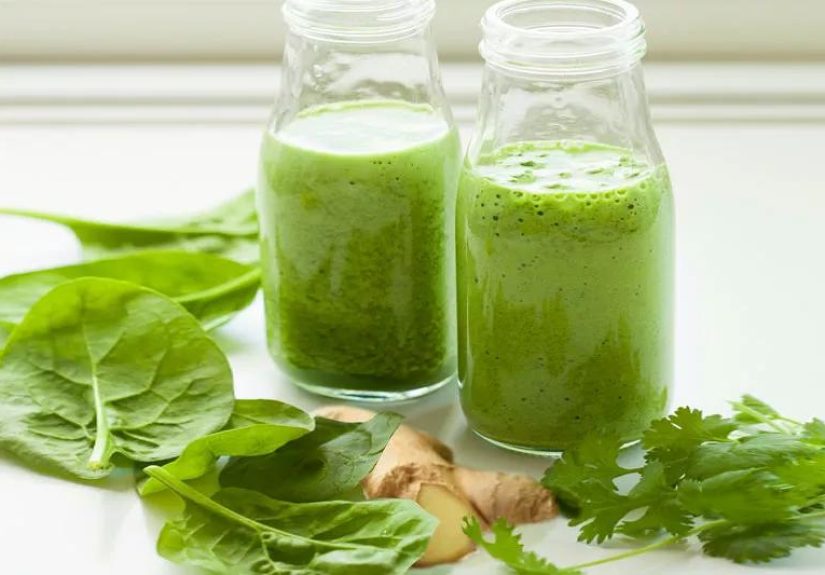
- Pour into a glass and serve immediately.
Texture Check
Too thick? Add a splash more almond milk. Too thin? Add a little more frozen banana or a few extra ice cubes. Too spicy? Cut the ginger back to 1 teaspoon next time. Too bland? Add a squeeze of orange or a pinch more cinnamon. Smoothies are forgiving. They are less like baking and more like jazz with frozen fruit.
Flavor Variations That Still Respect the Mission
1. Tropical Ginger Spice Smoothie
Swap the banana for frozen mango and add a small squeeze of orange juice. This version tastes brighter and more refreshing while keeping the warm-spice backbone.
2. Berry Ginger Breakfast Smoothie
Add 1/2 cup frozen blueberries and 2 tablespoons rolled oats. The berries deepen the flavor, and the oats make it feel more like a complete breakfast.
3. Cozy Chai Ginger Smoothie
Add a pinch of cardamom and a tiny pinch of cloves. Suddenly your smoothie thinks it owns a scarf and reads poetry in coffee shops.
4. Higher-Protein Ginger Smoothie
Use more Greek yogurt or add a scoop of unflavored protein powder. Keep the spice levels steady so the drink still tastes like food and not like a fitness challenge.
5. Dairy-Free Creamy Version
Skip the yogurt and use a little extra almond butter or a few tablespoons of coconut yogurt. It stays creamy without losing the warm, spicy profile.
How to Build a Better Smoothie, Not a Sneaky Dessert
A really good smoothie needs balance. One fruit-heavy ingredient for sweetness is usually enough. A creamy ingredient gives it body. A little fat or protein helps it feel satisfying. Greens are welcome, but do not turn the blender into a lawn mower. A small handful of spinach is plenty for beginners because it blends easily and disappears into the background instead of yelling, “Hello, I am vegetation.”
Spices help more than people realize. Cinnamon and nutmeg can make a smoothie taste sweeter without adding much sugar. Ginger makes the whole drink feel more vibrant. That means you can keep the ingredient list simple and still end up with something layered and interesting.
Frozen fruit is especially useful because it chills and thickens at the same time. It also saves you from the sad moment when the banana on your counter goes from “perfectly ripe” to “banana bread emergency” overnight. Fresh fruit works too, but then you will probably want extra ice.
If you are watching sweetness, skip sweetened yogurt and sweetened milk alternatives. Those ingredients pile up fast. The smoothie should taste lively and naturally sweet, not like a melted candle from a bakery-themed gift shop.
Nutrition Notes Without the Lecture Voice
This ginger spice smoothie can fit nicely into a balanced breakfast or snack because it combines produce, spice, and a modest amount of protein and fat. The almond butter and yogurt help the drink feel grounding instead of fleeting. The spinach adds extra color and nutrients without changing the flavor much. The banana softens the ginger and spice so the drink feels smooth and rounded.
Fresh ginger is the star, but more is not always better. A little goes a long way. Start with 1 to 2 teaspoons if you are new to it. Too much can make the smoothie taste harsh, and for some people, large amounts of ginger can be irritating. If you are sensitive to spicy foods, prone to reflux, or just not interested in turning your breakfast into a personality test, keep the amount modest.
Homemade smoothies are often the smarter move because they let you control the extras. That means less added sugar, less giant-restaurant-cup chaos, and more room to tailor the drink to your day. Need it more filling? Add oats. Need it lighter? Use more milk and skip the sweetener. Need it to survive a Monday? Double the batch and refrigerate one jar for later.
Who Will Love This Smoothie Most?
This recipe is especially great for people who like warm spice flavors but do not always want a hot breakfast. It is also ideal for smoothie skeptics who think every healthy smoothie tastes like cold grass clippings and regret. Ginger keeps things lively, and the nut butter gives it that café-style richness people usually pay too much for.
It also works well for busy mornings because the prep is so simple. Keep peeled ginger in the freezer, freeze banana halves ahead of time, and portion spinach into small bags. Then breakfast becomes less of a project and more of a button press. A very loud button press, depending on your blender.
Serving Ideas and Pairings
On its own, this smoothie makes a satisfying snack or light breakfast. If you want something more substantial, pair it with scrambled eggs, whole-grain toast, a small bowl of oatmeal, or a handful of nuts. If you want brunch energy without full brunch effort, serve it in a chilled glass with a dusting of cinnamon on top and pretend you run a wellness café with suspiciously attractive countertops.
You can also pour it into a bowl and top it with sliced banana, pumpkin seeds, granola, or crushed walnuts. That turns the drink into a spoonable breakfast and buys you the illusion of productivity.
Common Mistakes to Avoid
Using too much ginger
Fresh ginger is wonderful, but it can dominate quickly. The goal is bright and warming, not “my blender made rocket fuel.”
Adding too many sweet ingredients
Banana, flavored yogurt, juice, honey, and sweetened milk all at once can make the smoothie heavy and overly sugary. Pick one or two sweet notes and let the spices do the rest.
Ignoring texture
A watery smoothie feels disappointing. A too-thick smoothie feels like your straw is being hazed. Use frozen fruit and adjust the liquid little by little.
Overloading greens
Yes, spinach is good. No, you do not need enough spinach to recreate a salad bar. A small handful is perfect here.
Experience: What Happened When This Became Part of My Routine
I started making a ginger spice smoothie on a week when everything felt slightly off. The mornings were rushed, the weather was weird, and my usual breakfast had become a sad cycle of toast followed by wandering around the kitchen as if a better answer might materialize from the cabinets. On the first day, I made the smoothie exactly as written and took one sip expecting something aggressively healthy. Instead, it tasted calm, creamy, and surprisingly polished. The ginger showed up first, the cinnamon hung around in the background, and the banana kept the whole thing from becoming too sharp. It felt more like a real breakfast than a compromise.
By the second day, I noticed the ritual mattered as much as the recipe. Grating the ginger, hearing the blender kick on, and pouring the smoothie into an actual glass instead of a travel cup made the morning feel less chaotic. There is something oddly convincing about drinking something pale green that smells like a spice drawer and good intentions. I also realized this smoothie did not leave me feeling sleepy or overly full. It had enough substance to be satisfying, but it still felt light enough to get on with the day.
Midweek, I started experimenting. One morning I added blueberries, which made the flavor fruitier and a little less warm-spiced. Another morning I added oats, which made it thicker and more breakfast-like. The best version for me stayed close to the original, though. Fresh ginger, cinnamon, almond butter, banana, spinach, and just enough almond milk to keep everything moving. It hit that sweet spot between comfort food and functional food. It was not trying too hard, which is honestly rare in the wellness world.
What surprised me most was how this smoothie changed my idea of convenience. Usually, convenient food is either bland, expensive, or nutritionally suspicious. This felt like a loophole. Once the ingredients were ready, it took just a few minutes. I froze banana pieces in advance, kept ginger in the freezer, and bought spinach in small containers so it did not become a slimy science project. The whole system was low drama, which made it easy to repeat.
By the end of the week, the smoothie had become less of a recipe and more of a reset button. It did not fix every bad morning, obviously. It could not answer emails or locate missing socks. But it did make breakfast simpler, more enjoyable, and a lot more consistent. And that matters. Sometimes the best recipe is not the fanciest one. It is the one you will actually make again, even on the kind of day when your brain clocks in five minutes late. This ginger spice smoothie passed that test. It tasted good, felt balanced, and somehow managed to be both practical and a little comforting at the same time. That is a rare trick for breakfast, and an even rarer one for anything involving spinach.