Table of Contents >> Show >> Hide
- What “Quilted Parachute Parka” Actually Means
- The Materials and “Coat Tech” Doing the Heavy Lifting
- How to Shop for a Quilted Parachute Parka (Without Getting Fooled by “Cozycore” Copy)
- Styling a Quilted Parachute Parka Without Looking Like a Sleeping Bag
- When a Quilted Parachute Parka Is the Perfect Coat (and When It Isn’t)
- Care and Longevity: Keep the Quilt Cozy and the Shell Happy
- Sustainability and Cost: Is a Quilted Parachute Parka Worth It?
- FAQ: Quick Answers Before You Hit “Add to Cart”
- Real-Life “Quilted Parachute Parka” Experiences (About )
- Conclusion: The Coat That Balances Cozy and Capable
If the phrase “quilted parachute parka” sounds like three different closets crashed into each other,
you’re not alone. “Quilted” says cozy. “Parachute” says lightweight nylon and a little swoosh-swoosh energy.
“Parka” says I have pockets, I mean business, and yes, I brought a hood.
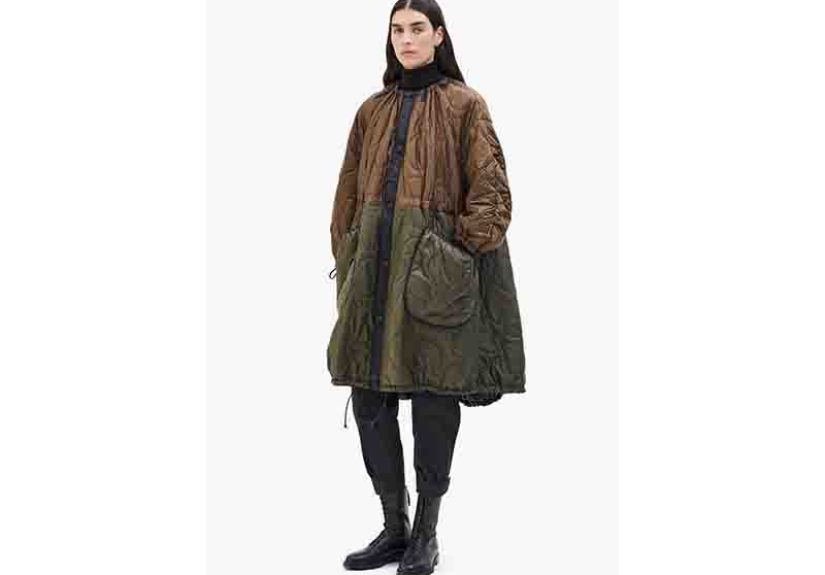
Put them together and you get one of the most useful modern outerwear mashups: a warm-but-not-astronaut coat that
looks polished, travels well, and handles real life (commutes, coffee runs, surprise wind tunnels between buildings).
This guide breaks down what a quilted parachute parka actually is, what it’s good at, how to shop for one without
getting hypnotized by marketing adjectives, and how to wear it so you look like a person with a plannot a burrito
who escaped from the foil.
What “Quilted Parachute Parka” Actually Means
Quilted: warmth you can see (and feel)
Quilting isn’t just decorative stitching. It’s a construction method that creates channels (or “baffles”) to keep
insulation distributed more evenly. Instead of one sad clump sliding down to your elbows, quilting helps keep warmth
where you want itaround your core and along the length of the coat. Quilting patterns vary (diamond, horizontal,
onion, wave), but the practical goal is the same: stable insulation + lighter bulk.
Parachute: the fabric vibe is light, tough, and wind-friendly
In fashion, “parachute” typically points to lightweight nylon (polyamide), often in a ripstop weave
or a similarly crisp, durable shell fabric. Real parachutes prioritize strength-to-weight and tear resistance, and
those same principles show up in “parachute-inspired” outerwear: it’s often airy, packable, and surprisingly sturdy.
Translation: it can survive a crowded subway, a backpack strap, and the occasional door handle ambush.
Parka: the longline, hooded, pocket-forward coat
A parka usually means a longer cut (often mid-thigh to knee), built for coverage and weather. Parkas typically bring
features you’ll actually use: hoods, higher collars, generous pockets, and closures that help block wind. In a quilted
parachute parka, you’re getting that coveragejust in a lighter, more flexible package than a heavy winter “arctic”
parka.
The Materials and “Coat Tech” Doing the Heavy Lifting
Shell fabric: nylon (polyamide) with a water-repellent finish
Most quilted parachute parkas rely on a nylon shell because nylon is light, strong, and naturally wind resistant.
Many shells also have a DWR finish (durable water repellent) to help water bead and roll off in light rain. Important
distinction: water-repellent isn’t the same as waterproof. A DWR-treated shell can handle drizzle and
damp sidewalks; a truly waterproof coat needs a membrane and sealed seams.
One more modern wrinkle: many brands have been updating water-repellent chemistry due to environmental regulations and
industry shifts away from certain PFAS-based treatments. That doesn’t mean your coat is doomedit just means
maintenance matters more (we’ll cover washing and re-proofing later).
Insulation: synthetic fills, down, or a mix
Quilted parkas may use synthetic insulation (polyester fibers), down, or a hybrid approach. For everyday wear and
mixed weather, synthetic insulation is popular because it tends to dry faster and keep some warmth when damp. It’s
also generally easier to care for. Down, on the other hand, is famous for warmth-to-weight and compressibilitybut it
performs best when dry and can require more careful washing and drying.
You’ll sometimes see insulation brand names like PrimaLoft. In general terms, premium synthetics aim to mimic down’s
loft and softness while handling moisture better. Still, keep expectations realistic: “warm when wet” often means
damp, not “I fell in a puddle and now I’m basically a space heater.”
Quilting + parachute fabric: why the combo feels different
A traditional puffer can feel like wearing a cloud that’s also a beanbag chair. A quilted parachute parka usually
feels more like a structured, lightweight cocoonless marshmallow, more modern. The shell has a
crispness that holds shape, and the quilting adds warmth without ballooning your silhouette (unless you choose an
intentionally oversized cut, which can be fantastic when styled right).
How to Shop for a Quilted Parachute Parka (Without Getting Fooled by “Cozycore” Copy)
1) Decide what “warm enough” means for your winter
A quilted parachute parka is usually ideal for cool-to-cold days, shoulder seasons, and layered winter
commuting. If you regularly face subzero temps or long outdoor exposure, you may want a heavier insulated
parkaor treat this as your mid-layer / city coat and keep a true storm parka for extreme days.
2) Check length and hem details
Mid-thigh lengths are the sweet spot for most people: they protect your core and upper legs without restricting
movement. Knee-length is great for wind and warmth, but look for details that help with mobilitytwo-way zippers,
side snaps, or back vents.
3) Hood design matters more than you think
A hood can be the difference between “pleasant walk” and “human umbrella with regrets.” Look for adjustable drawcords
and a hood that sits securely without blocking your peripheral vision. A higher collar is also a big comfort upgrade
when the wind decides to bully you personally.
4) Pockets: count them, test them, respect them
A good parka has pockets that hold real objects (phone, wallet, gloves) without making you look like you’re smuggling
baguettes. Fleece-lined hand pockets are a bonus. Interior pockets are great for travel and cold-weather battery
survival (your phone will thank you).
5) Reversible or modular designs: cool, but read the fine print
Some quilted parachute parkas are designed to be reversible (two colors, two vibes) or modular (liners that zip in or
out). These can be genuinely usefulespecially for travelers or minimalistsjust make sure the “two coats in one”
doesn’t translate to “two coats that are both slightly annoying.” Check closures, seam comfort, and whether both sides
have practical pockets.
Styling a Quilted Parachute Parka Without Looking Like a Sleeping Bag
Use proportion like a stylist (even if you’re just going to the pharmacy)
Quilted outerwear has volume by nature. To keep your outfit intentional:
pair a longer parka with slimmer pants or straight-leg denim, or balance it with chunky boots and a beanie if you’re
leaning into oversized silhouettes. If your coat is cropped or mid-thigh, wide-leg trousers can look amazingjust
keep the top half streamlined.
Make the fabric contrast do the work
Parachute-style nylon looks great next to knit textures, denim, wool, and leather. Try:
a merino sweater + straight jeans + leather loafers, or a hoodie + joggers + clean sneakers for a sporty look that
still feels elevated because the parka has structure.
Dress it up (yes, really)
A quilted parachute parka can work over office wear or dinner fits if the lines are clean and the color is neutral
(black, olive, navy, taupe). Wear it over a monochrome outfit, add a scarf with texture, and you’ll look purposeful
instead of “I threw on whatever was nearest to the door.”
When a Quilted Parachute Parka Is the Perfect Coat (and When It Isn’t)
Perfect for
- City winter and commuting: wind protection, coverage, easy movement.
- Travel: lightweight warmth; often packable and comfortable for planes and trains.
- Shoulder seasons: chilly mornings, mild afternoons, unpredictable forecasts.
- Layering: roomy enough to add a sweater without feeling like a stuffed toy.
Not the best for
- All-day heavy rain: unless it’s truly waterproof (membrane + sealed seams), it’ll eventually wet out.
- Deep-freeze outdoor time: if you’re standing outside for hours in severe cold, choose a heavier parka.
- High-output activity: quilting traps heatgreat for strolling, less great for sprinting to catch a bus (we’ve all been there).
Care and Longevity: Keep the Quilt Cozy and the Shell Happy
Wash it when it needs it (and not with whatever detergent is closest)
Nylon shells and insulated coats last longer when cleaned properly. Harsh detergents, fabric softeners, and residue
buildup can reduce water repellency and make the fabric feel grimy. Follow the care label first, but as a general
rule: use a gentle or technical wash, cool-to-warm water, and skip softener. Close zippers and fasteners to prevent
snagging.
Restore water repellency the smart way
If water stops beading on the surface and starts soaking in, your DWR may need refreshing. Sometimes a wash plus low
heat drying (if permitted by the care label) can help reactivate the finish. If that’s not enough, a spray-on or
wash-in reproofing product can restore beading. Spray-on treatments are often preferred when you want to avoid
coating the lining.
Drying: patience is a virtue (and also prevents sad clumps)
Synthetic insulation usually dries faster than down. If your parka is down-filled, thorough drying matterslow heat,
time, and occasional fluffing help restore loft. If it’s synthetic, air-drying may work fine, but always follow the
garment instructions to avoid damaging the shell or quilting stitches.
Storage and small repairs
Don’t store a quilted parka compressed long-term. Give it breathing room so the insulation maintains loft. For small
shell tears, nylon repair tape can be a quick, effective fix. The sooner you patch a snag, the less likely it is to
grow into an accidental “ventilation feature.”
Sustainability and Cost: Is a Quilted Parachute Parka Worth It?
Prices for quilted parachute parkas range wildlyfrom budget-friendly liners and quilted coats to premium designer
versions with specialized fabric, reversible construction, or modular layers. “Worth it” depends on your use case:
if you’ll wear it constantly for three seasons and it replaces multiple jackets (or becomes your travel coat), the
cost-per-wear can make real sense.
If sustainability is a priority, look for details like recycled shell fabrics, responsible insulation sourcing (for
down), and repairability. A well-made parka that lasts years is often greener than cycling through “fast” coats that
quit after one winter.
FAQ: Quick Answers Before You Hit “Add to Cart”
Is a quilted parachute parka waterproof?
Usually it’s water-resistant, not waterproof. Great for drizzle and light snow; not ideal for a
soaking rain unless it has a waterproof membrane and sealed seams.
Will it be too warm indoors?
Quilting holds heat, but parachute-style shells are often lighter than heavyweight parkas. If you run warm, choose a
lighter insulation level and make sure you can unzip easily (two-way zippers are a gift).
Can I machine wash it?
Many can be machine washed, but always check the care label. The main rules: skip softener, use gentle detergent,
and don’t overheat the fabric.
Is “parachute” fabric noisy?
Sometimes. Lightweight nylon can have a soft swish. Some people love that “technical” vibe; others prefer a quieter,
softer shell. If it bothers you, look for brushed nylon or softer weaves.
Real-Life “Quilted Parachute Parka” Experiences (About )
Let’s talk about the part that never shows up in product descriptions: the day-to-day reality of living with a
quilted parachute parka. Because “wind-resistant” is a lovely phrase, but what you really want to know is whether it
survives your commute, your coffee habit, and your tendency to underestimate how cold it gets after sunset.
The “morning-to-night” commute test: Many wearers notice the biggest win is temperature flexibility.
On a cold morning, the quilting keeps your core warm while the longer parka length blocks that sneaky thigh-level
wind you didn’t know existed until it found you. By afternoon, when the sun decides to show up and act innocent, a
lighter parachute-style shell tends to feel less suffocating than a heavy puffer. You can unzip, vent, and keep
moving without feeling like you’re wearing a sleeping bag to a business meeting.
The pocket lifestyle: A true parka converts you into a pocket maximalist. Phone in one pocket, keys
in another, gloves in a third, and suddenly you don’t need a bag for quick errands. People often say the best
versions have pockets placed high enough to warm your hands comfortably, but deep enough that your phone doesn’t try
to escape when you sit down. Bonus points if the coat has an interior pocketperfect for travel or for protecting
your phone battery in cold weather.
The “unexpected weather” moment: In light rain or wet snow, a water-repellent shell usually beads at
first, which feels like winning. The experience tends to shift after a season of wear, when the exterior stops
beading and starts looking darker in spots. That’s typically your cue for a proper wash and a DWR refreshless
glamorous than buying a new coat, but far more satisfying (and cheaper).
Travel and packing: A lot of quilted parachute parkas fold or roll more easily than thicker winter
coats. People who travel often like the “lightweight but substantial” feel: warm enough for chilly destinations,
not so bulky that it takes over the suitcase. On flights, the quilting can double as a surprisingly decent blanket
substitutethough you didn’t hear that from me, and airline policy definitely didn’t either.
The style confidence factor: A big reason this coat category is popular is that it reads
intentional. The quilting adds texture; the parachute shell adds structure. Wearers often describe it as the
coat that makes simple outfits look “put together”jeans and a sweater suddenly feel styled instead of accidental.
And if your parka is reversible, the experience is basically getting a personality switch: one side for errands, the
other for “I might run into someone I know and I’d like to look like I planned this.”
Conclusion: The Coat That Balances Cozy and Capable
A quilted parachute parka is one of those rare wardrobe pieces that earns its closet space. It’s warm
without being overwhelming, structured without being stiff, and practical without looking purely utilitarian. If you
want a lightweight winter coat that handles real weather, layers easily, and still looks sharp with
everyday outfits, this is a smart category to shopespecially if you pay attention to insulation type, length, hood
design, and care.
Choose the warmth level for your climate, treat the shell kindly (wash it properly, refresh water repellency when
needed), and you’ll have a parka that shows up for you all seasonwithout requiring a pep talk every time the
forecast gets dramatic.