Table of Contents >> Show >> Hide
- What Is the Quicksilver Student Credit Card?
- Key Features That Make People Notice
- Why the Quicksilver Student Card Works So Well for Certain Students
- Where the Card Falls Short
- Who Should Consider the Quicksilver Student Credit Card?
- How It Compares to Other Student Credit Cards
- How to Use the Quicksilver Student Card the Smart Way
- What the Real Value Looks Like Over Time
- Experiences Related to the Quicksilver Student Credit Card
- Final Verdict
If college had a mascot for personal finance, it would probably be a half-empty coffee cup sitting next to a laptop held together by hope, stickers, and one heroic charging cable. That is exactly why the Quicksilver Student Credit Card gets attention: it promises simplicity in a life that already has enough tabs open.
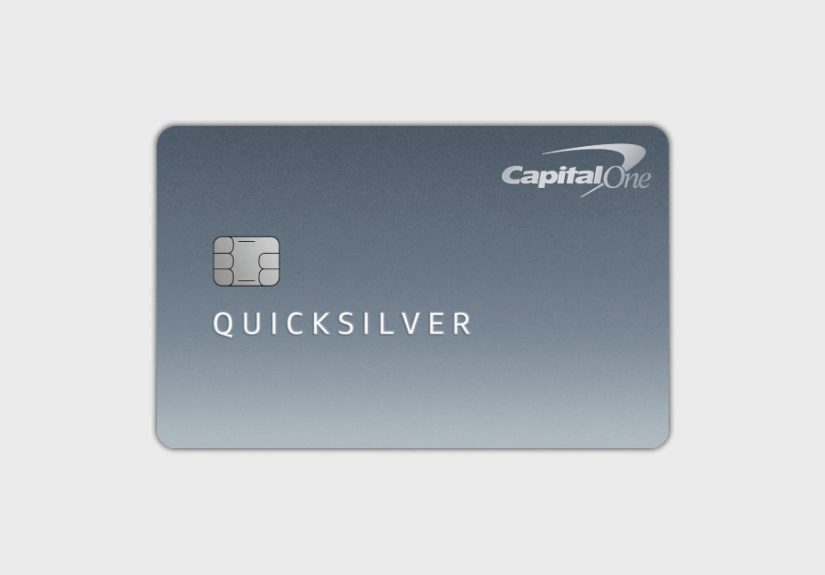
Officially, this card is the Capital One Quicksilver Student Cash Rewards Credit Card. It is built for students who want a straightforward cash back card without an annual fee, without a maze of rotating categories, and without the kind of fine print that makes your eyes glaze over before page two. In plain English, it is designed for students who are new to credit, want to earn rewards on everyday spending, and need a card that feels practical instead of flashy.
That practicality is the whole appeal. The card earns flat-rate cash back on everyday purchases, offers elevated rewards in a few Capital One ecosystems, and can help students begin building credit history when used responsibly. It is not magic. It will not turn pizza into wealth or make ramen a tax deduction. But for the right student, it can be a clean, low-drama starting point.
What Is the Quicksilver Student Credit Card?
The Quicksilver Student Credit Card is a student-focused cash back credit card from Capital One. Its biggest selling point is that it keeps rewards simple: you earn the same base rate on everyday purchases rather than juggling bonus calendars, activation deadlines, or category quizzes that feel like homework from a very annoying finance professor.
That makes the card especially attractive for students who are just learning how credit works. A first credit card should not feel like a part-time job. It should help you build credit, teach good habits, and maybe throw a little money back into your account when you buy groceries, textbooks, bus tickets, toothpaste, or the late-night snack that somehow became dinner.
Capital One also positions the card for students with limited credit history, which matters because many first-time cardholders are not trying to impress a lender with a decade of flawless borrowing. They are trying to get approved, stay organized, and avoid doing anything financially dramatic before midterms.
Key Features That Make People Notice
1. Straightforward cash back
The headline feature is simple: the card earns flat-rate cash back on everyday purchases. That is its superpower. You do not have to remember whether this quarter favors gas stations, streaming services, or moonlight canoe rentals. You swipe, you earn, you move on with your life.
2. No annual fee
This is a major plus for students. A $0 annual fee means the card is easier to keep long term, and that matters because the age of your accounts can help your credit over time. A first card that you can keep after graduation has more value than many students realize.
3. Welcome bonus that is actually reachable
Unlike premium cards that ask you to spend like a traveling consultant with a corporate lunch budget, the Quicksilver Student card has a relatively modest welcome-bonus requirement. That makes it realistic for normal student spending instead of requiring heroic efforts involving group dinners and suspiciously enthusiastic Venmo requests.
4. Useful elevated rewards in Capital One channels
Beyond the standard flat-rate rewards, the card also offers boosted cash back in select Capital One booking and entertainment channels. That will not matter to everyone every month, but it can be a nice perk for students who book an occasional trip, rent a car for a break, or buy event tickets through eligible platforms.
5. No foreign transaction fees
This is one of those details that sounds boring until it suddenly becomes brilliant. Students studying abroad, traveling during breaks, or making purchases from international merchants may appreciate not getting nickeled and dimed with an extra fee every time the card crosses borders.
Why the Quicksilver Student Card Works So Well for Certain Students
The best thing about this card is not that it is flashy. It is that it is predictable. Predictable rewards. Predictable fee structure. Predictable value. For a student balancing classes, rent, work shifts, internships, and the occasional identity crisis triggered by a group project, predictability is underrated.
The card makes sense for students who spend across many categories but not heavily in any one category. Maybe you buy groceries one week, school supplies the next, rideshare later, and random dorm essentials somewhere in between. A flat-rate rewards card works nicely in that kind of messy, real-world spending pattern.
It is also a strong fit for people who want to build credit without overcomplicating the learning process. Many students do better with a card that teaches the fundamentals first: spend within your budget, pay on time, keep your balance low, and let time do its thing. That is not glamorous advice, but it is the stuff that quietly builds strong credit history.
Where the Card Falls Short
Now for the grown-up part: this card is not perfect.
First, the rewards rate is solid but not unbeatable. If you are the kind of student who spends a lot in specific categories like dining, entertainment, groceries, or streaming, a category-focused student card could potentially earn more. Simplicity is the selling point here, but simplicity sometimes means leaving a little reward value on the table.
Second, the APR is not something to shrug at. If you carry a balance month to month, the interest can cancel out your rewards in a hurry. That is true for most rewards cards, but it matters even more for students, who often have tight budgets. A little interest can turn a modest purchase into a surprisingly expensive life lesson.
Third, this is not the card for someone who wants giant travel perks, airport lounge access, or a red-carpet rewards ecosystem. This is a starter card with useful perks, not a luxury passport to a mysterious world where people voluntarily compare transfer partners for fun.
Who Should Consider the Quicksilver Student Credit Card?
This card is a smart choice for:
- Students who want a simple cash back setup
- First-time cardholders learning how credit works
- People who prefer a flat rewards rate over tracking categories
- Students who want a no-annual-fee card they can keep for years
- Students who may study abroad or buy from international merchants
It may be a weaker fit for:
- Students who carry balances regularly
- People who want the absolute highest rewards in a specific spending category
- Anyone looking for premium travel perks rather than beginner-friendly cash back
How It Compares to Other Student Credit Cards
The Quicksilver Student card lives in the “easy to understand” lane. That matters because some of its most common competitors live in very different lanes.
For example, rotating-category student cards can out-earn it in certain quarters, but only if you remember to activate the categories and only if your spending lines up with them. That works well for organized maximizers. It works less well for students whose weekly planner is already one missed notification away from collapse.
Category-heavy student cards can also be great if you know exactly where your money goes. If you spend a lot on dining, entertainment, and grocery runs, another student card could beat Quicksilver on pure rewards. But if your spending is unpredictable, the Quicksilver Student card can be more reliable because it does not punish you for having a normal, inconsistent student life.
In other words, this card is not necessarily the highest earner in every scenario. It is the one that stays useful even when your spending is random, your schedule is chaotic, and your main financial goal is avoiding dumb mistakes.
How to Use the Quicksilver Student Card the Smart Way
Treat it like a debit card with perks
Only charge what you already have money to cover. This is the simplest rule and the most powerful one. If your checking account cannot support the purchase, your credit card should not become your emergency imagination machine.
Pay the full statement balance every month
This is how you avoid interest and keep rewards meaningful. Carrying a balance does not help your credit more. That myth needs to be launched into the sun. Paying in full is cleaner, cheaper, and smarter.
Keep utilization low
If your limit is modest, even a few ordinary purchases can make your balance look high relative to your credit line. Try to keep usage comfortably low, especially before your statement closes. This can help your credit profile look healthier over time.
Set up autopay and alerts
Because forgetting a payment is the kind of mistake that can cost both money and credit-score progress. Autopay for at least the minimum is your safety net. A reminder to pay in full is your actual strategy.
Keep the card after graduation if it still fits
One underrated advantage of a no-annual-fee starter card is that you may be able to keep it open for the long haul. The longer your credit history, the more helpful that first well-managed account can become.
What the Real Value Looks Like Over Time
In the first month, the Quicksilver Student card feels like a convenient payment tool. In the first year, it starts to feel like a useful financial training ground. In a few years, if you manage it well, it can quietly become one of the most important bricks in your credit foundation.
That is the part many students miss. The real return is not just the cash back. It is the mix of rewards, convenience, fee avoidance, and credit-building potential. A well-used student card can make future borrowing easier, whether that is an apartment application, a car loan, or another credit card with better perks after graduation.
So yes, the cash back matters. But the bigger win is that this card can help turn “I have no credit history” into “I have a usable, responsible track record.” That is a much more valuable sentence than it sounds when you are nineteen.
Experiences Related to the Quicksilver Student Credit Card
What does using this card actually feel like in real life? For many students, the experience is less about dramatic perks and more about steady, low-stress usefulness. The first impression is usually relief. You get a card that does not demand advanced rewards strategy, and that alone makes it easier to use responsibly. A lot of student cardholders want something simple enough to understand on day one, and Quicksilver usually gives them that. The cash back shows up without requiring category tracking, the online account tools are easy to learn, and the whole experience feels beginner-friendly instead of intimidating.
Then comes the second phase: real-world spending. This is where the card often earns loyalty. Students use it for books, groceries, transit, small campus purchases, and the random expenses that always appear right after you thought your budget was finally under control. The card tends to work best for students whose spending is scattered. One month might be filled with supply runs and takeout. The next month might be mostly lab fees, streaming charges, and a couple of train tickets. Because the rewards are flat, you do not have to rethink your life every billing cycle. That creates a calmer experience, and calm is a wonderful thing when you are learning credit for the first time.
There is also a subtle confidence boost that comes with using a first card well. Students often describe a shift from nervousness to routine. At the beginning, many are scared of doing something wrong. They check the app too often, worry about balances, and treat the card like it might explode if used incorrectly. A few months later, it becomes normal. They learn when statements close, how autopay works, and why paying in full matters. That learning curve is part of the value. The Quicksilver Student card is not just a payment tool; for many people, it becomes their first practical lesson in how adult credit works without turning every lesson into a financial penalty box.
Of course, not every experience is glowing. The most common frustration is the same one attached to many student cards: the APR is not forgiving. Students who start carrying balances often discover that rewards feel much less exciting when interest charges show up. That can be a rude awakening. Another complaint is that students who spend heavily in dining or other specific categories may eventually realize they could earn more with a different card. That does not make Quicksilver a bad choice; it just means simplicity has a tradeoff. The card is strongest when your goal is clean, steady value rather than perfect optimization.
There is also a long-term experience that is easy to overlook but extremely important: the satisfaction of keeping your first card open and useful after school. Because the card has no annual fee, some graduates keep it for years. That turns a modest student account into a surprisingly powerful piece of credit history. In hindsight, many people do not remember this card as the one with the wildest perks. They remember it as the card that helped them start, stay organized, avoid annual fees, earn a little cash back, and build a foundation that made later financial moves easier. That is not glamorous. It is better. It is useful.
Final Verdict
The Quicksilver Student Credit Card is a strong option for students who want uncomplicated cash back and a practical entry point into credit. It is not the flashiest student card on the market, and it will not always be the highest-earning choice for every spending profile. But it succeeds where many beginner cards need to succeed: it is easy to understand, easy to keep, and potentially very helpful for building long-term credit habits.
If your goal is maximum reward optimization, you may want to compare it against category-heavy student cards. But if your goal is to build credit, avoid annual fees, earn simple cash back, and keep life manageable while you juggle school and everything else, this card makes a lot of sense. Sometimes the best credit card is not the one with the biggest headline. It is the one you can use well for a long time.