Table of Contents >> Show >> Hide
- Kida 101: Who She Is (and Why People Still Talk About Her)
- Why Kida Feels Different From “Classic” Disney Princesses
- How People Actually Rank Kida: The Unofficial Scorecard
- The Big Question: Is Kida a Disney Princess “Officially”?
- Critic vs Fan Opinions: How Atlantis Shapes Kida’s Reputation
- Where Kida Typically Lands in Fan Rankings
- Practical Take: If You’re Building Your Own Kida Ranking, Use These Criteria
- of Fan Experiences: The Kida Effect in Real Life
- Conclusion: Kida’s Rank Isn’t the PointHer Impact Is
Every fandom has that characterthe one who shows up, steals the scene, and then somehow gets treated like a “bonus feature” in the official conversation.
For Disney fans, Princess Kidagakash “Kida” Nedakh from Atlantis: The Lost Empire is that character. She’s a warrior-scholar-queen, a living bridge between
an ancient civilization and a bunch of early-1900s chaos gremlins, and she does it all while serving one of the most iconic character designs of Disney’s early 2000s era.
Yet when people start ranking “top Disney princesses,” Kida often gets left outsometimes accidentally, sometimes because the word “official” shows up and ruins everyone’s day.
This article breaks down the modern Kida conversation the way fans actually talk about it: not just “Is she a princess?” but
where she ranks, why she ranks there, and what people love (or debate) about her.
We’ll look at the criteria behind popular rankings, how Kida performs in each category, and why opinions on her often reveal more about Disney branding than Disney storytelling.
And yes, we’ll keep it funbecause Kida would absolutely roast us if we took ourselves too seriously.
Kida 101: Who She Is (and Why People Still Talk About Her)
Kida is introduced as the princess of Atlantisan advanced civilization in declinewho teams up with linguist-explorer Milo Thatch when an expedition reaches the lost city.
She’s curious, brave, blunt in the way only a person with centuries of life experience can be, and determined to restore her people’s knowledge and identity.
By the end of the story, she transitions from princess to queen, which is basically a promotion you earn by saving your civilization from total collapse.
A big part of Kida’s lasting impact comes from how she’s portrayed: she’s not a sidekick, not comic relief, and not a prize at the end of the quest.
She’s a driving force in the plot, pushing Milo (and the audience) toward the core theme: a culture can’t survive if it forgets itself.
Voice, Vibes, and Presence
Kida is voiced by Cree Summer, whose performance gives her warmth and authority without turning her into a stereotype.
The result is a character who can be funny without being goofy, intense without being cold, and heroic without needing a “princess lesson” montage.
Why Kida Feels Different From “Classic” Disney Princesses
Atlantis: The Lost Empire is an action-adventuremore Jules Verne vibes than ballroom vibes. That choice changes how Kida functions as a heroine.
She’s built for exploration, danger, and leadership under pressure, not for singing about wanting more from life (although, honestly, she’s earned the right to sing a power ballad).
1) She’s a Scholar-Warrior, Not a “Protected” Royal
Kida fights, investigates, questions authority, and physically moves the story forward. She’s not waiting for permission to be important.
When rankings prioritize competence, leadership, and agency, Kida tends to shoot up the list like an Atlantean flying machine with the safety settings turned off.
2) The Worldbuilding Makes Her Mythic
Atlantis isn’t just a backdrop; it’s a fully realized culture with its own written and spoken language, history, and technology.
Kida isn’t “a princess in a random magical place”she’s part of a civilization with rules and responsibilities, and that gives her character weight.
3) Her Visual Design Is Bold (and Still Influential)
The film’s looksharp shapes, graphic silhouettes, and a vibe that leans more comic-book adventure than fairy talehelps Kida stand out immediately.
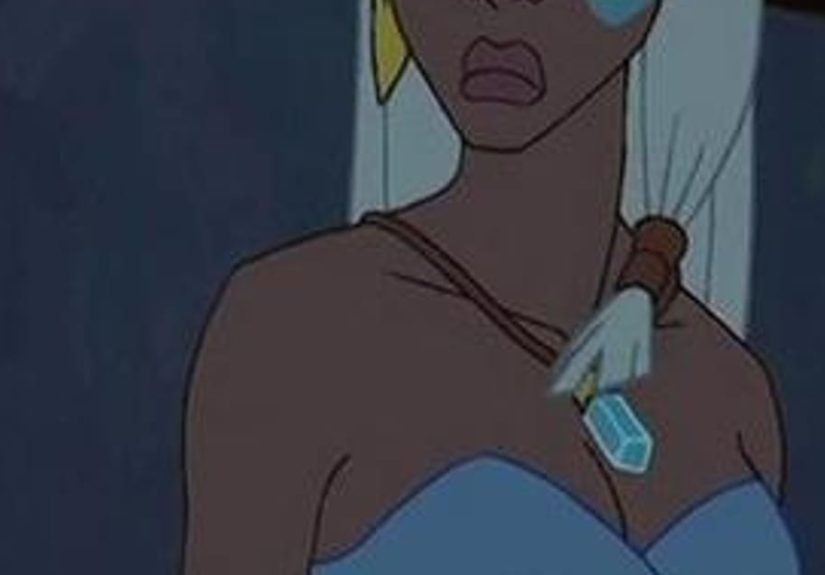
Her color palette, markings, and silhouette are so recognizable that fans can spot her instantly in a lineup, even if she’s not “officially” in that lineup.
How People Actually Rank Kida: The Unofficial Scorecard
Let’s be honest: “rankings” are rarely scientific. They’re a mix of nostalgia, aesthetics, personal values, and whatever you felt the first time Kida stepped into frame
and your brain went, “Ohso that’s what a Disney heroine can look like.”
Still, most Kida rankings tend to revolve around a handful of recurring categories. Here’s a practical framework that mirrors how fans debate her online.
Category A: Leadership (Kida Score: 10/10)
Kida isn’t “royal in title only.” She’s actively invested in her people’s survival, knowledge, and future. She makes tough calls, takes risks, and refuses to let Atlantis fade.
If a ranking system rewards responsibility, cultural stewardship, and courage under pressure, Kida is elite-tier.
Category B: Competence and Capability (Kida Score: 9.5/10)
She’s physically capable, mentally sharp, and socially confident. She can defend herself, negotiate, investigate, and adapt.
The only reason she doesn’t get a perfect 10 here is because the plot sometimes requires everyone to make questionable decisionsbecause adventure stories are powered by bad ideas.
Category C: Iconic Design and Style (Kida Score: 10/10)
Kida’s look is instantly recognizable, and it helped broaden the visual vocabulary of Disney heroines.
In rankings focused on design, fashion, silhouette, and “cosplay potential,” she regularly lands near the top.
Category D: Cultural Impact (Kida Score: 8.5/10)
Here’s where the debate gets interesting. Kida’s impact is massive in fan spaces, but the film didn’t become a merchandising juggernaut in the way
some other Disney titles did. That creates a split: high devotion, lower mainstream visibility.
If your ranking measures “how often the average person mentions her,” she drops; if it measures “how fiercely fans love her,” she rises again.
Category E: Story Arc Satisfaction (Kida Score: 9/10)
Kida’s arcseeking lost knowledge, confronting painful history, stepping into leadershiplands emotionally for many viewers.
Some critics of the film argue that Atlantis moves fast and spreads its attention across a large ensemble, which can reduce quieter character moments.
Even so, Kida’s core journey remains clear: Atlantis remembers itself because she refuses to let it forget.
The Big Question: Is Kida a Disney Princess “Officially”?
In everyday fan language, many people call her a Disney princess because she’s literally a princess in a Disney animated film. Easy.
But “Disney Princess” (capital letters) is also a branded franchisemerchandising, marketing, official lineups, and a carefully managed image.
That’s where the argument starts: Kida is royal, beloved, and iconic, yet she’s often not included in the branded group.
Why She’s Often Left Out (Commonly Cited Reasons)
- Brand fit: The Disney Princess franchise leans heavily into fairy-tale aesthetics and a specific tone.
Atlantis is pulp adventure with ancient-tech mythologymore “expedition gear” than “tiara sparkle.” - Box office + timing: The film had a big budget and faced tough summer competition, and its box office performance is often described as underwhelming for Disney at the time.
That kind of commercial context can affect how aggressively a character is pushed into long-term merchandising. - Ensemble structure: The movie shares focus across a large cast. Some branding logic prefers stories centered tightly on the princess herself.
Important note: Disney hasn’t always given one single, clean public explanation that satisfies fans. So in rankings-and-opinions land, people use the evidence they have:
marketing history, franchise patterns, and the reality that Kida remains hugely requested by fans who want her recognized more widely.
Critic vs Fan Opinions: How Atlantis Shapes Kida’s Reputation
A funny thing happened to Atlantis: The Lost Empire: it built a reputation as a “cult favorite” over time. Early reviews were mixed,
with some critics praising the visuals and energy while others criticized the story and character depth.
That split matters because Kida’s “ranking” is often tied to whether someone views Atlantis as underrated treasure or messy experiment.
What Critics Often Pointed Out
- Visual ambition: Many reviewers acknowledged the film’s bold style and action-driven pace.
- Story coherence: A recurring critique was that the plot can feel rushed or uneven compared to Disney’s more character-driven classics.
- Genre shift: Dropping musical conventions created a different Disney toneexciting for some viewers, alienating for others.
Why Fans Keep Ranking Kida Highly Anyway
Because Kida works. Even if you have issues with the film’s pacing, she reads as real: curious, protective, capable, and emotionally grounded.
She’s also a refreshing type of heroineone who’s allowed to be ancient and wise, physically strong, and culturally central without losing warmth.
In fandom math, that equals: “Top tier, no notes, please print her on more merch.”
Where Kida Typically Lands in Fan Rankings
If you blend the scorecard above with common fan discussions, Kida often lands in one of these ranking zones:
Tier 1: “Elite / S-Tier” (Common in agency-focused rankings)
Rankings that prioritize leadership, competence, and independence tend to place Kida in the top groupoften alongside other proactive, decisive heroines.
Tier 2: “Top 5–Top 10” (Common in popularity + recognition rankings)
Rankings that weigh mainstream recognition heavily may place her slightly lower, not because she’s weaker as a character,
but because she doesn’t get the same constant spotlight as the most heavily marketed princesses.
Tier 3: “Underrated Gem” (Common in mixed-review nostalgia rankings)
Some lists put her in a special category: not just a rank, but a label. “Underrated” becomes a compliment and a battle cry.
In those spaces, Kida’s placement comes with a side quest: convincing new people to watch Atlantis.
Practical Take: If You’re Building Your Own Kida Ranking, Use These Criteria
Want a ranking that feels fair instead of random? Try scoring each princess/heroine you’re comparing on:
- Agency: How much does she drive the plot?
- Leadership: Does she carry responsibility for others?
- Competence: Skills, decision-making, adaptability.
- Emotional depth: Does she grow or reveal layers?
- Icon factor: Design, quotes, moments you remember.
- Cultural impact: Fan devotion, influence, staying power.
Under that system, Kida almost always performs stronglyespecially in agency, leadership, and icon factor. The only “weakness” is external:
she’s not marketed as loudly as some others, and you can’t rank what people haven’t been shown.
of Fan Experiences: The Kida Effect in Real Life
Watching Kida as a kid hits one way; watching her later hits differently. A lot of fans describe the same arc: you remember the cool action,
the underwater mystery, the crystal glow… and then you rewatch and realize Kida is basically carrying the emotional thesis of the whole film on her shoulders.
She isn’t just “the princess.” She’s the person fighting to keep a civilization from turning into a museum exhibit of itself.
One common experience: you start the movie thinking Milo is the main attraction (because: awkward nerd hero, relatable, great).
Then Kida arrives and the story’s center of gravity shifts. Suddenly the “lost empire” isn’t just a destinationit’s a living culture.
Fans talk about that moment as the exact second Atlantis becomes more than an adventure movie. It becomes a story about memory and identity.
And weirdly? That can stick with you. People end up thinking about language loss, cultural preservation, and what it means to rebuild after catastrophe
which is a lot to ask from a movie you originally watched for submarine explosions.
Kida also shows up in creative hobbies. She’s a favorite for cosplay because her design is striking and instantly recognizableplus it’s one of those looks
that makes you feel powerful when you put it on. Fans who try to recreate her necklace, markings, or Atlantean aesthetic often end up falling down a rabbit hole:
researching the film’s production design, pausing scenes to study patterns, and debating the exact shade of “mystical ancient turquoise” like it’s a serious profession.
Then there’s the “recommendation loop” experience: someone mentions Disney princess rankings, Kida isn’t included, and a fan goes,
“Okay, but have you seen Atlantis?” That question is basically a secret handshake. If the other person says yes, you’re about to have a joyful
20-minute discussion about underrated movies, unique animation styles, and why Disney should stop pretending this character doesn’t exist.
If the other person says no, you have a mission. You become the Atlantean ambassador of your friend group.
Finally, Kida resonates because she doesn’t fit a narrow box. She’s soft and fierce, curious and commanding, ancient and youthful, deeply traditional and radically forward-thinking.
A lot of fans describe her as the moment they realized “princess” can mean leader, protector, scholar, warrior, and cultural guardiannot just romantic heroine.
That’s why rankings keep circling back to her. Even when she’s not in the “official lineup,” she’s in the lineup people actually care about:
the characters who made them imagine bigger possibilities.
Conclusion: Kida’s Rank Isn’t the PointHer Impact Is
In most ranking systems that value agency, leadership, competence, and design, Kida lands near the top. In systems that prioritize mainstream merchandising visibility,
she gets unfairly pushed downnot because she’s less compelling, but because she’s less marketed.
The good news: fan opinion is a powerful thing, and Kida has the kind of staying power that doesn’t need permission.
So if your personal list places Kida in S-tier, you’re in good company. And if you’re still deciding, here’s a scientific method:
rewatch Atlantis: The Lost Empire, then try to name five Disney heroines who are simultaneously princess, historian-in-training, fighter,
cultural restorer, and future queen. We’ll wait. (Kida won’t. She has work to do.)