Table of Contents >> Show >> Hide
- What You’re Actually Cooking (And Why It Tastes So Good)
- How to Choose and Store Artichokes Like You Know What You’re Doing
- Tools You’ll Want (None of Them Are Scary)
- Prep Basics: Clean, Trim, and Prevent Browning
- Method 1: Steamed Whole Artichokes (The Classic Vegetable Side)
- Method 2: Boiled or Simmered Artichokes (Easy and Totally Legit)
- Method 3: Roasted Artichokes (For People Who Like Crispy Edges)
- Method 4: Grilled Artichokes (Smoky, Charred, and a Little Fancy)
- Fast Methods for Busy Humans
- Turning Artichokes into a Real “Side Dish” (Not Just a Dip Delivery System)
- Best Dips and Sauces for Artichokes
- How to Eat a Whole Artichoke (Without Looking Like It’s Your First Rodeo)
- Common Mistakes (And How to Avoid Artichoke Regret)
- Nutrition Notes (Because This Is the Internet and Someone Will Ask)
- Conclusion: Your New Go-To “Impressive But Easy” Side
- Kitchen Experiences: The Stuff You Learn After a Few Artichokes (About )
Artichokes have a reputation: “high-maintenance,” “spiky,” “mysterious,” and “probably plotting something.”
But once you learn a few simple moves, preparing artichoke as a vegetable side becomes one of the most satisfying
kitchen winsbecause it’s part cooking, part snack, and part tiny treasure hunt (the heart is the prize).
This guide covers how to choose artichokes, how to prep them without losing your cool (or your fingertips),
and multiple cooking methodssteamed, boiled, roasted, grilled, microwaved, and pressure-cookedso you can turn
“What do I do with this thistle?” into a side dish that steals the show.
What You’re Actually Cooking (And Why It Tastes So Good)
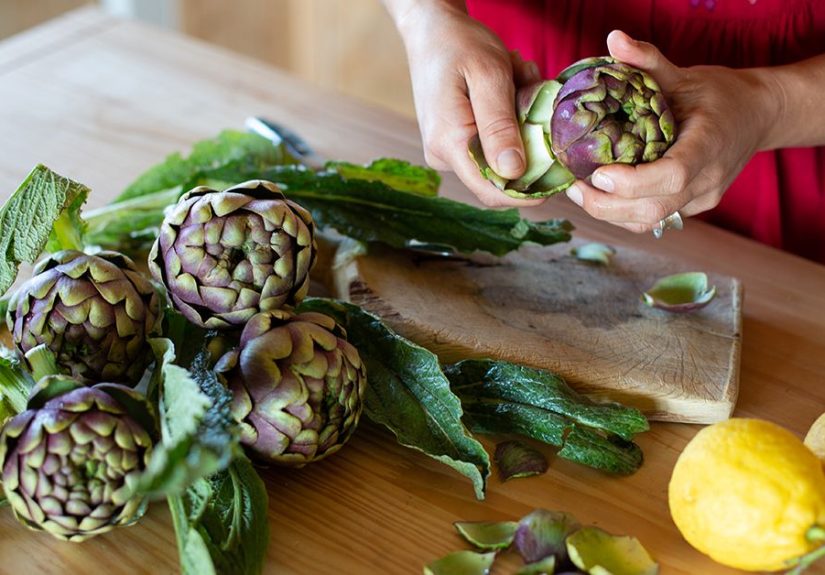
A globe artichoke is an unopened flower bud. The edible parts are the tender base of the leaves, the stem’s inner core,
and the famous artichoke heart. The fuzzy “choke” in the center is not ediblethink of it as nature’s packing material.
The flavor is earthy, slightly nutty, and buttery in a way that makes melted butter feel like it’s finally met its soulmate.
How to Choose and Store Artichokes Like You Know What You’re Doing
Pick the right ones
- Go heavy: A good artichoke feels weighty for its size (more moisture = more tenderness).
- Look for tight leaves: Leaves should be compact, not splayed open and dry.
- Color is flexible: Green is common, but purple-tinged varieties can be just as great.
Store them properly
Artichokes are perishable. Keep them cold and slightly humid. At home, a simple approach is to refrigerate them in a loose
plastic bag. If you want to be extra, you can store them stem-side down in a jar with water (like herbs), changing the water daily.
Either way, try to cook them within a few days for the best texture and flavor.
Tools You’ll Want (None of Them Are Scary)
- A sturdy chef’s knife or serrated knife (artichokes are not here for flimsy blades)
- Kitchen shears (for snipping thorny tips)
- A lemon (or vinegar) + a bowl of water (for anti-browning “spa treatment”)
- A spoon (for removing the choke)
- Optional: gloves (some cooks prefer them to avoid staining and bitterness on hands)
Prep Basics: Clean, Trim, and Prevent Browning
Step 1: Rinse like you mean it
Rinse under cold water and rub between leaves to remove any natural film or grit.
Step 2: Make “acidulated water”
Fill a bowl with cold water and squeeze in lemon juice (or add a splash of vinegar). This helps slow browning while you prep.
Keep a lemon half nearby to rub on cut surfaces.
Step 3: Trim for your cooking method
For whole steamed/boiled artichokes (classic side dish):
- Trim the stem end (leave about 1/2–1 inch, or remove entirely if needed for stability).
- Cut off the top: slice about 1/2–1 inch from the top to remove tough tips.
- Snip sharp leaf tips with kitchen shears (optional but friendlier for eating).
- Rub cut areas with lemon or briefly dip in your lemon water.
For halved artichokes (roasting or grilling):
- Trim as above, then cut the artichoke in half lengthwise.
- Use a spoon to scoop out the fuzzy choke and any spiky inner leaves.
- Keep halves in lemon water until cooking.
For baby artichokes (fastest side dish):
Baby artichokes are smaller, more tender, and often have little to no choke. You’ll still remove tough outer leaves,
trim the top, and peel the stem, but you usually don’t need major surgery.
Method 1: Steamed Whole Artichokes (The Classic Vegetable Side)
If you want a dependable, crowd-pleasing side: steam them. Steaming keeps the flavor clean and the leaves tender,
and it pairs perfectly with dips.
How to steam
- Add 1–2 inches of water to a pot. Toss in lemon halves, garlic cloves, parsley stems, or bay leaf if you want gentle aroma.
- Set a steamer basket in the pot (water should not touch the basket).
- Place artichokes in the basket, cover, and steam at a steady simmer.
How long to steam
- Small to medium: about 25–35 minutes
- Large globe artichokes: about 35–45+ minutes
- Very large: sometimes up to 60 minutes, depending on size and freshness
Doneness test: a knife should slide into the base with little resistance, and an inner leaf should pull out easily.
Keep an eye on water level and add more hot water if needed.
Serving idea
Serve warm with lemon wedges and one dip (or three dips if you want to feel like a restaurant).
This is the rare side dish that doubles as entertainment.
Method 2: Boiled or Simmered Artichokes (Easy and Totally Legit)
Boiling works, especially if you want to season the cooking liquid. The trade-off: you can lose a little flavor into the water.
A gentle simmer helps.
How to boil/simmer
- Fill a pot with enough water to reach about halfway up the artichokes.
- Season the water: salt, lemon, garlic, bay leaf, peppercornswhatever fits your vibe.
- Simmer covered until tender (timing similar to steaming, depending on size).
Method 3: Roasted Artichokes (For People Who Like Crispy Edges)
Roasting transforms artichokes into a more “vegetable side dish” experience: browned edges, concentrated flavor,
and less of the leaf-by-leaf dip situationespecially with halves or baby artichokes.
Roasted artichoke halves (weekend-worthy)
- Prep and halve the artichokes; scoop out the choke.
- Brush with olive oil, season with salt and pepper, add garlic and lemon zest if you like.
- Roast cut-side down at 425°F until browned and tender, usually 25–40 minutes depending on size.
Roasted baby artichokes (weeknight-friendly)
Trim baby artichokes, halve them, toss with olive oil, garlic, salt, pepper, and a squeeze of lemon.
Roast until tender and brownedoften around 20–30 minutesthen finish with Parmesan or chopped herbs.
Method 4: Grilled Artichokes (Smoky, Charred, and a Little Fancy)
For large artichokes, the best grilling strategy is: steam (or blanch) first, grill second.
This ensures tenderness and gives you char without raw crunch.
How to grill
- Steam whole artichokes until partially tender, then cool slightly.
- Halve and remove the choke. Brush with olive oil and season.
- Grill cut-side down for a few minutes until nicely charred; flip and grill briefly to finish.
For baby artichokes, you can often grill them more directly after trimming, since they cook faster and are more tender.
Fast Methods for Busy Humans
Microwave artichokes
Microwaving can steam artichokes surprisingly well. Place a trimmed artichoke in a microwave-safe bowl with a little water,
cover, and microwave until tender. Timing varies widely by microwave strength and artichoke size, but it’s often under 15 minutes.
Pressure cooker / Instant Pot artichokes
Pressure cooking is the speed champion. Many guides land in a broad range of roughly 5–15 minutes at high pressure
depending on size, plus time to come to pressure and release. Some Instant Pot methods run longer (around 20 minutes) for very large artichokes.
Use a trivet, add water and aromatics, and place artichokes upright or upside downeither works as long as steam circulates.
Turning Artichokes into a Real “Side Dish” (Not Just a Dip Delivery System)
Whole steamed artichokes are iconic, but if you want artichokes to behave like other vegetables on the plate, focus on
hearts, stems, and baby artichokes.
Quick sautéed artichoke side (using hearts)
Use canned (not marinated) or frozen artichoke hearts for speed:
- Pat hearts dry (this helps browning).
- Sauté in olive oil until lightly golden.
- Add sliced garlic, a pinch of chili flakes, and a squeeze of lemon.
- Finish with parsley and a sprinkle of Parmesan.
This lands as a crisp-tender, briny, lemony vegetable side that pairs with chicken, fish, or pasta.
Simple braised artichokes (cozy side)
Halved artichokes or hearts can be gently braised with olive oil, white wine (or broth), garlic, and herbs until silky-tender.
This method builds flavor in the pan and feels “special” without being complicated.
Best Dips and Sauces for Artichokes
You can absolutely eat artichokes plain, but dips are part of the joy. Think of them as a built-in excuse to eat sauce politely.
3 quick favorites
- Lemon-garlic butter: Melt butter, add grated garlic, lemon juice, salt, pepper.
- Fast aioli: Mayo + lemon + grated garlic + pinch of salt. Optional: Dijon or smoked paprika.
- Balsamic vinaigrette: Olive oil + balsamic + mustard + salt and pepper (great with steamed or grilled).
How to Eat a Whole Artichoke (Without Looking Like It’s Your First Rodeo)
- Pull off an outer leaf.
- Dip the base of the leaf into your sauce.
- Scrape the tender part off with your teeth (don’t eat the whole leafmost of it is fibrous).
- Repeat until you reach the pale inner leaves.
- Remove the inner cone and scrape away the fuzzy choke.
- Enjoy the heart and the tender stemthis is the grand finale.
Common Mistakes (And How to Avoid Artichoke Regret)
1) Undercooking
If leaves fight you like a stubborn jar lid, keep cooking. Tenderness is the goal.
2) Letting cut artichokes brown
Use lemon water and rub exposed surfaces with lemon. Browning won’t ruin flavor, but it can look… tired.
3) Forgetting the choke
The choke is not edible. If you’re serving halves, remove it before serving. If serving whole, remove it once you get there.
4) Skipping stem prep
The stem is delicious when peeled. Think of it as the heart’s bonus track.
Nutrition Notes (Because This Is the Internet and Someone Will Ask)
Artichokes are known for being fiber-rich and nutrient-dense. They also contain antioxidants and provide a mix of vitamins and minerals.
If you’re sensitive to certain high-fiber foods, start with a smaller portion and see how you feel.
Conclusion: Your New Go-To “Impressive But Easy” Side
Preparing artichoke as a vegetable side is less about complicated technique and more about choosing your format:
whole for the classic dip-and-nibble experience, or halves/hearts/baby artichokes for a more traditional side dish.
Steam for reliability, roast for drama, grill for summer swagger, and pressure-cook when you need dinner in a hurry.
Once you do it a couple times, artichokes stop being intimidating and start being what they really are:
a delicious vegetable with built-in pacingbecause it forces you to slow down and actually enjoy the side dish.
Kitchen Experiences: The Stuff You Learn After a Few Artichokes (About )
Most people’s first artichoke experience follows a predictable arc: excitement, confusion, a brief moment of “Is this thing edible?”
and then sudden devotion once the heart shows up. If you’re new to making artichokes, here are the most common real-kitchen lessons
cooks run intoplus what they usually do next time.
Lesson one: the prep looks dramatic, but it’s mostly trimming. The spiky tips can feel like the artichoke is trying
to win a fight it started, but kitchen shears tame that quickly. After one round of snipping, many cooks realize the “hard part”
took five minutesand the rest was just waiting for steam to do its job.
Lesson two: lemon water is the difference between “fresh” and “sad beige-green.” The first time someone halves artichokes
without acidulated water, the color change can be startlinglike the vegetable aged 10 years in 10 minutes. The second time, they keep a bowl
of lemon water next to the cutting board and dunk pieces as they go. It’s a tiny habit that makes you feel weirdly professional.
Lesson three: don’t trust the clocktrust the leaf. Artichokes vary in size, density, and freshness, so timing is always a range.
New cooks often pull them early, hoping for “al dente.” Artichokes do not do al dente. When the inner leaves pull out easily and a knife slides into
the base without resistance, you’re there. After a couple tries, people stop asking “How many minutes?” and start asking “How does it feel?”
(Congratulations, you’ve become a real cook.)
Lesson four: the stem is not trash. Many first-timers chop the stem off entirely for convenience. Then they learn the peeled stem
has sweet, tender flesh that tastes like the heart’s close cousin. The next batch gets the “peel and keep” treatment, and suddenly artichokes feel
like a better deal because you’re eating more of what you bought.
Lesson five: artichokes are social food. When served whole with a dip, people naturally slow downpull, dip, scrape, repeat
and the table gets chatty. Cooks often notice it’s a side dish that creates a mood. For weeknights, though, many switch to roasted halves or sautéed hearts
because it’s faster to eat and easier to portion.
Lesson six: dips are where personalities show up. Some households are “melted butter forever.” Others become devoted to lemon-garlic mayo.
Someone always tries a tangy vinaigrette and insists it’s “lighter” (while dipping just as enthusiastically). Over time, people settle into a signature combo
like garlic butter plus a squeeze of lemon, or mayo with mustard and smoked paprikasomething they can whip up without measuring. That’s when artichokes stop being
a special project and become a regular rotation side.
In the end, the most common experience is this: the first artichoke feels like a puzzle, the second feels like a routine, and by the third you’re casually buying
them at the store like you’ve been doing this your whole life. That’s the artichoke effectmysterious at first, then weirdly addictive.