Table of Contents >> Show >> Hide
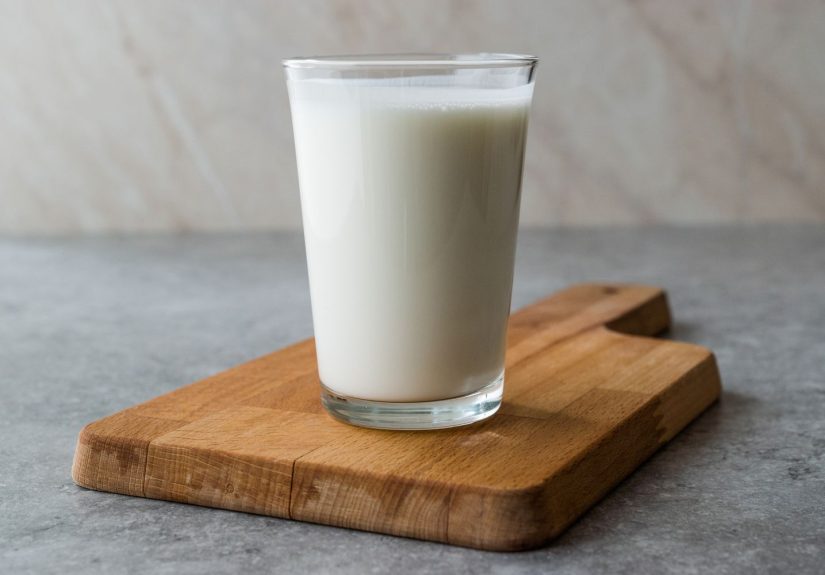
Buttermilk has one of the great identity problems in the dairy aisle. It sounds like it should be buttery, rich, and ready to sabotage your wellness goals in a tiny tuxedo of cream. In reality, the cultured buttermilk most Americans buy today is usually a tangy fermented dairy drink made from low-fat or reduced-fat milk with added bacterial cultures. That means it can bring some genuinely useful nutrition to the table without showing up like a dessert pretending to be a beverage.
So, is buttermilk good for you? The most honest answer is: it can be. Buttermilk offers protein, calcium, phosphorus, potassium, and, in some products, live cultures from fermentation. Those features may support bone health, digestion, fullness, and even heart-friendly eating patterns. At the same time, buttermilk is not a magic potion, not automatically probiotic, and not the best fit for everyone. Some cartons are fairly high in sodium, and anyone with a milk allergy or significant lactose sensitivity needs to be careful.
In other words, buttermilk deserves a measured round of applause, not a parade. Here is a closer look at the potential health benefits of buttermilk, what the science suggests, and where the nutrition halo should probably calm down and take a seat.
What Exactly Is Buttermilk?
Traditional buttermilk was the liquid left behind after churning cream into butter. Modern store-bought buttermilk is usually cultured buttermilk, which is made by fermenting milk with lactic acid bacteria. That fermentation gives buttermilk its signature tangy flavor and slightly thicker texture.
This matters because fermented dairy behaves differently from regular milk. Fermentation changes the flavor, lowers the pH, and may alter how some people tolerate the product. It can also create compounds that researchers are actively studying for possible benefits related to digestion, blood pressure, and lipid metabolism.
Still, one carton is not exactly the same as the next. Some brands are reduced-fat, some are low-fat, some include stabilizers, and some may contain live cultures while others are mainly cultured for texture and flavor. So before anyone crowns buttermilk the king of gut health, it is smart to check the label instead of trusting the word “cultured” to do all the heavy lifting.
Nutrition Snapshot: Why Buttermilk Gets Attention
Depending on the brand and fat level, a cup of cultured buttermilk generally lands somewhere around 100 to 140 calories, with about 8 to 10 grams of protein. It can also provide a solid amount of calcium, plus potassium and phosphorus. Those nutrients are a big part of why buttermilk keeps popping up in nutrition conversations.
Here is the practical takeaway: buttermilk is not especially high in fiber, and it is not a standout source of every vitamin under the sun, but it can be a nutrient-dense choice for people who tolerate dairy well. It offers more than just flavor. It contributes meaningful nutrition in a relatively modest calorie package, especially when compared with creamier dairy products or sugary drinks that bring excitement but very little nutritional backup.
Potential Health Benefits of Buttermilk
1. It May Support Bone Health
The strongest, least dramatic, and most evidence-backed case for buttermilk is its role as a dairy food that contributes calcium, protein, and phosphorus. Those nutrients are important for maintaining bones and teeth, and they work best as part of an overall eating pattern that consistently supplies them.
Calcium gets most of the headlines, but it does not work alone. Protein helps support the structure of bone, while phosphorus also plays a role in bone mineralization. If you are someone who struggles to meet calcium needs, a serving of buttermilk can help close the gap without requiring you to chew your way through a mountain of kale the size of a decorative shrub.
That does not mean buttermilk is superior to all other dairy foods. Yogurt, milk, and some cheeses can also do the job. But if you like the tangy flavor of buttermilk, it can be one more useful option in a bone-friendly diet.
2. It May Be Easier to Digest Than Regular Milk for Some People
Fermented dairy products are often easier for some people to tolerate than plain milk. That is because the fermentation process changes the milk somewhat, and bacterial cultures can help break down part of the lactose. The key phrase here is for some people. Buttermilk is not lactose-free, and it will not behave like a magical loophole in the laws of digestion.
Still, if regular milk leaves you feeling like your stomach is filing a complaint, cultured buttermilk may be worth trying in a small amount. Some people find they tolerate fermented dairy better, especially when it is part of a meal rather than consumed alone.
If you have true lactose intolerance, it is best to test your tolerance carefully. If you have a milk allergy, buttermilk is not safe. “Fermented” does not cancel out “dairy,” much as the dairy aisle might sometimes enjoy pretending otherwise.
3. It May Offer Gut-Friendly Benefits
Because buttermilk is a fermented dairy food, it is often discussed alongside yogurt and kefir in conversations about gut health. Fermented foods may help support a healthier gut environment, and probiotics have been linked to digestive and broader health effects in certain contexts.
But here is the nuance: not every buttermilk product is a probiotic powerhouse. Some grocery-store buttermilk may not contain meaningful amounts of live active cultures by the time you drink it. That means the gut-health story depends heavily on the specific product. If gut support is your goal, look for wording such as “live and active cultures” on the label.
Even then, buttermilk should be viewed as a helpful food, not a miracle fix. Gut health depends on the whole pattern: fiber intake, overall diet quality, hydration, sleep, and medical conditions all matter. Buttermilk can join the team, but it is not supposed to run the entire offense.
4. It Can Help With Fullness and Balanced Meals
Protein is one reason buttermilk may help support satiety. A cup with roughly 8 to 10 grams of protein is not a bodybuilder’s fantasy, but it is enough to make a snack or meal more satisfying. Paired with fruit, oats, nuts, or a whole-grain meal, buttermilk can help turn random eating into actual eating.
This is especially useful for people who want a creamy ingredient without using heavy cream or a high-sugar coffee drink masquerading as breakfast. Buttermilk can work in smoothies, dressings, marinades, soups, and overnight oats. It adds body and tang while also bringing protein and minerals to the mix.
In recipes, buttermilk also shines because it can deliver flavor without needing as much added fat. It is the culinary equivalent of the person at the party who is both charming and strangely practical.
5. It May Fit Into a Heart-Healthy Eating Pattern
Buttermilk contains potassium, a mineral that helps counterbalance sodium’s effects on blood pressure as part of an overall healthy diet. Low-fat dairy foods also appear in well-known blood pressure-friendly eating patterns such as DASH. That does not prove buttermilk alone will lower blood pressure, but it does suggest it can fit into a smart plan.
There is also some intriguing research on buttermilk itself. A small human study found that short-term buttermilk consumption reduced systolic blood pressure modestly. That is interesting, but it is not enough to claim that buttermilk is a stand-alone blood pressure treatment. It is better to view this as a promising clue rather than a final verdict written in dairy ink.
One important catch: some buttermilk products contain a noticeable amount of sodium. So if you are choosing buttermilk for heart health, read the label. A food can be nutritious and still come with a “please do not drink half the carton in one sitting” footnote.
6. It Contains Fermented Dairy Compounds Researchers Are Still Exploring
One of the most interesting areas of research involves components in buttermilk linked to the milk fat globule membrane, often shortened to MFGM. Scientists are studying whether these compounds may have helpful effects related to cholesterol metabolism, gut barrier function, and inflammation.
That research is promising, but it is still an area where careful wording matters. The evidence is not strong enough to say your next glass of buttermilk is going to march into your bloodstream and reorganize your cholesterol with military precision. What we can say is that buttermilk contains bioactive dairy components that researchers find interesting, and early findings support the idea that it may offer benefits beyond basic nutrition.
Who Should Be Careful With Buttermilk?
Sodium Can Sneak Up on You
Some buttermilk products are higher in sodium than people expect. If you are watching your blood pressure or following a lower-sodium diet, compare labels before buying. A tangy drink should not become a stealth salt delivery system.
It Is Not Safe for Milk Allergy
Anyone with a cow’s milk allergy should avoid buttermilk. Fermentation does not remove the milk proteins that trigger allergic reactions.
Lactose Intolerance Still Matters
Buttermilk may be easier to tolerate than regular milk for some people, but it is not lactose-free. Small servings are often the safest place to start if you are experimenting.
Choose Pasteurized Products
Pasteurization matters for food safety. Pregnant people, older adults, young children, and anyone with a weakened immune system should be especially careful to choose pasteurized dairy products.
Best Ways to Enjoy Buttermilk Without Overcomplicating Your Life
If drinking a glass of buttermilk straight sounds appealing, congratulations: you are either delightfully old-school or much braver than the average person. For everyone else, here are easier ways to use it:
- Blend it into smoothies with fruit and oats.
- Use it in salad dressings for a creamy tang with less heaviness than cream-based options.
- Stir it into soups for richness and acidity.
- Use it in marinades, especially for chicken, where its acidity can help tenderize protein.
- Add it to pancake, biscuit, or muffin batter for flavor and texture.
The healthiest use depends on what else is happening in the recipe. Buttermilk in a berry smoothie is one story. Buttermilk in a triple-cheese casserole that arrives with a side of bacon and denial is another story entirely.
What Real-Life Experiences With Buttermilk Often Look Like
When people add buttermilk to their routine, the experience is usually less dramatic than social media makes it seem, and that is probably a good thing. Most of the positive experiences are practical. Someone swaps buttermilk into a breakfast smoothie and notices it keeps them fuller than juice. A home cook uses it in a ranch-style dressing and finds the flavor tangier, fresher, and lighter than using heavy cream or extra mayonnaise. A baker keeps a carton around for pancakes, biscuits, and marinades, then realizes it also works as an easy protein-and-calcium boost in everyday meals.
Another common experience is that buttermilk feels easier on the stomach than regular milk for some people. Not everyone, of course. But there are people who say plain milk leaves them bloated while a smaller amount of cultured dairy feels more manageable. Often, that is most noticeable when buttermilk is consumed with food rather than by itself. Think of it as a team player rather than a solo act. A small glass with lunch, or buttermilk whisked into oatmeal or a smoothie, tends to go over better than chugging a large cold mug like it is the grand prize in a dairy obstacle course.
People interested in healthy eating also tend to appreciate buttermilk’s “quiet nutrition.” It is not flashy. It does not come with neon wellness branding or a celebrity endorsement about moonlight, metabolism, and destiny. But it does bring protein, calcium, and a creamy texture that can make healthier meals feel more satisfying. That matters. Foods people actually enjoy tend to stick around. Foods that feel like punishment usually end up in the back of the fridge beside the mustard from 2022.
There are, however, some very real downsides people report. The first is taste. Buttermilk is tangy, and not in a shy way. If you love yogurt, kefir, or other fermented dairy, that tartness may feel refreshing. If your palate only accepts sweet, neutral, or dessert-like dairy, the first sip can be a surprise. A memorable one. The second issue is sodium. Some people buy buttermilk assuming it is automatically a heart-health hero, then discover the label is more complicated than expected. The third issue is that some people simply do not tolerate it well. Fermented or not, dairy is still dairy.
In day-to-day life, the best experiences with buttermilk usually happen when expectations are realistic. People do well when they treat it as a useful fermented dairy food, not a cure-all. They use it in meals they already enjoy, choose pasteurized products, check for live cultures if that matters to them, and watch the sodium on the label. In that role, buttermilk can be genuinely helpful: flavorful, versatile, and nutritionally solid. Not magical, not trendy, not guaranteed to transform your health by Tuesday, but useful in a very grown-up, very sustainable way.
Final Thoughts
The potential health benefits of buttermilk are real, but they are also best understood in context. Buttermilk can provide calcium, protein, potassium, and other nutrients that support a healthy diet. As a fermented dairy food, it may be easier to digest than regular milk for some people and may offer gut-friendly benefits when it contains live cultures. Early research on buttermilk’s unique dairy compounds is also promising, especially in areas like cardiovascular and digestive health.
At the same time, buttermilk is not a universal fit. It may contain more sodium than expected, it is not appropriate for milk allergy, and it is not automatically probiotic just because the carton looks wholesome and uses a friendly font. The smartest move is to treat buttermilk as one nutritious option among many, not as a nutritional superhero wearing a dairy cape.
If you enjoy the flavor and tolerate dairy well, buttermilk can absolutely earn a place in a balanced diet. And honestly, any food that can support nutrition while also making pancakes better deserves at least a little respect.