Table of Contents >> Show >> Hide
- What Color Is Pale Powder No. 204?
- Why Pale Powder Looks Different in Every Room
- Where Pale Powder No. 204 Works Best
- Choosing the Right Finish for Pale Powder
- How to Sample Pale Powder Like a Pro
- Best Pairings and Styling Ideas for Pale Powder
- Common Mistakes to Avoid With Pale Powder
- 500-Word Experience Section: What Living With Pale Powder No. 204 Actually Feels Like
- Final Thoughts
If paint colors had personalities, Pale Powder No. 204 would be the elegant friend who somehow looks polished in every photo without trying. It’s soft, airy, and calmbut not boring. It can look whisper-light in one room, then turn into a gentle blue-green in another. In other words: it’s the kind of color that makes homeowners fall in love and then immediately start overthinking every trim, tile, and lightbulb in the house.
This guide breaks down what makes Farrow & Ball Pale Powder No. 204 special, where it works best, which finishes make the most sense, and how to avoid the classic “I swear this looked different on the sample card” moment. You’ll also get practical ideas for bedrooms, bathrooms, ceilings, cabinets, and trimplus a longer real-world experiences section at the end to help you picture how this color behaves in actual homes, not just in dreamy staged photos.
What Color Is Pale Powder No. 204?
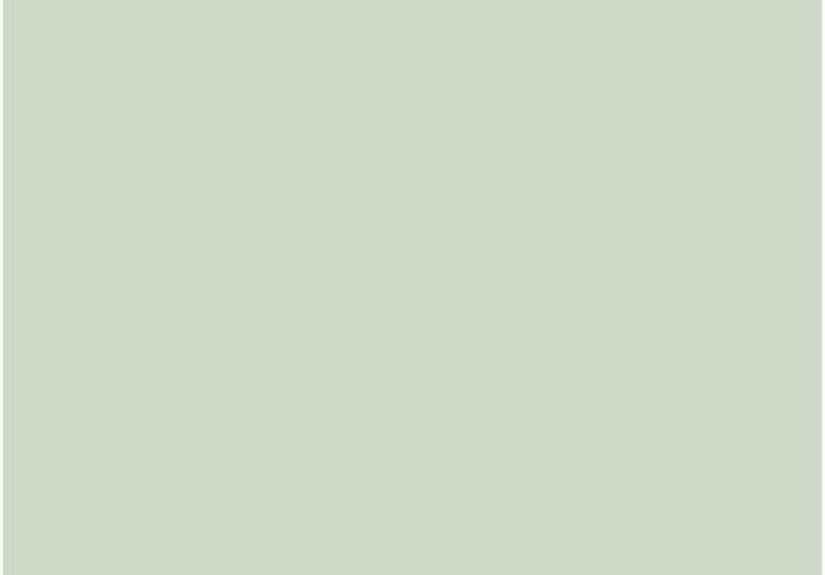
Pale Powder No. 204 is a soft aqua with green pigment underneath, which is exactly why it feels more nuanced than a simple pale blue. It sits in that sweet spot between airy and cozy: fresh enough to brighten a room, but muted enough to act like a neutral in the right setting.
One of the reasons this color has such a loyal following is that it doesn’t scream “look at me.” Instead, it creates a calm backdrop and lets the room’s materials do the talkingthink white trim, warm wood, brass hardware, painted cabinetry, woven textures, and stone counters. It’s especially good for people who want a color that feels gentle and lived-in rather than sharp or trendy.
There’s also a subtle old-house charm to it. Pale Powder feels classic, which is probably why it works beautifully in traditional homes, cottage-style interiors, and rooms with architectural details. But don’t underestimate it in modern spaces. Pair it with clean lines and matte black accents, and it suddenly reads refined and contemporary.
Why Pale Powder Looks Different in Every Room
It’s all about undertones
Pale Powder is often described as aqua, but the green undertone is the secret sauce. That green keeps it from going icy, sterile, or flat. In many rooms, especially bright ones, it can look almost like a tinted white. In dimmer rooms, or spaces with cooler natural light, the blue-green identity becomes more obvious.
Light direction matters more than people think
Natural light changes paint color all day, and soft shades like Pale Powder are especially sensitive to that shift. In north-facing rooms, cooler light can mute the color and make it read grayer. In east-facing rooms, morning light may make it feel fresher and brighter, while later in the day it can soften considerably. Artificial lighting also changes the result, especially warm bulbs versus cooler LEDs.
That’s not a flawit’s part of the charm. Pale Powder is a color with movement. If you love subtle variation and rooms that feel different from morning to evening, this paint is a winner. If you want a color that stays exactly the same 24/7, you may prefer a flatter neutral with fewer undertone shifts.
Where Pale Powder No. 204 Works Best
Bedrooms
Pale Powder is excellent in bedrooms because it creates a soft, restful mood without going dull. It feels lighter than many sage tones and warmer than many pale grays, so it’s a strong option for anyone chasing a calm atmosphere that still has personality.
Try it on all walls with white trim for a classic look, or extend it onto the ceiling for a cocooned feel. In smaller bedrooms, it can make the room feel airy rather than cramped, especially when paired with warm white bedding and natural wood tones. In larger bedrooms, it keeps the space from feeling cold or echoey.
Bathrooms and powder rooms
This is one of Pale Powder’s best stages. The color’s soft aqua character feels clean and light, which naturally suits bathrooms. It also pairs beautifully with marble, white tile, brushed nickel, polished chrome, and unlacquered brass. If you want a spa-like look without going full white, this is a smart choice.
For busy bathrooms, durability matters just as much as color. A washable finish designed for moisture-prone spaces is a practical move. If the walls are bumpy or older, keep in mind that shinier sheens can highlight imperfectionsso prep work matters.
Ceilings
Yes, ceilings. Pale Powder is one of those colors that can look unexpectedly beautiful overhead, especially in bedrooms, guest rooms, and smaller baths. A pale blue-green ceiling can visually lift a room while still feeling soft. It’s a subtle design move, but it adds character fast.
If you’re nervous about committing to all four walls, a ceiling is a fun way to test the color’s personality. It’s also a smart trick in rooms where you want a little color but don’t want the walls to carry all the drama.
Cabinetry and built-ins
Pale Powder can look fantastic on cabinets, especially in kitchens, laundry rooms, and bathroom vanities. On cabinetry, it reads a little more intentional and decorative than on large wall expanses. Pair it with warm brass hardware for a timeless look, or go with chrome/nickel for something crisper.
The important thing here is finish selection. Cabinets take a beating, and a more durable sheen is usually the right call. Also, sand and prep carefullythe shinier the finish, the more it will show every bump, dent, and questionable DIY decision from 2014.
Choosing the Right Finish for Pale Powder
Color gets all the attention, but finish (sheen) is what decides whether your room looks soft, polished, dramatic, or accidentally sticky. With a subtle color like Pale Powder, sheen matters even more because it changes how much light the paint reflectsand that changes how the color appears.
Low-sheen options for a soft, powdery look
If you want the color to look muted, gentle, and velvety, choose a lower sheen such as matte or a similar low-luster finish. This works especially well in bedrooms, formal living spaces, and ceilings. It also helps disguise minor wall imperfections.
The trade-off? Lower sheens are generally less scrubbable than satin or semi-gloss. That’s fine for low-traffic spaces, but less ideal for walls that see moisture, fingerprints, or regular cleaning.
Mid-sheen options for everyday walls
Eggshell and satin are the workhorses of the paint world. They give you a soft sheen, better durability, and easier cleaning than flat or matte finishes. If you’re using Pale Powder in a hallway, family room, or frequently used bedroom, these finishes often strike the best balance.
Another bonus: a slight sheen can help Pale Powder reflect a bit more light, which makes it feel brighter and cleaner in darker spaces. Just remember that more sheen means more visibility for wall texture.
Higher sheens for trim, cabinets, and moisture-prone spaces
For trim, doors, and cabinets, semi-gloss (or even gloss in some cases) is usually the practical choice because it’s more durable and easier to wipe clean. In bathrooms and kitchens, a tougher finish is often worth it, especially for surfaces that deal with steam, splashes, or heavy use.
But here’s the design catch: higher sheen increases reflectivity, which can make Pale Powder look a little brighter or cooler depending on the room. It can also spotlight imperfect surfaces. Translation: prep first, celebrate later.
How to Sample Pale Powder Like a Pro
If you skip sampling and go straight to painting the whole room, you are braver than mostand possibly headed for a very expensive lesson. Pale Powder is subtle enough that lighting, flooring, and sheen can all shift the final look. Sampling is not optional here. It’s part of the process.
Test more than one sheen
People usually sample color and forget finish. Don’t. A matte version and a satin version of the same color can look surprisingly different on the wall. If you’re torn between finishes, test both.
Paint larger swatches than you think you need
Tiny brushouts don’t tell the full story. Paint larger sample areas (or sample boards) and apply enough coats to get a realistic result. Place them near key room elements like tile, countertops, flooring, bedding, or trim.
Check it at different times of day
Morning light, cloudy afternoons, warm lamp light, and nighttime overhead lighting all change this color. Spend at least a full day watching the sample. Pale Powder may look almost gray at one hour and beautifully aqua by dinner. That’s normal.
Look at adjacent rooms too
Paint doesn’t exist in isolation. If your hallway opens into a kitchen, or your bathroom connects to a bedroom, the surrounding colors affect how Pale Powder will read. Walk around and look at the sample from different angles before deciding.
Best Pairings and Styling Ideas for Pale Powder
Whites and trim colors
Pale Powder looks especially elegant with soft whites rather than stark blue-toned whites. A creamy white trim can make the room feel warmer and more traditional. A cleaner white can make it feel brighter and more tailored. Either can workthe choice depends on the mood you want.
If you want a safe pairing, start with a warm white trim and repeat that white in bedding, curtains, or towels. That creates a cohesive palette and helps the color feel intentional instead of random.
Metals and hardware
This shade plays well with a lot of metals. Brass gives it warmth and a slightly vintage look. Chrome and polished nickel feel clean and classic. Black hardware adds contrast and can make the color read more modern. If you can’t decide, remember this rule: warm metals make Pale Powder feel softer; cool metals make it feel crisper.
Materials and textures
Because Pale Powder is gentle, it loves texture. Think linen curtains, natural wood furniture, rattan accents, beadboard, stone tile, and woven baskets. These layers keep the room from feeling too pastel or flat.
It also pairs well with other muted colorssoft grays, creamy whites, dusty pinks, and deeper blue-greens. If you want a little contrast, add one darker anchor color through a vanity, rug, or accent chair.
Common Mistakes to Avoid With Pale Powder
1) Using the wrong sheen for the room
Pale Powder can look gorgeous in almost any finish, but the room needs to drive the decision. Bathrooms, kitchens, and cabinets need more durability. Bedrooms and ceilings can get away with lower sheen. Choosing purely by appearance can backfire fast.
2) Ignoring wall prep
This color is forgiving in lower sheens, but not magical. On trim, cabinetry, or semi-gloss applications, dents and uneven surfaces will show. Patch, sand, prime, and clean before paintingespecially in older homes.
3) Judging the color from one light condition
If you sample at noon and buy at 12:15, you might be surprised at 7 p.m. Pale Powder shifts with light. Always check it throughout the day and under your actual bulbs.
4) Pairing it with the wrong white
A stark white can make Pale Powder feel cooler than expected. A warmer white can bring out its softness. Test trim and wall colors together before making a final choice.
500-Word Experience Section: What Living With Pale Powder No. 204 Actually Feels Like
In real homes, Pale Powder No. 204 tends to win people over slowly, then completely. At first glance, many homeowners expect a straightforward pale blue. But once it’s on the wall, the color starts doing what subtle paints do best: it responds to the room. In a bright bedroom with white curtains and light oak furniture, it can look nearly like a clean off-white with a soft sea-glass cast. The room feels calmer without looking obviously “painted a color,” which is exactly why so many people end up loving it.
In bathrooms, the experience is often even better. Pale Powder has a way of making tile look more expensive, especially white subway tile, marble-look porcelain, or older neutral tile that needs a little help. Homeowners often describe the space as fresher, softer, and more finished after painting. It doesn’t fight with mirrors, metal fixtures, or vanity colors, which makes decorating easier. Towels, art, and hardware all seem to work with it, not against it.
Another common experience is the “lighting surprise”and this is usually a good thing. In north-facing rooms, Pale Powder can look moodier and more gray-green, which some people end up preferring because it feels sophisticated and quiet. In rooms with stronger sun, it brightens and shows more of its aqua personality. This shift can make a home feel more dynamic, as if each room has its own version of the same color story.
People also notice how flexible the color is during decorating changes. Swap brass for chrome? Still works. Change bedding from white to oatmeal linen? Still works. Add black frames or a dark wood dresser? Still works. That adaptability is a huge advantage for anyone who likes to refresh a space without repainting every time a mood board changes.
Where people run into trouble is usually not the color itselfit’s the finish or prep. A rushed cabinet paint job in a shiny finish can make every little dent stand out. A bathroom painted in a low-durability finish may look beautiful for a month and then become annoying to clean. And if someone skips sampling, Pale Powder can seem “too gray” or “too blue” simply because the room lighting wasn’t considered. Most disappointment comes from process, not pigment.
Designers and DIYers who have the best results usually do three things: they test the color in the actual room, they choose the sheen based on function, and they pair it with a white trim that supports the mood they want. Once those pieces are in place, Pale Powder tends to feel timeless. It doesn’t dominate the room, but it absolutely changes the atmosphere. It’s the kind of paint color people mention casually to gueststhen end up being asked for the name before dessert.
Final Thoughts
Pale Powder No. 204 is one of those rare paint colors that manages to be soft, stylish, and practical at the same time. Its blue-green character gives it personality, while its muted tone keeps it versatile. It can work as a near-neutral on walls, a gentle statement on cabinetry, or an elegant surprise on ceilings.
The key is to treat it like a living color: sample it carefully, watch it in your light, choose the right sheen for the room, and pair it with trim and materials that support the look you want. Do that, and Pale Powder won’t just look pretty on a swatchit’ll make your whole space feel better.