Table of Contents >> Show >> Hide
- What Exactly Is the Noguchi 30A?
- Why Everyone Keeps Falling for Akari
- Materials and Craft: Why the 30A Looks So Good in Real Homes
- Where the 30A Works Best
- Light Quality: What the Glow Actually Feels Like
- Installation: Hardwired vs Plug-In (and what to expect)
- How to Buy Smart: Authenticity, Lookalikes, and “Why Is This One $40?”
- Care and Maintenance: Keeping Your Paper Lantern Looking Fresh
- Design Tips: Making the 30A Look Like It Belongs There
- The Cultural Side: More Than “Pretty Lighting”
- Conclusion
Some lights walk into a room and loudly announce, “I am a lighting fixture.” The Noguchi Ceiling Lamp – 30A walks in and quietly
whispers, “I’m a tiny moon that learned how to pay rent.” It’s part of Isamu Noguchi’s famous Akari light sculpturespaper lanterns that
somehow manage to be soft, sculptural, modern, and timeless all at once.
If you’ve ever wanted your ceiling to look a little more “museum gift shop chic” (in the best way), the Akari 30A is a strong contender. It’s compact,
warm, and mood-friendlylike a candle, but with fewer fire-department opinions.
What Exactly Is the Noguchi 30A?
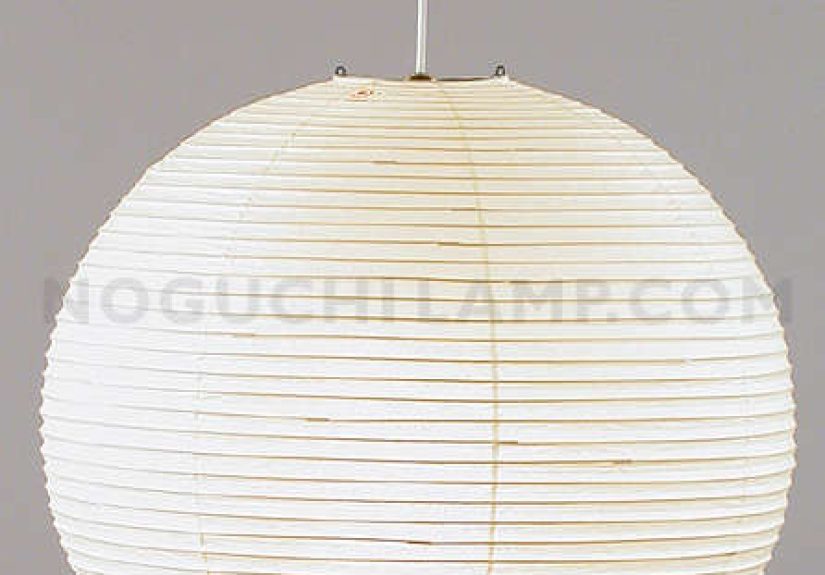
The Akari 30A is a small Noguchi ceiling lamp (sometimes described as a pendant/ceiling lantern) with a rounded,
lantern-like silhouette. It’s designed to hang from the ceiling and glow through handmade paper, creating the kind of light that makes people say,
“Why does this room feel nicer?” even if nothing else has changed.
Size-wise, it’s delightfully manageable: roughly 11 inches (about 28 cm) in diameter and 11 inches (about 30 cm) in height. In other words,
it’s not trying to be a chandelier. It’s trying to be a vibe.
Why Everyone Keeps Falling for Akari
Akari’s origin story: art meets everyday life
Noguchi began designing Akari light sculptures in the early 1950s after visiting Gifu, Japan, a place known for traditional lantern-making.
His big idea wasn’t just “make a pretty lamp.” It was “make sculpture you can live with”a functional object that still feels like art.
Akari also carries a quiet “design with purpose” legacy. Writers and historians have noted that part of the project was connected to revitalizing
Japanese craft industries after World War IImeaning your gorgeous ceiling lamp has a backstory that’s deeper than “I saw it on Instagram.”
The meaning behind the word “Akari”
“Akari” is a Japanese word that means light, with associations not only to illumination but also to lightnessthe feeling of
something airy, floating, and not weighed down. The lamp’s job description is basically: “make the room brighter, and your brain calmer.”
Materials and Craft: Why the 30A Looks So Good in Real Homes
Washi paper + bamboo ribbing = the signature glow
Authentic Akari shades are made from handmade washi paper and a framework of bamboo ribbing, supported by a metal frame.
That combination is why the light looks so different from a basic paper lantern. Washi diffuses light in a way that feels warm and flattering,
like your living room just got a gentle blur filter.
Handmade construction (and why that matters)
The way an Akari shade is formed is part craft, part choreography: bamboo is shaped over molds, and paper is cut into strips and applied to the framework.
Once the form sets, the internal mold is removed. The result is lightweight, collapsible, and surprisingly durableso long as it’s treated like paper,
not like drywall.
Where the 30A Works Best
The Akari 30A is one of those rare “design classics” that doesn’t demand a museum-sized space. Because it’s compact, it’s easy to use in apartments,
small rooms, and awkward areas where you need overhead light but don’t want the ceiling to look like a hardware store aisle.
Great spots for a Noguchi ceiling lamp 30A
- Entryways and hallways: Adds softness to spaces that usually get stuck with the most unforgiving lighting choices.
- Breakfast nooks: Makes your bagel feel more artisanal, even if it came from the freezer.
- Bedroom corners: Especially good if you want ambient light without the “operating room” feeling.
- Small dining areas: Creates a centered glow without overpowering the table.
- Home office: As a warm overhead layerthen add a task lamp for actual work, because vibes don’t proofread spreadsheets.
Style compatibility: mid-century modern, Japandi, and beyond
The 30A plays well with mid-century modern lighting, Japandi, minimalist interiors, and even eclectic rooms that mix old and new.
Because it’s neutral and sculptural, it can act as a quiet anchor in a busy space or a soft focal point in a calm one.
Light Quality: What the Glow Actually Feels Like
The point of an Akari isn’t harsh brightnessit’s pleasant diffusion. The 30A’s paper shade spreads light in a way that reduces glare and adds
comfort. This is the kind of overhead lighting that doesn’t bully your furniture.
It’s especially useful if you’re trying to replace the dreaded “one ceiling light that makes everyone look tired.” The 30A won’t turn your room into a cave,
but it will help it feel calmer and more inviting.
Bulb basics (so you don’t accidentally make it look angry)
For most setups, a standard E26-base bulb works. Many people prefer LED bulbs for lower heat and efficiency, which is also kinder
to paper shades over time. Warm-white color temperatures usually complement the washi glow bestthink cozy, not dental appointment.
Installation: Hardwired vs Plug-In (and what to expect)
The Akari 30A is commonly sold with different wiring options depending on where you buy it. Some setups are designed for hardwiring into the ceiling,
while others can be configured as a plug-in pendant (useful if you rent or don’t want electrical work).
Assembly: less “DIY nightmare,” more “paper sculpture moment”
Akari shades typically arrive folded. Assembly is part of the charm: you expand the shade into shape, attach the hardware, and let it become a lantern.
It’s not difficult, but it does reward the kind of patience usually reserved for opening a fitted sheet without rage.
How to Buy Smart: Authenticity, Lookalikes, and “Why Is This One $40?”
Akari has been copied endlessly, and some replicas look… fine… until you see the real one. Authentic Akari pieces are associated with official channels like
museum shops, and they’re priced accordingly. The 30A often lands in the low-$200 range from official sellers, depending on wiring and availability.
Quick authenticity cues to keep in mind
- Provenance matters: Buying from established museum shops or recognized retailers reduces the guesswork.
- Construction details: The washi texture, bamboo ribbing, and overall finishing tend to look cleaner and more intentional on authentic pieces.
- Marking/branding: Akari has historically included identifiable markings/logos tied to the line (often discussed in museum and auction contexts).
Also: don’t feel guilty if you’re comparing options. The original is an investment in craftsmanship and design history. The dupe is a budget decision.
The only bad choice is the one that makes you hate your lighting every night.
Care and Maintenance: Keeping Your Paper Lantern Looking Fresh
Dust happens. Be gentle about it.
Treat the shade like what it is: paper. Use a soft duster or microfiber cloth, and avoid anything wet unless you enjoy living dangerously.
If you need a deeper clean, gentle dry methods are safest.
Avoid moisture-heavy zones
Paper lantern pendants are typically happiest in low-humidity areas. Bathrooms with steamy showers or kitchens with constant high heat/grease
can shorten the “pristine” phase. (If you must, place it away from direct steam and splatter zones.)
Design Tips: Making the 30A Look Like It Belongs There
Think in layers: ambient + task + accent
The 30A is excellent ambient light. Pair it with a task lamp (desk, reading corner) and maybe a small accent light (shelf, art wash)
and your room instantly looks more intentional.
Use it to soften hard materials
If your space has lots of glass, metal, tile, or sharp angles, a washi paper lamp is a cheat code. The texture and glow add warmth without adding clutter.
Small lamp, big impact: use multiples strategically
One 30A can be a statement in a small space. In a longer hallway or an open-plan area, multiple small Akaris can create rhythmlike little floating punctuation marks
that say, “Yes, I planned this.”
The Cultural Side: More Than “Pretty Lighting”
Noguchi’s work often sits at the intersection of cultures, craft, and modernism. Akari, in particular, has been discussed as a design object that carries meaning
beyond décortouching on identity, history, and the way objects travel through households and time. That’s part of why these lamps keep returning to popularity:
they’re simple, but not shallow.
Conclusion
The Noguchi Ceiling Lamp – 30A is proof that “small” can still be iconic. It’s sculptural but not precious, warm but not dim, and classic without feeling
like it’s trying too hard. If you want a ceiling light that makes your home feel calmer, kinder, and a little more curatedthis is a strong place to start.
Buy it because you love good design, because you want better light, or because you’re tired of overhead fixtures that act like interrogation tools.
Whatever your reason, the 30A has a special talent: it makes everyday rooms feel a little more human.
of Real-World Experiences With the Noguchi 30A
Living with an Akari 30A tends to be a “why didn’t I do this sooner?” experiencemostly because it changes the mood of a room in a way that’s hard to explain
until you see it at night. People often describe the glow as calming and gentle, the opposite of the sharp, overhead brightness that can make a space feel cold.
If you’ve ever turned on a ceiling light and immediately regretted all of your life choices, the 30A feels like emotional damage control in lantern form.
In small apartments, the 30A is especially satisfying because it gives you an overhead centerpiece without eating the room alive. It’s compact enough that it doesn’t
hang like a UFO over your head, but it still reads as intentional. In a hallway, it can make the walk from bedroom to kitchen feel less like a passageway and more like
part of the home. In a bedroom, it’s the kind of light you leave on during winding-down timescrolling, reading, talking, doing the nightly ritual of pretending tomorrow
will be less busy.
Owners also tend to notice how flattering it is. That sounds vain, but it’s practical: warm diffused light makes faces look softer, food look better, and interior
photos look less like “evidence.” If you’re the person who hosts friends and wants everyone to feel comfortable, the 30A is the sort of overhead lighting that encourages
people to linger. It doesn’t blast the room; it wraps it. The paper shade also adds texture during the day. Even when it’s off, it looks like a small sculpture hovering
quietly, which is a rare trait for something that’s essentially a ceiling utility.
There’s also the surprisingly fun “assembly moment.” Because many Akari shades arrive folded, setting it up can feel like opening a paper accordion into a finished object.
You’re not just installing lightingyou’re unfolding a shape. It’s a small ritual that makes the lamp feel personal right away, like you participated in the making, even
if your main contribution was not tearing anything. And yes, you will probably step back afterward and say something like, “Okay… that’s actually gorgeous,” in the same
tone people use when their sourdough finally behaves.
Over time, the 30A becomes one of those background heroes: always there, always reliable, always making the room feel better than it technically should. If you move it to a
different space, you’ll notice the old spot feels oddly harsher without itlike you took away the room’s soft-focus lens. That’s the Akari effect: it doesn’t just add light.
It adds a kind of quiet comfort that makes your home feel more like a place you want to be.