Table of Contents >> Show >> Hide
- Why New England Clam Chowder Is a Comfort Classic
- Ingredients You’ll Need (for about 6 servings)
- Step‑by‑Step: How to Make It (with a wink)
- Why This Recipe Ranks (And What Makes It Better Than The Soup Shack)
- Wrapping It Up (But Not QuiteStay for the memories!)
- Personal Experience: My Own Bowl of New England Clam Chowder ()
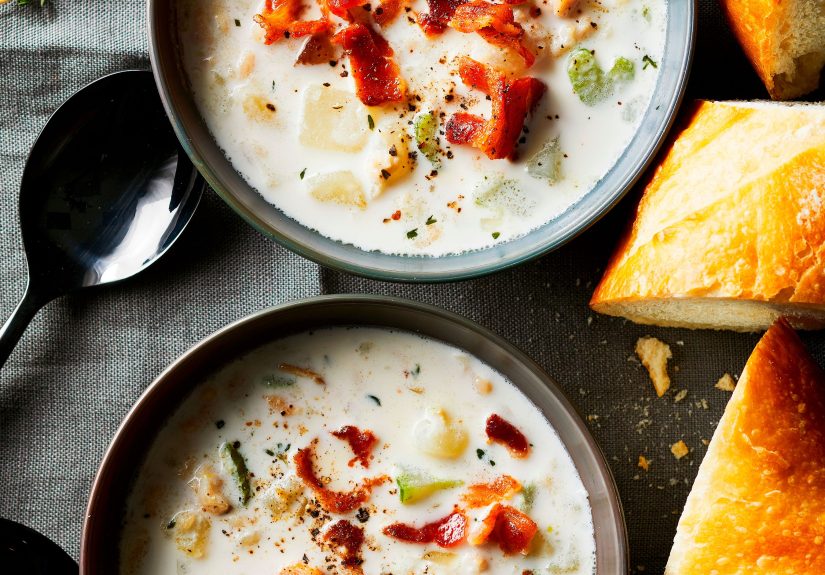
Ah, the humble bowl of clam chowder creamy, briny, chunky with potatoes and braced by bacon. If you’ve ever tasted a bowl of warm, comforting soup on a chilly evening and thought, “I simply must have the recipe,” then you’re in precisely the right place. This article dives into the classic New England Clam Chowder recipe with a wink and a nudge (because life’s too short for dry cooking instructions). We’ll cover its origins, why it’s so beloved, walk you through a step‑by‑step recipe, sprinkle in some chef tips, and finish strong with of “how it made me feel” (yes, we’re going there). Grab your oyster crackers and let’s sail off into chowder‑land.
Why New England Clam Chowder Is a Comfort Classic
The term “chowder” comes from the French word chaudière meaning “cauldron” or “large pot,” and what better vessel to hold a hearty soup? In the Northeastern U.S., somewhere between the briny air of Massachusetts and the clam‑rich coast of Maine, this style of chowder became iconic.
According to food‑history buffs, indigenous tribes around New England were eating seafood stews many centuries ago, using clams and other shellfish harvested from bays and tidal zones. Settlers later adapted these ingredients with salt pork, potatoes, milk/cream and onions, and voila: the creamy white clam chowder we know today.
One fun piece of trivia: the tomato‑based brother of this soup, Manhattan Clam Chowder, once caused such outrage among New Englanders that a Maine legislator considered outlawing tomatoes in chowder. So you can imagine the pride (and protectiveness) surrounding the “New England” version of the recipe.
In short: thickish (but not gloppy) cream or milk‑based soup, clams (often littlenecks or quahogs), potatoes, onions (and sometimes celery), bacon or salt pork, a bay leaf or two, and oyster crackers. That’s the foundation.
Ingredients You’ll Need (for about 6 servings)
- 4 oz (3–4 slices) thick‑cut bacon, diced (or substitute salt pork if you’re feeling traditional)
- 1 large yellow onion, finely diced
- 2 stalks celery, diced (optional but adds nice texture)
- 2 lb russet potatoes (about 1 kg), peeled and cut into ½‑inch cubes
- 2 (8‑ounce) bottles clam juice (or about 2 cups of clam broth) + ½–1 cup water
- 1 lb frozen chopped clam meat (defrosted) *or* 2–3 cans drained clams (plus saved clam juice)
- 1 cup heavy cream (or half‑and‑half if you want a lighter texture)
- Salt and freshly ground black pepper, to taste
- 1 bay leaf (optional)
- Oyster crackers or saltine crackers, for serving (yes, you’ll want them)
Step‑by‑Step: How to Make It (with a wink)
- Cook the bacon. In a large heavy pot (Dutch oven is perfect) over medium heat, cook the diced bacon until it releases its fat and becomes crisp‑ish (about 8–10 minutes). Don’t toss the fatyou’ll use it as flavor gold.
- Sauté the vegetables. Add the onion (and celery, if using) to the bacon fat and cook 5–6 minutes until softened and fragrant.
- Add potatoes & liquid. Add the cubed potatoes, clam juice + water (or equivalent broth), and the bay leaf. Bring to a gentle boil, then reduce heat and simmer until potatoes are tender (about 10–15 minutes).
- Incorporate clams & cream. Once potatoes are tender, add the chopped clam meat (or drained canned clams). Then stir in the heavy cream. Heat gently do not let it boil vigorously because cream can separate. Simmer for 2–3 minutes until everything is well‑combined and hot.
- Season and serve. Remove the bay leaf. Taste and add salt/pepper as needed (mind the clams/juice may already carry salt). Ladle into bowls, garnish with oyster crackers (let them float or crush them in) and maybe a sprinkle of chopped parsley if you want color.
Chef’s Tips & Variations (because you like options)
Tip 1: For a slightly thicker chowder without using flour, mash a few of the cooked potato cubes against the side of the pot and stir them back ininstant thickener via potato starch. This trick is mentioned by the Simply Recipes team.
Tip 2: If you can source fresh littleneck or cherrystone clams, by all means go for it! Steam them until they just open, chop the meat and use the steaming liquor as part of your clam juice. But for many of us not by the coast, frozen or canned will do just fine.
Variation: Want to add a twist? Some folks add a splash of dry white wine during the simmer, or a touch of thyme for herbal notes. Just don’t sneak in tomatoes unless you want major regional chowder‑turmoil. (Yes, I’m referencing that Maine bill again.)
Serving suggestion: This chowder loves crusty bread, oyster crackers, and a crisp side salad. Great for lunch, but especially comforting on a grey, rainy, or snowy evening.
Why This Recipe Ranks (And What Makes It Better Than The Soup Shack)
Unlike some thick industrial chowders that feel like you’re eating gravy with clams in it (not wrong, but not ours), this version walks the balance line. You’ll taste the salty chew of clams, the softness of potatoes dissolving gently, the smoky bacon, the subtle onion‑celery sweet base, and the warm cream. As one food writer put it: “Tender chunks of potato should barely hold their shape … their soft texture contrasting with tender bites of salty pork and briny clam.”
Also: this recipe is flexible. Weeknight friendly, yet good enough to serve to guests. Frozen clams make it accessible, potatoes give body, and the flavors come together in less than an hour in many cases. Simpler than some think, but still deeply satisfying.
Plus: every time you serve it, you’re part of a food tradition stretching back to colonial America and indigenous cooking before that. That’s pretty cool for a bowl of soup.
Wrapping It Up (But Not QuiteStay for the memories!)
Whether you’re warming up your bones in winter or pretending it’s autumn (even if it’s June) just so you can justify a bowl of creamy comfort, this New England clam chowder hits the mark. It’s creamy yet briny, smoky yet delicate, rich but not overwhelming. Give it a go. Serve with oyster crackers. Wink knowingly at your guests as you ladle the soup. They’ll think you’re a pro.
Here are the final bits you asked fordon’t worry, no more soup metaphors (maybe):
Personal Experience: My Own Bowl of New England Clam Chowder ()
I never thought a bowl of soup could transport me, but the first time I tried a homemade version of this chowder I was hooked. It was a cold, rainy Sunday in early Novembergrey skies, the kind that make you sigh and plug in extra blankets. I’d been craving comfort food, something bigger than a sandwich but lighter than a full roast. I followed the above recipe, and as the bacon sizzled in the pot the whole kitchen filled with that smoky, pre‑soup promise of things to come.
As I added the onion and celery, I remember thinking how simple the ingredients werenothing glamorous, just staplesbut how important each one was: the bacon fat, the softening vegetables, the potato cubes floating like tiny islands in a sea of broth. The moment the clam juice hit the pot I could smell the ocean (or at least what urban me imagines the ocean smells like). And then the clams went infresh-ish, defrosted, ready to do their briny duty.
When I ladled the first spoonful into my bowl, I closed my eyes. The potato held its shape but nearly melted, the smoky bacon bits punctuated the creaminess, and the clamsjust enough chewgave salty echoes of seaside docks I’d visited once on vacation. I topped it with oyster crackers and let a couple dissolve into the soup, adding little pops of starchy texture that just felt right.
My friend who dropped in (unexpectedly) tasted it and said, “This is restaurant‑level.” My ego puffed up with pride. I told her the secret: “It’s mostly the bacon and potatoes.” She rolled her eyes but asked for seconds anyway. We sat by the window as dusk turned to night and the rain pattered outside, spooning soup and catching up. It felt like dinner and therapy wrapped into one.
Since then, I’ve made this chowder at least half a dozen timeswinter, summer, “it’s Wednesday but I deserve soup” night. Sometimes I tweak it: a dash of white wine, snipped fresh parsley, perhaps fewer potatoes if I’m cutting carbs. But I never deviate from the soul of it: clams, cream, bacon, potatoes. That’s the heart of the matter.
And every time I serve it I remember that I’m part of a long New England culinary tradition. It’s the sort of dish that tells a storyof settlers and indigenous tribes, of coastal harvests, of kitchen comfort. My bowl may not be on the shores of Massachusetts, but that’s okay. I’m there in spirit, ladle in hand, oyster crackers at the ready.
If you’re reading this thinking “I’ll try it next week,” do it. Dive into the produce aisle, buy the clams (or frozen chopped clams), get your bacon crisping, and let your home smell like the seaside for an hour. You’ll thank yourself laterprobably with a mug of chowder and maybe a slice of crusty bread on the side.