Table of Contents >> Show >> Hide
- What is nasal vestibulitis (and why does it hurt so much)?
- Is it actually a pimple inside my nose?
- Symptoms: what nasal vestibulitis looks and feels like
- Causes: why this happens (and why it loves bad timing)
- Why “don’t pop it” matters more in the nose
- Home care: what you can do safely (and what to skip)
- Medical treatment: what clinicians typically do
- When to see a doctor (and when to treat it like an emergency)
- Prevention: how to stop the “nose pimple sequel”
- Quick FAQ
- Conclusion
- Experiences related to “Nasal vestibulitis: Is this a pimple inside my nose?” (Real-world scenarios, ~500+ words)
- Experience #1: “It hurts when I smile. Why does smiling betray me?”
- Experience #2: “I thought it was a booger. I regret everything.”
- Experience #3: “This happened right after I plucked a nose hair.”
- Experience #4: “I had a cold, and my nose got wrecked.”
- Experience #5: “I’m worried because I read something scary.”
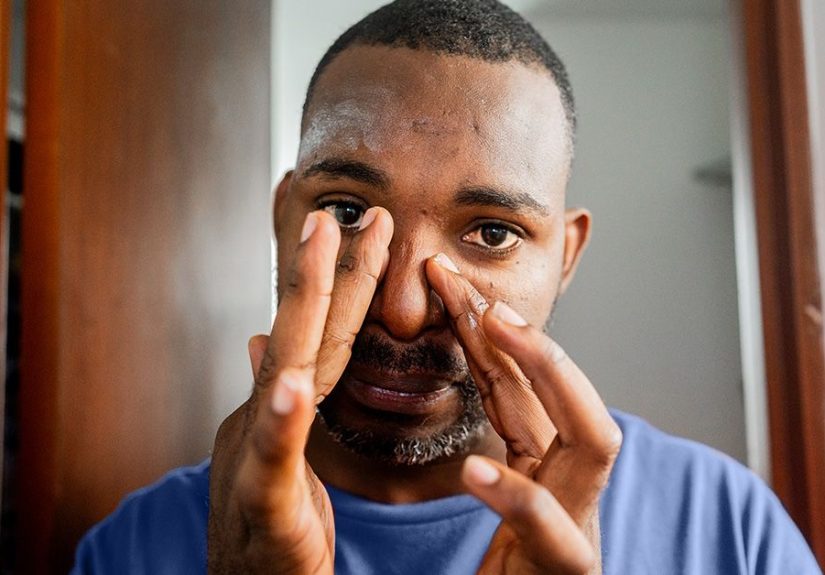
Raise your hand if you’ve ever discovered a tender bump just inside your nostril and immediately thought: “Great. Now I’m getting acne in places that don’t even have a skincare routine.” If it feels like a pimple inside your nosesore, swollen, and weirdly dramatic about being touchedyou might be dealing with nasal vestibulitis.
Nasal vestibulitis is basically a small infection/inflammation at the entrance of your nose (the nasal vestibule), where skin and tiny nose hairs live. And because the nose is packed with nerves and blood vessels, even a “little” problem can feel like your face is staging a protest.
This article breaks down what nasal vestibulitis is, why it masquerades as a nose pimple, what to do at home, what not to do (spoiler: don’t pop it), and when you should call a healthcare professionalbecause sometimes a nose bump deserves more respect than your average zit.
What is nasal vestibulitis (and why does it hurt so much)?
Nasal vestibulitis is a bacterial infection (or sometimes inflammation with infection) affecting the skin just inside the nostrils. The most common culprit is Staphylococcus bacteriaoften the same “staph” that hangs out harmlessly on skin until it finds a tiny crack and decides to throw a party.
The nasal vestibule is lined with skin, hair follicles, and oil glands. That means it can develop:
- Folliculitis (infection of a hair follicle)
- Pimple-like bumps (inflamed follicles, clogged oil glands, or small boils)
- Crusts and scabs near the nostril opening
And it hurts because the area is sensitive, constantly moving (hello, facial expressions), and frequently “handled” (nose blowing, wiping, rubbing, and… yes… picking).
Is it actually a pimple inside my nose?
Sometimes it really is a pimple-like bump. But inside the nose, “pimple” can mean a few different things. Here’s the cheat sheet:
1) Nasal vestibulitis (common)
Usually near the nostril entrance. Often comes with tenderness, crusting, and a sore spot that feels worse when you touch it or move your nose.
2) Nasal folliculitis (a close cousin)
This is basically a smaller, localized infection of a nose-hair follicle. It can look like a tiny whitehead or red bump.
3) Nasal furuncle (a boilmore intense)
A deeper infection can form a painful boil (furuncle). This is where swelling can ramp up, and you may feel throbbing pressure. These are more likely to need medical treatment.
4) Regular acne (less common inside the nostril, but possible)
If the bump is on the edge of the nostril or on the outer skin, clogged pores and classic acne can happenespecially if you use heavy balms, greasy products, or frequently touch your face.
5) Cold sore or irritation (sometimes)
Viral sores can occur around the nose. If you notice clusters of blisters, a burning sensation, or recurring outbreaks, it may not be vestibulitis.
If you’re unsureespecially if symptoms are worseningconsider a quick check-in with a clinician. The right treatment depends on the cause.
Symptoms: what nasal vestibulitis looks and feels like
Nasal vestibulitis can range from mildly annoying to “why does breathing have to hurt?” Common symptoms include:
- Pain or tenderness at the nostril entrance
- Redness and swelling inside or around the nostril
- Crusting, scabbing, or yellowish crust near the opening
- Small bumps around nose-hair follicles
- Bleeding when crusts come off
- Pus or drainage (sometimes)
More severe infection may cause bigger swelling, a boil-like lump, or spread of redness to the tip of the nose.
Causes: why this happens (and why it loves bad timing)
Nasal vestibulitis usually begins when the skin inside your nose gets irritated or injured. Tiny breaks in the skin give bacteria an easy entry point. Common triggers include:
Mechanical irritation
- Frequent nose blowing during a cold or allergies
- Nose picking (no judgmentjust consequences)
- Rubbing the nose a lot (tissues can be surprisingly aggressive)
Nose hair grooming gone wrong
- Plucking nose hairs can inflame follicles and create micro-tears
- Waxing can irritate and injure delicate inner-nose skin
- Trimming is generally safer than yanking hairs out by the roots
Dryness and cracking
Dry air, winter weather, indoor heating, and certain nasal sprays can dry the vestibule so much that it cracksbasically giving bacteria a welcome mat.
Higher-risk situations
- Diabetes or weakened immune system
- Chronic skin conditions (eczema/dermatitis)
- Recurrent staph infections or known colonization
- Certain cancer therapies that can irritate nasal tissues
Why “don’t pop it” matters more in the nose
Let’s be real: the urge to pop a painful bump is powerful. But the nose is a no-pop zone.
The center of the face (including the nose) has venous connections that can, in rare cases, allow infections to spread deeper. That doesn’t mean you should panic over every bumpbut it does mean: avoid squeezing, picking, or digging at it, especially if it’s getting bigger or more painful.
Home care: what you can do safely (and what to skip)
For mild casesespecially if it’s just tender with minor crustingsupportive care can help while you monitor symptoms. Here’s what’s usually reasonable:
Do: warm compresses (the MVP)
Apply a warm, moist compress to the outside of the nose (or gently to the nostril entrance if comfortable) for about 10–15 minutes, a few times a day. Warmth can improve blood flow, reduce tenderness, and encourage natural drainage if there’s a small follicle infection.
Do: keep it gently clean
Think “clean,” not “scrubbed raw.” You can use saline spray or a gentle rinse to help loosen crusts. If crusting is stuck, soften it firstdon’t peel it off like you’re unwrapping a bandage from your soul.
Do: hands off
Minimize touching the area. Every poke is basically a vote for “let’s keep this inflamed.”
Don’t: pop, lance, or pick
Trying to drain a nose bump at home can worsen the infection and irritate surrounding tissue.
Don’t: shove strong acne products up your nostril
The inside of the nose is sensitive. Strong acne treatments (like high-strength benzoyl peroxide or retinoids) can burn or irritate mucosal tissue.
Don’t: self-prescribe random ointments inside the nose
Some OTC antibiotic ointments aren’t meant for intranasal use and can irritate. If a clinician recommends a topical antibiotic (like mupirocin or a specific product), follow that guidance.
Medical treatment: what clinicians typically do
If symptoms are moderate, persistent, or severeor if there’s a boilmedical treatment often involves:
Topical antibiotics
Clinicians commonly prescribe a topical antibiotic ointment applied inside the nostril for a set course. Mupirocin is a frequent choice for staph-related infections and nasal colonization management in certain scenarios.
Oral antibiotics (when needed)
If infection is spreading, causing significant swelling, or forming a furuncle/boil, an oral antibiotic may be prescribed based on clinical judgment and local resistance patterns.
Drainage (only by a professional)
If there’s a true abscess or large boil, a clinician may need to drain it under clean conditions. This is not a DIY moment.
Culture/testing (sometimes)
For recurrent infections, severe cases, or suspected resistant bacteria (like MRSA), a clinician may swab the area to identify the organism and guide treatment.
When to see a doctor (and when to treat it like an emergency)
Many mild cases improve with prompt care. But you should seek medical evaluation if:
- The pain is severe or worsening after 24–48 hours
- The bump is growing into a boil-like lump
- You have fever, chills, or feel generally unwell
- Redness/swelling is spreading across the nose or face
- You see pus, significant drainage, or repeated bleeding
- You’re immunocompromised, have diabetes, or are on certain cancer therapies
- Symptoms keep coming back
Go to urgent care or the ER if you have facial swelling with vision changes, severe headache, confusion, eye swelling, or trouble moving the eyes. These symptoms are uncommon but can signal a more serious complication.
Prevention: how to stop the “nose pimple sequel”
Prevention is mostly about protecting the tiny skin barrier inside your nostrils:
- Wash hands before touching your face (especially during cold season)
- Avoid nose picking and aggressive rubbing
- Trim nose hairs instead of plucking or waxing
- Use saline spray or a humidifier if dryness is a recurring problem
- Treat allergies/colds gentlyblow softly, don’t wage war with tissues
- If you get frequent boils or staph infections, ask your clinician about evaluation for recurrence and prevention strategies
Quick FAQ
How long does nasal vestibulitis last?
Mild irritation may settle within a few days, but true infection can linger or worsen without appropriate treatment. With clinician-guided therapy, many people feel improvement relatively quicklybut finish the full course if antibiotics are prescribed.
Is nasal vestibulitis contagious?
The condition itself isn’t something you “catch” like a cold, but staph bacteria can spread through contactespecially if there’s drainage. Good hand hygiene and not sharing towels can help reduce spread.
Can I still use nasal sprays?
If a spray is irritating the area, you may need to pause or switch. If it’s a prescribed medication, talk to your clinician before stopping it.
Conclusion
If you’re wondering, “Is this a pimple inside my nose?” the answer might be nasal vestibulitisa small but painfully persuasive infection near the nostril opening. The good news: it’s often treatable, especially when you don’t poke at it and you start sensible care early.
Think warm compresses, gentle cleaning, and hands-off discipline. And if symptoms escalatespreading swelling, fever, a boil-like lump, or anything involving your eyesget checked promptly. Your nose is allowed to be dramatic, but you don’t have to let it run the whole show.
Experiences related to “Nasal vestibulitis: Is this a pimple inside my nose?” (Real-world scenarios, ~500+ words)
People don’t usually brag about their inner-nostril problems at brunch (and honestly, thank you for that). But if you listen closelylike in waiting rooms, family group chats, or the quiet panic of late-night Googlingcertain nasal vestibulitis experiences come up again and again. Here are some relatable patterns many patients describe, along with what they often find helps. (These are common experiences, not a substitute for medical advice.)
Experience #1: “It hurts when I smile. Why does smiling betray me?”
One of the most common surprises is how much a tiny nose bump can affect everyday life. People often say the pain spikes when they:
- Smile big
- Chew something crunchy
- Wrinkle their nose in confusion (which becomes frequent once this starts)
That’s because the nostril area moves with facial muscles, and inflamed tissue inside the vestibule is basically a “Do Not Disturb” sign. Many find that warm compressesapplied to the outside of the nosetake the edge off enough to function like a normal human again.
Experience #2: “I thought it was a booger. I regret everything.”
A classic. The vestibule can develop crusting, and at first it may feel like “something stuck.” People try to remove it, it bleeds, and suddenly it becomes a whole situation. What helps in this scenario is learning the art of softening, not ripping. Saline spray or a gentle rinse can loosen crusts. A warm compress can help too. The big shift is realizing that aggressive removal often re-injures the area and makes it easier for bacteria to keep the party going.
Experience #3: “This happened right after I plucked a nose hair.”
Many people connect the dots after the fact: they plucked a nose hair, felt a brief sting, and thenone to three days laternoticed tenderness, a bump, or crusting. Plucking can inflame or injure a follicle, giving bacteria a chance to move in. Folks who stop plucking and switch to careful trimming often report fewer repeat episodes.
Experience #4: “I had a cold, and my nose got wrecked.”
Another common storyline: a bad cold or allergies leads to constant blowing and wiping. The vestibule gets dry, cracked, and irritated. Then the tender bump shows up like an uninvited guest who brought extra luggage. In these cases, people often say prevention is about gentleness: softer tissues, patting instead of rubbing, humidifying dry rooms, and using saline to keep the nostrils from turning into cracked desert ground.
Experience #5: “I’m worried because I read something scary.”
It’s normal to worryespecially because online searches love worst-case scenarios. Many people feel calmer when they focus on what matters most:
- Is it improving with gentle care?
- Is redness spreading?
- Do I have fever, facial swelling, or eye symptoms?
Most mild cases don’t turn into anything serious, particularly when addressed early. But if symptoms escalate, people often report feeling relief (and a little annoyed) that a quick visit and the right prescription can dramatically speed up recovery. The “annoyed” part is mostly because the nose bump demanded a doctor’s appointment like it was a celebrity.
Bottom line from real-world experiences: nasal vestibulitis is common, uncomfortable, and surprisingly good at getting your attention. The best outcomes tend to come from early, gentle careplus the discipline to leave it aloneand seeking medical advice when it’s not improving or when red flags show up.