Table of Contents >> Show >> Hide
- How narcolepsy and diet are connected
- Potential benefits of a narcolepsy-friendly diet
- Best diet patterns for people with narcolepsy
- Best foods to include in a narcolepsy diet
- Foods and drinks to limit or avoid
- Sample “narcolepsy-friendly” day on a plate
- Practical tips for building your own narcolepsy diet
- When to talk to a professional
- Real-world experiences with narcolepsy and diet
- Conclusion
Living with narcolepsy can feel a bit like your brain has its own
unpredictable “sleep button” and it doesn’t always ask for permission
before pressing it. While medication and good sleep habits are the
foundation of treatment, what you eat (and when you eat it) can also
nudge your energy and alertness in a better direction.
There’s no single official “narcolepsy diet,” but research and real-world
experience suggest that certain eating patterns may help reduce daytime
sleepiness, stabilize energy, support a healthy weight, and work better
with your medications. In this guide, we’ll walk through the potential
benefits of a narcolepsy-friendly diet, the best types of eating patterns
to consider, and which foods and drinks might be worth limiting.
Consider this your practical, food-focused survival manual with a
side of common sense and a dash of humor.
Important: This article is for general information only and
is not medical advice. Always talk with your sleep specialist or
a registered dietitian before making major diet changes, especially if
you take narcolepsy medications, have diabetes, heart disease, or other
health conditions.
How narcolepsy and diet are connected
Narcolepsy is a chronic neurological sleep disorder that disrupts the
brain’s normal control of sleep and wakefulness. Many people experience
excessive daytime sleepiness, “sleep attacks,” cataplexy (sudden loss of
muscle tone triggered by emotions), and fragmented nighttime sleep.
The condition is strongly linked to a loss of brain cells that produce
orexin (also called hypocretin), a chemical that helps keep you awake,
regulates appetite, and influences metabolism. Because of these changes,
people with narcolepsy have a higher risk of weight gain, obesity, and
metabolic issues, even when they do not eat more calories than other
people.
Studies also suggest that people with narcolepsy may respond differently
to blood sugar changes and may experience more sleepiness after glucose
or high-sugar foods compared with people without narcolepsy. That means
the typical “post-lunch slump” can feel more like “I-need-a-bed-right-now
crash” if you’re living with this condition.
Because of these metabolic quirks, diet becomes more than just
“healthy eating” it’s part of your symptom-management toolbox.
Potential benefits of a narcolepsy-friendly diet
Eating in a way that supports your brain and body may offer several benefits:
- More stable daytime energy. Choosing foods that keep
your blood sugar steady may help reduce sharp peaks and crashes in
alertness after meals. - Better support for medications. Some narcolepsy drugs
work best when taken away from food, or when you avoid alcohol and
heavy meals around dosing. A planned diet makes it easier to follow
these instructions. - Weight and heart health. Since people with narcolepsy
are at higher risk of weight gain and cardiovascular issues, a heart-healthy
eating pattern can offer long-term protection. - Improved sleep quality. Avoiding heavy, late-night
meals, caffeine, and alcohol may help nighttime sleep feel more
restorative, which can indirectly support daytime functioning. - More predictable days. Small adjustments in meal sizes,
timing, and food choices can make it easier to plan your day around
tasks that require focus like driving, meetings, or studying.
Best diet patterns for people with narcolepsy
There’s no one-size-fits-all diet, but several approaches show promise
or are commonly recommended by clinicians and people living with narcolepsy.
1. A balanced, whole-food eating pattern
For many people, the best starting point is a simple, balanced diet built
around whole foods:
- Plenty of vegetables and fruits
- Whole grains (such as oats, brown rice, quinoa)
- Lean proteins (fish, poultry, beans, lentils, tofu, eggs)
- Healthy fats (olive oil, avocado, nuts, seeds)
This kind of “Mediterranean-style” pattern is heart healthy and may help
with weight management and overall energy. It also tends to be lower in
ultra-processed foods that can spike blood sugar and leave you feeling
sluggish.
2. Lower-carbohydrate or ketogenic approaches
Some people with narcolepsy report feeling more alert on a
low-carbohydrate or ketogenic diet, where most calories
come from fats and proteins and very few from carbs. A small study of a
low-carb, ketogenic-style plan suggested it might reduce daytime
sleepiness in some individuals. However, the research is limited, and we
don’t yet have large, long-term trials to confirm safety and effectiveness.
If you’re curious about trying a lower-carb approach, it’s essential to:
- Discuss it with your doctor, especially if you have diabetes,
high cholesterol, kidney disease, or take multiple medications. - Avoid extreme changes overnight gradually reducing refined carbs
and added sugars is usually safer and easier to sustain. - Prioritize high-fiber vegetables, quality proteins, and unsaturated fats
(like olive oil and nuts) instead of loading up on processed meats
and butter.
3. Low–glycemic index (GI) focus
Because blood sugar swings can worsen sleepiness, some experts encourage
a low–glycemic index style of eating. That means choosing
carbohydrates that are digested more slowly and have a gentler effect on
blood glucose think:
- Oats, barley, quinoa, and brown rice
- Beans, lentils, and chickpeas
- Most non-starchy vegetables
- Whole fruits instead of fruit juice
Combining these carbs with protein and healthy fats (like salmon, tofu,
or nuts) can further stabilize blood sugar and help keep energy more
consistent after meals.
4. Meal timing and smaller, frequent meals
Many people with narcolepsy notice that large meals, especially at midday,
trigger intense sleepiness. Smaller, more frequent meals and snacks
throughout the day may help reduce those “food coma” moments.
Helpful strategies include:
- Eating 3 modest meals with 1–3 small snacks, instead of 2 very large meals.
- Avoiding big, heavy lunches before tasks that require concentration or driving.
- Finishing dinner 2–3 hours before bedtime to support better sleep and avoid reflux.
Best foods to include in a narcolepsy diet
Think of your plate as a tool kit. The right mix of foods can support
alertness, mood, and long-term health.
1. Fiber-rich complex carbohydrates
Choose carbs that are slow-burning and high in fiber, such as:
- Steel-cut oats or unsweetened oatmeal
- Quinoa, brown rice, and barley
- Sweet potatoes (with skin) instead of fries
- Beans, lentils, and chickpeas
These help maintain steady blood sugar levels, which may reduce sudden
sleepiness after meals and support a healthier weight.
2. Lean, steady-energy proteins
Protein supports muscle health and helps you feel full longer. Good
options include:
- Chicken or turkey breast (baked or grilled)
- Fish and seafood (such as salmon, tuna, or cod)
- Eggs or egg whites
- Low-fat Greek yogurt or cottage cheese
- Plant-based proteins like tofu, tempeh, lentils, or edamame
Aim to include a source of protein at each meal and snack for example,
pairing an apple with a handful of nuts instead of eating the fruit alone.
3. Healthy fats
Fats help your body absorb certain vitamins and can give meals staying
power. Focus on:
- Olive, avocado, or canola oil for cooking
- Avocados on toast, salads, or grain bowls
- Nuts and seeds (almonds, walnuts, chia seeds, flaxseeds)
- Fatty fish like salmon or trout a couple of times per week
Healthy fats can be especially helpful if you’re experimenting with a
lower-carb or mildly ketogenic-style pattern just keep portions in
balance with your overall calorie needs.
4. Hydrating foods and fluids
Dehydration can worsen fatigue and headaches. To stay on top of fluids:
- Drink water regularly throughout the day (carry a bottle you like).
- Include water-rich foods like cucumbers, citrus fruits, berries, and soups.
- Limit sugary drinks and energy drinks that cause spikes and crashes.
Foods and drinks to limit or avoid
No single food is “forbidden” for everyone with narcolepsy, but some
choices are more likely to worsen sleepiness, disrupt nighttime sleep,
or interact poorly with medications.
1. Caffeine (especially later in the day)
Caffeine can be a double-edged sword. A morning coffee or tea may be part
of your routine, but caffeine too close to bedtime or in large amounts
can disrupt sleep and reduce the restorative quality of your nights.
In general, many clinicians suggest:
- Keeping caffeine moderate (for example, 1–2 cups of coffee earlier in the day).
- Avoiding caffeinated drinks within 6 hours of bedtime.
- Watching for hidden caffeine in sodas, energy drinks, and some teas.
2. Alcohol
Alcohol may make you feel sleepy at first, but it fragments sleep,
interferes with REM, and can interact dangerously with many narcolepsy
medications (especially sodium oxybate). Most guidelines recommend
limiting or avoiding alcohol, and some medications require complete
abstinence. Always follow your prescriber’s instructions.
3. High-sugar foods and refined carbohydrates
Donuts, pastries, white bread, candy, sweetened cereal, and sugary drinks
can cause rapid spikes in blood sugar followed by sharp crashes which
may translate into increased sleepiness, especially in narcolepsy.
Instead of:
- White bread, choose whole-grain or sprouted bread.
- Soda, choose water, herbal tea, or sparkling water with citrus.
- Candy, choose fruit with nuts or yogurt.
4. Heavy, high-fat meals
Very rich, greasy meals think fast-food burgers, deep-fried foods, or
big restaurant portions are more likely to trigger post-meal drowsiness.
They take longer to digest and draw more blood flow to the digestive
system, leaving you feeling slow and foggy. Keeping meal size moderate
and fat intake balanced may help reduce this effect.
5. Ultra-processed and very salty foods
Packaged snacks, instant noodles, processed meats, and many frozen meals
are often high in sodium and low in fiber. Regularly relying on these
foods can raise blood pressure and increase the risk of heart disease
already a concern in narcolepsy and they don’t offer steady, lasting
energy.
Sample “narcolepsy-friendly” day on a plate
This is a general example always adapt to your own needs, allergies,
medications, and preferences.
-
Breakfast (earlier in the day):
Unsweetened oatmeal cooked with milk or a fortified plant beverage,
topped with berries and a spoonful of chopped nuts; a small scrambled egg
or tofu on the side; water or herbal tea. -
Mid-morning snack:
Apple slices with peanut butter or hummus with carrot sticks. -
Lunch (moderate, not huge):
Grain bowl with quinoa, grilled chicken or tofu, mixed greens, roasted
vegetables, and a drizzle of olive-oil-based dressing; sparkling water
with lemon. -
Afternoon snack (if needed):
Greek yogurt with a few walnuts, or a small handful of trail mix. -
Dinner (2–3 hours before bed):
Baked salmon or beans, roasted sweet potatoes, and steamed broccoli
with olive oil; water or herbal tea (no caffeine).
You can then observe how you feel after each meal and snack and adjust
timing, portion sizes, and ingredients over time.
Practical tips for building your own narcolepsy diet
- Keep a simple food-and-symptom log.
For a week or two, jot down what you eat, when you eat it, and how
sleepy or alert you feel afterward. Patterns will often show up
(for example, “big pasta lunches = instant nap mode”). - Change one thing at a time.
Instead of reinventing your whole diet overnight, start by:
shrinking portion sizes at lunch, reducing sugary drinks, or moving
caffeine earlier in the day. - Plan around your most alert window.
If you tend to feel best in the morning, schedule more demanding
tasks there and keep breakfast and lunch lighter and balanced. - Coordinate with medications.
Some drugs need to be taken away from food; others can upset the
stomach if taken on an empty stomach. Ask your doctor or pharmacist
for specific guidance and adjust your meal timing accordingly. - Prepare “safe” snacks.
Keep grab-and-go options ready like nuts, string cheese, yogurt,
cut vegetables, or hard-boiled eggs for moments when you need a
small, steady-energy boost.
When to talk to a professional
Consider asking your doctor or a registered dietitian for extra support if:
- You’re gaining weight quickly or unintentionally.
- You have diabetes, prediabetes, or high cholesterol.
- You’re thinking about a ketogenic or very low-carb diet.
- You notice severe sleepiness or “crashes” after certain meals.
- You’re not sure how to pair diet changes with your narcolepsy
medications safely.
A dietitian familiar with sleep disorders can help you design an eating
plan that fits your schedule, culture, budget, and personal preferences
while supporting your narcolepsy treatment.
Real-world experiences with narcolepsy and diet
If you talk to a group of people living with narcolepsy about food,
you’ll hear one theme over and over: “What I eat absolutely changes
how I feel but it’s not the same for everyone.” There’s a lot of
trial and error, a bit of science, and a fair amount of detective work.
Take “Alex,” for example a fictional mash-up of many real stories.
Alex used to grab a giant bagel and sweet coffee drink on the way to
work. By 11 a.m., the combination of refined carbs, sugar, and a big
calorie load would trigger a brutal wave of sleepiness. After starting
narcolepsy treatment, Alex’s sleep specialist suggested experimenting
with meal timing and composition: swapping the sugary drink for a
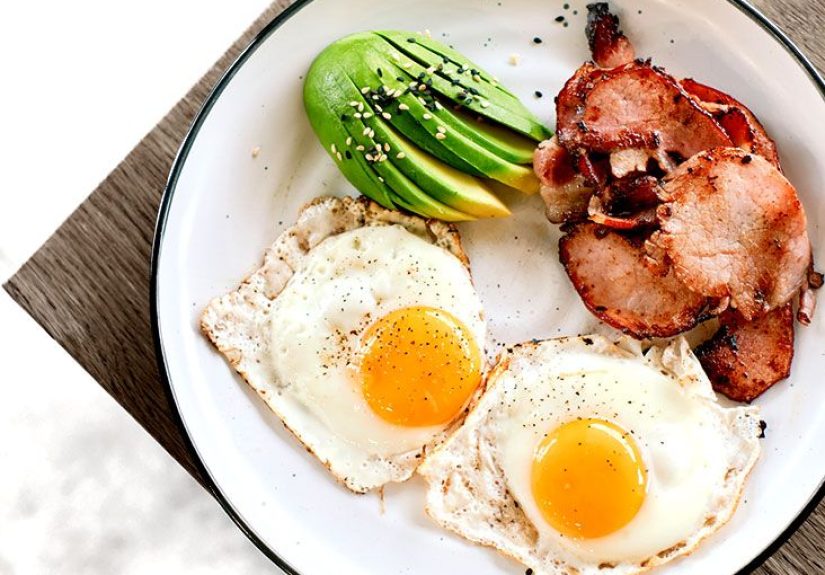
smaller, earlier coffee, choosing whole-grain toast with egg and avocado,
and adding a mid-morning snack instead of one big breakfast.
The change wasn’t magic, but Alex noticed the late-morning “crash”
became more of a gentle dip. Driving to late-morning appointments felt
safer. Work meetings were still tiring, but less like trying to stay
awake in a dark movie theater after Thanksgiving dinner.
Another common experience is the “dangerous lunch.” Many people with
narcolepsy describe a pattern where large midday meals almost guarantee
a sleep attack. People learn to:
- Choose lighter lunches and save richer meals for evenings at home.
- Plan short, scheduled naps after lunch if their schedule allows.
- Avoid certain “trigger” meals (like large bowls of white pasta
or heavy fast food) on days when they must stay especially alert.
Some individuals report that lowering carbs especially refined carbs
and added sugars helps them feel more stable and less foggy. Others
experiment with versions of a ketogenic diet under medical supervision
and find that it reduces daytime sleepiness. But there are also people
who try keto and feel worse, or find it far too restrictive for their
lifestyle.
It’s also normal for diet “success” to change over time. A pattern that
works during a calm period of life may need adjusting when work becomes
more intense, when family responsibilities change, or when medications
are added or modified. Many people treat diet not as a one-time fix,
but as an ongoing project checking in with themselves regularly:
“How am I feeling after meals? Is my weight where I want it? Are there
foods or habits that used to work but aren’t serving me anymore?”
Support communities both in-person and online can be incredibly
helpful. People with narcolepsy often share specific meal ideas,
snack hacks, and “don’t do what I did” mistakes, like trying a brand-new
high-sugar energy drink before a long drive or eating a massive buffet
lunch before an exam. Hearing these stories can save you from a few
trial-and-error disasters of your own.
The key takeaway from these lived experiences is empowering, not
discouraging: while narcolepsy isn’t caused by food and can’t be cured
by a diet, you do have real leverage. Small, consistent changes in what
and when you eat can add up to better days, fewer extreme crashes, and
a sense that you’re working with your body instead of constantly
fighting it.
Conclusion
A “narcolepsy diet” is less about following a rigid plan and more about
creating an eating pattern that supports your unique brain, schedule,
and treatment plan. For many people, that means:
- Prioritizing whole, minimally processed foods.
- Choosing fiber-rich, low–glycemic carbohydrates.
- Including lean proteins and healthy fats at each meal.
- Avoiding heavy, high-fat meals; excessive sugar; and late-day caffeine and alcohol.
- Experimenting with smaller, more frequent meals and careful meal timing.
Narcolepsy is still a medical condition that requires professional care,
but your plate can be one of your strongest allies. With support from
your healthcare team and a willingness to experiment, you can build a
flexible, realistic narcolepsy-friendly diet that helps you feel more
alert, more in control, and more like yourself.
Sources for medical information used in this article (not displayed to readers):