Table of Contents >> Show >> Hide
- What Is Mumps?
- How Mumps Spreads
- Mumps Symptoms: Not Just “Puffy Cheeks”
- Who Is Most at Risk?
- How Mumps Is Diagnosed
- Treatment: What Helps and What Doesn’t
- Complications: Why Mumps Still Matters
- Prevention: Why the MMR Vaccine Is the Real MVP
- Recovery and Long-Term Outlook
- Real-World Experiences and Practical Insights
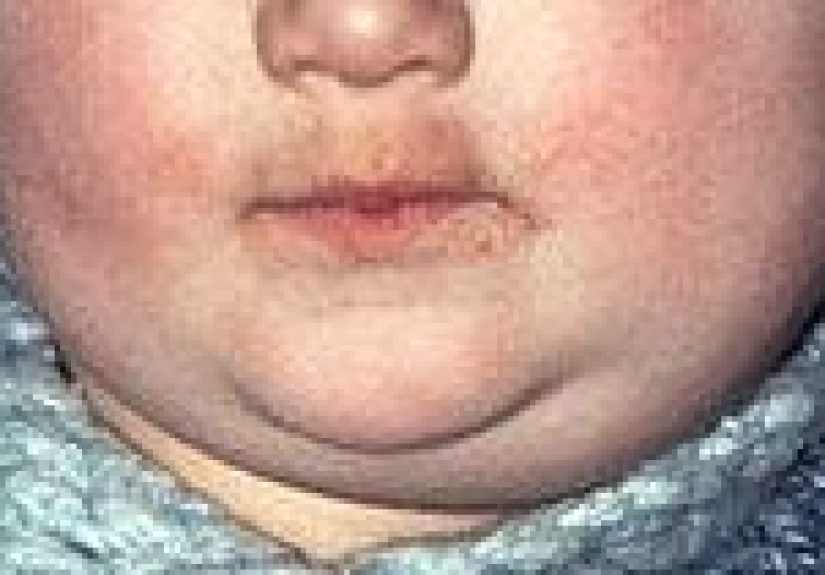
If you’ve ever seen a photo of a kid who looks like they’re hiding a tennis ball in each cheek, you’ve seen the classic “chipmunk face” of mumps. It might look a little comical in cartoons, but in real life mumps is a contagious viral infection that can be painful, disruptive, andsometimesserious. The good news: thanks to vaccines, most people will never deal with it. The better news: if you or someone you love does get mumps, understanding the symptoms, treatments, and potential complications can help you navigate it calmly and safely.
What Is Mumps?
Mumps is a contagious viral illness caused by the mumps virus, a member of the paramyxovirus family. It primarily targets the salivary glands, especially the parotid glands located just below and in front of the ears.
Before vaccines became widely available in the late 1960s, mumps was a common childhood disease. Now, it’s far less frequentbut outbreaks still happen, especially in close-contact settings like dorms, sports teams, and camps.
How Mumps Spreads
The mumps virus spreads mainly through respiratory dropletstiny particles from the nose and mouth that are released when an infected person talks, coughs, sneezes, or shares drinks and utensils.
The virus can also survive briefly on surfaces like doorknobs, tables, and toys. Touching a contaminated object and then your nose or mouth can complete the virus’s “mission.”
One sneaky thing about mumps: people can be contagious before they realize they’re sick. Symptoms usually appear 12–25 days after exposure, with an average of 16–18 days.
Someone with mumps is typically most contagious from a few days before parotid swelling begins until about five days after swelling starts, which is why isolation is so important.
Mumps Symptoms: Not Just “Puffy Cheeks”
Early “Flu-Like” Symptoms (Prodrome)
Mumps doesn’t usually begin with dramatic swelling. Instead, it often starts like many other viral infections, with subtle symptoms such as:
- Low to moderate fever
- Headache
- Fatigue and general malaise
- Muscle aches
- Loss of appetite
These early signs may show up a few days before the classic jaw swelling appears.
Because they’re so nonspecific, people sometimes assume they just have a regular cold or a mild fluand keep going to school or work, unknowingly spreading the virus.
The Classic Parotid Swelling
The hallmark of mumps is painful swelling of one or both parotid glands, the major salivary glands in front of the ears and along the jawline. This swelling, called parotitis, causes the characteristic “puffy cheeks and swollen jaw.”
As the glands swell, people may notice:
- Pain when chewing, especially sour or acidic foods
- Tenderness in front of and below the ears
- Difficulty opening the mouth fully
- Pain when swallowing
Swelling typically peaks in one to three days and then gradually improves over the next week. In some people, only one side is affected; in others, both sides swell, sometimes at different times.
Other Possible Symptoms
Beyond the classic gland swelling, mumps can cause:
- Earache or pain near the jaw
- Stiff neck or discomfort when moving the head
- Low-grade persistent fever
- Feeling unusually tired or drowsy
Up to a third of people with mumps may have very mild symptomsor no noticeable symptoms at allyet they can still spread the virus.
That’s one more reason public health experts lean so heavily on vaccination to control outbreaks.
Who Is Most at Risk?
While anyone who isn’t immune can catch mumps, certain groups are more likely to be affected:
- People who have never received the MMR (measles, mumps, rubella) vaccine
- Individuals who received only one dose instead of the recommended two
- College students and young adults in dorms or shared housing
- Members of close-knit communities (teams, religious groups, military housing)
Two doses of MMR provide strong but not perfect protection, so vaccinated people can still occasionally get “breakthrough” mumpsusually with milder symptoms and fewer complications.
How Mumps Is Diagnosed
If someone shows up with parotid swelling plus fever or other typical symptoms, clinicians often suspect mumps based on the physical exam and history (for example, recent exposure or an ongoing outbreak in the community).
To confirm the diagnosis and help public health officials track cases, providers may order:
- A swab from the inside of the cheek or throat to test for mumps virus by PCR (looking for viral genetic material)
- Blood tests to check for mumps-specific IgM or changes in IgG antibodies, which can suggest a recent infection
Your provider might also rule out other causes of salivary gland swelling, such as bacterial infections, stones that block the salivary ducts, or other viral illnesses.
Treatment: What Helps and What Doesn’t
There’s no specific antiviral medication that “kills” the mumps virus. Treatment focuses on supportive carekeeping the person comfortable while their immune system does the heavy lifting.
Supportive Home Care
Common supportive treatments include:
- Pain and fever relief: Over-the-counter medications such as acetaminophen or ibuprofen, used as directed, can help with pain and fever. (Aspirin is generally avoided in children because of the risk of Reye’s syndrome.)
- Rest and fluids: Bed rest for the first few days, plus water, broths, and other fluids to prevent dehydration.
- Soft foods: Yogurt, smoothies, mashed potatoes, scrambled eggsanything that doesn’t require intense chewing can reduce jaw pain.
- Cool or warm compresses: Gently placing a cold or warm cloth over swollen glands can provide temporary relief.
Antibiotics don’t help, because mumps is caused by a virus, not bacteria. They’re only used if a separate bacterial infection is suspected.
When to Call the Doctor or Seek Emergency Care
Most cases of mumps can be managed at home under medical guidance, but some symptoms are red flags. Contact a healthcare professional promptly if the person with mumps has:
- Severe headache, stiff neck, or confusion
- Persistent high fever
- Severe abdominal pain
- Painful swelling of the testicles or lower abdomen in adolescents or adults
- Difficulty hearing, dizziness, or loss of balance
These could signal complications such as meningitis, encephalitis, pancreatitis, or orchitis (testicular inflammation).
Complications: Why Mumps Still Matters
In many children, mumps is uncomfortable but self-limited, resolving in a week or two. However, complications can occureven without obvious parotid swellingand they’re more common in adults than in kids.
Orchitis and Male Fertility
In post-pubertal males, mumps can cause orchitis, an inflammation of one or both testicles. Orchitis usually develops about a week after parotid swelling and causes:
- Sudden testicular pain and swelling
- Fever and chills
- Red, tender scrotal skin
Although most men recover fully, in some cases mumps orchitis can lead to testicular atrophy (shrinking) and reduced sperm count. Persistent infertility is possible but considered rare.
Oophoritis, Mastitis, and Pancreatitis
Mumps can also inflame other organs:
- Oophoritis: inflammation of the ovaries, causing lower abdominal pain and tenderness
- Mastitis: inflammation of breast tissue, usually in adolescent or adult females
- Pancreatitis: inflammation of the pancreas, which can cause severe abdominal pain, nausea, and vomiting
These complications are less common than orchitis but are well-documented in mumps infections.
Neurologic Complications: Meningitis, Encephalitis, and Hearing Loss
The mumps virus can sometimes affect the brain and nervous system. Possible complications include:
- Aseptic meningitis: inflammation of the membranes around the brain and spinal cord, often causing headache, neck stiffness, fever, and sensitivity to light
- Encephalitis: inflammation of the brain itself, which can lead to confusion, seizures, or, very rarely, long-term neurological problems or death
- Hearing loss: mumps can damage the inner ear and auditory nerve, leading to sudden hearing loss that may be permanent in one or both ears
Fortunately, these neurologic complications are rare, especially in vaccinated populationsbut they’re a key reason health authorities take mumps outbreaks seriously.
Pregnancy Complications
Getting mumps during pregnancy is relatively uncommon because most adults are vaccinated or previously immune. When it does happen, infection in the first trimester has been associated with a higher risk of miscarriage or early pregnancy loss, though the overall evidence is limited.
Mumps infection has not been clearly linked to major birth defects in surviving infants, unlike infections such as rubella.
Prevention: Why the MMR Vaccine Is the Real MVP
The single most effective way to prevent mumpsand its complicationsis vaccination with the MMR vaccine, which protects against measles, mumps, and rubella. Two doses are recommended for children and for adults who lack documented immunity.
Before widespread vaccination, the U.S. saw around 186,000 reported mumps cases every year. Now, the numbers are dramatically lower, though outbreaks still occur when the virus finds pockets of unvaccinated or under-vaccinated people.
Beyond vaccines, everyday prevention strategies help slow the spread:
- Stay home for at least five days after gland swelling starts
- Cover coughs and sneezes with a tissue or your elbow
- Wash hands often with soap and water
- Avoid sharing drinks, utensils, lipstick, or anything that contacts saliva
These simple moves are not just politethey’re public-health gold.
Recovery and Long-Term Outlook
For most healthy children and adults, mumps is a one-and-done illness. Symptoms usually resolve within 7–10 days, and once you’ve recovered, your body typically develops long-lasting immunity.
The key during recovery is to:
- Rest as much as needed, especially in the first few days
- Stay hydrated and eat soft foods
- Follow your healthcare provider’s guidance and keep follow-up appointments if complications are suspected
- Monitor hearing and neurological symptoms after recovery if you had severe illness
Most people bounce back fully and go on with lifehopefully with a deeper appreciation for how much work our immune systems do behind the scenes.
Real-World Experiences and Practical Insights
Medical textbooks do a great job explaining what mumps should look like. Real life, as usual, is a little messier. To round out the science, here’s how mumps often plays out in everyday situationsand what people commonly learn along the way.
A College Outbreak: “Everyone Thought It Was Just a Bad Cold”
Picture a college campus in late winter. Half the dorm is sniffling, midterms are looming, and sleep is more of a suggestion than a reality. A few students start complaining about jaw pain and swollen cheeks. At first, people joke about “chipmunk face” and assume it’s some weird side effect of pulling all-nighters and living on instant ramen.
Then the campus health center tests a few students and confirms mumps. Suddenly, isolation rooms fill up, dining hall trays disappear (goodbye, shared utensils), and group events get canceled. Vaccinated students are surprised they can still get sick; unvaccinated students are surprised how quickly the virus moves through close quarters.
The big lesson from scenarios like this: even in mostly vaccinated communities, mumps can still cause outbreaks when people live, sleep, and eat in close proximity. Most cases are mild, but a few students may develop orchitis, meningitis, or prolonged fatigue. Once the outbreak settles, there’s usually a renewed interest in checking vaccine recordsand a lot more appreciation for basic hygiene and staying home when sick.
A Parent’s Perspective: “It Looked Like Tooth Pain at First”
For parents, mumps can be confusing at the beginning. A child might complain of ear pain or toothache near the jaw, especially when chewing something sour, like citrus. It’s easy to assume it’s an ear infection or dental issueuntil the swelling becomes obvious.
Many parents describe a progression like this: low fever and crankiness for a day or two, then swelling on one side of the face that makes the ear look like it’s pushed upward. Eating becomes uncomfortable, and the child may prefer smoothies, yogurt, or mashed foods. With guidance from a pediatricianplus regular pain control, fluids, and restmost kids gradually improve over a week or so.
Parents often say the hardest part isn’t the swelling itself but keeping an energetic child “on the bench” at home long enough to avoid spreading the virus to classmates, siblings, and grandparents.
Managing Anxiety Around Complications
Googling “mumps complications” at 2:00 a.m. is a fast track to anxiety. The list can sound scary: orchitis, meningitis, encephalitis, hearing loss. In reality, most people with mumps never experience these outcomesespecially if they’re vaccinated and otherwise healthy.
What helps many families is focusing on:
- Red-flag symptoms: Knowing exactly when to call a doctor or head to the ER (severe headache, stiff neck, confusion, testicular pain, or trouble hearing).
- Daily check-ins: Keeping a simple log of fever, pain level, and new symptoms to share with the healthcare team if needed.
- Realistic expectations: Understanding that discomfort and swelling are expected but that serious complications are uncommon.
Life After Mumps: A “One-Time Membership”
After recovery, most people enjoy long-lasting immunity to mumps, whether from natural infection or vaccination.
Some who’ve gone through the illness say it changed how they think about vaccines and community health. When you’ve watched a whole dorm, classroom, or family cluster get sidelined by one virus, the idea of rolling up a sleeve for two tiny MMR doses suddenly feels like a bargain.
Ultimately, understanding mumpsits symptoms, treatments, and complicationsisn’t about scaring yourself. It’s about recognizing the signs early, knowing how to care for yourself or your child, and appreciating the powerful role that vaccination and good hygiene play in keeping “chipmunk cheeks” a thing you mostly see in old photos and medical illustrations.