Table of Contents >> Show >> Hide
- What Counts as a Mid-Century Switch Plate?
- The Design DNA: What to Look For
- Materials That Nail the Era (and Why They Matter)
- Choosing the Right Type: Toggle, Decora, Outlets, and the “Why Won’t This Fit?” Problem
- How to Pick the Best Mid-Century Switch Plate for Each Room
- Safety and Standards: The Unsexy Part That Keeps Your House From Becoming a News Story
- Installation Details That Make It Look “Architect Designed”
- Where Mid-Century Switch Plates Shine: Specific Style Scenarios
- Buying Tips: How to Avoid Regret (and Return Shipping)
- Care and Cleaning: Keep the “Wow,” Lose the Grime
- Quick FAQ
- Hands-On Experiences: The Stuff You Only Learn After Touching Every Switch in the House (About )
- Conclusion
A mid-century home can have walnut built-ins, a low-slung sofa, and a breeze-block wall that makes you feel like you should be holding a martini… and still look
slightly “off” because of one tiny detail: the switch plate. Yes, the little frame around your light switch. It’s basically the wall’s jewelryexcept it gets
touched 20 times a day by someone carrying laundry, a coffee mug, and questionable confidence.
The good news: upgrading to a mid-century switch plate is one of the fastest ways to make a room feel intentional. The even better news:
you don’t need to time-travel to 1957 or learn how to say “teak credenza” with a straight face. You just need the right style, the right fit, and a tiny bit
of safety sense (because electricity is funny only until it isn’t).
What Counts as a Mid-Century Switch Plate?
“Mid-century” typically refers to the design language that took off in the middle decades of the 20th centuryclean lines, simple geometry, and materials that
felt modern at the time (hello, metal and early plastics). A mid-century modern switch plate echoes that vibe in miniature: crisp edges, minimal
ornament, and finishes that feel period-correct or at least “mid-century adjacent.”
Think of it like this: if Victorian switch plates are ballroom gowns, mid-century switch plates are tailored suits. They don’t need ruffles to make a statement.
They just show up looking sharp and quietly confident.
The Design DNA: What to Look For
1) Simple Geometry That Feels Intentional
Mid-century design loves shapes you can describe without taking a deep breath: rectangles, circles, ovals, and gentle curves. Switch plates in this style often
use clean rectangular borders, rounded corners, or an oval opening that frames a toggle like it’s a museum piece.
2) “Stepped” or Layered Profiles
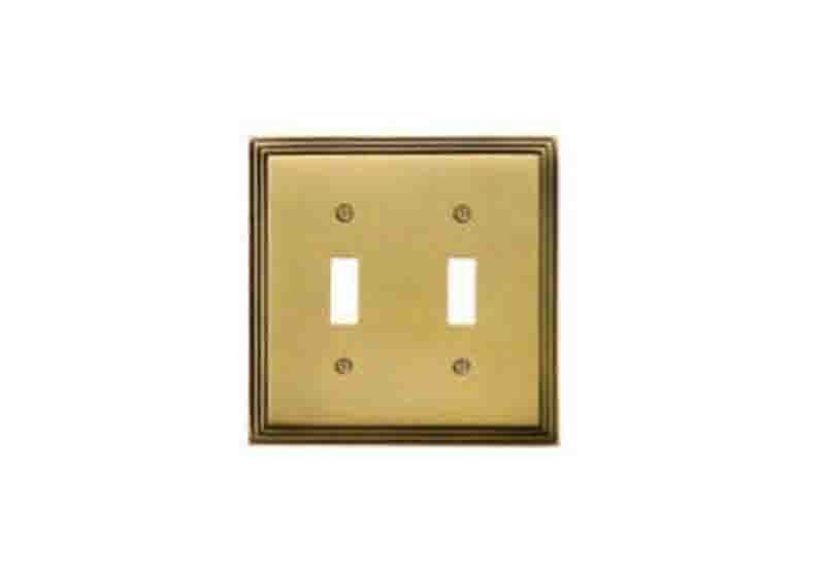
One classic mid-century detail is the stepped profilea subtle tiered edge that catches light and adds depth without getting fussy. It’s the
difference between “plain metal plate” and “oh, that looks original to the house.”
3) Low Visual Noise
Screws can be part of the look (especially slotted screws that feel vintage), but mid-century spaces often look cleaner with fewer interruptions. If you want a
super-minimal finish, a screwless wall plate can deliver that sleek, modern-facing look while still playing nicely with mid-century interiors.
Materials That Nail the Era (and Why They Matter)
Solid Brass: The Mid-Century MVP
Brass is a mid-century classic because it reads warm, refined, and “built to last.” A brass wall plate pairs beautifully with walnut, teak,
oak floors, and neutral walls. It also works with mid-century lightingthink globe pendants, sputnik chandeliers, and anything that looks like it belongs in a
cocktail lounge (in the best way).
- Polished brass: brighter, more “Mad Men lobby.”
- Antique or aged brass: softer, more authentic, hides fingerprints better.
- Brushed brass: modernized mid-century, great for updated homes.
Stainless Steel & Aluminum: Crisp and Architectural
If your mid-century look leans more Palm Springs modernclean, bright, and architecturalsteel or aluminum plates can feel right. They’re also practical:
durable, easy to wipe down, and usually happy in kitchens, baths, and high-traffic hallways.
Thermoplastic or Nylon: The Quiet Workhorse
Plastic gets an unfair reputation because of cheap, flimsy plates that warp or look chalky. But quality thermoplastic or nylon plates can be tough, clean, and
consistentespecially if you’re going for that “switch blends into the wall” look common in many mid-century updates.
Bakelite (or Phenolic): The Vintage Flex
If you’ve ever seen a vintage ribbed or slightly domed switch plate in ivory, brown, or black, there’s a good chance you were looking at a phenolic plastic like
Bakelite. It became popular in early-to-mid 20th century electrical applications because it’s heat-resistant and electrically insulating. Today, true vintage
plates are collectibleand they can look incredible in an original ranch or Eichler-style home.
One note: vintage plates can be brittle, and old hardware sometimes comes with quirks. If you’re restoring, you’ll want the vibe of the era without inheriting
every single one of its maintenance habits.
Choosing the Right Type: Toggle, Decora, Outlets, and the “Why Won’t This Fit?” Problem
Toggle Switch Plates
The classic mid-century switch is often a toggle. For a true period feel, look for mid-century plates made specifically for togglesespecially ones with stepped
edges or subtle curves. Slotted screws can complete the look (and yes, some people will notice; those people are your people).
Rocker / Decora Plates
Many renovated homes replace toggles with rocker-style switches (often called “Decora” style). That’s totally finejust choose a plate that looks intentional.
A screwless Decora plate can feel sleek and modern while still complementing mid-century interiors, especially in white, ivory, almond, warm gray, or black.
Duplex Outlets, GFCI, and Specialty Devices
Outlets deserve the same attention as switches. In a mid-century room, mismatched outlet covers can stick out like sneakers at a black-tie event. You’ll find
mid-century-inspired covers for:
- Duplex outlets (standard two-plug receptacles)
- GFCI outlets (common in kitchens, baths, exterior locations)
- Dimmers and smart switches (often larger or shaped differently)
- Multi-gang plates (2, 3, 4+ devices in one run)
Oversize Plates: The “Wall Scar” Solution
Mid-century homes often have plaster, older drywall repairs, or paint layers that make standard plates reveal a rough edge. An oversize wall plate
is a simple fix that covers gaps and looks finishedwithout turning your wall into a patchwork weekend project (unless you enjoy that sort of thing).
How to Pick the Best Mid-Century Switch Plate for Each Room
Match Metals Like You Mean It
Mid-century spaces tend to look best when metal finishes are consistent within a sightline. If your door hardware is aged brass, choose aged brass plates. If
your lighting is brushed nickel, consider brushed metal plates. You don’t need to match everything in the entire housejust avoid the “every finish everywhere”
effect that makes a home feel like a hardware showroom clearance aisle.
Use Contrast on Purpose
Black plates on a white wall can look graphic and very mid-century. Warm brass on deep green paint can feel rich and tailored. White plates on white walls can
disappear (which is sometimes the whole point). The trick is choosing a contrast level that supports the room’s focal points instead of competing with them.
Consider the Home’s “Mid-Century Percentage”
Not every house needs full vintage authenticity. If your home is a lovingly updated 1960s ranch with modern conveniences, a mid-century inspired plate
(like a stepped brass toggle plate) might be perfect. If you’re restoring an Eichler-style home, you might prefer something that looks closer to originalsubtle,
minimal, and era-friendly.
Safety and Standards: The Unsexy Part That Keeps Your House From Becoming a News Story
Switch plates aren’t just decorative. They cover the edges of electrical boxes and help prevent accidental contact with live parts. Cracked, loose, or missing
plates can expose gapsand gaps are where fingers, dust, and “I’ll fix it later” plans go to cause problems.
Look for Listed Products When Possible
Quality wall plates are commonly evaluated against industry standards for cover plates used with wiring devices. If you’re buying new, especially plastic or
specialty plates, look for reputable brands and listings/markings that indicate the product is intended for electrical use.
When to Call a Pro
Replacing a wall plate is usually straightforward. But if you remove a plate and find scorched marks, brittle insulation, loose devices, or a box recessed far
behind the wall surface, that’s a “pause and assess” moment. An electrician can correct box depth, device mounting, and any underlying issuesthen your beautiful
mid-century plate becomes the finishing touch, not a cover-up.
A Quick, Safe Plate Swap Checklist
- Turn off the correct breaker.
- Confirm power is off with a voltage tester (don’t guess).
- Remove the old plate carefully; don’t let tools slip into the box.
- Install the new plate without overtightening (cracked plates are not a vibe).
- Restore power and confirm the device works properly.
Installation Details That Make It Look “Architect Designed”
Level Matters More Than You Think
Your eye notices crooked plates even if your brain tries to be polite about it. Before tightening the screws fully, align the plate so it looks level relative
to nearby trim or tile lines. In a row of multiple plates, alignment is the difference between “clean” and “why does this wall feel anxious?”
Don’t Overtighten
Metal plates can bend; plastic plates can crack; your soul can sigh. Tighten until snug, then stop. If the device is loose in the box, fix the device mounting
(or use the correct spacers/box extender) rather than forcing the plate to do structural work.
Mind the Multi-Gang Reality
Two-, three-, and four-gang plates can highlight tiny inconsistencies in device spacing. If you’re updating a bank of switches, it can be worth standardizing
devices (all toggles or all rockers) so the plate openings align cleanly.
Where Mid-Century Switch Plates Shine: Specific Style Scenarios
The 1950s Ranch Refresh
A warm neutral wall, oak floors, and a simple ceiling fixture instantly look more “finished” with stepped brass toggle plates. The brass adds warmth without
shouting, and the stepped edge feels era-appropriate.
The Eichler-Inspired Minimal Update
If your home leans glass-and-geometry, you might prefer plates that visually disappearclean white or almond screwless plates, consistent device style, and a
calm, uninterrupted wall plane.
The Atomic Accent Moment
Want a little fun? Consider an oval plate profile, a subtle curved edge, or a contrasting color that feels intentionallike black plates on a white wall, or
warm brass against a moody paint color. The key is keeping the shape clean so it reads as design, not novelty.
Buying Tips: How to Avoid Regret (and Return Shipping)
- Confirm device type (toggle vs rocker/Decora vs specialty).
- Count gangs (single, double, triple, quad).
- Choose finish based on nearby hardware (lighting, cabinet pulls, door levers).
- Consider screwless for a cleaner lookespecially with rocker switches.
- Use oversize plates if your wall cutout is messy or uneven.
- Pick reputable electrical brands for plastic plates and high-use areas.
Care and Cleaning: Keep the “Wow,” Lose the Grime
Brass
If you love patina, do less. If you love shine, use a brass-safe polish sparingly and follow product guidance. Many modern brass finishes are coated; abrasive
cleaners can damage that coating fast.
Painted or Coated Metal
Wipe with a soft cloth and mild cleaner. Avoid scrubby sponges that leave micro-scratches (they’re like wrinkles, but for switch plates).
Plastic / Nylon
Mild soap and water usually does it. For kitchens, a gentle degreaser helpsjust don’t soak plates while installed.
Vintage Phenolic / Bakelite
Treat vintage plates like collectibles: gentle cleaning, no harsh abrasives, and avoid stressing screw holes. If a vintage plate is cracked, consider retiring it
to display duty and using a reproduction or new plate for daily life.
Quick FAQ
Are mid-century switch plates only for mid-century homes?
Not at all. They can add warmth and restraint to newer homes tooespecially if you like clean lines and classic metals. Mid-century details often blend well with
modern, Scandinavian, and minimalist interiors.
Do screwless plates look “too modern”?
They can, but in many mid-century updates they look perfectespecially when you’re aiming for uncluttered walls. Pair them with warm wall colors or wood tones
to keep the look from feeling sterile.
What’s the easiest upgrade with the biggest impact?
Swap mismatched, painted-over plates for a consistent set in one finish throughout a room or hallway. Consistency reads as “designed,” even if you did it in
sneakers on a Saturday morning.
Hands-On Experiences: The Stuff You Only Learn After Touching Every Switch in the House (About )
The first time I paid attention to switch plates, it wasn’t because I suddenly became a hardware connoisseur. It was because I painted a room a lovely mid-century
greenthink “forest, but with better manners”and the old plates looked like they’d survived three tenants, two questionable DIY eras, and at least one incident
involving a roller brush and panic. The wall looked crisp. The plates looked… emotionally complicated.
Lesson #1: switch plates are truth-tellers. They reveal whether a wall is actually straight, whether the electrical box is properly set, and whether the previous
owner believed in tightening screws until the plastic screams. When I swapped to new plates, I expected a quick win. Instead, I discovered one switch was slightly
crooked, one outlet sat recessed, and one plate had been acting like a tiny mask for a rough drywall cutout. That’s when oversize plates became my best friend.
Not glamorous, but neither is staring at a gap that looks like your wall is trying to whisper secrets.
Lesson #2: consistency is the secret sauce. I tried mixing finishesbrass here, brushed nickel therebecause I convinced myself it was “eclectic.” It was not.
It was chaotic. Once I chose a single warm metal finish for the main living areas, the house instantly felt calmer, like it had stopped doomscrolling interior
design trends.
Lesson #3: stepped brass really does feel “mid-century” in a way flat plates don’t. A flat brass plate can look nice, sure. But a stepped profile catches light
subtly, especially at golden hour, and suddenly the wall detail looks considered. It’s the same difference as a tailored blazer versus a jacket that technically
fits but doesn’t spark joy.
Lesson #4: screwless plates are amazing in high-touch areaskitchens, hallways, kids’ roomsbecause they’re easy to wipe down and don’t collect grime around
screw heads. That said, in a room where I wanted a more vintage vibe, I went back to visible screws (slotted, because of course). The screws became part of the
“this belongs here” story. It’s a small detail, but mid-century design is basically a collection of small details that agree with each other.
Lesson #5: if you’re tempted by true vintage Bakelite plates, buy with your eyes open. They’re gorgeous, and the ribbed texture can look authentically period.
But vintage can also mean brittle. I tried one in a high-use spot near a back door. It looked fantastic for a while, then developed a hairline crack that felt
like a tiny heartbreak. Now I save vintage pieces for lower-traffic areas, and I use new, vintage-inspired plates for the places that get daily abuse from keys,
backpacks, and the occasional door-slamming teenager energy (even if no teenager lives there).
The big takeaway: mid-century switch plates aren’t just a finishing touch. They’re a practical design tool. They can make a renovation feel cohesive, make a
restoration feel respectful, and make your walls look like they belong to a home with a point of view. Also, you will absolutely start noticing switch plates in
other people’s houses. Welcome to the club. We have lint-free cloths.
Conclusion
A mid-century switch plate is one of those small upgrades that punches way above its weight. The right plate can reinforce a home’s era, tidy up
visual clutter, and make everyday touchpoints feel more polished. Choose a shape and finish that matches your home’s “mid-century story,” confirm device
compatibility, and prioritize safe, well-made platesespecially in high-use areas. Do that, and your walls will look less like a collection of parts and more
like a design that knows exactly what it’s doing.