Table of Contents >> Show >> Hide
- What Microdermabrasion Is (and What It Isn’t)
- What Microdermabrasion Can Help With
- The Microdermabrasion Procedure: Step by Step
- Results: When You’ll See Changes (and How Many Sessions You Need)
- Side Effects and Risks
- Who Should Avoid or Postpone Microdermabrasion
- Before-and-After Care: How to Get Better Results (and Fewer Regrets)
- Cost: What Microdermabrasion Usually Costs (and Why It Varies)
- How to Choose a Provider (So Your Skin Doesn’t File a Complaint)
- Real-Life Experiences (Extra ): What People Commonly Notice, Feel, and Learn
- Conclusion
Microdermabrasion is the skincare equivalent of hitting “refresh” on your faceminus the panic of accidentally
closing 37 tabs. It’s a minimally invasive exfoliation treatment that buffs away the dull, dead outer layer of skin
so your complexion looks smoother and brighter. It’s popular because it’s quick, generally gentle, and usually
comes with little to no downtime.
But microdermabrasion isn’t magic, and it’s definitely not a substitute for treating underlying medical skin issues.
Think of it as a “polish and glow” treatment that can help with mild texture and tone concernsbest when you have
realistic expectations and a solid sunscreen habit (more on that later).
What Microdermabrasion Is (and What It Isn’t)
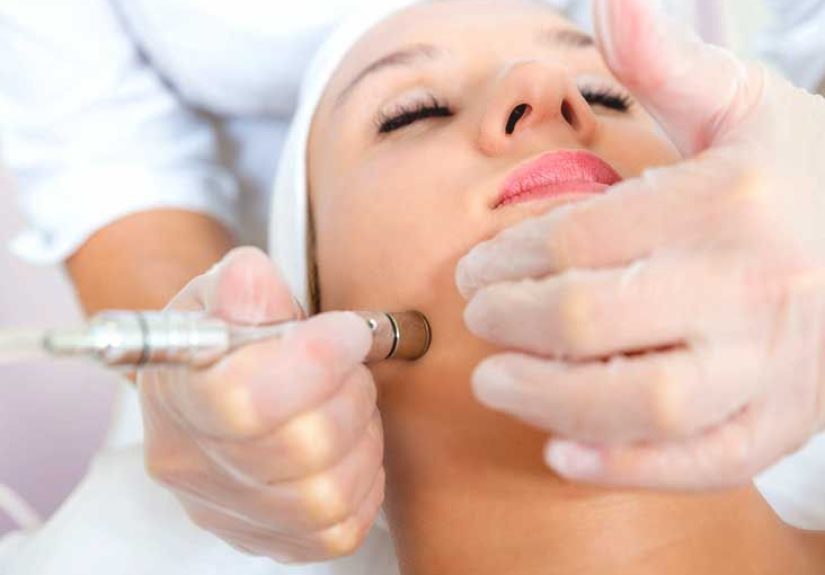
Microdermabrasion is a mechanical exfoliation procedure that removes the uppermost layer of dead skin cells. A
provider uses a handheld device that either sprays fine crystals and suctions them back up, or uses a crystal-free
diamond-tipped wand plus suction to gently abrade the surface.
Microdermabrasion vs. dermabrasion: same family, very different vibe
Dermabrasion is more aggressive and goes deeper than microdermabrasion. It’s typically performed by a medical
specialist, can involve more recovery, and may cause bleedingmicrodermabrasion generally doesn’t. If
microdermabrasion is a “light sanding,” dermabrasion is closer to “power tool with a safety briefing.”
Microdermabrasion vs. chemical peels and other exfoliation treatments
Chemical peels use acids to dissolve bonds between dead cells, while microdermabrasion uses physical abrasion.
Peels can be customized by depth and ingredients; microdermabrasion tends to be more uniform and superficial.
Some people alternate treatments or combine them in a plan designed by a clinicianbut stacking exfoliation
without guidance is how you earn a flaky, irritated “tomato era.”
What Microdermabrasion Can Help With
Microdermabrasion is often used to improve the look of mild cosmetic concerns. It’s best for surface-level issues,
especially when you’re aiming for smoother texture and a more even-looking tone.
Common reasons people get it
- Dullness and rough texture (the “why does my skin look tired?” problem)
- Fine lines (subtle softening, not erasing)
- Mild discoloration from sun exposure or post-breakout marks
- Enlarged-looking pores (appearance may improve, pores don’t actually “shrink” permanently)
- Minor acne-related texture (not active, inflamed acne)
What it won’t fix (at least not alone)
Deep acne scars, significant wrinkles, and stubborn melasma usually need stronger or more targeted treatments
(sometimes lasers, prescription topicals, microneedling, or clinician-directed peels). Microdermabrasion can be a
helpful supporting player, but it’s rarely the star in those situations.
The Microdermabrasion Procedure: Step by Step
1) Consultation and skin check
A reputable provider starts by asking about your skin history, current products, and any medications. This matters
because your skin barrier and healing ability can change based on what you’re using or dealing with (for example,
recent isotretinoin use or active inflammatory conditions).
2) Cleansing and prep
Your skin is cleansed to remove makeup, sunscreen, oil, and debris. Eye protection may be used, and the provider
may mark areas to avoid if you have sensitivity or active irritation.
3) Exfoliation with a crystal or diamond-tip device
There are two common approaches:
- Crystal microdermabrasion: fine crystals are sprayed onto the skin and vacuumed away along with
loosened dead cells. - Diamond-tip microdermabrasion: a crystal-free diamond-tipped wand gently abrades the surface,
while suction lifts away exfoliated skin.
4) Finishing products
Most sessions end with a calming moisturizer and sunscreen. Because your skin can be temporarily more sensitive,
sun protection isn’t optionalit’s the difference between “glow” and “why is my face angry?”
What it feels like
Microdermabrasion is usually not painful, but sensations vary. Many people describe a light scratching or sanding
feeling plus suction (like a tiny vacuum that’s very committed to its job). Some report mild stinging, especially
on thinner or more sensitive areas.
How long it takes and what downtime looks like
A typical facial session often takes around 30 minutes, though it can vary by area treated and add-ons. You may
look pink afterward, and your skin can feel dry or tight for about a daysimilar to mild windburn or a very
polite sunburn.
Results: When You’ll See Changes (and How Many Sessions You Need)
Many people notice a smoother feel and a brighter look shortly after the first treatment. But for more noticeable
improvements in texture, fine lines, and uneven tone, multiple sessions are usually recommended.
A realistic treatment timeline
- After 1 session: skin may feel softer; makeup can apply more evenly
- After 3–6 sessions: gradual improvements in texture and mild discoloration
- Ongoing maintenance: many people repeat monthly or seasonally depending on goals and budget
Some guides note that optimal outcomes can take a series of treatments (often several sessions, sometimes more),
especially if you’re addressing uneven texture or fine lines.
Side Effects and Risks
Microdermabrasion is widely considered safe when performed appropriately, but “safe” doesn’t mean “zero drama.”
Side effects are usually mild and short-lived, yet they can be more noticeable if your skin is sensitive or if the
treatment is too aggressive.
Common short-term side effects
- Redness/pinkness and mild swelling (often fades within hours to a day)
- Dryness or flaking for a day or two
- Increased sun sensitivity (hello, sunscreen)
- Minor bruising (often related to suction)
- Stinging or burning if skin is irritated or treatment is too intense
Less common issues (and when to call your provider)
Seek medical guidance if you develop significant swelling, blistering, worsening pain, signs of infection, or
darkening/lightening of skin that doesn’t improve. People with deeper skin tones can be more prone to
post-inflammatory hyperpigmentation if procedures are done incorrectly, which is why provider experience matters.
Who Should Avoid or Postpone Microdermabrasion
Microdermabrasion isn’t for every face, every day, or every skin situation. You may need to postpone or skip it if
your skin is actively inflamed or compromised.
Common reasons to wait
- Active acne flare with painful, inflamed lesions
- Rosacea flare or very reactive skin
- Eczema/dermatitis in the treatment area
- Sunburn (microdermabrasion + sunburn = bad math)
- Recent isotretinoin use or a history of abnormal scarring (discuss timing with a clinician)
Special note for skin of color
Microdermabrasion can be used across skin types, but technique matters. If done too aggressively or by an
inexperienced provider, irritation can lead to post-inflammatory hyperpigmentation (dark marks that linger).
Consider seeing a board-certified dermatologist or a clinic experienced with your skin tone and concerns.
Before-and-After Care: How to Get Better Results (and Fewer Regrets)
Before your appointment
- Arrive with clean skin if possible (no heavy makeup).
- Avoid tanning and heavy sun exposure beforehand.
- Tell your provider about prescriptions and active skin issues.
- If you use strong actives (retinoids, acids, benzoyl peroxide), ask when to pausemany people are advised to
hold irritating products around treatment time to reduce stinging and over-exfoliation.
The first 24–48 hours after
- Moisturize to reduce dryness and tightness.
- Wear sunscreen diligently because sensitivity to sunlight can increase.
- Keep it gentle: avoid harsh scrubs and strong actives until your skin calms down.
- Skip heat and heavy sweating if you’re very red (hot yoga can wait).
The first week
Stick with a simple routine (gentle cleanser, moisturizer, sunscreen). If you’re prone to irritation, reintroduce
exfoliating acids slowly. The goal is to support your barrierbecause a healthy barrier is what makes “glow” last.
Cost: What Microdermabrasion Usually Costs (and Why It Varies)
Pricing for microdermabrasion is all over the map because location, provider credentials, and what’s included
matter. A quick med spa treatment in one city may cost less than a dermatologist-performed session in another.
Typical price ranges
- Per session (common range): Many estimates land roughly in the $100–$250 ballpark,
with some providers charging less (around $75–$150) and some charging more (up to $300–$400),
especially in high-cost areas or when bundled with other treatments. - Average cost snapshots: Some consumer and health sources cite averages around
$136 or $167 per treatment, depending on how prices were collected and what was included. - Why you may see a much higher “average” online: Professional society statistics for “skin
resurfacing procedures like microdermabrasion” may report a higher average figure that can reflect different
billing categories, settings, and bundled feesso it’s best to request a per-session quote from local providers.
What affects the final price
- Where you live: major metros typically cost more.
- Who performs it: dermatologist offices may charge more than day spas.
- Device type and add-ons: masks, peels, LED, or “deluxe” packages can raise the price.
- Number of sessions: packages can lower per-visit cost but increase total spending.
Will insurance cover it?
Usually, nomicrodermabrasion is typically considered cosmetic. If you’re being treated for a medical condition,
your dermatologist can advise you on covered options, but microdermabrasion itself is commonly out-of-pocket.
How to Choose a Provider (So Your Skin Doesn’t File a Complaint)
Microdermabrasion seems simple, but technique matters. Look for a provider who:
- Reviews your medical history and current products before touching your face
- Explains expected results honestly (subtle, gradual improvements are normal)
- Adjusts intensity for sensitive areas and your skin type
- Gives clear aftercare instructions and emphasizes sunscreen
If you have a history of hyperpigmentation, keloids, or very reactive skin, consider a board-certified
dermatologist or a clinic experienced in treating your skin tone and concerns.
Real-Life Experiences (Extra ): What People Commonly Notice, Feel, and Learn
If you’ve never had microdermabrasion, the biggest surprise is usually how normal it feels. A lot of people
walk in expecting “painful sanding,” but walk out saying it felt more like a brisk facial with a tiny vacuum
attachment that takes its job seriously. The sensation can change from area to area: cheeks often feel mild,
while around the nose (where pores are stubborn and skin is thinner) can feel more scratchy or tingly. It’s common
to have a moment of, “Ohso that’s what exfoliation with suction feels like,” followed by, “Wait, are my eyebrows
still here?” (They are.)
In the mirror right after treatment, the most typical “experience report” is: pink but glowy. Some
people describe the look as if they just went for a fast walk in cool weather. Others compare it to the mild flush
you get after a warm shower. That redness usually calms down quickly for many people, but if you’re sensitiveor
if the provider went a bit enthusiasticyou may stay rosy longer. Several people also notice their skin feels
tighter and drier for the rest of the day, which is why moisturizing afterward is such a common tip.
The next-day experience is where expectations can get… loud. People sometimes expect a dramatic transformation
after one session, like they’re going to wake up looking like a dewy celebrity in a skincare ad. More often, the
real win is subtler: makeup sits smoother, your face feels softer when you wash it, and your skin looks a little
brighter under normal lighting. If someone is doing microdermabrasion for post-breakout marks or uneven texture,
the most satisfied clients tend to be the ones who think in series, not single sessions. It’s
similar to getting in shape: one workout helps, but consistency is what changes the “before and after” story.
A frequent lesson people share: the aftercare is half the treatment. The folks who rave about
results are usually the ones who keep the routine gentle for a couple days and take sun protection seriously.
On the flip side, the most common regret is going back to strong actives too fastscrubbing again, using a potent
acid toner that night, or applying a harsh acne treatment because “I’m already exfoliated, let’s go!” That’s how
mild redness can turn into stinging, peeling, and a longer recovery. Many experienced clients learn to treat the
first 48 hours as a “calm and protect” window: moisturize, skip irritation, and let the skin barrier rebuild.
Then, when they restart actives, they do it slowlybecause a glow is nice, but not at the price of a week of
inflammation.
Another common experience: it can feel addictivenot in a scary way, but in a “wow, I love how
smooth my skin feels” way. That’s where responsible scheduling matters. Overdoing physical exfoliation can make
skin more sensitive and reactive. People who maintain the best long-term results typically space sessions out
(often around monthly) and combine them with boring-but-effective habits: sunscreen, a gentle cleanser, and a
moisturizer they actually use every day. The overall takeaway from real-world reports is simple: microdermabrasion
tends to reward the patient who plays the long game.
Conclusion
Microdermabrasion is a practical, low-downtime option if you want smoother texture and a brighter lookespecially
for mild dullness, uneven tone, and surface roughness. The procedure is usually quick, side effects are often
short-lived, and results can build over a series of treatments.
The biggest keys to success are choosing a skilled provider, keeping expectations realistic, and treating
aftercare (especially sunscreen) like it’s part of the appointment. If you’re unsure whether microdermabrasion is
right for your skin type or concerns, a dermatologist can help you choose the safest path to the results you want.