Table of Contents >> Show >> Hide
- First, what dust actually is (and why it keeps coming back)
- The strategy: trap it, don’t just move it
- 15 Simple Steps for a Dust-Free Home
- Step 1: Dust smarteruse microfiber or a slightly damp cloth
- Step 2: Always clean top-to-bottom (gravity is undefeated)
- Step 3: Vacuum with HEPA filtration (or at least sealed filtration)
- Step 4: Vacuum the places you don’t seeupholstery, curtains, and mattress seams
- Step 5: Upgrade your HVAC filter (and actually replace it)
- Step 6: Consider a HEPA air purifier in the rooms you live in most
- Step 7: Wash bedding weekly (hot water helps with dust mites)
- Step 8: Encase pillows and mattresses with allergen-proof covers
- Step 9: Control humidity (aim for comfortable, not tropical)
- Step 10: Make your entryway a “dirt checkpoint”
- Step 11: Declutter flat surfaces (dust loves décor)
- Step 12: Rethink rugs and carpet (or clean them like they’re a pet)
- Step 13: Groom pets and manage pet zones
- Step 14: Mop hard floorsavoid dry sweeping when you can
- Step 15: Don’t forget the weird dust factories: fans, vents, baseboards, and laundry areas
- A realistic weekly routine (that won’t ruin your life)
- Common dust myths (because dust has great PR)
- Bonus: of real-world “dust battles” people actually run into
- Conclusion: Your dust-free home is a system, not a mood
Dust is basically your home’s unofficial confetti: it shows up uninvited, settles everywhere, and somehow multiplies when you blink. The bad news? You can’t eliminate dust forever. The good news? You can make your home noticeably less dustyenough that you stop writing your name on the coffee table like you’re auditioning for a detective show.
A “dust-free home” really means a home where dust has fewer places to land, fewer chances to get kicked back into the air, and fewer ways to sneak in from outside. That’s not magic. That’s a system: smarter cleaning + better filtration + a few small habits that do most of the heavy lifting.
First, what dust actually is (and why it keeps coming back)
Household dust is a mix of tiny particles: bits of fabric and carpet fibers, outdoor soil tracked in on shoes, pollen, pet dander, and flakes of skin (yepdust is a group project and we’re all contributing). Dust also acts like a ride-share for allergens like dust mite waste, which is why dusty homes can feel worse if you have allergies or asthma.
Dust builds up faster when air is moving (fans, HVAC, open windows), when fabrics are shedding (blankets, rugs, upholstered furniture), and when cleaning methods accidentally aerosolize dust (dry dusting, aggressive sweeping, vacuuming with poor filtration).
The strategy: trap it, don’t just move it
The goal isn’t “push dust from one surface to another.” The goal is “capture dust and remove it from the house.” That means: damp or microfiber dusting, a vacuum that doesn’t burp dust back into the air, and filters that keep airborne particles from endlessly recirculating.
15 Simple Steps for a Dust-Free Home
Step 1: Dust smarteruse microfiber or a slightly damp cloth
Feather dusters can be fun if you’re playing “Victorian mansion,” but they often fling dust into the air where it resettles later. Microfiber grabs particles instead of redistributing them. For most surfaces, a lightly damp cloth helps keep dust from becoming airborne.
Quick example: Dust your shelves with microfiber, then immediately rinse or shake the cloth outside. If you keep using a loaded cloth, you’re basically just polishing dust.
Step 2: Always clean top-to-bottom (gravity is undefeated)
Start with ceiling fans, vents, tall shelves, and door frames. Finish with floors. Otherwise, you’ll clean the floor and then sprinkle fresh dust onto it like parmesan on pasta.
Mini routine: Fans/vents → shelves/art → baseboards → floors. Done.
Step 3: Vacuum with HEPA filtration (or at least sealed filtration)
Vacuuming is essentialbut only if your vacuum traps fine particles instead of blasting them back out the exhaust. A HEPA-filter vacuum can reduce dust buildup and keep vacuumed particles from re-entering the air.
Pro tip: Use attachments. Dust loves edges (baseboards), fabric (sofas), and “we never think to clean that” areas (mattress seams).
Step 4: Vacuum the places you don’t seeupholstery, curtains, and mattress seams
Floors are only one part of the dust ecosystem. Sofas, chairs, curtains, and mattresses collect dust and allergens, then release them when you sit, flop, or dramatically collapse after work.
Easy win: Once a week, vacuum couch cushions and the area under them. It’s always horrifying. That’s how you know it worked.
Step 5: Upgrade your HVAC filter (and actually replace it)
If you have central heating/air, your HVAC system can either help you or betray you. A better filter can capture more particles, but it must be compatible with your system and replaced regularly.
What to look for: The “MERV rating” is a standard measure of filter performance. Higher MERV captures smaller particles, but overly restrictive filters can strain some systems. If you’re not sure what your system supports, check the HVAC manual or ask a licensed technician.
Habit that works: Put a recurring reminder to check the filter monthly. Replacement frequency varies with pets, allergies, smoke, and system runtimebut “I’ll remember” is a lie we tell ourselves.
Step 6: Consider a HEPA air purifier in the rooms you live in most
An air purifier won’t stop dust from landing (dust will always settle eventually), but it can reduce airborne particlesespecially helpful in bedrooms and living rooms. Think of it as “less stuff floating around” rather than “no dust ever.”
Where it matters most: Bedroom (you spend ~1/3 of your life there), then living room.
Step 7: Wash bedding weekly (hot water helps with dust mites)
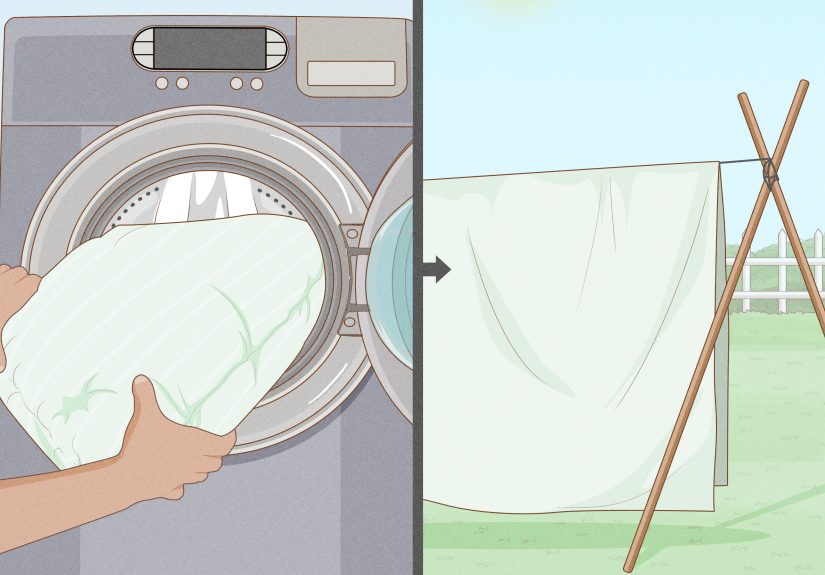
Bedding is prime real estate for dust mites and allergens. Washing sheets, pillowcases, and blankets weekly can reduce buildup. Many clinical sources recommend washing at hot temperatures (commonly cited around 130°F) for dust mite controlbalanced with safety concerns if you have kids at home.
Shortcut: Keep two sets of sheets. Strip the bed, remake immediately, wash the dirty set later. No “naked mattress procrastination.”
Step 8: Encase pillows and mattresses with allergen-proof covers
If allergies or asthma are in the picture, encasements can help keep dust mites and allergens contained in the places closest to your face. This is one of those “annoying adult purchases” that pays off quietly.
Focus zone: Bedroom first. If you do nothing else, protect sleep.
Step 9: Control humidity (aim for comfortable, not tropical)
Dust mites and mold tend to thrive in higher humidity, while extremely dry air can make dust feel more irritating and float longer. Many health and indoor air resources commonly recommend keeping indoor humidity in a moderate range (often around 30%–50%).
Simple move: Use bathroom exhaust fans during showers and run them for a bit afterward. If your home stays humid, a dehumidifier can help.
Step 10: Make your entryway a “dirt checkpoint”
A lot of “dust” starts as outdoor soil and debris. The easiest dust to remove is the dust that never gets inside.
- Use doormats outside and inside.
- Adopt a shoes-off habit (or at least “no shoes past the entry”).
- Keep a small bin for things that shed grit: sports gear, dusty bags, etc.
Step 11: Declutter flat surfaces (dust loves décor)
Dusting is faster when you’re not moving 47 tiny objects first. Clutter also creates more surface area for dust to land. You don’t need a minimalist homejust fewer “dust traps.”
Try this: Put small items on trays. One lift, one wipe, done.
Step 12: Rethink rugs and carpet (or clean them like they’re a pet)
Carpet and thick rugs hold onto dust and allergens like it’s their jobbecause it is. If replacing flooring isn’t realistic, your best defense is frequent vacuuming with good filtration and periodic deep cleaning.
High-impact change: If allergies are severe, start by removing or reducing carpet in the bedroom first.
Step 13: Groom pets and manage pet zones
Pets add joy. They also add hair, dander, and dust-carrying enthusiasm. Regular brushing (ideally outside) and washing pet bedding can noticeably reduce dust buildup.
If allergies are an issue: Consider making the bedroom a pet-free zone. It’s not personal. It’s respiratory.
Step 14: Mop hard floorsavoid dry sweeping when you can
Dry sweeping can kick fine particles back into the air. On hard floors, a damp mop or microfiber pad captures dust more effectively. Save the broom for big crumbs and “how did that get there?” moments.
Fast method: Vacuum hard floors first (yes, really), then damp-mop. You’ll remove more and re-spread less.
Step 15: Don’t forget the weird dust factories: fans, vents, baseboards, and laundry areas
Dust collects where air moves and where lint forms. That includes ceiling fans, HVAC returns, baseboards, blinds, and laundry spaces. Dryer lint especially can migrate if filters and surrounding areas aren’t cleaned regularly.
Low-effort checklist: Wipe fan blades monthly, vacuum return vents gently, wipe baseboards when you notice buildup, and keep the laundry area lint-free.
A realistic weekly routine (that won’t ruin your life)
If you want less dust without turning into a full-time cleaner, consistency beats intensity. Here’s a routine that works for many households:
- Twice a week (10–20 minutes): Quick vacuum of high-traffic floors + a fast microfiber pass on the worst surfaces.
- Weekly (30–60 minutes): Bedding wash, vacuum upholstery, top-to-bottom dust, then floors.
- Monthly: Fans, vents, baseboards, blinds, check HVAC filter, wash pet bedding, wash throws/blankets.
If you have asthma or allergies, consider wearing a well-fitting mask while cleaning and, if possible, staying out of the room while someone else vacuums. (Your lungs do not need a dust-themed surprise party.)
Common dust myths (because dust has great PR)
Myth: “If I open the windows, the dust will go away.”
Fresh air can help with indoor air quality in some situations, but open windows can also bring in pollen, outdoor dust, and pollution depending on where you live. Ventilation is helpful when conditions are rightjust don’t assume “open window” equals “clean air.”
Myth: “Air purifiers eliminate dusting.”
Air purifiers help reduce airborne particles; they don’t magically erase settled dust on shelves. You’ll still dustjust less often, and with less “dust fog.”
Myth: “More cleaning product = less dust.”
You mostly need the right tools (microfiber, HEPA filtration, good filters) and the right method (capture, don’t scatter). Fancy sprays are optional.
Bonus: of real-world “dust battles” people actually run into
Here’s the part nobody tells you: dust control isn’t just cleaningit’s behavioral economics. You’re not fighting dust once. You’re negotiating with it weekly like it’s a tiny, persistent landlord.
One common experience: the “black shelf phenomenon.” You buy a sleek dark bookshelf, admire it for five minutes, and then it becomes a dust billboard. People often think they’re suddenly living in a dustier house, but the truth is the shelf is simply better at showing it. Switching to microfiber dusting (instead of dry cloths) is usually the first moment where someone says, “Ohthis actually looks cleaner tomorrow too,” because the dust isn’t getting flicked into the air to resettle.
Another very real story arc is the HVAC filter guilt cycle. Many homeowners start strong: “I will change it every month!” Then three months pass, the filter looks like it auditioned for a role as a wool blanket, and everyone acts surprised. The fix is rarely motivationit’s automation. People who set a recurring calendar reminder or subscribe to filter deliveries tend to stick with it. The results show up as less dust on surfaces and, for some, fewer allergy flare-ups (especially during heavy heating/cooling seasons).
Homes with pets often have a different kind of dust: the fluffy, tumbleweed variety. The pattern many pet owners report is this: vacuuming the floor helps, but the real breakthrough is vacuuming the couch and washing pet bedding. That’s where hair and dander accumulate, then get redistributed every time someone sits down. Brushing pets outside can feel like “extra work,” but it reduces shedding indoorsso the home stays cleaner longer between sessions. It’s the rare chore that pays dividends in fewer chores.
Seasonal dust is also a thing. In colder months, homes are closed up more, heating runs longer, and indoor fabrics get used heavily (blankets, sweaters, rugs). Many people notice dust “spiking” and assume something is wrong. Often, it’s just the season changing the airflow and activity patterns. The practical response is boring but effective: check filters more often, vacuum with good filtration, and keep humidity comfortable. A small humidifier or dehumidifier can make dust feel less “floaty,” and your sinuses may thank you too.
Finally, there’s the “I cleaned and it’s dusty again in two days” frustration. That usually means one of two things: (1) dust was moved, not removed (dry dusting or a leaky vacuum), or (2) dust is being constantly introduced (shoes, open windows near traffic, shedding textiles, dirty filters). When people switch to top-to-bottom cleaning with microfiber, pair it with HEPA vacuuming, and add an entryway shoes-off habit, the timeline changes. Dust still happensbut it goes from “every day” to “okay, this is manageable.” That’s the win: not perfection, but a home that stays cleaner longer with less effort.
Conclusion: Your dust-free home is a system, not a mood
If you want the biggest payoff with the least effort, start with microfiber/damp dusting, a better vacuum strategy (ideally HEPA), and improved air filtration (HVAC filter + a purifier where you sleep). Add an entryway checkpoint and a weekly bedding wash, and you’ve tackled the biggest dust sources in most homes. The rest is maintenanceand a small, satisfying feeling of victory every time you wipe a shelf and it stays clean.