Table of Contents >> Show >> Hide
- What “Lean” Actually Means (And What It Doesn’t)
- The Lean-Friendly Meal Plan Basics
- Your Lean Meal Plan Blueprint (Copy/Paste This Into Real Life)
- 7-Day Meal Plan for a Lean, Strong, Satisfied You
- Lean Meal Prep That Doesn’t Steal Your Weekend
- Grocery List (Lean-Friendly, Budget-Friendly)
- Common Mistakes That Make “Getting Lean” Harder
- How to Adjust the Plan for Your Body and Your Life
- Real-World Experiences: What Actually Makes a Lean Meal Plan Stick (About )
- Conclusion: Your Lean Plan Should Feel Like a Life, Not a Punishment
“Get lean” gets tossed around like it’s a magical setting on a blender: press the button, become a sleek superhero, rinse, repeat. In real life, getting “leaner” usually means improving body compositionsupporting muscle while slowly dialing down excess body fatwithout turning your life into a sad spreadsheet of chicken breast and regret.
This article is a practical, food-first guide to building meal plans that help you feel strong, energized, and consistent. No detox drama. No “eat air for lunch.” Just balanced meals, smart planning, and enough flavor to keep you from whispering sweet nothings to a drive-thru menu.
Important note: If you’re a teen, pregnant/postpartum, have a medical condition, or have a history of disordered eating, skip aggressive “leaning out” goals and talk with a clinician or registered dietitian. Your body deserves support, not punishment.
What “Lean” Actually Means (And What It Doesn’t)
In the most useful sense, “lean” is about habits that support a healthy weight and muscle-friendly nutrition. It’s not a requirement to be smaller, and it’s definitely not a trophy for suffering. You can pursue “lean” habits in a way that’s:
- Sustainable: you can do it on busy weeks, not just “perfect” weeks.
- Nourishing: enough protein, fiber, healthy fats, and carbs for energy.
- Flexible: meals you can swap without the plan exploding.
The Lean-Friendly Meal Plan Basics
1) Build meals around the “Plate” idea (because it works)
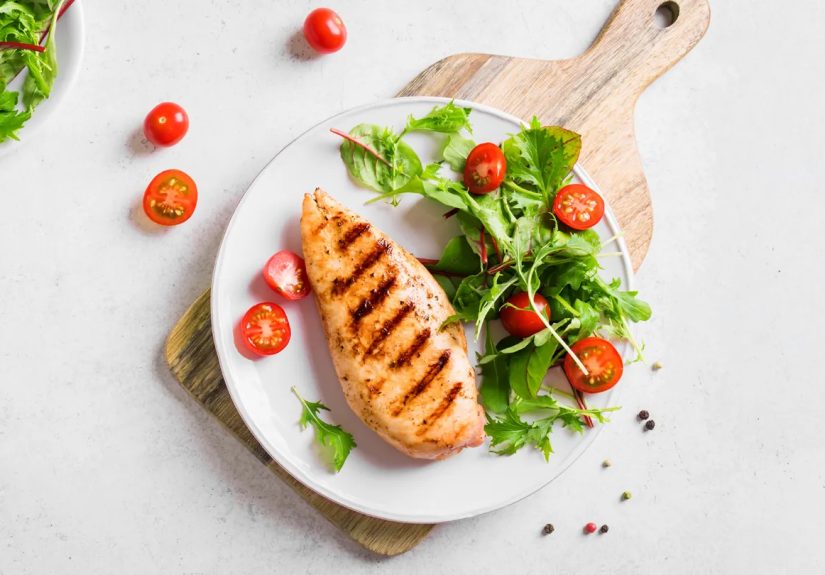
If you want an easy structure that doesn’t require counting everything, use a plate method. Most meals look like:
- 1/2 plate: non-starchy veggies (or a mix of veggies + fruit)
- 1/4 plate: protein
- 1/4 plate: high-quality carbs (whole grains, beans, starchy veg)
- + a little fat: olive oil, avocado, nuts, seeds (flavor + satisfaction)
This style of eating helps with fullness, blood sugar steadiness, and overall nutrient intakeaka the stuff that makes a plan doable past Day 3.
2) Protein at every meal (not just “gym people” meals)
Protein supports muscle repair and helps meals feel more filling. Practical ways to “protein-proof” your day:
- Breakfast: Greek yogurt, eggs, cottage cheese, tofu scramble, protein oats
- Lunch: chicken, tuna, salmon, lentils, chickpeas, tempeh, turkey
- Dinner: lean meats, fish, beans, or tofu + a veggie-heavy plate
- Snacks: yogurt, edamame, hummus, jerky, roasted chickpeas
3) Fiber is the quiet MVP
Fiber helps with fullness, digestion, and heart health. Most people don’t get enough, so “lean meal plans” often work better when you intentionally add:
- Beans/lentils (soups, bowls, salads)
- Whole grains (oats, quinoa, brown rice, whole-wheat pasta)
- Fruits/veggies (especially berries, apples, leafy greens, broccoli)
- Nuts/seeds (chia, flax, pumpkin seeds)
4) Carbs are not the villainchoose the ones that help you
If you want to feel “lean,” you’ll probably need energy to train, walk, and live like a human. Carbs are that energy. The trick is quality and timing:
- Choose: fruit, potatoes, oats, brown rice, quinoa, beans, whole grains
- Limit: sugary drinks, ultra-processed snacks that don’t keep you full
- Time it: include carbs around workouts if you train regularly
5) Don’t forget sleep and stress (yes, they count)
Meal plans aren’t just food. Poor sleep and chronic stress can make cravings louder and recovery harder. A “lean” lifestyle is boringly powerful: consistent meals, movement, sleep, and stress management. Boring wins.
Your Lean Meal Plan Blueprint (Copy/Paste This Into Real Life)
Use this formula to make meals without overthinking:
- Protein: palm-sized portion (or a generous scoop for plant protein)
- Veg: 2 fists (salad, roasted veggies, stir-fry, soup)
- Carb: 1 cupped-hand (more on heavy training days, less on rest days if desired)
- Fat: 1 thumb (olive oil, nuts, seeds, avocado)
Not perfect. Just consistent. Consistency is the glow-up.
7-Day Meal Plan for a Lean, Strong, Satisfied You
How to use this: Mix and match. Repeat meals you like. Swap proteins (chicken ↔ tofu ↔ beans) and grains (rice ↔ quinoa ↔ potatoes). Add more food if you’re hungry, training hard, or feeling low energy.
Day 1
- Breakfast: Greek yogurt parfait (berries + granola + chia seeds)
- Lunch: Big salad + grilled chicken (or chickpeas) + olive oil vinaigrette + whole-grain roll
- Dinner: Salmon, roasted broccoli, and quinoa
- Snack: Apple + peanut butter
Day 2
- Breakfast: Veggie omelet (or tofu scramble) + fruit
- Lunch: Turkey or hummus wrap with lots of veggies + side of grapes
- Dinner: Stir-fry: tofu/chicken + mixed veggies + brown rice
- Snack: Cottage cheese (or soy yogurt) + pineapple
Day 3
- Breakfast: Overnight oats (milk/alt milk + oats + cinnamon + berries)
- Lunch: Lentil soup + side salad
- Dinner: Taco bowl: lean ground turkey/beans, peppers/onions, salsa, avocado, and a small scoop of rice
- Snack: Carrots + hummus
Day 4
- Breakfast: Smoothie: protein yogurt (or protein milk) + banana + spinach + peanut butter
- Lunch: Quinoa bowl: roasted veggies + chickpeas + feta (optional) + lemon-olive oil
- Dinner: Sheet-pan chicken (or tempeh) + sweet potato + green beans
- Snack: Handful of nuts + a mandarin
Day 5
- Breakfast: Avocado toast + eggs (or white-bean mash) + berries
- Lunch: Tuna salad (or smashed chickpea salad) over greens + crackers
- Dinner: Shrimp (or tofu) pasta with whole-wheat pasta + marinara + extra veggies
- Snack: Edamame with sea salt
Day 6
- Breakfast: Protein pancakes (or regular pancakes + a side of Greek yogurt) + fruit
- Lunch: Leftover dinner bowl (protein + veg + carb) with a quick sauce
- Dinner: Turkey chili (or bean chili) loaded with peppers and beans
- Snack: Popcorn + a cheese stick (or a dairy-free protein snack)
Day 7
- Breakfast: Breakfast bowl: eggs/tofu + sautéed veggies + potatoes
- Lunch: “Snack plate” lunch: turkey/edamame + fruit + veggies + hummus + whole-grain crackers
- Dinner: Homemade “takeout” night: teriyaki salmon/tofu + stir-fry veg + rice
- Snack: Dark chocolate square + strawberries (yes, joy is allowed)
Lean Meal Prep That Doesn’t Steal Your Weekend
You don’t need a seven-hour Sunday ritual. Try this 60–90 minute prep that makes the week easier:
- Pick 2 proteins: (chicken + tofu) or (turkey + beans) or (salmon + lentils).
- Pick 2 carbs: rice/quinoa + potatoes or oats + whole-grain pasta.
- Prep 3 veggies: one salad base + one roasted tray + one “grab-and-go” (baby carrots, cucumbers).
- Make 1 sauce: salsa, vinaigrette, yogurt herb sauce, or peanut-lime sauce.
Now you can mix-and-match without cooking from scratch every day. Your future self will be emotionally moved.
Grocery List (Lean-Friendly, Budget-Friendly)
- Proteins: eggs, Greek yogurt, chicken breast/thighs, canned tuna, salmon, tofu/tempeh, beans/lentils
- Carbs: oats, brown rice, quinoa, sweet potatoes, whole-wheat pasta, whole-grain bread
- Veg + fruit: salad greens, broccoli, peppers, onions, carrots, berries, apples, bananas, citrus
- Fats + flavor: olive oil, avocado, nuts, chia/flax, salsa, spices, mustard, vinegar
Common Mistakes That Make “Getting Lean” Harder
- Skipping breakfast and then “mysteriously” eating the pantry at 4 p.m.
- Too little protein, so meals don’t satisfy and snacking gets intense.
- Too few carbs on training days, causing low energy and rough workouts.
- All-or-nothing thinking: one off-plan meal becomes “I ruined everything.” (You didn’t.)
- Not planning snacks, so you end up with whatever is closest and loudest.
How to Adjust the Plan for Your Body and Your Life
If you’re strength training
Prioritize protein at each meal and include carbs around workouts. A post-workout meal can be simple: yogurt + fruit, or a rice bowl with protein and veggies.
If you’re vegetarian
Use tofu, tempeh, edamame, lentils, chickpeas, Greek yogurt/eggs (if you eat them), and consider pairing plant proteins with whole grains for variety.
If you’re always hungry
Add volume: more veggies, beans, soups, and high-fiber carbs. Also check sleepyour appetite hormones are not impressed by 4 hours a night.
If you’re busy
Choose “assembly meals”: rotisserie chicken + salad kit + microwave rice; yogurt + fruit + nuts; canned tuna + crackers + veggies. Done.
Real-World Experiences: What Actually Makes a Lean Meal Plan Stick (About )
Here’s the part nobody tells you: the “best” meal plan isn’t the fanciest. It’s the one you can repeat when your week goes off the railsbecause weeks always go off the rails.
Experience #1: The Breakfast Upgrade Effect. A lot of women notice that when breakfast includes real protein (not just coffee and vibes), the entire day gets calmer. Instead of a mid-morning snack scavenger hunt, they feel steady. The win isn’t “less eating”it’s less chaotic eating. Something as simple as Greek yogurt with berries, or eggs with toast and fruit, can make lunch choices easier because you’re not trying to recover from a hunger emergency.
Experience #2: The 3 p.m. Trap Is Real. Many people assume they “lack discipline” when they crave sugar in the afternoon. But a common pattern is a lunch that’s light on protein and fiber (like a salad that’s basically crunchy water). Then 3 p.m. hits, and suddenly you’re bargaining with a vending machine. The fix is boring and effective: add a real protein portion to lunch and plan a snack you actually likeapple + peanut butter, hummus + crackers, yogurt + fruit. When you plan it, it feels like a choice, not a rescue mission.
Experience #3: Meal Prep Is Really Decision Prep. The biggest benefit of prepping isn’t gourmet containers. It’s reducing decisions when you’re tired. Women who stick with “lean” habits often have a few defaults: a go-to breakfast, a go-to lunch formula, and two quick dinners they can rotate. They don’t need perfect variety; they need reliable fallbacks. Paradoxically, that reliability makes room for flexibilitybecause when you’re not stressed, you can enjoy a spontaneous dinner out without feeling like you “broke the plan.”
Experience #4: Social Life Doesn’t Have to Be a Food Trial. A sustainable lean plan leaves space for normal stuff: birthdays, holidays, Friday-night tacos. Many women find it helps to use a simple rule: build a balanced plate most of the time, and when you’re out, prioritize protein + veggies first, then enjoy what you came for. That way, you’re not “being good” or “being bad.” You’re just being a person who eats.
Experience #5: The Goal Shifts from “Smaller” to “Stronger.” The most motivating change is when “lean” stops being about shrinking and starts being about performancebetter workouts, better energy, better mood, better sleep. That mindset makes food feel like support, not a scoreboard. And ironically, that’s often when results finally show upbecause consistency becomes easier when you’re not at war with your appetite.
Conclusion: Your Lean Plan Should Feel Like a Life, Not a Punishment
Getting lean in a healthy way is mostly about repeating simple meals that keep you full, energized, and consistent. Use a plate method, include protein and fiber, prep a little, and let the plan flex when life happens. If your plan makes you miserable, it’s not a planit’s a prank.