Table of Contents >> Show >> Hide
- Table of Contents
- The medical mystery that grabbed the internet
- Can someone really go two years without sleep?
- When “I never sleep” means something else
- Why sleep loss can make your eyes feel like they’re “melting”
- What experts usually check in severe insomnia
- Treatments that actually have receipts
- Red flags: when this is urgent
- Conclusion: the mystery is realeven if the number is fuzzy
- Experiences: What Extreme Insomnia Can Feel Like (and Why It’s So Hard to Explain)
- The night becomes a long, repeating hallway
- Bedtime dread is real (and it feeds itself)
- “I feel awake” doesn’t always match what the brain is doing
- The eye symptoms can become the loudest symptom
- Trying to “fix it” can accidentally make it worse
- When improvement happens, it’s often unevenand that’s normal
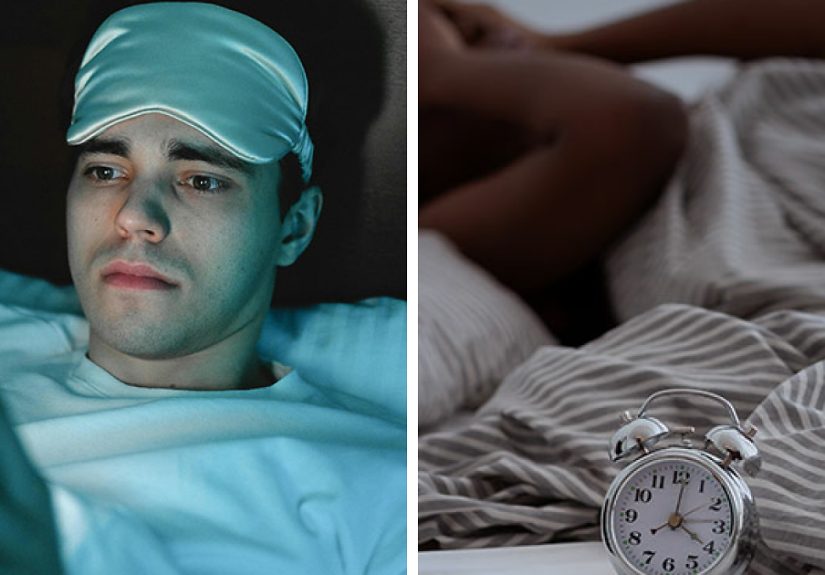
Imagine being stuck on the world’s worst group project: your body keeps showing up, but sleep never logs on. That’s the vibe behind a viral story about a man who says he hasn’t slept in nearly two yearsand that his eyes feel like they’re “melting” out of his skull.
It’s the kind of headline that makes you blink twice (which, ironically, is something you should definitely do more when you’re sleep-deprived). But underneath the shock value is a very real, very human issue: severe insomnia and sleep loss can feel like torturephysically, mentally, emotionallyand the “mystery” part is often the hardest. When doctors can’t quickly label what’s happening, patients can feel dismissed, doubted, or bounced around like a medical pinball.
This article breaks down what could be going on in cases like this, why the “two years with zero sleep” claim is medically complicated, what sleep specialists typically investigate, and why eye symptoms can get so intense. We’ll also cover practical, evidence-based routes people actually use to climb out of the insomnia pitplus a longer, experience-focused section at the end (because the lived reality matters, too).
The medical mystery that grabbed the internet
The story making the rounds is simple and terrifying: a man says sleep vanished from his lifeno drifting off, no “accidental nap,” no mercy. As weeks became months, the symptoms reportedly piled up: crushing fatigue, brain pressure, pain, balance problems, blurred vision, and the unforgettable line about his eyes feeling like they’re “melting.”
Whether every detail is perfectly documented or not, the core theme is believable: people with severe insomnia can become desperate, and the desperation is not a personality flawit’s a predictable response to prolonged sleep disruption. Sleep isn’t a luxury upgrade. It’s the operating system update your brain and body require to keep functioning.
And when someone says, “I haven’t slept,” what they often mean is: “I haven’t had restorative sleep.” Or: “I’m terrified of bed.” Or: “My nights feel endless.” Sometimes, it’s also literalbut it still needs objective confirmation, because the brain is weird and sleep can hide in plain sight.
Can someone really go two years without sleep?
Here’s the uncomfortable truth: “two years with zero sleep” is extraordinarily unlikelyand that doesn’t mean the suffering isn’t real.
In clinical sleep medicine, there’s an important difference between:
- Total absence of sleep (no measurable sleep on objective testing), and
- Subjective sleeplessness (feeling awake all night, even if sleep occurs in short, fragmented, or lightly perceived chunks).
When people are severely sleep-deprived, the brain often tries to “steal” sleep in tiny bursts called microsleepsbrief, involuntary episodes that can last seconds. People can appear awake (sometimes even with eyes open) yet their brain isn’t fully processing information. That’s one reason extreme wakefulness claims are hard to verify without monitoring.
Also: truly prolonged, severe sleep loss tends to cause escalating problemsattention lapses, mood instability, cognitive impairment, and, in many cases, hallucinations. Research reviews of sleep deprivation show perceptual distortions and hallucinations can become much more likely after extended wakefulness (often within a couple of days), and can intensify the longer someone stays awake.
So what’s the fairest way to say it? A person might honestly experience their nights as sleepless for months or yearswhile still getting intermittent, light, unstable, or fragmented sleep that doesn’t feel like sleep. That doesn’t make them a liar. It makes them a human with a nervous system stuck in overdrive.
When “I never sleep” means something else
1) Paradoxical insomnia (sleep state misperception)
One of the most misunderstood possibilities is paradoxical insomnia, sometimes called sleep state misperception. People with this condition feel like they barely sleep (or don’t sleep at all), but objective testing can show a more normal amount of sleep than they believe. The gap between experience and measurement is realand incredibly distressing.
Why it happens isn’t fully settled. Theories include higher cortical arousal during sleep, memory/attention biases (remembering wake more vividly than sleep), and sleep that’s lighter or more fragmented than it appears on the surface.
2) Hyperarousal: when your body treats bedtime like a threat
Insomnia isn’t always about “bad habits.” Chronic insomnia can be driven by a state of hyperarousalyour brain and body running hot with stress hormones, worry, trauma responses, pain, or conditioned fear of sleep. After enough rough nights, the bed can become a cue for anxiety. You lie down, and your nervous system responds like: “Cute. Anyway, here’s a full adrenaline playlist.”
3) Fragmented sleep that doesn’t feel like sleep
Even when sleep occurs, it might be broken into short pieces by:
- Obstructive sleep apnea (repeated breathing disruptions)
- Restless legs syndrome / periodic limb movements
- Chronic pain conditions
- Medication effects (stimulants, some antidepressants, steroids)
- Substance use (including heavy alcoholoften worsens sleep quality)
4) Circadian rhythm disorders
Sometimes the “can’t sleep” story is really a “can’t sleep when society demands” storyyour internal clock is misaligned. Shift work disorder, delayed sleep-wake phase disorder, and other circadian issues can cause brutal insomnia at night and exhaustion at the wrong times.
5) Rare neurologic or autoimmune conditions
Very rare syndromes exist where sleep architecture is profoundly disrupted (for example, conditions grouped under agrypnia excitata), and there are rare neurodegenerative diseases like fatal familial insomnia (FFI). These are uncommon, serious, and typically come with other progressive neurologic or autonomic symptomsand they require specialized evaluation. Mentioning them isn’t meant to alarm; it’s meant to show why a careful workup matters when symptoms are extreme.
Why sleep loss can make your eyes feel like they’re “melting”
The “melting eyes” phrase sounds dramaticuntil you’ve had severe dry eye or ocular surface irritation. Then it sounds… accurate. Sleep disruption can hammer your eyes in multiple ways:
Dry eye disease: burning, grit, blur, redness
Dry eye can cause burning, stinging, a gritty “sand in the eyes” sensation, redness, watering, and blurred vision. Sleep deprivation has been shown to affect tear film stability and tear secretion, which can worsen ocular surface symptomsespecially if dry eye already exists.
Less blinking + more screen time
When people can’t sleep, they often scroll. (Hello, 3:17 a.m. doomscroll.) Prolonged screen use reduces blink rate, increasing tear evaporation. The result: dry, irritated eyes that feel like they’ve been rubbed with a tiny cactus.
Inflammation, pain sensitivity, and “everything feels louder”
Sleep loss doesn’t just make you tired; it can crank up pain sensitivity and inflammation signaling. That can make eye discomfort feel more intense and harder to tolerate.
When eye symptoms are a big deal
Dry eye is common, but severe eye pain, sudden vision changes, light sensitivity, or one eye becoming markedly worse can signal other issues (infection, inflammation, corneal problems). Those deserve prompt evaluationespecially if someone is exhausted, rubbing their eyes, or using random drops in desperation.
What experts usually check in severe insomnia
If someone reports extreme, persistent insomniaespecially with functional declinesleep specialists typically want objective data plus a whole-body context. A thorough evaluation may include:
1) A detailed sleep history (and yes, the “boring” questions matter)
- When did it startsuddenly or gradually?
- Any trigger (stress, trauma, illness, medication change, shift work)?
- Time in bed vs. estimated sleep time
- Daytime sleepiness vs. fatigue (not the same)
- Caffeine, nicotine, alcohol, supplements
- Snoring, gasping, restless legs, nightmares
2) Sleep diary + actigraphy
Actigraphy (a wearable that tracks movement) can help estimate sleep-wake patterns over weeks. It’s especially useful when the complaint is long-term and patterns matter.
3) Polysomnography (overnight sleep study)
A sleep study can detect sleep apnea, limb movements, unusual sleep architecture, and other disturbances. It can also reveal whether someone is getting more sleep than they perceiveimportant in suspected paradoxical insomnia.
4) Medical and mental health screening
Insomnia is often connected to (or worsened by) anxiety, depression, PTSD, chronic pain, thyroid issues, reflux, neurologic conditions, and medication effects. Treating insomnia without addressing drivers can be like fixing a leaky roof with a decorative umbrella.
5) Eye evaluation (often overlooked, but crucial here)
Given severe burning, blurred vision, or “melting” sensations, an ophthalmologist or optometrist may evaluate for dry eye disease, meibomian gland dysfunction, corneal surface damage, allergic eye disease, medication side effects, and more.
Treatments that actually have receipts
If you’ve ever been told to “just relax” when you can’t sleep, you already know that advice is about as useful as telling someone with a broken leg to “just walk it offconfidently.” Evidence-based insomnia care tends to focus on CBT-I first, then layered supports when needed.
CBT-I: the first-line heavy hitter
Cognitive Behavioral Therapy for Insomnia (CBT-I) is widely recommended as the first-line treatment for chronic insomnia. It targets the behaviors and thought patterns that keep insomnia goingwithout relying solely on medication. Components commonly include:
- Stimulus control: re-associating bed with sleep (not worry, work, or three seasons of a show you don’t even like)
- Sleep restriction therapy: temporarily limiting time in bed to consolidate sleep (counterintuitive, but powerful when supervised)
- Cognitive work: reducing catastrophic thinking (“If I don’t sleep tonight, my life is over”)
- Relaxation training: downshifting the nervous system
- Education: understanding sleep drive, circadian rhythm, and why “trying harder” often backfires
CBT-I can be delivered in-person or via telehealth, and structured programs often run a handful of sessions. It’s not always instantly comfortablesleep restriction can feel rough at firstbut it aims for durable improvements rather than a temporary knockout.
Medications: sometimes useful, rarely the whole answer
There are situations where medication is appropriateespecially short-term, or alongside CBT-I. But long-term reliance can lead to tolerance, side effects, rebound insomnia, and a vicious cycle where fear of not having the pill becomes its own insomnia trigger. Sleep specialists often weigh benefits carefully and prefer targeted, time-limited use when possible.
When insomnia is “secondary,” treat the driver
If sleep apnea is present, treating it (often with CPAP) can dramatically improve sleep. If restless legs is present, addressing iron deficiency or using specific therapies can help. If PTSD or anxiety is fueling hyperarousal, trauma-informed therapy and anxiety treatment can be essential. The best insomnia plan often looks like a team sport, not a single magic trick.
Eye symptom relief that doesn’t require wizardry
If burning, gritty, blurry eyes are part of the picture, typical first steps (guided by an eye clinician) may include:
- Artificial tears (preservative-free options if using frequently)
- Warm compresses and lid hygiene (especially for meibomian gland dysfunction)
- Screen breaks (the 20-20-20 rule: every 20 minutes, look 20 feet away for 20 seconds)
- Humidifier and reducing direct fan/AC blowing on the face
- Nighttime protection (ointments or moisture goggles in some casesask your clinician)
- Prescription therapies for moderate-to-severe dry eye (if indicated)
And yesfixing sleep can help eyes, and fixing eyes can help sleep. Pain and irritation are very effective at keeping the brain on high alert.
Red flags: when this is urgent
If someone is experiencing severe insomnia with major physical symptoms, it’s worth taking seriously. But certain signs should move the situation into “get help now” territory:
- Suicidal thoughts, self-harm urges, or feeling unsafe
- Hallucinations that are escalating, paranoia, or severe confusion
- Chest pain, fainting, or severe neurologic symptoms
- Sudden vision changes, severe eye pain, or light sensitivity
If you’re in the U.S. and you or someone you know is in immediate danger or thinking about self-harm, call 988 (Suicide & Crisis Lifeline) or emergency services. Sleep deprivation can distort judgment; getting support quickly matters.
Conclusion: the mystery is realeven if the number is fuzzy
A headline like “hasn’t slept in two years” might not map neatly onto how sleep is measured in a lab. But the lived experienceunrelenting nights, a body that won’t shut down, eyes burning, brain fog, desperationcan be brutally real.
The most productive path forward is usually a two-track approach:
- Objective sleep evaluation (to clarify what sleep is happening, what’s fragmenting it, and whether paradoxical insomnia is in play)
- Evidence-based treatment (CBT-I plus targeted medical care for drivers like apnea, pain, anxiety, circadian issuesand eye disease)
Most importantly: people with extreme insomnia deserve to be taken seriously. Even when the story sounds unbelievable, the suffering rarely is. And in many cases, there is a map outone careful, data-backed step at a time.
Experiences: What Extreme Insomnia Can Feel Like (and Why It’s So Hard to Explain)
When people say, “No one understands,” they’re not being dramaticthey’re describing a communication problem. Severe insomnia can be invisible on the outside, and words often fail to capture what’s happening internally. Here are common experience patterns clinicians hear again and again, especially from people who feel “awake for months” or “awake for years.”
The night becomes a long, repeating hallway
Many describe nighttime as a loop: you lie down, close your eyes, and instead of drifting, your brain starts narrating. You’re not thinking on purposeit’s more like your mind is stuck in “autoplay.” Some people replay conversations, scan for danger, or obsess over tomorrow. Others feel a strange physical buzz: the body is exhausted, but the nervous system refuses to power down. It can feel less like insomnia and more like being trapped on the loading screen of sleep.
Bedtime dread is real (and it feeds itself)
After enough bad nights, bedtime can trigger anxiety all by itself. People describe the bed as a “test” they keep failing. That failure becomes terrifying, because they know what the next day will feel like: headache, irritability, clumsy thinking, and a sense that emotions are running without brakes. This fear can create a vicious feedback loopworry increases arousal, arousal delays sleep, and the delay “proves” the worry was right.
“I feel awake” doesn’t always match what the brain is doing
Some people are shocked when testing suggests they slept more than they believed. Their reaction is often: “That’s impossibleI remember everything.” What’s tricky is that light, fragmented sleep can be perceived as wakefulness, and brief awakenings can dominate memory. People may experience micro-awakenings or shallow sleep that never feels refreshing. The result is a deeply honest statement: “I didn’t sleep,” meaning “I didn’t recover.”
The eye symptoms can become the loudest symptom
In severe insomnia, eyes often become a focal point of misery: burning, gritty discomfort, pressure around the orbit, blurred vision that comes and goes, sensitivity to light. People may start describing it in extreme language“my eyes are melting,” “my eyeballs feel sunburned,” “it’s like sandpaper when I blink.” If they’re spending long nights on screens or under harsh lighting, the discomfort can escalate. And once eye pain enters the picture, it can keep the brain alertmaking sleep even harder. It’s a cruel tag-team match: insomnia fuels eye irritation, and eye irritation fuels insomnia.
Trying to “fix it” can accidentally make it worse
A common experience is cycling through solutions: new supplements, new routines, stronger medications, different time zones, different beds, different hacks. Some people report getting a brief winthen rebound insomnia hits. Others feel sedated but still awake, which is uniquely unpleasant: the body feels drugged while the mind keeps running. This is one reason CBT-I, though unglamorous, can be so effective: it targets the patterns that keep insomnia alive, rather than chasing a perfect sedative.
When improvement happens, it’s often unevenand that’s normal
People who recover from severe insomnia often describe progress as “two steps forward, one step back.” They may sleep a few hours and feel hopeful, then have a rough night and panic that they’re back at zero. Many improve when they stop treating sleep like a performance and start treating it like a biological process: consistent wake time, structured wind-down, reduced time in bed when sleep is fragmented, and addressing drivers like anxiety, apnea, pain, or dry eye disease. The first real relief is often emotional: the return of confidence that sleep can happen again.
If you recognize yourself in these experiences, you’re not aloneand you’re not “weak.” Severe insomnia is a legitimate medical and psychological condition. The path out is usually not a single miracle. It’s a plan, a specialist, objective data, and a set of tools that slowly pull your nervous system back from the edge.