Table of Contents >> Show >> Hide
- Why Lions & Tigers Wallpaper Works (Even If You’re Not a Maximalist)
- Pick Your “Big Cat” Aesthetic
- Wallpaper Types: What to Buy (So You Don’t Hate It Later)
- Where Lions & Tigers Wallpaper Looks Best
- How to Choose the Right Scale, Color, and Layout
- Installation: The Not-So-Scary Guide
- Care & Maintenance: Keep Your Wallpaper Looking Sharp
- Removal & Updating Later (Because Taste Evolves)
- Design Ideas You Can Steal Immediately
- Real-World Experiences: What It’s Like Living With Big-Cat Wallpaper (Extra )
- Conclusion
If your walls could talk, would they whisper “calm minimalist oasis”… or would they roar?
Lions & Tigers wallpaper is for the second optionthe people who want a space that feels bold,
warm, and a little bit adventurous without having to adopt an actual 400-pound roommate.
Whether you’re going for glamorous “old Hollywood safari,” playful nursery jungle vibes, or a sleek modern mural
that makes your Zoom background look like a boutique hotel, big-cat wallpaper can be surprisingly versatile.
This guide breaks down how to choose the right lion or tiger wallpaper, where it looks best, what materials
actually hold up in real life, and how to install it without turning your hallway into an abstract art project.
(No shade to abstract artjust not when it’s made of bubbles and crooked seams.)
Why Lions & Tigers Wallpaper Works (Even If You’re Not a Maximalist)
Lions and tigers are instant “statement makers.” They communicate strength, confidence, and a touch of wildness
but you can dial the intensity up or down depending on the design style:
- Realistic big-cat photography or illustration: Dramatic and cinematicbest as a mural or a single accent wall.
- Patterned tiger stripes or lion motifs: More graphic and flexiblegreat in smaller spaces like powder rooms or entryways.
- Vintage engravings and sketch styles: A “library-with-a-secret-passage” vibe that plays nicely with traditional decor.
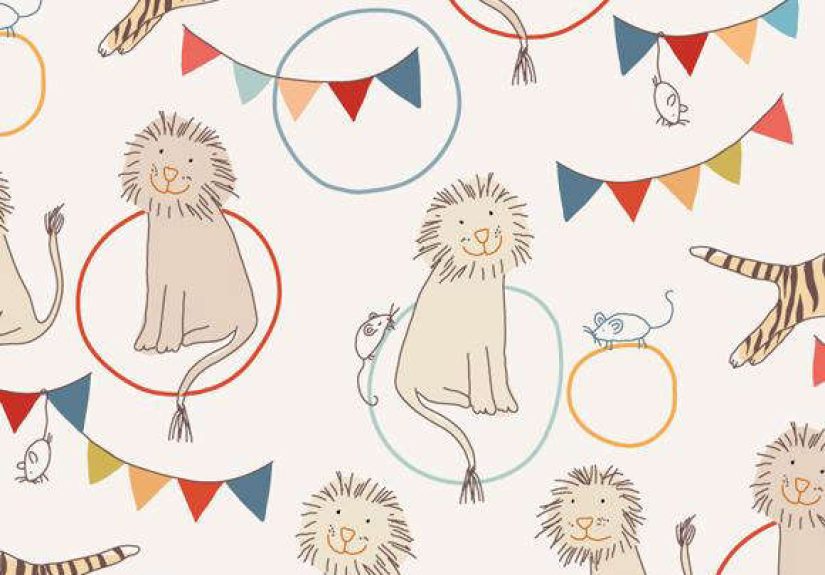
- Playful or cartoon jungle cats: Perfect for nurseries, kids’ rooms, and anyone who believes your home should be fun.
The magic is contrast: a strong motif on the walls can make the rest of your room feel more intentional,
even if your furniture style is simple. Think of it as the leather jacket of interior design: you don’t need
a whole biker gangjust one great piece.
Pick Your “Big Cat” Aesthetic
1) The Regal Lion: Warm, Classic, and Slightly Fancy
Lion imagery reads “heritage” and “grounded.” It pairs well with warm neutrals, brass accents, dark woods,
and textures like velvet or linen. A lion mural behind a headboard can feel like a boutique suite; a repeating
lion motif in a study can look classic and collected.
Works best with: camel, sand, cream, olive, tobacco brown, charcoal, antique gold.
2) The Tiger: Energetic, Modern, and a Little Dangerous (In a Good Way)
Tigers bring motion. Stripes create instant rhythm, and tiger-themed murals can feel lush and modernespecially
with deep greens, inky blues, or black-and-white line art. If lions are “grand estate,” tigers are “cool city loft
that happens to have a jungle side.”
Works best with: forest green, black, white, terracotta, deep navy, warm gray.
3) The Safari Mix: Lions + Tigers + Botanicals
Big cats look especially good when they’re “in habitat”think palms, monstera leaves, vines, and tropical florals.
This is the easiest way to make the wallpaper feel cohesive rather than like your wall is wearing a costume.
Pro move: Pull one leaf color into your textiles (pillows, curtains, a rug) to tie the whole room together.
Wallpaper Types: What to Buy (So You Don’t Hate It Later)
The print is the fun part. The material is the “future you” part. Pick based on where it’s going and how long you
want it to live there.
Peel-and-Stick (Removable Wallpaper)
Peel-and-stick is popular because it’s DIY-friendly, mess-free, and renter-appropriate when used on the right
surface. It’s best for accent walls, smaller rooms, and people who prefer commitment levels closer to “dating”
than “marriage.”
- Best for: rentals, nurseries, offices, quick makeovers, feature walls.
- Watch out for: heavily textured walls, dusty/dirty surfaces, and ultra-flat paint finishes.
- Tip: Order a sample and leave it up for a few days before committing.
Non-Woven (Often “Paste-the-Wall”)
Non-woven wallpaper is a favorite for a more “pro” look without the most intense installation drama. Many
non-woven papers are durable, breathable, and designed for easier handling during install.
- Best for: living rooms, bedrooms, hallways, long-term installs.
- Tip: If you want a crisp, high-end mural look, non-woven is often a strong choice.
Vinyl (Washable, Tough, and Bathroom-Friendly)
Vinyl wallpapers are practical: they’re typically easier to wipe clean and can handle more humidity than delicate
materials. If your big-cat theme is going somewhere steamy (hello, bathroom) or sticky (hello, kitchen nook),
vinyl is worth considering.
Grasscloth or Natural Fiber Looks
Grasscloth is loved for texture and depthgreat if you want the room to feel layered and warm. But it can be more
delicate, and moisture is not its best friend. If you want a grasscloth vibe with fewer worries, look for textured
wallpapers that mimic the effect.
Where Lions & Tigers Wallpaper Looks Best
Entryway or Foyer
A big-cat accent wall in an entry says “this home has personality.” Keep the surrounding decor simple:
a clean console, a mirror, and one strong light fixture. Let the wallpaper do the talking.
Powder Room
Powder rooms are the official playground of wallpaper. Because it’s small, you can go dramatic without
overwhelming your whole house. A tiger stripe pattern or a moody jungle-cat mural is a classic “wow” moment.
Bedroom Feature Wall
Put a lion mural behind the headboard for a regal, calm focal pointor use a subtle tiger pattern for texture.
Keep bedding mostly solid to avoid pattern overload.
Home Office / Studio
Want a background that reads “creative professional” instead of “laundry pile enthusiast”? A lion or tiger wall
behind your desk is visually rich on camera and can make the room feel more energized.
Kids’ Rooms and Nurseries
Go whimsical: friendly lions, cartoon tigers, or “storybook jungle.” Peel-and-stick is especially handy here,
because kids’ tastes evolve faster than your streaming subscriptions.
How to Choose the Right Scale, Color, and Layout
Scale: Big Cat, Big Decision
- Large murals: Best when you have one clear wall with minimal interruptions (few windows/doors).
- Repeating patterns: Better for rooms with lots of cuts and corners because the design is forgiving.
- Small-scale prints: Good for subtle texture, but can look busy if the room is cluttered.
Color: Match the Mood
For a calmer look, choose neutral big-cat palettes: creams, warm grays, soft browns, muted greens. For drama,
go high contrast: black-and-white tiger stripes, deep emerald jungle scenes, or charcoal backgrounds with golden accents.
Accent Wall vs. Full Room
If you’re new to bold wallpaper, start with one wall. If you’re already the kind of person who owns “statement sunglasses”
and can actually pull them off, a full-room wrap can be incredibleespecially in small, contained spaces.
Installation: The Not-So-Scary Guide
Wallpaper success is mostly preparation. The pattern can be gorgeous, but if the wall isn’t ready, the wallpaper will
find a way to humble you.
Step 1: Prep the Wall Like You Mean It
- Patch holes and cracks, then sand smooth.
- Clean the wall (dust and residue are bubble magnets).
- Prime where neededespecially on new drywall or patched areas.
- Let paint cure fully before applying removable wallpaper.
Step 2: Plan Your Starting Point
Walls aren’t perfectly straight, and corners often lie (politely, but still). That’s why pros use a vertical guide.
Measure carefully and mark a straight plumb line as your “truth line” so the first strip goes on straight.
Step 3: Measure, Cut, and Dry-Fit
Before anything sticks permanently, do a dry fitespecially for tiger stripes or large cat faces where misalignment
is obvious. If your wallpaper has a repeating pattern, factor in extra material for matching. Ordering a bit more than
the exact wall square footage saves stress (and prevents the “one-roll-short tragedy”).
Step 4: Apply (Slowly) and Smooth (A Lot)
- Work top to bottom.
- For peel-and-stick, peel the backing a little at a time and smooth from the center outward.
- Use a smoothing tool to push out bubbles as you go.
- Keep fresh blades for clean cuts around trim and outlets.
Step 5: Trim Cleanly Around Obstacles
Outlets, switches, and trim are where DIY jobs go from “wow” to “hmm.” Turn off power, remove faceplates,
and cut carefully with a sharp blade and straight edge for crisp results.
Care & Maintenance: Keep Your Wallpaper Looking Sharp
- Vinyl: Usually the easiest to wipe cleangreat for high-traffic zones.
- Non-woven: Often durable; follow manufacturer cleaning guidance.
- Grasscloth/natural textures: Be gentle; avoid heavy moisture and harsh scrubbing.
If you’re wallpapering a bathroom, choose a material designed to handle humidity and ensure good ventilation.
Your wallpaper shouldn’t have to fight your shower for dominance.
Removal & Updating Later (Because Taste Evolves)
If you’re using peel-and-stick, removal is typically straightforward on the right surface. For older or traditional wallpaper,
removal often involves loosening adhesive, sometimes with scoring tools and moisture/steam. The key is patience and working
in sections rather than trying to rip everything off like you’re starting a lawnmower.
Design Ideas You Can Steal Immediately
1) “Quiet Luxury” Lion Wall
Choose a soft, sketch-style lion motif in warm neutrals. Pair with cream bedding, a walnut nightstand, and one brass lamp.
The wall feels elevated, not loud.
2) Graphic Tiger Stripe Accent
Black-and-white tiger stripes behind a sofa or desk look modern and sharp. Balance with solid textiles and a few natural elements
(wood, stone, plants) so the pattern doesn’t take over.
3) Jungle Mural in a Powder Room
Go all in: deep green background, tigers in foliage, warm lighting, and simple fixtures. The room becomes a “tiny destination,”
not just a pit stop.
4) Kid-Friendly Safari Corner
Use removable lion-and-tiger wallpaper on one wall, then add a reading nook and a few animal-themed prints. When your kid
inevitably decides they’re “over lions” and now into astronauts, you can swap the wall without remodeling the entire universe.
Real-World Experiences: What It’s Like Living With Big-Cat Wallpaper (Extra )
People often assume bold wallpaper is only fun on day onelike a dramatic haircut or a trendy coffee order you can’t pronounce.
But the day-to-day experience of living with lions & tigers wallpaper is usually less chaotic and more satisfying than you’d think,
especially when you choose the right placement.
In real homes, the most common “aha” moment happens after the furniture goes back in. A big-cat wall can make the entire room feel
more finished, because it creates an obvious focal point. Instead of decorating a blank box, you’re styling around a strong backdrop.
That often leads people to buy fewer random decor items (because the wall is already doing the heavy lifting). The room feels curated
rather than clutteredwhich is a polite way of saying you don’t need twelve small candles to create “ambience.”
Another frequently reported experience: big-cat wallpaper changes how a space feels at different times of day. A tiger mural with deep
greens can look calm in daylight and moody at night, almost like it has its own lighting design. Warm-toned lion prints tend to glow in
afternoon sun, especially with brass or amber lighting nearby. This is why people who install statement wallpaper often become oddly invested
in light bulbs afterward. (It’s not a hobby. It’s “visual optimization.”)
For renters and commitment-shy decorators, peel-and-stick big-cat wallpaper can feel like a superpoweruntil it meets its natural enemy:
wall texture and low-prep decisions. The lived experience here is simple: when walls are smooth, clean, and properly finished, removable paper
can look shockingly professional. When walls are dusty, bumpy, or painted in ultra-flat finishes, the edges may lift, seams can fight you,
and you’ll start bargaining with the universe (“If this strip lays flat, I will become a better person”). The people who are happiest long-term
usually tested a sample first and took wall prep seriously.
In family homes, lion-and-tiger wallpaper often becomes part of daily storytelling. Kids name the cats. Guests point them out. The wall becomes
a conversation starter in a way neutral paint rarely does. Even in adult spaces, the wallpaper sets a moodconfident, adventurous, and slightly
playful. That mood can be especially helpful in transitional spaces like hallways and entryways, where you don’t hang out long, but you want a strong
first impression.
And yes, there’s a practical side. If you choose wipeable materials, life is easier. A powder room wallpaper that can handle a gentle wipe is a
blessing. A delicate texture in a high-traffic hallway may demand more careful living than most of us can realistically promise. The best “real life”
strategy is matching the material to the room: durable where hands touch, dramatic where eyes linger.
Ultimately, living with big-cat wallpaper tends to feel less like “look at me!” and more like “this home has a point of view.” It’s a design choice
that can be bold without being exhaustingespecially when the rest of the room is balanced, simple, and intentional. Your walls don’t have to roar
all day. They just have to know they could.
Conclusion
Lions and tigers make unforgettable wallpaper subjects because they’re naturally iconicand surprisingly flexible in style. Choose your aesthetic
(regal lion, energetic tiger, or lush safari mix), match the wallpaper material to the room, and take prep seriously. If you do, you’ll end up with a
space that feels intentional, elevated, and just wild enough to be interestingwithout requiring you to learn how to safely store raw meat.