Table of Contents >> Show >> Hide
- What Exactly Is “Ginger Bee Sting”?
- Why This Drink Fits Lauren Conrad’s Entertaining Style
- Ingredients (And What Each One Is Doing)
- How to Make Lauren Conrad’s Ginger Bee Sting (Step-by-Step)
- Easy Shortcut Version (When You Want the Vibe, Not the Blender)
- Party Tricks: Make It Look Like a Signature Cocktail
- Smart Swaps and Variations
- Storage, Prep-Ahead, and Practical Notes
- A Quick, Responsible Note About Alcohol
- Frequently Asked Questions
- Final Sip: Why People Keep Making This One
- Experiences & Moments: The Ginger Bee Sting in Real Life (Extended)
Some holiday drinks whisper. Lauren Conrad’s Ginger Bee Sting shows up in a sparkly outfit, kicks the door open,
and says, “Hi. I brought ginger.” It’s a sweet-heat cocktail that tastes like the cozy side of winter: bright lemon, mellow honey,
a warm prickle of cayenne, and a gingery zing that keeps everything from turning cloying.
The recipe popularized under Lauren Conrad’s name (as published by Good Housekeeping) is delightfully straightforward:
fresh ginger blended with water and strained, then stirred with honey, lemon juice, and pinches of cayenne and saltfinished with
blended Scotch and served over ice. It’s quick, party-friendly, and a little unexpected in the best way.
What Exactly Is “Ginger Bee Sting”?
Think of it as a “honey-lemon Scotch cocktail” with a fresh-ginger backbone and a tiny spark of heat. The “bee” part is the honey.
The “sting” is the ginger (and that sneaky pinch of cayenne). The vibe is festive without being fussylike wearing velvet flats:
polished, but still comfortable enough to actually dance.
The Core Flavor Profile
- Sweet: honey brings a floral, rounded sweetness.
- Tart: lemon keeps it crisp and bright.
- Spicy-warm: fresh ginger + cayenne deliver a slow, pleasant glow.
- Balanced: a pinch of salt quietly makes everything taste more “finished.”
Why This Drink Fits Lauren Conrad’s Entertaining Style
Lauren Conrad’s brand has long leaned into approachable elegancepretty details, smart shortcuts, and a “you can totally pull this off”
attitude. That’s also the spirit behind her entertaining book Celebrate, which centers on making gatherings feel special without
making the host feel trapped in the kitchen.
The Ginger Bee Sting fits that philosophy: it’s essentially one flavorful base (ginger + water), one easy whisk-and-stir step, and then
pour over ice. It looks and tastes “signature,” but doesn’t require a bartender’s toolkit or a master’s degree in muddling.
Ingredients (And What Each One Is Doing)
Fresh Ginger: The Star With a Pep Talk
Fresh ginger gives the drink its personality. Unlike ginger ale or ginger beer (which can vary wildly in sweetness and spice),
fresh ginger delivers a clean, sharp bite that feels “alive.” Blending ginger with water and straining it creates a bright, zippy
ginger infusionthink of it as ginger juice’s more chill cousin.
Pro tip: Peel ginger with the edge of a spoon. It’s weirdly satisfying, and you lose less ginger than you do with a knife.
Honey: The “Bee” (And the Texture Upgrade)
Honey sweetens differently than plain sugarit’s deeper, more aromatic, and plays beautifully with lemon. In cocktails, honey is often
turned into “honey syrup” (honey + warm water) so it dissolves easily and doesn’t sink to the bottom like a shy goldfish.
That technique shows up all over modern cocktail guides, including Serious Eats and Liquor.com, because it improves consistency and mixing.
Lemon Juice: The Bright Line That Keeps It Snappy
Fresh lemon makes the drink feel vibrant instead of heavy. This is the same logic behind classics like the Bee’s Knees (honey + citrus + spirit):
the acid is what makes sweetness taste intentional rather than accidental.
Cayenne + Salt: The Tiny Details That Make It Taste “Bar-Level”
Cayenne adds a gentle heat that blooms after the siplike a slow applause. Salt doesn’t make it salty; it makes it balanced.
If you’ve ever tasted lemonade and thought, “Something’s missing,” that something was probably a microscopic pinch of salt.
Blended Scotch: The Cozy Base Note
Blended Scotch is a friendly choice here: it tends to be smoother and less aggressively smoky than many single malts, letting ginger and lemon
stay in the spotlight. If you like a whisper of smoke, choose a blend with a touch of peat. If you prefer mellow and honey-forward, go softer.
The drink is flexiblejust don’t pick something you already hate. No cocktail can emotionally heal a spirit you regret buying.
How to Make Lauren Conrad’s Ginger Bee Sting (Step-by-Step)
The published version credited to Lauren Conrad (via Good Housekeeping) is designed as a small batchperfect for a mini gathering.
Here’s a fully re-written, easy-to-follow method that keeps the original structure and ingredient intent, without copy-pasting.
Step 1: Make the Ginger Base
- Blend peeled fresh ginger with water until the mixture looks like a pale, cloudy ginger “smoothie.”
- Strain it through a fine mesh strainer (or cheesecloth for extra smoothness) into a bowl or measuring pitcher.
- Press gently to extract the flavorful liquid, then discard the solids.
Step 2: Build the Sweet-Tart-Spicy Balance
- Whisk honey into the ginger liquid until it fully dissolves.
- Whisk in fresh lemon juice.
- Add a pinch of cayenne and a pinch of salt. Taste. Adjust slowlycayenne is powerful and will absolutely win a shouting contest.
Step 3: Add Scotch and Serve
- Stir in blended Scotch.
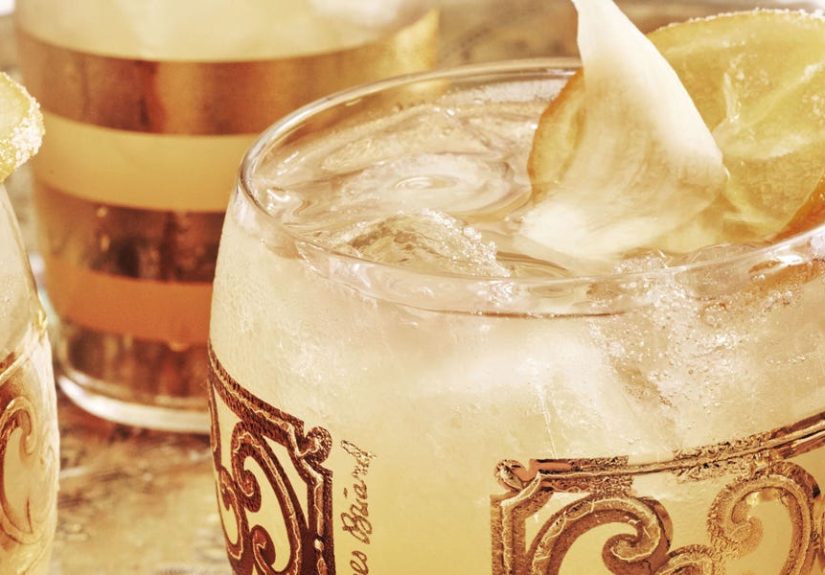
- Serve over ice in rocks glasses (or in pretty vintage glassware if you want the full “LC hosting mood”).
- Optional garnish: lemon wheel, candied ginger, or a thin strip of lemon peel.
Quick Taste Check (So You Nail It Every Time)
- Too spicy? Add a touch more honey and a squeeze of lemon.
- Too sweet? Add more lemon, or dilute with a splash of cold water before serving.
- Too tart? Add honey in small increments (a teaspoon at a time).
- Not “gingery” enough? Grate a little ginger into the blender next time, then strain more thoroughly.
Easy Shortcut Version (When You Want the Vibe, Not the Blender)
If fresh-ginger blending feels like too much on a Tuesday, you can still capture the “Ginger Bee Sting energy” using ginger beer
or ginger syrup. Many modern Ginger Bee Sting-style cocktails lean on whiskey + honey + lemon + ginger beer for speed.
It won’t be identical to the original, but it’ll still taste like sweet heat with sparkle.
Fast Method
- Shake Scotch (or another whiskey), lemon juice, and honey syrup with ice.
- Pour over fresh ice, then top with ginger beer.
- Add a tiny pinch of cayenne (or a spicy rim) if you want the “sting.”
Bonus: this version is easier to scale for a crowd because you can batch the base (spirit + lemon + honey syrup) and top each glass with ginger beer
right before serving.
Party Tricks: Make It Look Like a Signature Cocktail
Batch It Without Losing the Spark
For the original (fresh ginger) version, you can prep the ginger-honey-lemon mixture a few hours early and keep it chilled.
Add Scotch close to serving time for the brightest flavor. For the ginger beer version, batch the base and keep the bubbles separate until the last second.
Glassware & Garnish Ideas
- Vintage coupes: pretty, unexpected, and instantly “occasion.”
- Rocks glasses: classic, sturdy, and easy for mingling.
- Garnish: lemon peel twist, thin lemon wheel, candied ginger, or a tiny rosemary sprig for a wintery aroma.
Food Pairings That Make Sense
- Cheese boards: especially aged cheddar, gouda, or creamy brie with something crunchy.
- Roast chicken or turkey: lemon + ginger cut through savory richness beautifully.
- Spicy appetizers: the honey smooths heat while the ginger keeps things lively.
- Cookies: gingerbread, shortbread, or anything with citrus zest.
Smart Swaps and Variations
Make It a Mocktail
Skip the Scotch. Keep the ginger-honey-lemon base, then top with cold sparkling water or ginger beer.
Add a pinch of cayenne (or a chili-sugar rim) and you’ll still get that “sting.” It’s festive, grown-up, and doesn’t require
explaining why you’re “just having water.” (Sparkling water has better PR anyway.)
Use Ginger Syrup Instead of Fresh Ginger
If you’d rather make a syrup once and use it all week, ginger simple syrup is a classic bar staple. Bon Appétit and The Spruce Eats both
publish methods that boil ginger with sugar and water, then steep and strain. It’s ideal for quick cocktails, tea, or even lemonade.
Turn It Into a “Bubbly” Toast
Want a celebratory sparkle? Make the honey-lemon-ginger base, then add a small splash to a glass and top with sparkling wine.
Keep the cayenne subtle. You’re aiming for “flirty heat,” not “pepper spray at midnight.”
Storage, Prep-Ahead, and Practical Notes
How Long Does the Sweetener Keep?
Honey syrup is commonly stored chilled and used within several days (Serious Eats notes short-term refrigerator storage for best quality).
Ginger syrup is also typically kept refrigerated and used within about a week, depending on method and cleanliness (The Spruce Eats provides similar guidance).
Can I Make the Ginger Base Ahead?
Yesjust keep it cold and sealed. Fresh ginger flavor is brightest the same day, but a few hours in the fridge is totally fine for party prep.
If it separates, whisk or shake it back together.
A Quick, Responsible Note About Alcohol
If you’re serving this at a gathering, it’s helpful to remember what a “standard drink” means in the U.S. (NIAAA defines it as a beverage with
14 grams of pure alcohol). CDC guidance commonly describes moderate drinking as up to one drink a day for women and up to two for menthough
“not drinking at all” is the best option for some people (including pregnancy, certain medications, or specific health conditions).
Frequently Asked Questions
Is this cocktail super spicy?
Not by default. It’s more “warm” than “hot.” The cayenne is a pinch, and you can always dial it down or skip it.
Ginger provides most of the bite, and honey keeps it smooth.
Can I use bourbon instead of Scotch?
Absolutely. Bourbon will make it sweeter and more vanilla-caramel. Scotch keeps it a bit drier and more savory.
Both work with honey and lemon (that trio is practically cocktail folklore at this point).
What’s the easiest way to scale this for a crowd?
Make a big batch of the ginger-honey-lemon mixture, taste and adjust, then add the Scotch close to serving.
Or use the ginger beer shortcut: batch the base and top each glass with ginger beer right before guests sip.
Final Sip: Why People Keep Making This One
Lauren Conrad’s Ginger Bee Sting is the kind of drink that feels “special” without being stressful. The flavor makes sense (sweet, tart, spice, warmth),
the method is approachable, and it fits nearly every cold-weather occasionfrom a holiday party to a random Friday when you want your evening to feel
slightly more cinematic.
If you’re building a signature cocktail lineup, this one earns its spot because it’s memorable. Guests will ask what’s in it.
You’ll tell them: ginger, honey, lemon, Scotch, and a tiny pinch of “trust me.” Then you’ll watch them go back for a second sip.
Experiences & Moments: The Ginger Bee Sting in Real Life (Extended)
Picture the scene: it’s late afternoon, your kitchen is doing that soft winter-light thing, and the playlist is one part “cozy jazz” and two parts
“I’m pretending I’m in a rom-com.” You decide to make Lauren Conrad’s Ginger Bee Sting because it sounds festivebut not the kind of
festive that requires a candy-cane smoke bubble or a tiny bartender’s vest.
The first “experience” happens before you even taste it: ginger’s aroma is basically a mood shift. The moment you peel it, you get that clean,
spicy scent that feels like it could clear your calendar and your sinuses. When you blend ginger with water, it turns into a pale, cloudy mixture that
looks innocentlike it definitely didn’t just text your taste buds “u up?” But then you strain it, and the liquid that drips through is bright and potent,
like the drink version of waking up to a motivational quote that’s slightly aggressive.
Then comes honey. It’s sticky, it’s stubborn, and it moves at the speed of “I’ll get there when I get there.” But once it dissolves into the ginger base,
everything starts feeling intentional. Add lemon, and suddenly it’s not just sweet-and-spicy; it’s crisp. That first taste (before the Scotch) often surprises
people: it’s punchy and refreshing, like a fancy lemonade that went to a wellness retreat and came back with opinions.
Now add the Scotch. The drink deepens immediatelyless “zing” and more “glow.” If you’re serving friends, this is where the reactions get fun.
One person will say, “Oh wow,” like they just discovered ginger has layers. Another will blink twice and quietly smile, because the cayenne arrives late,
taps them on the shoulder, and says, “Hello. I’m the plot twist.” And there’s always one guest who insists they “don’t like sweet drinks,” then keeps
taking tiny sips while pretending it’s purely for research.
The best real-world use case is a holiday gathering where you want something that feels grown-up but not intimidating. The Ginger Bee Sting is sociable:
it doesn’t bulldoze the palate, but it also doesn’t disappear next to food. It holds up beside salty snacks, rich appetizers, and dessert.
And if you serve it in pretty glasswareeven just something with a little sparklepeople treat it like a signature moment. They take a photo.
They ask the name. They ask if it’s “hard to make.” (It isn’t. Don’t ruin the magic.)
Another experience: making it as a mocktail for a mixed crowd. The same baseginger, honey, lemon, and a tiny pinch of cayennetopped with sparkling water
becomes a drink that feels celebratory without being a consolation prize. This is where you realize the Ginger Bee Sting isn’t just a cocktail; it’s a flavor
combination that works like a party trick. People who aren’t drinking still get the “special” factor, and nobody’s stuck holding a sad cup of something beige.
And finally, the most relatable experience of all: the next day, you find a leftover lemon in the fridge and a small knob of ginger on the counter.
You make a mini versionmaybe less Scotch, maybe none at alland suddenly your Tuesday feels like it has better lighting. That’s the quiet magic of this drink.
It’s not just a recipe; it’s a reminder that “a little effort” can taste like a lot of joy.