Table of Contents >> Show >> Hide
- Quick refresher: What is JUUL, and why does it hit differently?
- Common JUUL side effects (short-term)
- Nicotine dependence: the biggest “side effect” that doesn’t feel like oneat first
- JUUL health risks (long-term and bigger-picture)
- Secondhand aerosol: risks for people nearby
- Special situations where JUUL risks can be higher
- Common myths (and the reality check)
- Is vaping ever “better” than smoking?
- How to tell if JUUL use is becoming a problem
- Quitting JUUL: practical, non-shamey strategies that actually help
- Experiences people commonly report with JUUL (about )
- Conclusion
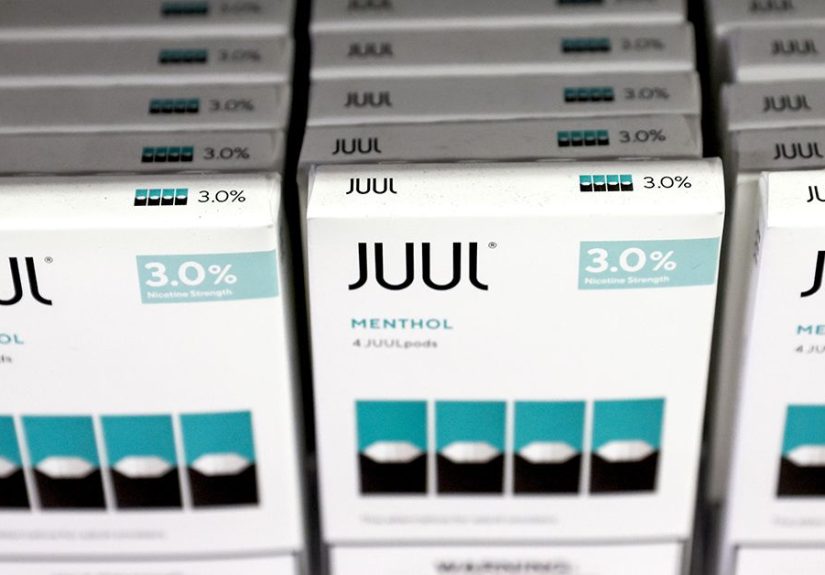
JUUL is tiny. Like “could-mistake-it-for-a-USB-drive” tiny. But the health conversation around it is anything but small. JUUL is a brand of e-cigarette (also called a vape) that delivers nicotine through an inhaled aerosol. And while there’s no burning tobacco like a traditional cigarette, “no smoke” does not mean “no consequences.”
This guide breaks down the most common JUUL side effects, the bigger-picture health risks of vaping nicotine, and what to watch for if you or someone you care about is using JUUL. You’ll also find practical, non-judgmental quitting supportbecause the goal here is information, not a lecture.
Quick refresher: What is JUUL, and why does it hit differently?
JUUL is an electronic nicotine delivery system. It heats a liquid (“e-liquid”) to create an aerosol you inhale. Many JUUL products use nicotine salts, which can feel smoother than “freebase” nicotine and may make it easier to inhale higher nicotine levelsespecially for new users.
It’s important to understand one nuance that gets lost online: some JUUL products have received FDA marketing authorization through a regulatory pathway, but that is not the same thing as “safe for your lungs” or “healthy.” It means the FDA determined certain products met a legal standard for marketing in the U.S. under specific conditionsnot that vaping is harmless.
Common JUUL side effects (short-term)
Short-term effects can show up fastsometimes within minutesbecause nicotine is a stimulant. Some people feel these effects right away, while others notice them after repeated use.
1) Throat and airway irritation
- Scratchy throat
- Coughing
- Wheezing or chest tightness (especially if you have asthma or allergies)
- Dry mouth
Aerosol can irritate airway lining. If someone already has sensitive lungs, that irritation may feel bigger and more frequent.
2) Headaches, dizziness, or nausea
These are classic “too much nicotine” signals, especially in people who don’t have a nicotine tolerance. You might hear someone describe it as feeling “spun,” “queasy,” or like their head is buzzing.
3) Increased heart rate and “wired” feelings
Nicotine can temporarily raise heart rate and blood pressure. Some users report feeling jittery, restless, or unusually anxious after vapingespecially with higher-nicotine products.
4) Sleep problems
Because nicotine is stimulating, it can interfere with falling asleep or staying asleep. People may also wake up craving nicotine (which is a big clue that dependence is developing).
5) Mouth issues
Dry mouth isn’t just annoyingit can contribute to bad breath and can make teeth and gums more vulnerable over time. Some users notice sore gums or more frequent mouth irritation.
Nicotine dependence: the biggest “side effect” that doesn’t feel like oneat first
Nicotine dependence often starts quietly. It’s not always dramatic. Sometimes it looks like:
- Thinking about vaping more than you used to
- Feeling irritable or “off” without it
- Needing it to focus, relax, or feel normal
- Reaching for it automatically during stress, boredom, or social situations
Nicotine is highly addictive. Over time, your brain learns to expect it. That’s why quitting can feel less like “breaking a habit” and more like “arguing with your nervous system.”
Withdrawal symptoms (when you cut back or stop)
- Cravings
- Irritability, mood swings, or anxiety
- Difficulty concentrating (“brain fog”)
- Restlessness
- Sleep disruption
- Increased appetite
Withdrawal is uncomfortable, but it’s also a sign your body is recalibrating. For most people, symptoms peak in the first days and gradually ease.
JUUL health risks (long-term and bigger-picture)
Long-term research is still developing compared with decades of cigarette data, but current evidence raises real concernsespecially for people who never smoked cigarettes and for teens and young adults.
1) Brain effects in teens and young adults
Adolescence is a major brain-development window. Nicotine exposure during this time is associated with problems involving attention, learning, impulse control, and vulnerability to addiction. Translation: nicotine can reshape the “settings” your brain is still installing.
Even if someone thinks, “I’m just vaping, not smoking,” nicotine is still nicotine. And the developing brain is not impressed by semantics.
2) Cardiovascular strain (your heart and blood vessels)
Nicotine activates the sympathetic nervous system (“fight-or-flight”), which can increase heart rate and blood pressure in the short term. Over time, repeated stimulation and exposure to certain aerosol chemicals may contribute to cardiovascular stress and inflammation.
Researchers have flagged concerns about vascular function (how well blood vessels expand and contract) and changes that could matter for long-term heart healthparticularly in people who vape frequently or who also have other risk factors.
3) Respiratory effects (your lungs and airways)
Vaping is not “just water vapor.” E-cigarette aerosol can contain ultrafine particles and chemicals that irritate lung tissue. People who vape may report chronic cough, more mucus, shortness of breath with activity, or bronchitis-like symptoms.
Some studies and analyses have linked e-cigarette use with higher odds of respiratory diagnoses like chronic bronchitis symptoms, and there are ongoing investigations into potential links with COPD over time.
4) Chemical exposure: more than nicotine
What’s in e-cigarette aerosol can vary by device, liquid, temperature, and how it’s used. But in general, aerosol may include:
- Carbonyl compounds (formed when liquids heat), such as formaldehyde-related compounds and other irritants
- Volatile organic compounds and flavoring chemicals
- Metals (from device components), which can appear in aerosols
- Ultrafine particles that can penetrate deep into the lungs
The takeaway: even if vaping reduces exposure to some of the thousands of chemicals produced by burning cigarettes, it can still expose users to substances that aren’t “lung-friendly.”
5) Lung injury headlines: EVALI (and what it doesand doesn’tmean for JUUL)
In 2019–2020, the U.S. saw an outbreak of serious lung injuries known as EVALI (e-cigarette, or vaping, product use-associated lung injury). Investigations strongly linked most cases to THC-containing productsespecially those from informal sourcesand a substance called vitamin E acetate.
That said, the EVALI outbreak is still a reminder of two things:
- Inhaling chemicals into lungs can go wrong quickly when products are contaminated or altered.
- If someone develops sudden breathing problems after vaping, it should be taken seriously.
Seek urgent medical care for severe shortness of breath, chest pain, fainting, or bluish lips/face. (And yes: it’s always better to feel a little dramatic in the ER than to “wait it out” and be wrong.)
Secondhand aerosol: risks for people nearby
Even when someone else is vaping, people around them may be exposed to nicotine and other aerosol components. The levels are typically lower than cigarette smoke exposure, but it’s still not nothingparticularly for infants, kids, pregnant people, or anyone with asthma.
Special situations where JUUL risks can be higher
Pregnancy
Nicotine exposure during pregnancy can harm fetal development. If someone is pregnant and vaping nicotine, the safest move is to talk with a healthcare professional about quitting support as soon as possible.
Asthma and other lung conditions
Vaping can trigger or worsen cough and wheeze in people with sensitive airways. If asthma symptoms ramp up after vaping, that’s a clear sign the lungs are not voting “yes” on this activity.
Heart disease, high blood pressure, or anxiety disorders
Nicotine can aggravate palpitations, elevate blood pressure, and intensify jittery feelings. People with anxiety may also find nicotine worsens the body sensations that trigger panic (racing heart, tight chest).
Common myths (and the reality check)
Myth: “It’s just water vapor.”
Reality: It’s an aerosol that can carry nicotine, irritants, ultrafine particles, and other chemicals.
Myth: “If the FDA authorized some JUUL products, it must be safe.”
Reality: Authorization is a regulatory decision under specific criteria. It does not equal “safe to inhale,” especially for non-smokers or youth.
Myth: “I can quit anytimeso I’m not addicted.”
Reality: Many people can’t accurately feel dependence until they try to stop. If cravings and irritability show up fast, that’s dependence talking.
Myth: “Nicotine is the only issue.”
Reality: Nicotine is a major issue, but aerosol chemistry and device-related exposures matter too.
Is vaping ever “better” than smoking?
For an adult who already smokes cigarettes, switching completely from combustible cigarettes to e-cigarettes may reduce exposure to many toxins created by burning tobacco. Public health agencies generally agree vaping is not harmless, but combustion is uniquely dangerous.
However, two big caveats:
- “Better than smoking” is not the same as “good for you.”
- For teens, young adults, pregnant people, and non-smokers, there is no health upsideonly risk.
How to tell if JUUL use is becoming a problem
Consider these red flags:
- Needing nicotine to feel calm, focused, or “normal”
- Cravings that interrupt school/work or sleep
- Using more often than intended
- Feeling anxious about running out
- Continuing despite cough, chest tightness, or other symptoms
Quitting JUUL: practical, non-shamey strategies that actually help
If you’re ready to stopor even just cut downyou don’t need superhuman willpower. You need a plan that matches how nicotine dependence works.
Step 1: Identify your “automatic moments”
Common triggers include stress, boredom, social situations, driving, studying, or scrolling. Noticing triggers isn’t overthinkingit’s strategy.
Step 2: Make cravings shorter and less bossy
Cravings rise, peak, and fade (often within minutes). Having quick alternatives helps:
- Chewing gum or crunchy snacks
- Cold water through a straw
- Short walk or quick set of stretches
- Texting a supportive friend
- Deep breathing: slow inhale, slower exhale
Step 3: Get support that fits your age and situation
Adults: A clinician can discuss evidence-based options and coaching. Quitlines and digital programs can also help.
Teens: You deserve support too. Consider talking with a trusted adult (parent/guardian, school counselor, coach, nurse, doctor). Many people want to helpyou just shouldn’t have to do it alone.
Step 4: Expect slipsand plan for them
A slip is not a “failure.” It’s data. What was the trigger? What would help next time? Quitting is often a process, not a single heroic moment.
Experiences people commonly report with JUUL (about )
To be clear: everyone’s body and situation are different, and not all experiences are universal. But across health organizations, clinical conversations, and user-reported patterns, a few themes show up again and again. Think of these as “common stories,” not destiny.
The “It was nothing… until it wasn’t” phase
Many people describe JUUL starting as a social thingsomething that happened at a party, during a break, or “just once in a while.” Early on, the effects might feel mild: a little head rush, slight dizziness, maybe a cough that seems easy to ignore. Because it doesn’t smell like cigarettes and doesn’t leave ash, it can feel less serious. Some users even say it felt “cleaner.”
Then tolerance creeps in. The same person who once got dizzy after a few hits may notice they can vape more without feeling ituntil they stop. That’s when the surprise arrives: irritability, restlessness, difficulty focusing, or a weird sense of being “off.” People often describe this as, “I didn’t think I was addicted… I just got cranky without it.” That crankiness is often withdrawal.
The focus trap
A common experience is using nicotine to concentrateespecially during studying or work. Nicotine can briefly sharpen alertness, so it can feel like a productivity hack. But some people report a boomerang effect: concentration improves for a moment, then dips, followed by another craving. Over time, it can start to feel like focus is impossible without vapingless because focus is gone, and more because the brain is expecting nicotine to feel normal.
The “why am I coughing?” moment
Some users report an annoying cough that sticks around, especially in the morning or after vaping sessions. Others notice they get winded faster going up stairs or during sports. A few describe chest tightness that feels like anxiety but shows up most strongly after nicotine use. These symptoms can be easy to dismiss until they become frequent enough to interfere with daily life.
Social stress and the mental load
People also talk about the mental side: worrying about running out, thinking about the next chance to vape, or feeling embarrassed that something small has such a big grip on their mood. For teens, there can be added pressurefear of getting in trouble, feeling judged, or not knowing who to talk to. That stress can become its own trigger, pushing more nicotine use to cope with the stress caused by nicotine use. Yes, it’s as circular as it sounds.
Quitting feels “weird,” then gets better
When people quit, they often describe the first days as the hardest: cravings that pop up out of nowhere, irritability that feels out of character, and sleep that’s temporarily off. But many also report a noticeable shift after a couple of weeksless coughing, fewer cravings, improved stamina, and a sense of relief that their day isn’t organized around nicotine anymore. The common thread is that support helps: telling someone, using a quit program, and having a plan for triggers makes the process far more doable.
Conclusion
JUUL side effects can include throat irritation, cough, headaches, nausea, dizziness, sleep disruption, and a “wired” feeling from nicotine. The bigger concern is the long-term health risk profile: nicotine addiction, potential impacts on the developing teen brain, cardiovascular strain, respiratory irritation, and exposure to potentially harmful aerosol chemicals and metals.
If you vape and want to stop, you’re not weakyou’re dealing with a substance designed to keep you coming back. The most effective approach is a realistic plan, support, and compassion for yourself during the messy parts. Your lungs (and future self) will not be mad about it.