Table of Contents >> Show >> Hide
- Quick IUD Basics (So We’re Speaking the Same Language)
- Biggest Pros of an IUD
- 1) Extremely effective (with basically zero “user error”)
- 2) Long-lasting protection
- 3) Reversible with quick return to fertility
- 4) Low maintenance and discreet
- 5) Hormonal IUDs may make periods lighter (sometimes much lighter)
- 6) Copper IUD is hormone-free
- 7) Can be used as emergency contraception (in some cases)
- Common Cons and Potential Downsides
- 1) Insertion can be uncomfortable (and for some people, very painful)
- 2) Spotting and irregular bleeding can happen at first
- 3) Copper IUD may cause heavier periods and stronger cramps
- 4) No STI protection
- 5) Rare but serious risks exist
- 6) If pregnancy happens with an IUD, it needs urgent evaluation
- Hormonal vs Copper IUD: Which One Fits Your “Period Personality”?
- Who Should Be Cautiousor Avoid an IUD?
- What the Appointment Looks Like (Before, During, After)
- Myths That Deserve to Retire
- Decision Checklist: Ask Yourself These 7 Questions
- Real-World Experiences: What People Commonly Report (About )
- Conclusion
Thinking about an IUD? If remembering a daily pill feels like remembering to water a houseplant (and your plant is… not thriving), an IUD can sound like the “set it and forget it” hero of birth control. But like any method, it has trade-offs. This guide breaks down the biggest IUD pros and cons in plain Englishplus what the insertion feels like, how periods may change, who might want to avoid an IUD, and real-world experiences people commonly report.
Medical note: This article is for general education and doesn’t replace care from a licensed clinician. Your best choice depends on your body, your medical history, and your goals.
Quick IUD Basics (So We’re Speaking the Same Language)
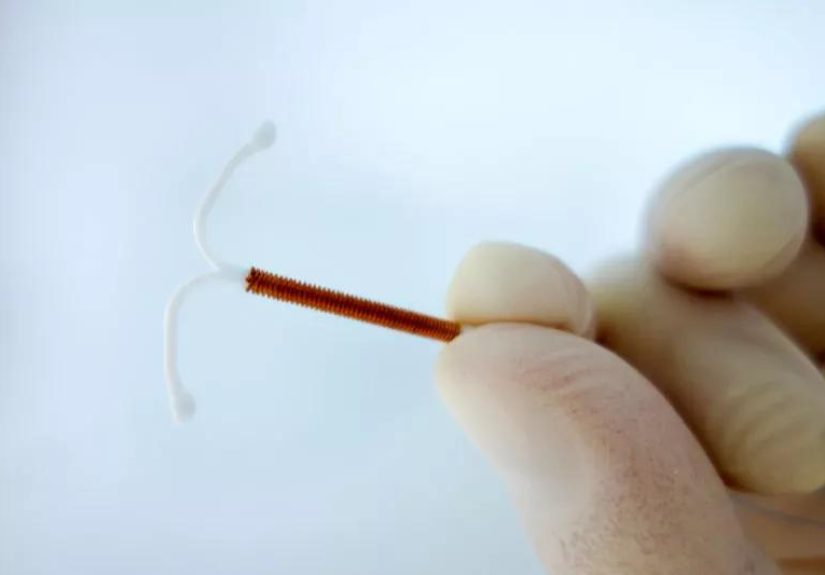
An IUD (intrauterine device) is a small device placed inside the uterus by a healthcare professional. It’s part of a category called long-acting reversible contraception (LARC)meaning it works for years and can be removed whenever you want.
Two main types
- Hormonal IUDs (levonorgestrel): commonly include Mirena, Liletta, Kyleena, and Skyla. They release a low dose of progestin mostly in the uterus.
- Copper IUDs: Paragard is the long-standing option; Miudella is a newer, lower-dose copper IUD approved for a shorter duration.
How IUDs work (the non-mystery version)
Most of the time, IUDs work by preventing fertilizationmaking it very hard for sperm to reach or fertilize an egg. Hormonal IUDs mainly thicken cervical mucus and thin the uterine lining; copper IUDs interfere with sperm function and movement.
Biggest Pros of an IUD
1) Extremely effective (with basically zero “user error”)
IUDs are among the most effective reversible birth control methods because you don’t have to remember anything daily, weekly, or monthly. Once it’s in place, it just… does its job.
2) Long-lasting protection
Depending on the type, an IUD can work for years. Hormonal IUDs vary by brand; Paragard is approved for long-term use; Miudella is approved for a shorter window. In other words: one appointment can cover multiple school years, multiple job changes, and at least one “new year, new me” era.
3) Reversible with quick return to fertility
Want to try for pregnancy later (or just want your options open)? An IUD can be removed during a quick office visit, and fertility typically returns quickly after removal for many people.
4) Low maintenance and discreet
No pharmacy runs, no pill packs in your backpack, no “did I take it?” panic at midnight. You may check for the IUD strings occasionally (your clinician can explain how), but day-to-day, it’s hands-off.
5) Hormonal IUDs may make periods lighter (sometimes much lighter)
Many people notice less bleeding and less cramping over time with hormonal IUDs. Some people stop having noticeable bleeding altogetherthough spotting can happen, especially in the first few months.
6) Copper IUD is hormone-free
If you prefer to avoid hormonesor you’ve had unpleasant side effects on other hormonal methodsthe copper IUD can be appealing. It doesn’t rely on hormones to prevent pregnancy.
7) Can be used as emergency contraception (in some cases)
A copper IUD has long been used as highly effective emergency contraception when placed within a few days after unprotected sex. Some clinics also use specific hormonal IUDs for emergency contraception based on evolving evidence and guidancethis is something to discuss directly with a clinician because practices can vary.
Common Cons and Potential Downsides
1) Insertion can be uncomfortable (and for some people, very painful)
Let’s not sugarcoat it: the placement process can range from “quick cramps” to “I need to squeeze someone’s hand into a diamond.” Pain varies widely. The good news is that medical organizations increasingly emphasize discussing pain management optionsincluding local anesthetics like lidocaineso you’re not stuck with a one-size-fits-none plan.
2) Spotting and irregular bleeding can happen at first
Hormonal IUDs often come with an adjustment phase. In the first 3–6 months, you may see spotting or unpredictable bleeding. Many people find it improves over time, but the early months can feel like your uterus is freelancing without permission.
3) Copper IUD may cause heavier periods and stronger cramps
A copper IUD can make periods heavier or more crampy, especially early on. For someone who already has intense cramps or heavy flow, this can be a deal-breaker. (For someone with light periods who wants a hormone-free method, it may be totally fine.)
4) No STI protection
IUDs do not protect against sexually transmitted infections. If STI protection matters for your situation, condoms or other barrier methods are still important.
5) Rare but serious risks exist
Serious complications are uncommon, but it’s important to know them:
- Expulsion: the IUD can partially or completely slip out.
- Perforation: very rarely, the IUD can puncture the uterus during insertion.
- Infection risk shortly after insertion: the risk of pelvic inflammatory disease (PID) is generally low, but it’s higher in the first few weeks after placement compared with later on.
6) If pregnancy happens with an IUD, it needs urgent evaluation
Pregnancy with an IUD is uncommon, but if it occurs, clinicians will evaluate promptly because of a higher chance that the pregnancy could be ectopic (outside the uterus). If you think you might be pregnant with an IUD in place, seek medical care quickly.
Hormonal vs Copper IUD: Which One Fits Your “Period Personality”?
Hormonal IUDs (Mirena, Liletta, Kyleena, Skyla)
Often best for:
- People who want lighter periods or less cramping over time
- People who want long-term birth control with minimal effort
- People who prefer a low dose of hormone released mostly in the uterus
Potential drawbacks: spotting early on, possible hormonal side effects (like acne, headaches, mood changes) in some users, and the fact that results varyyour friend’s “no period for 5 years” experience is not a legally binding contract.
Copper IUDs (Paragard; Miudella)
Often best for:
- People who want a hormone-free method
- People comfortable with the possibility of heavier periods
- People who want a long-lasting option (Paragard) or a newer lower-dose copper option (Miudella) depending on availability and preference
Potential drawbacks: heavier bleeding/cramps, especially at first; not ideal for some people with already heavy or painful periods.
Who Should Be Cautiousor Avoid an IUD?
Many people can safely use IUDs, including teens and people who have never been pregnant. Still, there are situations where an IUD may not be recommended or needs extra planning.
Examples of situations to discuss carefully with a clinician
- Current pregnancy (IUDs are not placed during pregnancy)
- Current pelvic infection or untreated cervical infection
- Unexplained abnormal bleeding that hasn’t been evaluated
- Uterine shape issues that significantly distort the uterine cavity
- Copper IUD specific: copper allergy or Wilson disease
- Hormonal IUD specific: current breast cancer (hormone-sensitive conditions need individualized guidance)
What the Appointment Looks Like (Before, During, After)
Before insertion
Your clinician will confirm you’re not pregnant, review your medical history, and may recommend STI screening depending on your risk. If you’re nervous about pain, bring it up earlypain control options are a normal topic, not a “high-maintenance request.”
During insertion
The actual placement is usually quick, but you may feel cramping and pressure. Some people also feel dizzy or faint briefly. Breathing techniques and support can help, and local anesthetic options may reduce pain.
After insertion
Cramping and spotting can happen for a few days (sometimes longer). Over-the-counter pain relievers and heat may help, but follow your clinician’s adviceespecially if you have medical conditions that affect which meds are safe for you.
When to call a clinician ASAP
- Severe or worsening pelvic pain
- Fever or chills
- Heavy bleeding that soaks through pads quickly
- Foul-smelling discharge
- Can’t feel strings when you normally can (or you feel the hard plastic of the IUD)
- Symptoms of pregnancy
Myths That Deserve to Retire
“IUDs are only for people who’ve had kids.”
Nope. Many guidelines recognize IUDs as appropriate for people of different ages, including adolescents, and for people who have not given birth.
“An IUD causes infertility.”
Modern IUDs do not cause infertility. If a person gets a pelvic infection, that infectionnot the IUD itselfcan affect fertility. This is why screening and prompt treatment of infections matters.
“An IUD is an abortion.”
IUDs primarily work by preventing fertilization. They are not placed during pregnancy, and clinical guidance does not classify hormonal IUDs as abortifacients.
Decision Checklist: Ask Yourself These 7 Questions
- Do I want something I don’t have to think about daily?
- Do I prefer hormone-free (copper) or am I open to a low-dose hormonal option?
- How do I feel about possible changes to my period (lighter vs heavier)?
- Is emergency contraception capability an important “bonus feature” for me?
- How important is fast reversibility (removal whenever I want) in my plan?
- Do I have any medical conditions that affect which IUD is safest?
- What pain management options does my clinic offer for insertion?
Real-World Experiences: What People Commonly Report (About )
Because IUDs are so “low effort” after insertion, people’s experiences often cluster into two chapters: the day it goes in and the months that follow. The first chapter is where the drama usually lives.
Many people describe insertion as intense but briefstrong cramps, pressure, and a “wait, that’s a weird sensation” moment that peaks quickly and then fades into manageable cramping. Others report it as one of the more painful medical procedures they’ve had, especially if they’re anxious, have a sensitive cervix, or haven’t given birth. A common theme in stories is that the experience improves when clinicians talk through each step, offer grounding techniques, and discuss pain control options ahead of time. People often say they wish someone had told them it’s okay to ask for numbing medicine or other comfort measures instead of just being handed the classic advice: “Take ibuprofen and be brave.”
The second chapterlife after insertiontends to split by IUD type. With hormonal IUDs, the most frequently reported early issue is spotting. Some people say they had weeks of unpredictable bleeding and were convinced they’d made a mistake… until month three or four, when things settled down and their periods became dramatically lighter. Others end up with occasional spotting that pops up at inconvenient times, like your uterus is sending calendar invites you never accepted. A portion of users report hormonal side effects like acne flare-ups or mood shifts, while many report none at all. One of the most commonly shared “wins” is the convenience: not worrying about a missed pill, not packing contraception for travel, and not needing a pharmacy refill during a busy season of life.
With copper IUDs, people often talk about their periods becoming heavier or crampier, especially at first. Some say the first few cycles felt like a throwback to middle school crampslouder, more dramatic, and oddly confident. For many, those symptoms soften over time, but for others, the heavier flow remains the main reason they choose removal or switch to a hormonal IUD. A consistent “pro” story for copper IUD users is feeling relieved to avoid hormones while still getting very strong pregnancy prevention.
Across both types, people often mention a surprising perk: once the adjustment period passes, the IUD becomes something you forget existswhich is kind of the dream for a birth control method. The most important lesson from real-world experiences is this: your outcome is personal. A friend’s perfect experience doesn’t guarantee yours, but neither does someone else’s horror story. The best predictor of a smoother ride is good counseling, realistic expectations, and a plan for what you’ll do if side effects show up.
Conclusion
An IUD can be an excellent choice if you want highly effective, long-acting birth control that’s reversible and low maintenance. The biggest benefits are convenience and effectiveness; the biggest trade-offs are insertion discomfort, early bleeding changes, and (for copper IUDs) potentially heavier periods. If you’re deciding between hormonal and copper, focus on your period patterns, how you feel about hormones, and whether you want potential non-contraceptive benefits like lighter bleeding.
Bring a short list of questions to a clinician, especially about which IUD fits your health history and what pain management options are available for insertion. A good appointment should feel like a collaborationnot a speedrun.