Table of Contents >> Show >> Hide
- What “Pressure Washing a Shower” Actually Means (and Why It Looks So Magical)
- The Brilliant Part: When High-Pressure Water Feels Like a Cheat Code
- The Dangerous Part: Your Tile Looks Waterproof… But It Isn’t
- Material Damage: The Shower Has More “Delicate” Parts Than You Think
- Personal Safety: This Hack Can Bite (Sometimes Literally)
- Safer (and Still Satisfying) Ways to Get a Sparkling Shower
- If You Already Pressure-Washed Your Shower: What to Watch for Now
- So… Brilliant or Dangerous? The Verdict
- Experiences & Real-World Scenarios People Run Into With This Hack (About )
TikTok loves a good “oddly satisfying” before-and-after. And few things are as satisfying as watching years of soap scum
vanish in secondsespecially when the tool doing the vanishing looks like it could also remove graffiti from a bridge.
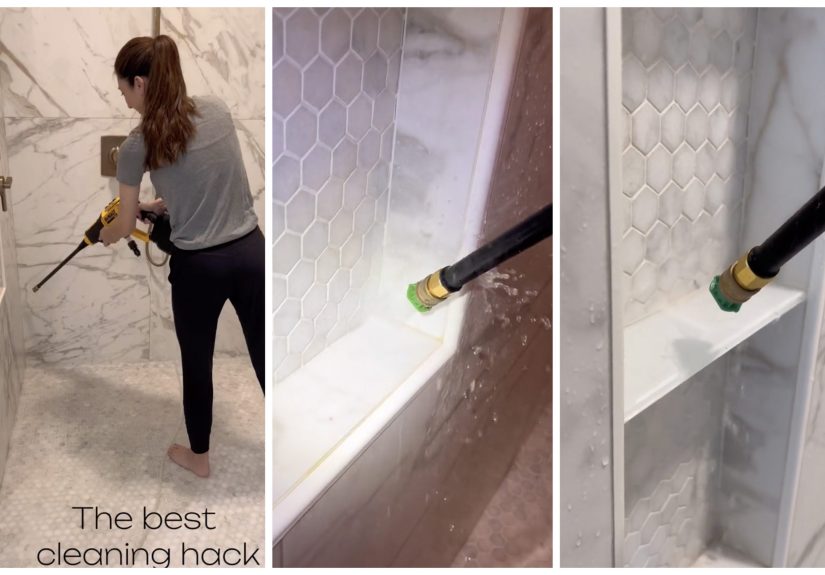
Enter the viral shower-cleaning hack: drag a pressure washer into the bathroom and blast your tile, grout, and glass like
they owe you money.
The appeal is obvious. Scrubbing grout is a workout. Cleaning shower doors is a full-time job you never applied for.
And “just spray and walk away” sounds like the kind of modern convenience we were promised along with flying cars.
But here’s the less-viral truth: showers are built to handle lots of water… not lots of water fired like a tiny
firehose cannon at point-blank range.
So is pressure washing a shower a genius shortcut or a one-way ticket to “Why does my wall smell like a swamp?”
Let’s break down what’s actually happening behind that glossy tile, where the real drama lives.
What “Pressure Washing a Shower” Actually Means (and Why It Looks So Magical)
Most pressure washers push water at a much higher pressure than your showerhead. Your shower is designed for normal
household water pressure and a gentle spray pattern. A pressure washer concentrates force into a tight stream that can
strip dirt quicklybecause it’s not just “rinsing,” it’s mechanically lifting grime.
On camera, it’s a dream: the wand glides, the grout brightens, the glass clears, and commenters type,
“I NEED THIS.” Off camera, the risk is that the same force that removes buildup can also remove things you’d prefer to
keeplike grout sealer, caulk, and your shower’s sense of personal boundaries.
The Brilliant Part: When High-Pressure Water Feels Like a Cheat Code
Let’s give credit where it’s due. High-pressure water can be effective at removing surface-level gunk from hard,
durable materialsespecially in outdoor settings designed to get drenched and dry quickly.
Where the hack seems to “work”
- Heavily neglected tile where soap scum and mineral buildup are thick and widespread.
- Textured floors where grime hides in tiny grooves and brushing feels endless.
- Shower doors and tracks that collect film and grit in annoying little corners.
If your shower is in good condition (tight grout, intact caulk, no loose tiles, no cracks), a low-pressure approach
can sometimes help with a deep clean. Some home-improvement sources even note that the risk can be minimal with certain
lower-power or cordless unitswhen everything is solid and you’re not trying to sandblast the place.
But “it cleaned well” and “it was a good idea” are not always the same sentence.
The Dangerous Part: Your Tile Looks Waterproof… But It Isn’t
Here’s the core issue TikTok doesn’t show: tile and grout are not a watertight force field. A properly built shower is
supposed to be waterproof under the tileusing a membrane and correct assembly detailsbecause moisture can and
does move through grout lines and tiny gaps over time.
Grout is porous, and water looks for shortcuts
Cement-based grout can transmit moisture. That’s normal. In a standard shower, the system manages that moisture through
design: water runs down the surface, ventilation helps drying, and the waterproof layer behind the tile is what protects
framing and drywall from becoming a science experiment.
A pressure washer changes the game by driving water faster and harder into the places it already wants to go:
hairline cracks, corners, grout pinholes, the edge where tile meets a tub, and anywhere caulk is a little tired.
Caulk and seams are the first to wave a white flag
Corners and “changes of plane” (wall-to-wall corners, wall-to-floor joints, the tub rim line) are typically sealed with
flexible sealant because buildings move a little. High-pressure spray can lift, tear, or undermine that sealantespecially
if it’s older, partially separated, or has mildew-softened edges.
Once water gets behind a compromised seam, it doesn’t politely leave. It lingers. It wicks. It finds wood. It throws a
house party for mold.
Water intrusion can become a slow, expensive problem
If pressurized water is driven behind tile, you may not see immediate damage. Instead, you may notice:
- Musty odors that don’t go away even after cleaning.
- Discoloration along grout lines or at the base of walls.
- Loose tiles or hollow-sounding spots as adhesives and backer materials degrade.
- Peeling paint or swelling trim on the other side of the shower wall.
The biggest risk isn’t that your shower looks worse tomorrow. It’s that you unintentionally feed moisture into areas that
are hard to drywhere damage can quietly build until the repair involves more than a sponge and a playlist.
Material Damage: The Shower Has More “Delicate” Parts Than You Think
Not every shower surface reacts the same way to high-pressure spray. And even “hard” materials can be vulnerable when
pressure is close, concentrated, or repeated.
Tile and stone: durable isn’t indestructible
- Glazed ceramic/porcelain: usually tough, but grout and edges still matterand chips/cracks become entry points.
- Natural stone: can be etched or worn down, and sealers can be stripped faster than you can say “why is it blotchy?”
- Grout sealer: helps with stains, but pressure can reduce its effectiveness, meaning your grout may darken sooner afterward.
Fiberglass/acrylic tubs and pans: the “please don’t” category
Many shower bases and surrounds are acrylic or fiberglass. They can be scratched, dulled, or damaged by aggressive spray,
especially at close range. If the unit has been refinished, it may be even more vulnerable.
Shower doors and hardware: water gets where it shouldn’t
Glass itself may survive, but seals, tracks, and wall penetrations are another story. Pressurized water can sneak behind
frames and into screw holesexactly where you don’t want moisture camping out.
Personal Safety: This Hack Can Bite (Sometimes Literally)
Even if your shower survives, pressure washers can cause real injuries. Bathrooms are already slippery. Add a powerful
stream, splashback, and a corded tool near water, and you’ve got a setup that screams, “This seemed fun until it wasn’t.”
- Slip-and-fall risk: you’re standing on wet tile while controlling a forceful spray.
- Eye and skin hazards: debris and cleaner residue can rebound into your face.
- Injection/laceration risk: high-pressure streams can injure skin more seriously than people expect.
This is why professionals treat pressure washers with respectand why “inside a shower stall” is not the obvious place to
freestyle.
Safer (and Still Satisfying) Ways to Get a Sparkling Shower
If the real goal is “less scrubbing, more shine,” you’ve got options that don’t involve bringing outdoor-equipment energy
into an indoor waterproofing system.
1) Upgrade your daily routine (it’s boring, but it works)
- Squeegee the walls and door after showering (30 seconds now saves 30 minutes later).
- Ventilate with an exhaust fan or open window/door to reduce lingering humidity.
- Keep the door/curtain open after use so the shower can actually dry.
2) Do a weekly “soft reset” clean
Use a non-abrasive bathroom cleaner appropriate for your surface (tile, stone, fiberglasscheck labels). A soft sponge or
microfiber cloth plus a little dwell time (letting product sit) is often more effective than aggressive scrubbing.
Safety note: never mix cleaning chemicals (for example, bleach with acids or ammonia). If you use a product,
follow the label directions and rinse thoroughly.
3) For grout: focus on brushing, not blasting
- Grout brush or old toothbrush for targeted lines.
- Baking soda paste (gentle abrasive) for many cement-based grouts.
- Oxygen-based cleaners can help with stains while being less harsh than some alternatives (follow label instructions).
4) For hard-water spots: prevent instead of battle
If mineral deposits are your enemy, prevention is a superpower: dry the glass, improve ventilation, and consider water
quality solutions if buildup is constant. The less water evaporates on the surface, the fewer spots it leaves behind.
5) Consider a steam cleaner (the pressure washer’s calmer cousin)
Steam cleaning can loosen grime without the same “water cannon” effect. It’s not perfect for every surface, but it’s often
a safer deep-cleaning tool for bathrooms when used properly.
If You Already Pressure-Washed Your Shower: What to Watch for Now
If you tried the hack and your shower didn’t immediately explode into confetti, great. Now do a quick reality check to
reduce the chances of hidden issues.
Do a “seal and seam” inspection
- Look closely at corners and the tub-to-tile line.
- Check for lifting caulk, gaps, or areas that look torn or thinned out.
- Note any cracked or missing groutespecially near the base of walls.
Pay attention over the next 2–4 weeks
- New musty smells
- Grout that stays dark (wet) long after showering
- Loose tiles or soft spots
- Staining on adjacent walls/ceilings
If something feels off, it’s worth consulting a tile pro or plumber before “minor moisture” turns into a bigger repair.
So… Brilliant or Dangerous? The Verdict
Pressure washing an in-place shower is usually more risky than it’s worth. The main problem isn’t whether
it removes soap scum (it probably will). The problem is what it can do to seams, caulk, grout, and the moisture
management system that keeps water from getting into places it shouldn’t.
If you want the satisfying clean without the expensive “surprise remodeling” sequel, stick with methods designed for
bathrooms: ventilation, gentler tools, correct cleaners, and maintenance of grout/caulk. Your shower can sparkle without
getting power-washed like a driveway.
Experiences & Real-World Scenarios People Run Into With This Hack (About )
When people talk about pressure washing showers, the stories tend to split into two camps: “It was amazing!” and
“It was amazing… until it wasn’t.” The first camp usually includes folks with newer showers, hard tile surfaces, and
grout that hasn’t started cracking. In those cases, the high-pressure spray can make old soap film look like it never
existed, especially on textured tile where a sponge can’t reach the tiny dips. These homeowners often describe a
satisfying “erase” effectlike the shower is being reset to factory settings. The glow-up is real, and it’s easy to see
why the videos spread.
The second camp tends to show up later, often weeks after the viral moment has passed. One common scenario: a shower that
looked fine on the surface but had slightly aging caulk in the corners. After pressure washing, the caulk edge starts to
peel or separate. Nothing dramaticjust a thin line that doesn’t look tight anymore. At first it seems cosmetic, but then
the person notices the corner stays damp longer, or mildew returns unusually fast. That’s when the “shortcut” starts to
feel like it created a new recurring chore: monitoring corners, resealing, and wondering what’s happening behind the tile.
Another frequent experience involves grout discoloration. Someone pressure washes, the grout looks bright, and they feel
victorious. But a couple of weeks later, the grout begins to darken more quickly after each shower. That can happen when
the cleaning also strips or weakens the surface protection that was helping repel stains. The result isn’t always a leak,
but it can mean the shower now needs more frequent maintenance to stay looking clean. The “before-and-after” still exists
it just comes with a subscription fee paid in elbow grease.
People with natural stone showers often share a different kind of regret: the shower gets cleaner, but the finish looks a
little duller or uneven. Stone can be picky, and strong mechanical action can change the look if it removes sealer or wears
the surface slightly. Those stories usually end with a more careful routine going forwardplus a renewed appreciation for
testing cleaners and methods in a small, hidden area first (which is advice almost nobody wants to hear until they
personally become the cautionary tale).
Finally, there’s the “bathroom chaos” experience: water everywhere. Even when the shower itself is the target, overspray
can soak baseboards, drywall edges, cabinets, and floorsespecially if the bathroom isn’t designed like a wet room.
People describe needing to towel-dry the entire space afterward and running fans for hours. That’s a strong clue the method
doesn’t match the environment. The most consistent takeaway from these real-world scenarios is simple: the hack can create
dramatic results, but it also amplifies any existing weak points. If your shower is flawless, you may get away with it.
If it’s “mostly fine,” pressure washing can turn “mostly” into “now I have a project.”