Table of Contents >> Show >> Hide
- The Short Answer: Is Cottage Cheese Good for Weight Loss?
- What Is the Cottage Cheese Diet, Exactly?
- Why Cottage Cheese Can Support Weight Loss
- Where the Cottage Cheese Diet Falls Apart
- How to Use Cottage Cheese for Weight Loss the Smart Way
- Who Should Be Careful With a Cottage Cheese Diet?
- So, Is the Cottage Cheese Diet Good for Weight Loss?
- Experiences and Real-World Lessons From Trying the Cottage Cheese Diet
If the internet had a refrigerator, cottage cheese would currently be sitting on the top shelf wearing sunglasses and acting like it invented protein. It shows up in smoothies, toast bowls, pancake hacks, and “what I eat in a day” videos with the confidence of a food that knows it has rebranded well. But popularity and usefulness are not the same thing. So let’s answer the real question: is the cottage cheese diet good for weight loss?
The sensible answer is yes, cottage cheese can help with weight lossbut only when it is part of a balanced, calorie-conscious eating plan. It is not a magic tub of dairy destiny. It is simply a convenient, high-protein food that can make a weight-loss diet easier to stick to. That matters, because the best diet for weight loss is not the one that looks impressive for three days. It is the one you can live with long enough to get results without plotting revenge on your meal plan.
Below, we’ll break down what the cottage cheese diet actually is, why it can work, where it can go off the rails, and how to use cottage cheese in a way that supports fat loss without turning your kitchen into a dairy-themed survival challenge.
The Short Answer: Is Cottage Cheese Good for Weight Loss?
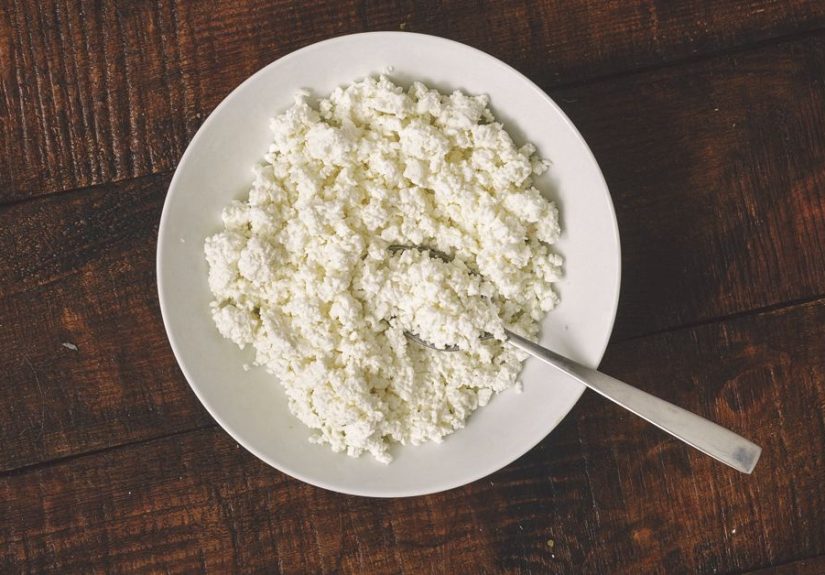
Yesif you use it wisely. Cottage cheese can be a smart weight-loss food because it is typically high in protein, relatively low in calories, and easy to portion. A low-fat serving often lands in the neighborhood of about 90 to 110 calories while delivering roughly 12 to 16 grams of protein, depending on the brand and fat level. That is a pretty efficient nutrition deal.
Protein helps in a few important ways. First, it tends to be more filling than foods heavy in refined carbs or added sugar. Second, it can help preserve lean muscle while you lose weight, which is helpful because nobody wants their diet to burn through hard-earned muscle while body fat lingers around like an unwanted houseguest. Third, protein-rich foods are practical. If a food helps you stay full between meals, it becomes easier to eat fewer total calories over time.
That said, cottage cheese is not a complete weight-loss strategy by itself. It has very little fiber, some versions are surprisingly high in sodium, and eating it for every meal is an excellent way to become emotionally attached to crackers by day four. The key is to use cottage cheese as a tool, not as your entire personality.
What Is the Cottage Cheese Diet, Exactly?
The phrase cottage cheese diet can mean different things online, and that is part of the confusion. In some corners of the internet, it refers to a crash diet where people eat cottage cheese several times a day with fruit, eggs, or vegetables. In other cases, it simply means using cottage cheese as a regular high-protein food in a calorie-controlled plan.
The first version is dramatic, restrictive, and usually doomed. The second version is actually reasonable.
A healthy approach does not mean eating cottage cheese for breakfast, lunch, dinner, snack, dessert, and what we’ll call “fridge-based reflection time.” It means using cottage cheese in smart places where it improves satiety and nutrition without crowding out other important foods like vegetables, fruit, whole grains, beans, nuts, and other protein sources.
In other words, the best version of the cottage cheese diet is not really a diet at all. It is just a higher-protein, balanced eating pattern that happens to include cottage cheese.
Why Cottage Cheese Can Support Weight Loss
1. It Packs a Lot of Protein Into a Small Serving
Protein is the star of the show here. Cottage cheese contains casein, a slow-digesting milk protein that can help you feel fuller longer. That is one reason people often use it for breakfast, as a snack, or before bed. It sticks with you better than a pastry that disappears nutritionally and emotionally in six minutes.
When you are trying to lose weight, foods that help you stay full can make the process less miserable. If you are not constantly hungry, you are less likely to start negotiating with yourself over vending machine cookies at 3:17 p.m.
2. It Is Relatively Low in Calories
Cottage cheese is also appealing because it can deliver substantial protein without a massive calorie bill. Compared with many snack foods, it is a bargain. A serving of low-fat cottage cheese can provide a satisfying amount of food for fewer calories than a muffin, chips, sugary yogurt, or a “healthy” granola bar that is basically dessert wearing a fitness tracker.
This makes it easier to stay in a calorie deficit, which is still the main engine of weight loss. Cottage cheese does not replace that rule. It simply helps you follow it with less suffering.
3. It Is Convenient, Which Matters More Than People Admit
One of the most underrated weight-loss features of cottage cheese is that it requires almost no work. You open the container, scoop some out, and you are done. No marinating. No air frying. No dramatic clean-up montage. Convenience matters because busy people do not need more “ideal” foods that require 47 minutes and an herb garden.
Easy foods are repeatable foods. Repeatable foods are often what make healthy habits stick.
4. It Plays Well With Other Healthy Foods
Cottage cheese is versatile enough to work in both sweet and savory meals. You can pair it with berries, peaches, cinnamon, and chia seeds. You can also go savory with cucumber, tomatoes, black pepper, avocado, herbs, or whole-grain toast. It can even be blended into dips, sauces, scrambled eggs, or pancake batter for extra protein.
That flexibility makes it much easier to fit into real life than trendy diet foods that seem designed for people who have unlimited time and suspiciously perfect kitchens.
Where the Cottage Cheese Diet Falls Apart
1. Sodium Can Sneak Up on You
Here is the catch nobody should ignore: many brands of cottage cheese are fairly high in sodium. Some servings can easily contain 300 to 400 milligrams or more. If you are eating multiple servings a day, plus other packaged foods, your sodium intake can climb in a hurry.
That does not automatically make cottage cheese unhealthy, but it does mean label-reading matters. If you have high blood pressure or are watching sodium for heart-health reasons, a reduced-sodium version may be the smarter move.
2. It Has Protein, But Not Much Fiber
Cottage cheese can help with fullness, but it is not a fiber superstar. Fiber is also important for weight management because it supports satiety, digestion, and overall diet quality. A bowl of cottage cheese by itself is not nearly as satisfying as cottage cheese with fruit, seeds, or vegetables.
This is where many restrictive cottage cheese diets fail. They over-focus on one food and under-deliver on balance. The result is often boredom, cravings, and a dramatic reunion with takeout.
3. “Healthy” Portions Can Quietly Become Huge Portions
Cottage cheese is nutritious, but calories still count. A heaping bowl, a handful of nuts, a drizzle of honey, granola, dried fruit, and peanut butter can turn a light snack into a stealth meal with enough calories to confuse your goals.
Healthy foods are still foods. Weight loss does not stop to applaud because the calories came from something in a white tub.
4. Restrictive Plans Usually Backfire
If your version of the cottage cheese diet sounds like “eat this one food repeatedly until your jeans agree with you,” that is not a good plan. Quick-fix diets are famous for short-term enthusiasm and long-term frustration. The more rigid the plan, the more likely it is to feel exhausting, socially awkward, and impossible to maintain.
The real goal is not just losing weight for two weeks. It is building eating habits you can keep.
How to Use Cottage Cheese for Weight Loss the Smart Way
Choose the Right Type
For most people, plain low-fat cottage cheese is the practical sweet spot. It usually keeps calories moderate while still offering strong protein value. Nonfat versions are also an option, though some people find them less satisfying. Full-fat cottage cheese can work too, especially if it helps you feel fuller and prevents snacking later, but portion control becomes more important.
The main thing is to compare labels. Look for a brand with a protein profile you like, reasonable calories, and sodium that fits your overall diet.
Pair It With Fiber-Rich Foods
This is the move that upgrades cottage cheese from “diet food” to “actually useful meal.” Pair it with foods that bring fiber and volume, such as:
- berries, apple slices, pears, pineapple, or peaches
- cucumber, cherry tomatoes, bell peppers, or carrots
- chia seeds, flaxseed, or a small amount of nuts
- whole-grain toast or crackers
- oats blended into a savory or sweet bowl
Protein plus fiber is a stronger team than protein alone. Think less “sad spoonfuls from the container” and more “balanced plate with staying power.”
Use It in Place of Less Filling Snacks
If you normally reach for cookies, chips, pastries, or sweetened yogurt, swapping in cottage cheese can improve fullness while cutting added sugar or empty calories. That is where it shines. It does not need to replace every meal. It just needs to replace some weaker choices often enough to matter.
Build Meals, Not Just Snacks
Here are a few easy examples:
- Breakfast: cottage cheese with berries, cinnamon, and chia seeds
- Lunch: cottage cheese bowl with chopped tomatoes, cucumber, black pepper, and whole-grain toast
- Snack: cottage cheese with sliced apple and a few walnuts
- Post-workout: cottage cheese with fruit for protein plus carbs
- Dinner add-on: use cottage cheese in a baked potato topping or blend it into a creamy sauce
Used this way, cottage cheese supports a weight-loss routine without making it weird.
Who Should Be Careful With a Cottage Cheese Diet?
Cottage cheese is not for everyone, and that is fine. If you have chronic kidney disease, you should talk with your healthcare provider or dietitian before intentionally increasing protein intake. More protein is not automatically better in every medical situation.
If you have lactose intolerance, cottage cheese may or may not work for you depending on your tolerance level and the amount you eat. Some people do okay with small portions, while others end up regretting every decision that led to the dairy aisle.
You should also be cautious if you need to watch sodium. Some brands are much saltier than others, so do not assume all tubs are nutritionally identical just because they look equally innocent.
So, Is the Cottage Cheese Diet Good for Weight Loss?
Yesbut only in the sane version.
If by “cottage cheese diet” you mean using cottage cheese as a high-protein, portion-friendly food inside a balanced eating plan, then yes, it can be very effective for weight loss. It can help you stay full, hit your protein goals, manage calories, and make meals more satisfying.
If by “cottage cheese diet” you mean eating cottage cheese constantly and hoping your body responds with gratitude and a smaller pants size, then no, that is not a good long-term strategy. It is too restrictive, too repetitive, and too easy to abandon.
The real winner is not cottage cheese by itself. The winner is a sustainable routine built around calorie awareness, adequate protein, plenty of fiber-rich foods, regular movement, and habits you can keep long after the novelty fades. Cottage cheese can absolutely earn a spot in that plan. It just should not be the entire plan.
So yes, keep a tub in the fridge if you like it. Just do not expect it to perform miracles while the rest of your diet is off auditioning for chaos.
Experiences and Real-World Lessons From Trying the Cottage Cheese Diet
In real life, people who do well with cottage cheese for weight loss usually are not the ones following a dramatic “all cottage cheese, all the time” plan. They are the ones using it strategically. A common experience is that it works best when it solves a practical problem. For one person, that problem is getting enough protein at breakfast. For another, it is replacing a late-night snack that used to be more sugar than substance. For someone else, it is finding a fast lunch that does not leave them hungry an hour later.
A lot of people notice that cottage cheese feels unexpectedly filling compared with other “diet foods.” That is often the biggest surprise. A muffin may seem more emotionally exciting, but it usually does not keep hunger quiet for very long. Cottage cheese, especially when paired with fruit or whole-grain toast, tends to hold people over better. That feeling of stability matters. Weight loss often gets easier when every afternoon does not feel like a personal battle against snack cravings.
Another common experience is learning that brand choice matters a lot. Some people try cottage cheese once, hate it immediately, and decide the whole food is a scam. Then they try a different brand, different fat level, or a whipped texture, and suddenly it is fine. Taste, saltiness, and texture vary more than people expect. This is useful because if you hate the specific tub you bought, that does not mean the entire category is doomed. It may just mean you bought the cottage cheese equivalent of a bad first date.
People also learn quickly that pairings make or break the experience. Plain cottage cheese eaten by itself can feel a little too earnest. But add berries, peaches, tomatoes, cucumbers, cracked pepper, or everything bagel seasoning, and it becomes much easier to enjoy regularly. The people who stick with it usually turn it into a real meal or snack rather than treating it like a punishment.
There are also some very normal frustrations. One is boredom. Even cottage cheese fans can get tired of it if they rely on it too often. Another is sodium. Some people feel puffy after eating salty packaged foods, and certain cottage cheese brands do not help. Others discover that “healthy” add-ons can accidentally sabotage the plan. Honey, granola, nut butter, dried fruit, and giant handfuls of trail mix can turn a lean protein snack into a calorie-heavy bowl that no longer fits their goals. The lesson is not that toppings are bad. The lesson is that awareness still matters.
Overall, real-world experience tends to support one simple truth: cottage cheese works best when it is used as a convenient high-protein helper, not as a miracle diet. People who lose weight with it usually pair it with better habits across the boardmore vegetables, more walking, better portion control, and fewer ultra-processed snacks. In that setting, cottage cheese can be genuinely helpful. On its own, it is just curds with good PR.