Table of Contents >> Show >> Hide
- First, a quick clarification: which “steroids” are we talking about?
- So… is steroid-related insomnia actually common?
- Why do steroids mess with sleep?
- Which types of steroid treatments are most likely to cause insomnia?
- How long does insomnia last when it’s steroid-related?
- Practical ways to sleep better while taking steroids
- When steroid insomnia is a red flag (not just an annoyance)
- Specific examples: what steroid insomnia can look like in real life
- Can you take a sleep aid while on steroids?
- Bottom line
- Experiences People Commonly Report (500+ Words)
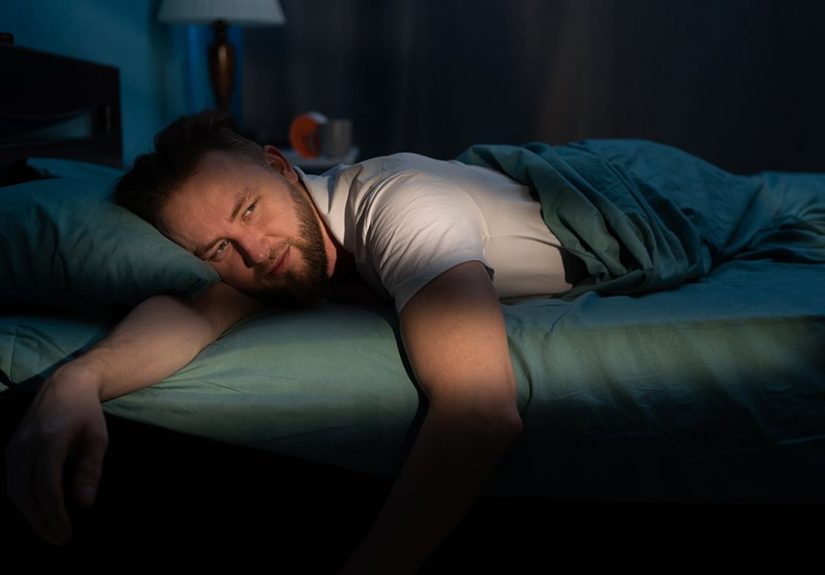
If you started a steroid medication and suddenly your brain wants to host a 2 a.m. TED Talk about every awkward moment you’ve ever hadwelcome to one of the
most common (and most annoying) steroid side effects: sleep trouble.
Yes, insomnia while on steroids is common, especially with systemic corticosteroids like prednisone, prednisolone,
methylprednisolone, and dexamethasone. Not everyone gets it, and it doesn’t always look the same, but “wired at bedtime” is a frequent complaintparticularly
at higher doses, later dosing times, or when steroids are taken more than once a day.
First, a quick clarification: which “steroids” are we talking about?
When people say “steroids,” they can mean different things. In everyday health care, the insomnia conversation is usually about
corticosteroids (glucocorticoids), which are prescribed to calm inflammation and immune activity. These are used for conditions like asthma
flares, severe allergies, autoimmune disease, inflammatory bowel disease, arthritis, skin conditions, and more.
Corticosteroids aren’t the same as anabolic steroids used for bodybuilding. The sleep effects discussed here are mainly about prescribed
anti-inflammatory steroidsespecially those taken by mouth or given in higher systemic doses.
So… is steroid-related insomnia actually common?
In many patient handouts and clinical discussions, trouble sleeping is listed as a typical side effect of oral corticosteroids. Some people
describe difficulty falling asleep. Others fall asleep but wake up too early or wake repeatedly. Some feel “tired but revved,” which is a uniquely
rude combination.
Who’s more likely to experience it?
- People taking oral steroids (like prednisone/prednisolone) rather than topical creams or inhaled steroids.
- Higher doses and “burst” therapy (short high-dose courses) can increase the odds.
- Later dosing (afternoon/evening) often makes nighttime sleep harder.
- Split dosing (multiple doses per day) can keep steroid levels higher later in the day.
- People already prone to insomnia (stress, anxiety, chronic pain, shift work, parenting a newborn, etc.).
- People experiencing mood effects (restlessness, irritability, “too much energy”)sleep and mood are close cousins.
Why do steroids mess with sleep?
Think of corticosteroids as a “cortisol impersonator.” Cortisol is a natural hormone with a strong daily rhythm: it’s typically higher in the
morning (helping you wake up) and lower at night (helping you wind down). Steroid medicines can disrupt that rhythm and nudge your body toward daytime mode
when you’d really like nighttime mode.
Common biological explanations (in normal-people language)
- They can blunt melatonin signals. Some research suggests steroids may reduce nighttime melatonin levels or alter the melatonin rhythm, making
it harder to feel sleepy at the right time. - They can create a “keyed up” feeling. Even though steroids aren’t classified as stimulants, many people feel more alert, jittery, restless,
or emotionally activated. - They can affect mood and thoughts. Corticosteroids can trigger mood swings, anxiety, or an unusually elevated mood in some people, and any of
those can bulldoze sleep. - They can change the timing of inflammation. In some conditions (like inflammatory arthritis), symptoms follow a circadian patternso steroid
timing can affect both disease control and sleep, sometimes in opposite directions.
Which types of steroid treatments are most likely to cause insomnia?
Oral (systemic) steroids: most common culprit
Oral prednisone/prednisolone and similar medications are the classic “I’m awake now!” offenders. Many medication references list
difficulty falling asleep or staying asleep among expected side effects.
IV or high-dose steroids: can be intense
Steroids given in a hospital setting (for example, high-dose IV steroids for severe inflammation) can also disrupt sleep. In critical illness, steroid-related
sleep disruption can be part of a larger picture that includes illness stress, alarms, pain, and other medications.
Injections (like epidural steroid injections): possible, usually temporary
Even local injections can sometimes cause systemic side effects, including sleep problems, in the days after treatment. Not everyone experiences this, but it’s
a known possibility.
Inhaled or topical steroids: less likely (but not impossible)
Inhaled steroids for asthma and topical steroid creams generally have less whole-body effect at typical doses, so insomnia is
less common. But if you’re using high doses, multiple steroid products, or are very sensitive, sleep changes can still occur.
How long does insomnia last when it’s steroid-related?
It depends on the steroid type, dose, schedule, and how long you’re on it. Many people notice sleep issues early in the coursesometimes the first night or
two. For short courses, sleep often improves as the dose decreases or after the medication is stopped. For longer courses, sleep may stay disrupted until a
dosing plan is adjusted or the body adapts.
Important safety note: don’t stop steroids suddenly unless your clinician specifically tells you to. Some steroids require a taper to avoid
withdrawal and adrenal problems.
Practical ways to sleep better while taking steroids
The goal is to reduce “nighttime steroid energy” without sacrificing the reason you were prescribed steroids in the first place. Here are strategies often
recommended in clinical guidance and patient education.
1) Ask about timing: morning dosing is famous for a reason
If your prescription allows it, taking your steroid in the morning (often with breakfast) may better match your body’s natural cortisol rhythm
and reduce insomnia risk. If you’re on a split dose, ask whether taking more earlier or consolidating the dose is appropriate.
Don’t change timing on your own if the steroid is being used for a specific schedule-sensitive reason. Some conditions use specialized timing (including
delayed-release formulations) to target early-morning symptomsso your prescriber’s plan matters.
2) Don’t “stack” sleep enemies
Steroids can make you more vulnerable to anything that already disrupts sleep. Consider whether any of these are piling on:
- Late caffeine (coffee, tea, energy drinks, some sodas, chocolate).
- Nicotine (a stimulant, even when it “feels relaxing”).
- Alcohol (may help you doze off but can fragment sleep and worsen early waking).
- Decongestants (some cold meds can rev you up).
- Late intense workouts (great ideajust not always right before bed).
3) Use “boring on purpose” sleep hygiene
Sleep hygiene won’t magically cancel out steroid biologybut it can reduce the background noise so your body has a fighting chance. Helpful basics:
- Keep a consistent wake time, even if sleep was rough.
- Get morning daylight for circadian rhythm support.
- Make your room cool, dark, and quiet.
- Put screens on a bedtime curfew (blue light + doomscrolling is a sleep double-whammy).
- Use a wind-down routine: warm shower, stretching, reading something calm.
4) Try stimulus control: don’t let your bed become a worry desk
If you can’t fall asleep after about 20–30 minutes, consider getting out of bed and doing something quiet and low-light until you feel sleepy again.
(This isn’t punishment; it’s retraining your brain to associate the bed with sleep, not wrestling matches with your thoughts.)
5) Ask your clinician about the minimum effective dose
Steroids are often prescribed at a dose designed to quickly control symptoms, then reduced. If insomnia is severe, it’s reasonable to ask whether your plan
already includes a step-down schedule, and whether there are steroid-sparing options for your condition (depending on why you’re taking it).
6) Consider CBT-I for persistent insomnia
If insomnia sticks around (or you already struggle with it), cognitive behavioral therapy for insomnia (CBT-I) is widely recommended as a
first-line, evidence-based approach for chronic insomnia. It’s structured, skills-based, and aims to fix the system rather than temporarily sedate it.
When steroid insomnia is a red flag (not just an annoyance)
A few bad nights are miserable but common. However, reach out to a clinician promptly if you notice any of the following:
- Severe mood changes (extreme irritability, agitation, panic, unusually elevated mood, or feeling unlike yourself).
- Confusion, hallucinations, or paranoia (rare, but important).
- Insomnia so intense that you can’t function safely (school/work driving, major daytime impairment).
- Worsening of an underlying mental health condition or new symptoms that feel scary or out of control.
Steroids can affect the central nervous system in some people. If something feels extreme, it’s worth treating it like a real medical side effectnot a
“power through it” situation.
Specific examples: what steroid insomnia can look like in real life
Example 1: The “burst” course for asthma
A person starts a 5-day prednisone burst for an asthma flare. Breathing improves quickly. Night 1: they feel oddly energized. Night 2: they’re reorganizing a
closet at midnight and calling it “self-care.” They switch to taking the dose earlier in the morning (with clinician approval) and tighten up caffeine and
screen time. Sleep improves by the time the course ends.
Example 2: Steroids for an autoimmune flare with a taper
Someone takes a higher dose for a week, then tapers down over several weeks. The first phase causes the worst insomnia. As the dose decreases, sleep becomes
more manageablebut stress and pain still interfere. They use a consistent wake time, morning light exposure, and CBT-I strategies to keep insomnia from
becoming a long-term habit.
Example 3: Steroid injection for back pain
A person receives an epidural steroid injection. For two nights they feel “wired,” then sleep returns to normal. Knowing it can happen reduces anxiety the
next time they receive treatment.
Can you take a sleep aid while on steroids?
Sometimes clinicians recommend short-term strategies if insomnia is severeespecially during high-dose therapy. But this is individualized and depends on your
medical history, other medications, age, and the reason you’re taking steroids.
If you’re considering OTC products (including melatonin), it’s smart to ask a pharmacist or clinician first. Even “simple” sleep aids can interact with other
meds, worsen certain conditions, or leave you groggy the next dayespecially if steroids are already making your system unpredictable.
Bottom line
Yes, insomnia while on steroids is common, particularly with oral/systemic corticosteroids and higher or later dosing. The good news: it’s
often manageable. The best first steps are usually dose timing (when appropriate), reducing other sleep disruptors, and using practical sleep
strategies. If symptoms feel severeespecially mood or thinking changescall your clinician promptly.
Experiences People Commonly Report (500+ Words)
The internet is full of “prednisone diaries,” and while everyone’s story is different, certain patterns show up again and again. Think of the experiences
below as common themes people describecomposite snapshots rather than any single person’s exact journey.
“I’m exhausted… but I can’t turn off.”
One of the most frustrating experiences is feeling physically tired while mentally alert. People often describe lying in bed with heavy eyelids while their
thoughts sprint laps. The brain jumps from tomorrow’s to-do list to a random memory from third grade to a sudden urge to research whether dolphins have best
friends. (They do. Probably. The point is: your brain has become a trivia DJ.)
“It’s like coffee I didn’t drink.”
Another common report is a jittery or “amped” sensation. Even people who normally sleep easily may feel a subtle buzz at nightrestlessness, extra energy, or
a sense that their body is on standby. Some people say it’s not exactly anxiety, but it can feel similar: a faster internal pace, less patience, more
sensitivity to noise, and an easier time getting stuck in repetitive thinking.
“Nighttime becomes productivity theater.”
Plenty of people laugh (later) about the things they tried to do at odd hours: alphabetizing spice racks, deep-cleaning the fridge, reorganizing photos,
starting a new hobby, or drafting a life plan that begins with “I will wake up at 5 a.m. every day.” Steroid energy can make you feel like you should be
accomplishing somethingespecially if you’re awake anyway. The next morning, reality arrives holding a cup of regret.
“The timing mattered more than I expected.”
A big “aha” moment many people report is that when they took the medication mattered almost as much as how much they took.
People who took steroids later in the day often describe worse insomnia. Some say that switching to morning dosing (when medically appropriate) didn’t create
perfect sleep, but it made bedtime feel less like a wrestling match. Others mention that split dosing kept them alert into the evening, and adjusting the
schedule with clinician guidance helped.
“My mood got louder, and sleep got harder.”
Sleep and mood travel as a pair. People commonly describe being more irritable, more emotional, or unusually upbeatsometimes all in the same afternoon. When
your mood feels “turned up,” sleep often suffers. Some report feeling unusually social or talkative late at night; others feel edgy or teary. A recurring theme
is that naming the side effect (“Oh, this might be the steroid”) reduces fear and helps them choose calming strategies instead of spiraling.
“It got better when the dose went down.”
Many people describe insomnia being strongest at the beginning of treatment or at the highest dose, then gradually improving as the dose decreased or the
course ended. That’s one reason clinicians often emphasize a plan: control the flare first, then reduce exposure when it’s safe. People frequently report that
the first few nights were rough, but sleep didn’t stay permanently broken.
If there’s one shared takeaway across these experiences, it’s this: steroid insomnia is common, real, and miserablebut it’s also usually
manageable with the right combination of timing, sleep habits, and medical guidance.