Table of Contents >> Show >> Hide
- Quick Answer (Because You Have a Life)
- What Exactly Is Cocoa Butter?
- Is Cocoa Butter Vegan?
- Is Cocoa Butter Dairy-Free?
- Why Cocoa Butter Gets Mistaken for Dairy
- When Cocoa Butter Products Aren’t Vegan or Dairy-Free
- Food vs. Skincare: Cocoa Butter Lives a Double Life
- How to Choose Cocoa Butter That’s Truly Vegan and Dairy-Free
- FAQ: Cocoa Butter, Veganism, and Dairy-Free Living
- Conclusion: The Real Answer (No Cow Required)
- Real-Life Experiences and Scenarios (The “Okay, But What Do I Buy?” Section)
- Scenario 1: The Vegan Baker Who Just Wanted “Butter” for a Pan
- Scenario 2: The Dairy-Free Shopper vs. The Chocolate Aisle of Betrayal
- Scenario 3: Milk Allergy Families and the “May Contain” Dilemma
- Scenario 4: Skincare Fans Who Accidentally Bought a Not-Vegan Lip Balm
- Scenario 5: The “Cacao Butter” Upgrade That Was Mostly Marketing
The phrase “cocoa butter” sounds like it should come with a tiny cow in sunglasses, lounging on a cacao pod. Plot twist: no cows were harmed (or even consulted) in the making of pure cocoa butter. Butand this is the part that trips people upproducts made with cocoa butter sometimes invite dairy to the party. So if you’re vegan, dairy-free, lactose-intolerant, or managing a milk allergy, the real question becomes: Are we talking about the ingredient, or the food/cosmetic that contains it?
Quick Answer (Because You Have a Life)
Pure cocoa butter is vegan and naturally dairy-free. It’s a plant fat pressed from cacao beans. It contains no milk, no lactose, and no dairy proteins on its own.
The “gotcha” is everything around it:
- Chocolate products (especially milk chocolate and white chocolate) often add milk ingredients.
- Cross-contact can happen when “dairy-free” items are made on shared equipment with milk chocolate.
- Skincare products may pair cocoa butter with animal-derived ingredients (hello, beeswax).
What Exactly Is Cocoa Butter?
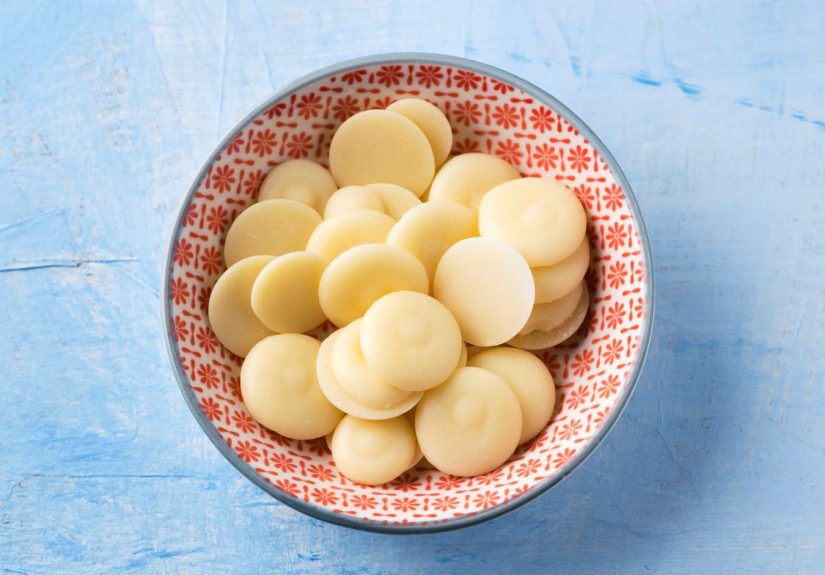
Cocoa butter (sometimes called cacao butter or theobroma oil) is the pale, melt-in-your-mouth fat extracted from cacao beansthe seeds of the Theobroma cacao tree. It’s prized for two big reasons: it’s solid at room temperature but melts near body temperature (which is why chocolate does that dramatic slow fade on your tongue), and it’s stable enough to be useful in both food and cosmetics.
The key takeaway for vegan and dairy-free folks: cocoa butter is a plant ingredient. The word “butter” here describes texture and functionnot its origin. Think “peanut butter,” not “dairy butter.”
Cocoa Butter vs. Cacao Butter: Same Outfit, Different Label
If you’ve noticed “cocoa butter” and “cacao butter” used like they’re rival pop stars, don’t panic. In everyday U.S. labeling, they typically refer to the same ingredient. Some brands use “cacao” to sound more raw/artisanal, while “cocoa” is more common in mainstream products. Functionally, you’re still looking at fat from cacao beans.
Is Cocoa Butter Vegan?
Yespure cocoa butter is vegan. It comes from plants, not animals. No dairy, no eggs, no gelatin, no honey hiding behind a trench coat.
But vegan status can get messy once cocoa butter becomes part of a recipe or formula. Cocoa butter is a popular building block for:
- Chocolate bars and chips
- White chocolate-style products
- Frostings, dessert coatings, “chocolate” candy shells
- Lip balms, lotions, body butters, and soaps
In those products, vegan-friendliness depends on the full ingredient list and how the product is manufactured. Cocoa butter can be the most innocent ingredient in the room while everything around it is… not.
Is Cocoa Butter Dairy-Free?
Pure cocoa butter is dairy-free. It’s not made from milk, and it doesn’t naturally contain lactose (milk sugar) or casein/whey (milk proteins). If you’re avoiding dairy for lifestyle reasons, pure cocoa butter checks out.
Important: “Dairy-Free” Means Different Things to Different People
For some shoppers, “dairy-free” means “no dairy ingredients.” For othersespecially people with a milk allergyit can mean “no milk ingredients and no cross-contact risk.” Those are not the same standard in the real world.
If you’re managing a medically diagnosed milk allergy (not just lactose intolerance), you need to look beyond whether cocoa butter itself is dairy-free and focus on labeling and manufacturing warnings.
Why Cocoa Butter Gets Mistaken for Dairy
1) The Word “Butter” Is a Master Class in Confusion
“Butter” is one of those words that behaves badly. In dairy, it means churned milk fat. In the plant world, it often means “a rich, fatty spread or solid fat.” Cocoa butter earned the name because it’s smooth, rich, and solidlike butterwithout being dairy.
2) Chocolate Often Brings Milk Along for the Ride
Cocoa butter is a core ingredient in chocolate. But many chocolatesespecially milk chocolate and white chocolate include milk ingredients such as milk powder, whey, or milk fat. Even some dark chocolates add dairy to soften bitterness or improve texture.
Translation: the ingredient cocoa butter is dairy-free, but the snack you’re holding might not be.
When Cocoa Butter Products Aren’t Vegan or Dairy-Free
Milk or Dairy Ingredients in the Same Product
This one is straightforward. If the ingredient list includes any of these, the product is not dairy-free and not vegan:
- Milk (whole, skim, nonfat)
- Milk powder / dried milk solids
- Whey / whey powder
- Casein / caseinates
- Butter, butterfat, ghee
- Cheese, cream, yogurt
Quick label-reading hack: U.S. labels often list major allergens in a bold “Contains” statement. If it says Contains: Milk, you’ve got your answer.
“May Contain Milk” and Shared Equipment (Cross-Contact)
Here’s where things get real. A product can be made without dairy ingredients and still carry a warning like: “May contain milk” or “Made on shared equipment with milk.”
For vegans avoiding dairy by choice, this might be acceptable or not depending on personal comfort. For people with a milk allergy, this warning matters because even small amounts of milk protein can trigger reactions.
And yes, this is especially common with chocolate. Facilities that make multiple types of chocolate may produce dark chocolate and milk chocolate on shared lines. If you need truly milk-free chocolate, look for products that are specifically labeled and managed as milk-free with strong allergen controlsnot just “plant-based vibes.”
“Dairy-Free” Chocolate That Still Tests Positive for Milk
This sounds like a horror movie for allergy families, but it’s a known industry challenge: dark chocolate products marketed as “dairy-free” can sometimes contain milk due to cross-contact or labeling issues. That’s why U.S. regulators and partners have monitored and tested “dairy-free” labeled chocolate products for milk allergens in the past.
Food vs. Skincare: Cocoa Butter Lives a Double Life
Cocoa butter shows up in two main worlds:
- Food: chocolate, baking, candy-making, homemade “white chocolate” recipes
- Body care: lotions, lip balms, soaps, stretch-mark creams, whipped body butters
Skincare Labels: Watch the Supporting Cast
In cosmetics, cocoa butter may appear as Theobroma cacao seed butter on the ingredient list. The cocoa butter part is plant-based, but skincare formulas often add ingredients that can be non-vegan, such as:
- Beeswax (often listed as Cera Alba)
- Lanolin (from sheep’s wool)
- Collagen (commonly animal-derived)
- Carmine (a red colorant from insects, sometimes in tinted balms)
- Milk proteins (occasionally used in specialty creams)
Bottom line: cocoa butter itself is vegan, but cocoa-butter skincare isn’t automatically vegan. If you care about strict vegan standards, look for a vegan certification or a clearly vegan ingredient list.
How to Choose Cocoa Butter That’s Truly Vegan and Dairy-Free
Step 1: Decide Your “Why”
Your shopping rules depend on your reason:
- Vegan lifestyle: avoid intentional animal-derived ingredients; cross-contact warnings are personal choice.
- Lactose intolerance: you’re reacting to lactose (milk sugar), so dairy ingredients matter, but trace cross-contact may be less of an issue (ask your clinician for personalized guidance).
- Milk allergy: avoid milk proteins strictly; treat “may contain milk” as a serious warning.
Step 2: Read the Ingredient List (Not the Marketing)
Front-of-package claims can be… enthusiastic. Your truth lives in the ingredient list and allergen statement. Scan for milk ingredients (milk, whey, casein, lactose, butterfat). Then check for a “Contains: Milk” statement.
Step 3: Interpret Advisory Statements Correctly
“May contain milk” statements are commonly used to warn about potential cross-contact, and they are not always required by U.S. federal labeling law. That means two products with the same risk might label differently. If you have a milk allergy, choose brands with robust allergen controls and clear “milk-free” positioning.
Step 4: Food-Grade vs. Cosmetic-Grade
If you’re buying cocoa butter to cook with, choose food-grade cocoa butter from reputable food suppliers. Skincare cocoa butter can include fragrances, additives, or processing that’s not intended for eating. Same name, different mission.
FAQ: Cocoa Butter, Veganism, and Dairy-Free Living
Does cocoa butter contain lactose?
Pure cocoa butter does not contain lactose because lactose is a sugar found in milk. Cocoa butter is a plant fat.
Is white chocolate vegan if it uses cocoa butter?
Usually no. White chocolate commonly contains dairy ingredients (like milk powder) even though cocoa butter is one of the main fats.
Can I trust “plant-based” to mean dairy-free?
Not always. “Plant-based” often describes the primary ingredients, but it doesn’t guarantee the product is free from milk ingredients or cross-contact. Always check the label.
If a product is labeled vegan, is it safe for a milk allergy?
Not necessarily. A vegan label typically means no intentional animal ingredients, but it may still be produced in a facility that also handles milk. For milk allergy safety, “free-from milk” handling and clear allergen controls matter more than the vegan claim alone.
Conclusion: The Real Answer (No Cow Required)
Pure cocoa butter is vegan and dairy-freeit’s simply the fat from cacao beans. The confusion comes from the word “butter” and from the fact that cocoa butter is often used in foods that do contain dairy (like milk and white chocolate).
If you’re vegan or dairy-free by preference, cocoa butter is generally a safe, plant-based ingredientjust verify the full product label. If you’re managing a milk allergy, take it up a notch: pay attention to allergen statements, cross-contact warnings, and brands that specifically control for milk allergens.
Real-Life Experiences and Scenarios (The “Okay, But What Do I Buy?” Section)
Let’s make this practical with a few common situations people run intobecause the world is full of labels that are technically accurate and emotionally confusing.
Scenario 1: The Vegan Baker Who Just Wanted “Butter” for a Pan
A lot of home bakers discover cocoa butter when they’re trying to make a crisp chocolate shell (think: homemade “magic shell” or a snappy dessert coating). They see “cocoa butter,” assume dairy, and move onmissing a great option. When they finally try food-grade cocoa butter, the experience is usually: “Oh. This melts like chocolate… and then sets like it’s serious about boundaries.” That’s cocoa butter doing its job. The big lesson bakers learn fast: cocoa butter is vegan and dairy-free, but mix-ins are where dairy sneaks in. Add cocoa powder? Great. Add powdered sugar? Fine. Add “white chocolate chips” from a random brand? Surprise cameo by milk powder.
Scenario 2: The Dairy-Free Shopper vs. The Chocolate Aisle of Betrayal
People avoiding dairy often report the same emotional arc in the chocolate aisle: optimism → label reading → squinting → mild annoyance → victory dance. The tricky part is that dark chocolate can be a mixed bag. One bar will be just cocoa mass, cocoa butter, and sugar. The next barstill labeled “dark”adds butterfat or whey for a “creamier mouthfeel.” The experience teaches a simple habit: dark chocolate isn’t a promise; it’s a genre. Read the label every time, even if you bought it before, because formulas change like streaming-service pricing.
Scenario 3: Milk Allergy Families and the “May Contain” Dilemma
For families managing a milk allergy, cocoa butter itself isn’t the villainthe uncertainty is. Many parents describe becoming “part-time detectives”: checking “Contains” statements, scanning for milk-derived ingredients, then deciding what to do with advisory warnings. Some choose to avoid any product that says “may contain milk.” Others stick to a short list of trusted brands that have strong allergen programs and clear manufacturing practices. Either way, the lived experience is that allergen safety is more than ingredients it’s also about how a product is made.
Scenario 4: Skincare Fans Who Accidentally Bought a Not-Vegan Lip Balm
Cocoa butter in skincare feels like a cozy blanket for dry skin, so it’s common for vegans to grab cocoa-butter lotions and balms assuming they’re animal-free. Then they flip the tube over and see beeswax (Cera Alba) or lanolin and have a “wait, what?” moment. The learning curve here is straightforward: Theobroma cacao seed butter is vegan; the formula might not be. Once people know to check for beeswax and lanolin, shopping gets much easier, and they often find vegan alternatives that moisturize just as well.
Scenario 5: The “Cacao Butter” Upgrade That Was Mostly Marketing
Some shoppers feel safer buying “cacao butter” instead of “cocoa butter,” thinking one is more natural or more vegan. In practice, the more useful distinction is usually food-grade vs. cosmetic-grade and whether the product has any added ingredients or allergen warnings. People who switch to food-grade cocoa/cacao butter for recipes often report better results (cleaner flavor, more predictable melting) simply because it’s meant for eatingnot because the word “cacao” is magically more vegan.
If you take one practical lesson from all these experiences, make it this: Trust cocoa butter. Verify the product. Your future self (and your snack drawer) will thank you.