Table of Contents >> Show >> Hide
- What Exactly Is Brown Rice?
- Brown Rice Nutrition at a Glance
- Health Benefits of Brown Rice
- But What About Arsenic in Brown Rice?
- Who Might Want to Be Careful With Brown Rice?
- How Much Brown Rice Is Healthy?
- Easy Ways to Enjoy Brown Rice
- Brown Rice vs. White Rice: Do You Have to Choose?
- Real-Life Experiences: What It’s Actually Like to Eat Brown Rice Regularly
- The Bottom Line
Brown rice has a reputation as the “healthy” cousin of fluffy white rice the one who does yoga, remembers to drink water, and always brings a salad to the potluck. But is brown rice really that good for you, or is it just clever marketing in a whole-grain outfit?
Let’s dig into what actually makes brown rice healthy (or not), including its nutrients, benefits, potential downsides like arsenic, and how to use it in real life without feeling like you’re chewing cardboard at every meal.
What Exactly Is Brown Rice?
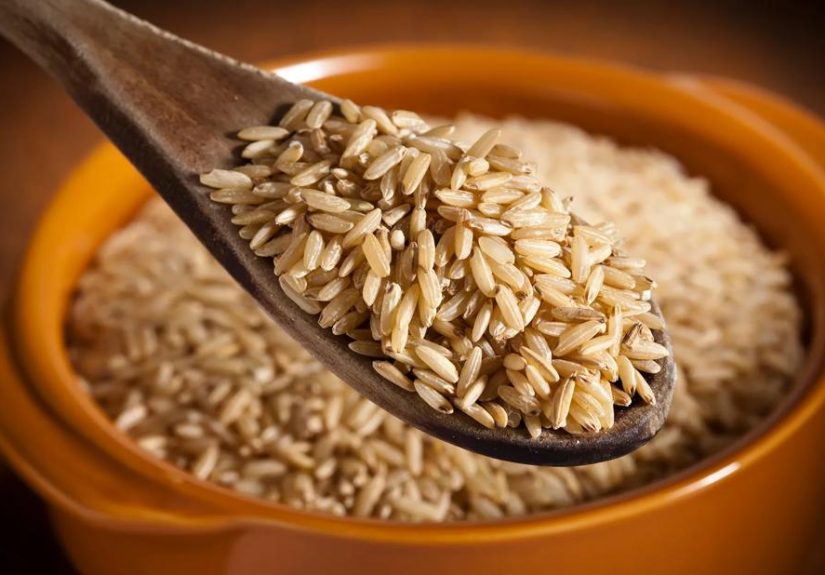
Brown rice is simply whole-grain rice. Unlike white rice, which has had the bran and germ removed, brown rice keeps all three main parts of the grain:
- Bran: The outer layer, rich in fiber, antioxidants, and minerals.
- Germ: The nutrient-dense core, with vitamins, minerals, and healthy fats.
- Endosperm: Mostly starch, which is what you’re left with in white rice.
Because brown rice keeps the bran and germ, it’s higher in fiber, vitamins, minerals, and plant compounds than white rice. It’s also firmer, a little nuttier in flavor, and takes longer to cook kind of like the friend who needs more time to get ready but shows up more “nutritionally dressed.”
Brown Rice Nutrition at a Glance
A typical 1-cup serving of cooked brown rice (about 195 grams) provides roughly:
- Calories: ~215–220
- Carbohydrates: ~45–46 grams
- Protein: ~4.5–5 grams
- Fat: ~1.5–2 grams
- Fiber: ~3–3.5 grams
- Zero cholesterol and very low sodium (unless you add salt while cooking)
On top of that, brown rice delivers meaningful amounts of:
- Manganese: important for bone health and antioxidant defenses.
- Magnesium: supports muscle function, blood pressure, and blood sugar control.
- B vitamins: including niacin, thiamin, and B6, which help your body create energy from food.
- Phosphorus and selenium: involved in bone health and antioxidant activity.
- Antioxidants: such as phenolic compounds, flavonoids, and lignans concentrated in the bran.
Compared with white rice, brown rice usually has:
- More fiber and antioxidants
- More magnesium and manganese
- A slightly lower glycemic index (meaning a slower rise in blood sugar)
Why Fiber in Brown Rice Matters
Fiber is one of the big reasons brown rice gets so much love. That 3-ish grams of fiber in a cup might not sound like a lot, but it adds up fast if you’re eating whole grains regularly. Fiber:
- Helps keep digestion regular (yes, it helps things move along).
- Supports healthy gut bacteria.
- Can help lower LDL (“bad”) cholesterol.
- Helps you stay fuller longer, which may support weight management.
Health Benefits of Brown Rice
1. Supports Heart Health
Brown rice checks several boxes for heart health: it’s naturally low in saturated fat and contains fiber, magnesium, and antioxidant compounds that can support healthy cholesterol and blood pressure levels over time. Diets rich in whole grains like brown rice are consistently linked with a lower risk of heart disease.
The antioxidants in the bran including phenolics and flavonoids may help reduce oxidative stress and chronic inflammation, both of which are involved in the development of cardiovascular disease. Think of brown rice as one of many small daily choices (like walking more and eating more plants) that add up to better heart health over the long run.
2. May Help With Blood Sugar Control
Brown rice typically has a lower glycemic index (GI) than white rice. That means it tends to raise blood sugar more slowly because its fiber and intact structure slow down digestion and absorption.
For people with prediabetes or diabetes, swapping white rice for brown rice several times a week may help:
- Reduce spikes in blood sugar after meals.
- Improve overall glycemic control when combined with other healthy habits.
- Increase intake of magnesium, which plays a role in insulin sensitivity.
That said, brown rice is still a carbohydrate-heavy food. Portion size matters. A giant bowl of brown rice can absolutely raise blood sugar, especially if it’s not balanced with protein, vegetables, and healthy fats. For blood sugar management, many dietitians suggest about 1/2 to 1 cup cooked brown rice at a meal, paired with lean protein (like tofu, fish, or chicken) and veggies.
3. Supports Healthy Digestion and a Happy Gut
The insoluble fiber in brown rice acts like structural support for your digestive system. It adds bulk to your stool and helps food move through the intestines more efficiently. This can:
- Help prevent constipation.
- Support a more regular bowel pattern.
- Feed beneficial gut bacteria by acting as a prebiotic.
A healthier gut microbiome is linked to all kinds of good things from better immune function to potentially improved mood and metabolism. No, brown rice will not solve all of life’s problems, but it’s a solid team player in a gut-friendly diet.
4. Helps You Feel Fuller and May Support Weight Management
Brown rice is not a magical “fat-burning food,” but it can be very helpful if you’re trying to maintain or lose weight in a sustainable way. Its combo of fiber, complex carbs, and modest protein helps you feel satisfied instead of ravenous an hour after eating.
When you pair brown rice with protein and vegetables, you get a meal that is:
- Voluminous (feels like a lot of food).
- Moderate in calories.
- Slow-digesting, which reduces mindless snacking later.
Studies on whole grains in general show that people who eat more of them tend to have an easier time managing weight over time compared to those who mainly eat refined grains.
5. Naturally Gluten-Free (With a Small Asterisk)
Brown rice is naturally gluten-free, which makes it a good staple for people with celiac disease or non-celiac gluten sensitivity. The asterisk? Cross-contamination can happen during processing, so those who must avoid gluten strictly should look for products labeled “certified gluten-free.”
But What About Arsenic in Brown Rice?
Here’s the part where brown rice’s halo gets a little tilted: arsenic. Rice plants absorb more arsenic from soil and water than many other grains, and because arsenic accumulates in the outer layers of the grain, brown rice usually contains more arsenic than white rice.
Before you panic and throw out your rice cooker, a few key points:
- For most healthy adults eating brown rice in moderation as part of a varied diet, the overall risk from arsenic appears to be low.
- Higher concern exists for infants, young children, and pregnant people, who are more sensitive to environmental toxins relative to body weight.
- Regulatory agencies monitor and evaluate arsenic levels in rice and provide guidance to limit exposure.
Ways to Reduce Arsenic in Rice
You can meaningfully cut arsenic levels in cooked rice with a few simple habits:
- Rinse thoroughly: Rinse brown rice under running water until the water runs clear.
- Cook in extra water and drain: Use a higher water-to-rice ratio (like 6–10 cups of water per 1 cup of rice), then drain the excess water at the end similar to cooking pasta. This method can significantly reduce arsenic content.
- Vary your grains: Rotate rice with quinoa, oats, barley, farro, millet, or other whole grains to prevent over-reliance on any one source.
- Be mindful for kids: For infants and toddlers, many experts recommend limiting rice-based products and offering a variety of grains instead of rice at every meal.
Bottom line: arsenic is a real consideration, but for most adults eating brown rice a few times a week as part of a diverse diet, the benefits of whole-grain nutrition likely outweigh the risks. If you’re pregnant, feeding young children, or have specific medical concerns, it’s wise to talk with your healthcare provider or dietitian about rice intake.
Who Might Want to Be Careful With Brown Rice?
Brown rice is healthy for many people, but it’s not perfect for everyone in every situation. A few groups may need to be especially thoughtful:
- People with active digestive flares or very sensitive guts: During flare-ups of conditions like inflammatory bowel disease (IBD) or after certain GI surgeries, high-fiber foods like brown rice may feel too rough. In these periods, a softer, lower-fiber option (like well-cooked white rice) can be more comfortable.
- People with chronic kidney disease: Brown rice is higher in phosphorus and potassium than white rice. Some people with more advanced kidney disease are advised to limit these minerals and may need personalized guidance from a renal dietitian.
- Infants and young children: Because of arsenic concerns, experts often suggest limiting rice-based cereals and snacks and rotating in other grains like oats and barley.
As always, this article is for general education and isn’t a substitute for medical advice. If you have diabetes, kidney disease, celiac disease, or another condition that affects your diet, check with your healthcare provider or dietitian before making big changes.
How Much Brown Rice Is Healthy?
There’s no single “perfect” serving that applies to everyone, but some reasonable guidelines:
- Serving size: About 1/2 to 1 cup cooked brown rice per meal works well for most adults.
- Frequency: Enjoying brown rice a few times a week is a balanced approach, especially if you rotate with other whole grains.
- Balance: Build your plate so brown rice is a supporting actor, not the entire cast: half the plate veggies, a quarter protein, a quarter whole grain is a helpful visual.
Dietary guidelines generally suggest making at least half your grains whole. Brown rice can absolutely be one of those whole-grain options.
Easy Ways to Enjoy Brown Rice
Not sure how to use brown rice beyond “plain side dish”? Try:
- Bowl meals: Brown rice topped with roasted vegetables, tofu or chicken, avocado, and a drizzle of sauce.
- Stir-fries: Use day-old cooked brown rice with vegetables, scrambled egg, and a splash of soy sauce for a speedy fried rice upgrade.
- Soup booster: Add cooked brown rice to vegetable or chicken soup for more fiber and staying power.
- Breakfast bowl: Warm brown rice with cinnamon, milk or a dairy-free alternative, some fruit, and nuts for a cozy whole-grain breakfast.
- Salads: Toss cooled cooked brown rice with chickpeas, chopped veggies, herbs, and vinaigrette for a hearty grain salad.
Brown Rice vs. White Rice: Do You Have to Choose?
Short answer: no, you don’t have to declare loyalty to Team Brown or Team White forever.
For everyday meals and long-term health, brown rice has the edge because it’s a whole grain with more fiber and nutrients. But there are times when white rice makes sense:
- During intense exercise or endurance events when you need quick-digesting carbs.
- When your stomach is upset and you need something very gentle and low in fiber.
- In certain cultural dishes where the texture of white rice is part of the experience.
You can also meet in the middle: mix half white and half brown rice in the same pot for a compromise on texture, cooking time, and nutrition.
Real-Life Experiences: What It’s Actually Like to Eat Brown Rice Regularly
On paper, brown rice looks like a dream: whole grain, fiber, minerals, antioxidants. In real life, it can feel more complicated. If you’ve ever cooked a pot of brown rice that turned out slightly crunchy, vaguely sad, and deeply unpopular at the dinner table, you’re not alone.
The first thing many people notice is texture. Brown rice is chewier and has more “bite” than white rice. For some, this feels hearty and satisfying. For others, it feels like the rice is judging them for wanting something softer. One way to ease the transition is to:
- Start by mixing 25–50% brown rice with white rice in the same pot.
- Cook it a bit longer and with slightly more water than plain white rice.
- Use broth instead of water to boost flavor.
After a week or two, your taste buds usually adjust, and the nuttier flavor starts to taste “right,” especially in savory dishes like stir-fries and grain bowls.
Another common experience: you stay full longer than you expect. If you’re used to eating a big bowl of white rice and feeling hungry again an hour later, a more modest portion of brown rice paired with protein and veggies may surprise you. People often report that afternoon snack cravings drop a little when they swap in whole grains like brown rice at lunch because the meal sticks with them longer.
There’s also the meal prep factor. Brown rice takes more time to cook, but that can actually work in your favor. Many people cook a big batch once or twice a week, store it in the fridge, and then build quick meals around it:
- Throw some into a skillet with frozen veggies and an egg for a 10-minute dinner.
- Pack a brown rice, beans, and salsa bowl for lunch instead of grabbing fast food.
- Use leftovers as a base for a “clean out the fridge” bowl with whatever is on hand.
If you’re watching blood sugar, having pre-portioned containers of cooked brown rice (for example, 1/2 cup servings) can make it easier to stick to your plan. Instead of eyeballing “just a little more,” you can grab the container, heat it up, and know exactly what you’re working with.
People with more sensitive digestion sometimes notice that switching abruptly from low-fiber white rice to high-fiber brown rice can cause extra gas or bloating at first. That doesn’t necessarily mean brown rice is “bad” for you it may just mean your gut bacteria are adjusting to the increased fiber. Easing in slowly, staying hydrated, and spreading fiber across the day usually helps.
Then there’s the arsenic conversation. In reality, most people who enjoy brown rice a few times a week and also eat oats, quinoa, whole wheat, fruits, and vegetables won’t see brown rice as a villain. The practical takeaway many health professionals share is:
- Rinse it.
- Cook it in extra water and drain.
- Don’t make rice your only grain.
Over time, many people find that brown rice becomes a reliable staple that makes healthy eating feel easier, not harder. Once you have cooked brown rice waiting in the fridge, you’re only a few ingredients away from a balanced meal and that convenience is often what keeps the “healthy” habits going.
The Bottom Line
So, is brown rice healthy? For most people, yes. It’s a nutrient-rich whole grain that offers fiber, minerals, antioxidants, and steady energy. It can support heart health, digestion, blood sugar control, and weight management when it’s part of a balanced, plant-forward eating pattern.
It’s not perfect: brown rice contains more arsenic than white rice, and its higher fiber and mineral content may not be ideal for certain medical conditions or stages of life. But with smart cooking methods, reasonable portions, and a mix of different grains in your diet, brown rice can absolutely earn a regular spot in your bowl.
If you have specific health conditions like diabetes, kidney disease, celiac disease, or you’re pregnant check in with your healthcare provider or a registered dietitian about how brown rice fits into your overall plan. For everyone else, think of brown rice as one more simple, everyday tool you can use to build meals that are hearty, satisfying, and good for you in the long run.