Table of Contents >> Show >> Hide
- What “Non-Slip” Really Means
- How to Tell If Shoes Are Non-Slip
- 1. Check the product label or box first
- 2. Look for ASTM language or rating clues
- 3. Inspect the outsole like a detective, not like a tourist
- 4. Pay attention to the outsole material
- 5. Match the shoe to the floor you actually walk on
- 6. Do not confuse comfort with slip resistance
- 7. Check how much tread is left
- 8. Read reviews, but read them the smart way
- 9. Try a safe traction check after you buy them
- Red Flags That a Shoe Probably Is Not Non-Slip
- Who Should Prioritize Non-Slip Shoes?
- What Wearing Real Non-Slip Shoes Actually Feels Like
- Experience Notes: What People Learn After Switching to Real Non-Slip Shoes
- Final Thoughts
Some shoes look tough, sporty, or “ready for action,” but that does not automatically make them non-slip. A sleek sneaker can still skate across a wet tile floor like it is auditioning for an ice show. If you work in a restaurant, hospital, warehouse, salon, school cafeteria, retail store, or any place where water, oil, soap, or mystery puddles like to appear out of nowhere, knowing how to tell if shoes are non-slip is more than a shopping skill. It is a safety skill.
The good news is that you do not need to become a footwear engineer to figure it out. You just need to know what clues actually matter. In this guide, you will learn how to identify genuine non-slip shoes, what labels and design features to look for, what red flags to avoid, and why the outsole matters far more than the “cool factor” of the upper. We will also cover the difference between shoes that are comfortable and shoes that are truly slip-resistant, because those are not always the same thing.
What “Non-Slip” Really Means
When most shoppers say non-slip shoes, they usually mean shoes designed to improve traction on slick surfaces. In product descriptions, the more common term is slip-resistant shoes. That wording matters because slip resistance is not magic, and it is not absolute. A good pair of shoes can greatly improve grip, but no shoe turns a greasy floor into dry pavement. In plain English, the goal is not “never slip under any condition.” The goal is “reduce the chance of slipping when the floor gets messy.”
That is why the best non-slip work shoes are usually built with specific outsole compounds, tread patterns, and testing language. If a brand clearly says the shoe is slip-resistant and backs that up with test-based terminology, that is already a far better sign than vague phrases like “great traction,” “stable feel,” or “perfect for active lifestyles.” Those lines sound nice, but so does “farm fresh,” and that does not tell you whether the tomato tastes good.
How to Tell If Shoes Are Non-Slip
1. Check the product label or box first
The fastest way to tell if shoes are non-slip is to look for exact language on the box, hangtag, insole label, or online product page. Good signs include phrases such as slip-resistant, non-slip, SR, or SRO. If the listing specifically mentions traction on wet, oily, greasy, or soapy surfaces, that is even better.
What you do not want is a product page that spends 400 words talking about cloud-like comfort, memory foam, sporty vibes, and your exciting lifestyle while saying exactly nothing about slip resistance. If the brand wanted you to know the shoe was non-slip, it would usually say so clearly.
2. Look for ASTM language or rating clues
If you want the most reliable clue, check whether the shoe references recognized testing or performance language. Modern work footwear may mention ASTM F2913, which is a test method used to evaluate slip performance, or ASTM F3445, which covers minimum slip-resistance performance requirements for completed footwear.
You may also see labels like SR or SRO. In simple terms, those markings suggest the outsole has been designed and tested with slip resistance in mind. Some brands also mention older or alternate testing language such as Mark II or COF (coefficient of friction). Those references are not bad, but ASTM-based language is easier to compare across modern work shoes.
If a shoe is marketed for restaurants, healthcare, hospitality, custodial work, or food service and includes ASTM or SR/SRO wording, you are generally looking at a more serious traction option than an ordinary sneaker.
3. Inspect the outsole like a detective, not like a tourist
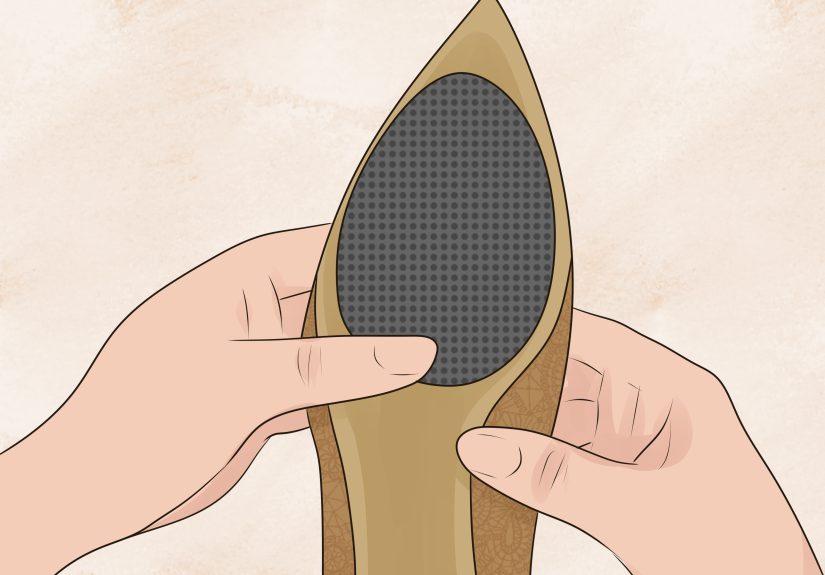
The outsole is where the truth lives. If you flip the shoe over and the bottom looks smooth, shallow, glossy, or decorative instead of functional, that is a warning sign. Genuine slip-resistant shoes usually have tread patterns built to channel away liquid and maintain contact with the floor.
Features that often signal a better non-slip outsole include:
- Deep or well-defined grooves
- Multi-directional tread patterns
- Siping or narrow channels that help move water or oil
- Rubber outsoles with a grippy feel instead of a hard plastic feel
- Wide heel contact for more stability
- Square or sharp tread edges instead of rounded, worn-looking ones
Many real non-slip shoes are not pretty on the bottom, and that is actually the point. The outsole is there to work, not to win a beauty contest.
4. Pay attention to the outsole material
Material matters almost as much as tread. A lot of effective non-slip shoes use rubber compounds designed for grip. Some brands describe these as proprietary grip compounds, premium rubber, or full-contact rubber outsoles. The exact formula varies, but the idea is the same: the outsole needs to create dependable traction instead of behaving like a hard, slick slab.
Rubber also tends to perform better than fashion-oriented smooth soles in many wet or contaminated environments. That does not mean every rubber sole is automatically non-slip. It means that when rubber is paired with the right tread design and proper testing, you are much more likely to get the performance you need.
5. Match the shoe to the floor you actually walk on
One reason people buy the wrong shoes is that they shop for a general idea instead of their actual floor conditions. Wet hospital corridors, greasy kitchen tile, damp warehouse concrete, and icy outdoor sidewalks are not the same challenge. A shoe that performs well in one setting may not be the best in another.
Ask yourself these questions before buying:
- Will you mostly walk on smooth indoor tile?
- Are oil or grease common where you work?
- Do you deal with soap, sanitizer, or spilled drinks?
- Will you move between indoor floors and outdoor surfaces?
- Do you need water resistance in addition to traction?
The more specific the product description is about the environment, the better. “Great for food service” or “built for healthcare professionals” tells you more than “versatile everyday comfort.” One is a safety clue. The other is marketing poetry.
6. Do not confuse comfort with slip resistance
This mistake happens all the time. A shoe can be cushioned, lightweight, podiatrist-friendly, supportive, roomy, and still not be truly non-slip. Comfort features matter, especially if you stand for eight to twelve hours a day, but they do not replace traction features.
Think of it this way: a memory foam mattress is comfortable, but you would not wear it through a commercial kitchen. Support and traction are teammates, not twins. The best work shoes often combine both, but one does not guarantee the other.
This is also why seals or endorsements related to foot health can be helpful for comfort, fit, or overall support, yet they should not be treated as proof that a shoe is slip-resistant. Always verify the traction claim separately.
7. Check how much tread is left
Even excellent non-slip shoes can lose performance when the tread wears down. Over time, the channels that help move liquid away from the sole become shallower, the edges become smoother, and the outsole may collect grime that reduces grip. In short, a once-dependable shoe can slowly turn into a sneaky little liability.
Signs your non-slip shoes are losing their edge include:
- Tread looks flat or uneven
- Grooves are packed with grease, dust, or debris
- The heel area is noticeably smoothed out
- You feel more sliding than you used to on the same floor
- The outsole has hardened, cracked, or polished over time
Cleaning matters too. A dirty outsole can act like a clogged tire. If the tread is full of buildup, the shoe cannot do its job properly. Regular cleaning and inspection should be part of your routine, especially in food service, healthcare, or industrial work.
8. Read reviews, but read them the smart way
Customer reviews can help, but only if you ignore the dramatic people who give one star because the box arrived looking “emotionally confusing.” Focus on reviews from people in the same environment you work in. A nurse, line cook, dishwasher, warehouse worker, or janitor will tell you more about real-world traction than someone who wore the shoes twice to walk a dog on a sunny sidewalk.
Look for patterns in reviews, not one-off opinions. If many buyers say the shoes grip well on wet tile, hold up on long shifts, and still feel stable after weeks of wear, that is useful. If several reviews say the tread wore down quickly or the shoes became slippery after a month, pay attention.
9. Try a safe traction check after you buy them
Once you have the shoes, you can do a very cautious, common-sense traction check in a safe setting. Wear them indoors on a clean surface first. Then compare how stable they feel on normal tile, sealed concrete, or another smooth floor you regularly use. Hold onto a sturdy counter if you want to test movement. This is not the time to recreate a soap-commercial slow-motion fall scene.
You are simply looking for early signs: do the shoes feel planted, controlled, and secure, or do they feel slick and uncertain? If they feel wrong right away, trust that feeling. Your feet are not usually dramatic unless they have a reason.
Red Flags That a Shoe Probably Is Not Non-Slip
- The product page never says slip-resistant or non-slip
- The outsole is mostly smooth, shiny, or decorative
- The shoe is designed mainly for casual fashion or running aesthetics
- The listing focuses only on comfort, style, or breathability
- There is no mention of wet, oily, or workplace surfaces
- Reviews repeatedly mention sliding on tile
- The tread is already shallow before you even wear the shoe
One more caution: oil-resistant does not automatically mean non-slip. Some shoes resist breakdown from oil exposure, but that does not guarantee strong traction on an oily floor. Ideally, you want both durability and grip.
Who Should Prioritize Non-Slip Shoes?
Almost anyone can benefit from better traction, but some workers should treat it as essential rather than optional. This includes restaurant staff, nurses, doctors, home health aides, cleaners, teachers working in cafeterias, retail staff handling spills, warehouse employees, hotel workers, and anyone who moves quickly across hard-surface floors.
Even outside of work, non-slip shoes can make sense for older adults, people recovering from injury, or anyone who frequently walks in rainy weather or on polished indoor surfaces. Good traction is not glamorous, but neither is falling in front of a coffee machine.
What Wearing Real Non-Slip Shoes Actually Feels Like
The biggest difference most people notice is confidence. In regular sneakers, your body often makes tiny compensation movements without you realizing it. You shorten your stride, tense your hips, stiffen your knees, and tiptoe through questionable puddles like the floor owes you money. In proper non-slip shoes, you usually feel more planted. Your step becomes smoother because your brain is no longer sending tiny panic alerts every three seconds.
That does not mean non-slip shoes feel sticky or heavy. Good ones feel controlled. You still move naturally, but the shoe grips when the floor tries to misbehave. Many workers say the first real sign of a good pair is not dramatic traction during a disaster moment. It is the absence of those little slips you used to shrug off all day long.
Experience Notes: What People Learn After Switching to Real Non-Slip Shoes
Across kitchens, clinics, warehouses, school cafeterias, and retail stockrooms, the same lesson comes up again and again: people often do not realize how much mental energy bad traction steals until they finally wear the right shoes. Someone working a breakfast shift in a busy diner may spend hours weaving between coffee spills, dishwater, and greasy patches near the prep line. In ordinary sneakers, every turn feels a little risky. With proper non-slip shoes, the floor still demands respect, but it no longer feels like an opponent.
Healthcare workers often describe a similar change. Hospital floors can look clean and harmless, but polished surfaces, sanitizer residue, and fast-paced movement create their own traction problems. A supportive shoe helps with fatigue, but a truly slip-resistant outsole changes how secure the wearer feels during quick pivots, long hall walks, and urgent room-to-room movement. People often say the benefit shows up most at the end of a long shift, when tired legs and sloppy footing tend to make accidents more likely.
Warehouse and custodial workers usually notice something else: durability matters just as much as first-day grip. A shoe might feel excellent for a week, then begin losing its traction once the tread packs with dust, soap film, or debris. Workers who have been through several pairs often become very particular. They start flipping shoes over before buying, checking groove depth, watching how the heel wears, and paying more attention to outsole compounds than color. In other words, they stop shopping with their eyes and start shopping with their job in mind.
Another common experience is learning that “comfortable” and “safe on slick floors” are not identical. Many people begin with cushioned running shoes because they feel great in the store. Then they discover that soft comfort underfoot does not help much when the outsole is too smooth for wet tile. After switching to a real pair of non-slip work shoes, they often say something like, “These are not as pretty, but I trust them more.” That sentence may not sound romantic, but in the world of footwear, trust is a love language.
People also learn that maintenance matters. A solid pair can perform beautifully, yet still become less reliable if the tread is caked with grease or the heel has worn flat. Workers who get the best results tend to treat traction like an ongoing habit, not a one-time purchase. They clean the outsole, inspect the tread, replace worn pairs before the shoe becomes dangerous, and avoid assuming that a once-great shoe will stay great forever.
Perhaps the most useful real-world insight is this: non-slip shoes do not make you invincible, but they can make you noticeably steadier, calmer, and more efficient. That is a big deal. When your footwear works with you instead of against you, you spend less time bracing for a slip and more time doing your actual job. And that, frankly, is the kind of boring miracle most working people would gladly take.
Final Thoughts
If you want to know how to tell if shoes are non-slip, start with the facts that matter most: clear slip-resistant labeling, ASTM or SR/SRO language, a functional rubber outsole, smart tread design, and enough remaining tread to keep doing the job. Then match the shoe to your environment, separate comfort from traction, and pay attention to wear over time.
The right pair of non-slip shoes should not leave you guessing. They should tell you what they are, show you why they grip, and prove it day after day on the floors that matter to you. When in doubt, flip the shoe over. The bottom usually tells the truth faster than the ad copy.