Table of Contents >> Show >> Hide
- What Runny or Watery Eyes in Cats Really Mean
- Common Causes of Watery Eyes in Cats
- How to Tell Whether It’s Mild or Serious
- How Vets Diagnose the Problem
- How to Successfully Treat Runny or Watery Eyes in Cats
- What Not to Do
- When to Call the Vet Immediately
- How to Help Prevent Future Episodes
- Owner Experiences and Lessons Learned
- Final Thoughts
If your cat’s eyes are watering like they just watched the saddest movie ever made, don’t panicbut don’t shrug it off, either. Runny or watery eyes in cats can be harmless and temporary, or they can be the first clue that something more serious is brewing. The trick is knowing when you’re dealing with a little irritation and when you’re dealing with a problem that needs fast veterinary care.
The good news is that many cases of watery eyes in cats can be treated successfully once you figure out the real cause. And that’s the key: successful treatment is not about randomly grabbing eye drops and hoping for the best. It’s about identifying why the eye is watering, giving the right care, and avoiding the classic mistakes that can turn a mild issue into a feline soap opera.
In this guide, you’ll learn what causes runny or watery eyes in cats, how vets diagnose the problem, which treatments actually help, what you can safely do at home, and when watery eyes mean “call the vet now, not after your coffee.”
What Runny or Watery Eyes in Cats Really Mean
A small amount of tear moisture is normal. Cats produce tears to keep the eye lubricated, wash away debris, and protect the surface of the eye. But when tears spill over constantly, leave stains on the fur, or come with redness, squinting, cloudiness, or thick discharge, something is off.
In simple terms, watery eyes usually happen for one of two reasons: either the eye is making too many tears because it is irritated or painful, or the tears are not draining properly through the tear ducts. Sometimes the discharge stays clear and watery. Other times it becomes sticky, yellow, green, or crusty, which can point to infection or more significant inflammation.
Common Causes of Watery Eyes in Cats
1. Conjunctivitis
Conjunctivitisalso known as cat pink eyeis one of the most common reasons a cat develops watery eyes. The conjunctiva is the soft tissue lining the eyelids and the white of the eye. When it gets inflamed, the eye may look red, swollen, and extra drippy. Cats with conjunctivitis often blink more, squint, or paw at the eye like they are trying to file a complaint with management.
Conjunctivitis can be caused by viruses, bacteria, irritants, allergies, or even a foreign body. It may affect one eye or both. In many cats, it is part of a bigger upper respiratory issue rather than a standalone eye problem.
2. Feline Herpesvirus and Upper Respiratory Infections
If your cat has watery eyes plus sneezing, nasal discharge, congestion, low appetite, or general “I am deeply offended by life” behavior, an upper respiratory infection may be the culprit. Feline herpesvirus is especially common and is a major cause of conjunctivitis in cats. It can also trigger recurrent flare-ups, especially during times of stress.
This matters because treating the eye alone may not be enough. If the watery eyes are tied to a respiratory infection, your cat may need broader supportive care, such as hydration support, appetite encouragement, and sometimes oral medication in addition to eye treatment.
3. Corneal Ulcers or Eye Injuries
A scratch on the eye, trapped debris, rough play, chemical exposure, or trauma can cause a corneal ulcer. These are not “wait and see” situations. Cats with ulcers may have heavy tearing, a cloudy eye, light sensitivity, obvious pain, and repeated squinting. Some rub the eye or hold it shut.
This is one of the biggest reasons not to self-diagnose. A watery eye can look minor from a distance, while the eye itself is actually quite painful.
4. Blocked Tear Ducts
Sometimes the eye is not producing too many tears at allthe tears just cannot drain normally. This is common in some flat-faced cats, including Persians and Himalayans. In those cats, facial anatomy can make tear drainage less efficient, so the tears roll onto the face instead.
A blocked tear duct can also happen because of swelling, debris, inflammation, or prior damage. If this is the issue, treatment may involve flushing the duct, managing inflammation, or correcting the underlying obstruction.
5. Dry Eye
Yes, dry eye can paradoxically look messy. When a cat does not make enough healthy tears, the eye surface becomes irritated and inflamed. Instead of a normal tear film, you may see thicker mucus-like discharge, redness, discomfort, and recurring eye problems. Dry eye is less common in cats than dogs, but it does happen and can become chronic if ignored.
6. Eyelid Problems, Abnormal Hairs, or Irritants
Ingrown eyelashes, hairs rubbing the cornea, rolled-in eyelids, dust, smoke, fragrances, cleaning sprays, and other irritants can also make a cat’s eyes water. In these cases, the eye is reacting to friction or irritation, and treatment will only work well if the irritant is removed or the eyelid issue is corrected.
7. Glaucoma or Other Serious Eye Disease
If a cat has a watery eye plus cloudiness, swelling, a visibly enlarged eye, or major pain, think of it as a medical emergency. Conditions such as glaucoma or severe inflammation can threaten vision quickly. A watery eye is sometimes just the opening act.
How to Tell Whether It’s Mild or Serious
Some watery eyes are mild and short-lived. Others are waving a giant red flag. Here’s a practical way to read the room:
- Clear, mild tearing only: could be minor irritation, early conjunctivitis, or tear overflow.
- Yellow, green, or thick discharge: more concerning for infection or significant inflammation.
- One eye affected: think injury, foreign body, ulcer, tear duct issue, or localized irritation.
- Both eyes affected: more likely with viral infection, conjunctivitis, allergies, or anatomical issues.
- Squinting, pawing, cloudy eye, third eyelid showing, or eye held shut: urgent veterinary visit.
- Sneezing, congestion, poor appetite, lethargy: eye issue may be part of an upper respiratory infection.
When in doubt, follow one simple rule: a watery eye without pain may buy you a little observation time, but a watery eye with pain needs a vet.
How Vets Diagnose the Problem
Here is where successful treatment really begins. Your veterinarian is not just looking at the tears. They are looking for the reason behind the tears.
A veterinary exam may include:
- A full eye exam to check for redness, swelling, ulcers, foreign material, eyelid issues, and tear drainage problems
- Fluorescein stain to look for corneal ulcers or scratches
- Tear testing to check whether tear production is normal
- Eye pressure testing if glaucoma or deeper disease is suspected
- Swabs or additional tests when infection is suspected
- An evaluation of respiratory signs if the watery eyes are part of a larger illness
This is why treating cat eye problems successfully often means resisting the urge to play veterinarian with your bathroom medicine cabinet. The wrong treatment can delay healing or even make things worse.
How to Successfully Treat Runny or Watery Eyes in Cats
Start With Safe Home Care
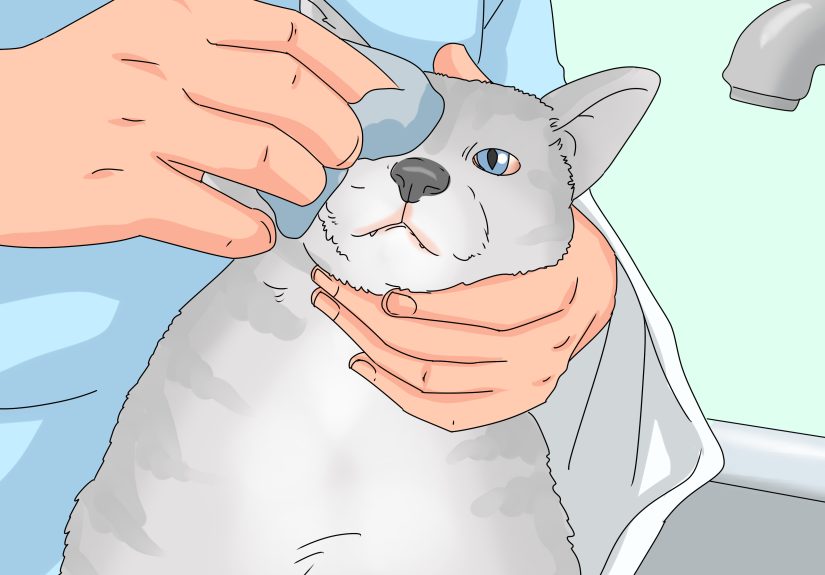
If your cat’s eye is watery but you are waiting for your appointment, gentle care can help. Use a soft cotton ball or clean cloth dampened with warm water to wipe away discharge. Always wipe away from the eye, use a fresh cotton ball for each eye, and do not scrub like you are polishing a countertop.
If long hairs are poking the eye area, keep them trimmed carefully. Keep the face clean. In multi-cat homes, wash your hands after touching the eyes and consider separating cats if an infectious cause is possible.
If your cat also has cold-like symptoms, a humidifier in the room may help with overall comfort. Warm, aromatic wet food can also encourage eating if nasal congestion is reducing appetite.
Use Prescription Treatment Based on the Cause
This is the part where “successful” really earns its paycheck.
- Bacterial infection or secondary bacterial involvement: Your vet may prescribe antibiotic eye drops or ointment.
- Feline herpesvirus-related disease: Antiviral medication may be used, especially for recurrent or corneal disease.
- Dry eye: Artificial tears, tear-stimulating medication, and long-term management may be needed.
- Blocked tear duct: Flushing the duct or treating inflammation may solve the problem; chronic damage may require more advanced care.
- Corneal ulcer or injury: Treatment may include pain control, protective measures, antibiotic medication, antiviral therapy when indicated, and close follow-up.
- Eyelid or hair problems: Structural correction may be needed if hairs or eyelids keep irritating the eye.
- Upper respiratory infection: Supportive care, eye medication, and sometimes oral treatment may be recommended depending on severity.
In other words, watery eyes are a symptomnot a diagnosis. Treat the symptom alone, and the problem may come back. Treat the cause, and you have a much better chance of lasting improvement.
Give Medication Correctly
Cat eye medication works best when it actually reaches the eye and the bottle tip stays clean. Wash your hands before and after treatment. Gently clean away discharge before applying medication. Avoid touching the bottle tip to the eye, eyelashes, or fur. If multiple eye medications are prescribed, follow your veterinarian’s directions about timing between them.
If your cat acts like eye drops are a personal insult, wrap them in a towel burrito, keep the session calm and brief, and reward generously afterward. A little dignity may be lost, but healing is the goal.
What Not to Do
Here are the mistakes that commonly derail recovery:
- Do not use human medicated eye drops unless your veterinarian specifically says to.
- Do not use leftover dog eye medication on a cat.
- Do not stop treatment early just because the eye “looks better.”
- Do not ignore squinting, cloudiness, or an eye held shut.
- Do not assume all watery eyes are allergies.
- Do not keep retrying stressful treatment for weeks without telling your vet it is not going well.
The eye is one of those body parts that does not appreciate guesswork. It prefers precision, speed, and fewer internet home remedies with questionable credentials.
When to Call the Vet Immediately
Make the appointment urgentlyor seek emergency careif your cat has any of the following:
- Squinting or obvious pain
- Cloudiness on the eye
- A visible third eyelid
- Green, yellow, or bloody discharge
- Swelling of the eye or eyelids
- A suddenly enlarged eye
- Trauma, scratching, or suspected chemical exposure
- Loss of appetite, lethargy, dehydration, or breathing trouble along with eye discharge
Eye problems can worsen fast. A delay of even a day or two may matter if the problem involves an ulcer, pressure issue, severe infection, or deep inflammation.
How to Help Prevent Future Episodes
You cannot prevent every watery eye episode, but you can lower the odds of repeat trouble.
- Keep your cat’s vaccinations current based on your veterinarian’s recommendations.
- Reduce stress, especially in cats with known herpes flare-ups.
- Keep litter dust, strong fragrances, smoke, and cleaning sprays away from the face.
- Perform regular eye checks at home.
- Trim irritating facial hair if needed.
- Schedule prompt care for respiratory infections instead of hoping they magically vanish.
- Follow all medication directions completely when your cat is treated.
Think of prevention as less dramatic than treatmentbut much easier on everyone’s nerves, especially your cat’s.
Owner Experiences and Lessons Learned
Many cat owners discover the hard way that watery eyes can be either a tiny blip or a surprisingly complicated problem. One common experience starts with a cat who seems fine except for a little tearing in one eye. The owner wipes it once or twice, figures maybe some dust got in there, and moves on. Then the cat starts squinting the next day. By the time the appointment happens, the issue turns out to be a scratch or corneal ulcer. The lesson? A watery eye plus pain is not a “let’s revisit this next week” situation.
Another frequent story comes from multi-cat households. One cat starts sneezing, then gets watery eyes, then another cat follows with the same symptoms a few days later. Owners often say they thought it was just “cat allergies” at first, but the pattern made it clear that an infectious upper respiratory issue was making the rounds. In these situations, the most helpful steps are usually fast isolation when possible, careful hand washing, keeping food and water dishes clean, and contacting the vet before the whole house becomes a feline daycare for germs.
Flat-faced cat owners often describe a different experience. Their Persian or Himalayan may always have some degree of tear staining, and it can be hard to tell what is normal for that individual cat versus what signals a real problem. Those owners usually get the best results by learning their cat’s baseline. A little overflow may be normal. Redness, squinting, thick discharge, or a sudden increase in tearing is not. Cats are excellent at being subtle until they are absolutely not subtle at all.
There are also owners who learn that giving eye medication is half medicine and half diplomacy. Some cats accept drops like tiny furry professionals. Others transform into acrobats with opinions. The people who succeed long-term usually keep the process simple: same spot, calm voice, towel wrap if needed, quick application, immediate reward. They do not drag the drama out. They also tell their vet when the plan is failing. That matters, because sometimes a different formulation, fewer doses, or a different medication approach makes all the difference.
Many owners of cats with herpes-related eye flare-ups report a frustrating pattern: the eye gets better, stress happens, then the watery eye returns. A move, a new pet, boarding, houseguests, construction noise, or even a major routine change can be enough to trigger a relapse. What tends to help is stress reduction, fast response when symptoms reappear, and realistic expectations. For some cats, the goal is not “this will never happen again,” but “we will catch it early and manage it well.”
Then there are the owners who waited too long because the eye did not look that bad. That may be the most common lesson of all. Cats can hide pain incredibly well. A mildly watery eye may not look dramatic on day one, but if the cat is blinking more, avoiding light, hiding, or pawing at the face, the eye may be much more uncomfortable than it appears. Owners who go in sooner almost always say the same thing afterward: “I’m glad I didn’t wait.” In cat eye care, that sentence deserves a trophy.
Final Thoughts
If your cat has runny or watery eyes, the best treatment is not the flashiest oneit is the most accurate one. A little tearing may come from irritation or facial anatomy. But it may also point to conjunctivitis, herpesvirus, a respiratory infection, a blocked tear duct, dry eye, a corneal ulcer, or another painful condition that needs targeted treatment.
Success comes from noticing the signs early, cleaning the eye safely, avoiding risky over-the-counter shortcuts, getting a veterinary diagnosis when needed, and following treatment all the way through. In short: be observant, be gentle, and do not take medical advice from that one friend who once owned a cat in 2014.