Table of Contents >> Show >> Hide
- What Is TMJD, Anyway?
- Why TMJ Massage Can Help TMJD Symptoms
- Before You Start: Safety First
- Step-By-Step TMJ Self-Massage Techniques
- Using Heat, Stretching, and Habits to Boost Massage Results
- How Often Should You Do TMJ Massage?
- When TMJ Massage Isn’t Enough
- Real-Life Experiences: What TMJ Massage Feels Like Day to Day
- The Bottom Line
If your jaw clicks, pops, aches, or feels like it’s auditioning for a role as a rusty door hinge, you might be dealing with TMJ disorder (often called TMJD or TMD). The good news? In many cases, the problem is less about a “broken jaw” and more about irritated, overworked muscles which means gentle TMJ massage can be a powerful tool for relief when used safely.
This guide walks you through what TMJD actually is, why your jaw is so dramatic, and how to use simple TMJ massage techniques (plus a few supporting habits) to calm things down. We’ll also talk about when to stop DIY-ing and call a pro, because jaw health is not the place for heroic stubbornness.
What Is TMJD, Anyway?
Your temporomandibular joints (TMJs) are the tiny but mighty hinges that connect your jawbone to your skull, located just in front of each ear. They work with surrounding muscles, ligaments, and discs so you can talk, chew, yawn, laugh, and occasionally shout at your computer.
TMJ disorders (TMJD or TMD) are a group of conditions that cause pain or dysfunction in this system. Common symptoms include:
- Aching pain in your jaw, face, or around the ears
- Clicking, popping, or grinding noises when you open and close your mouth
- Stiffness or limited ability to open your mouth fully
- Headaches, neck or shoulder tension
- A feeling that your bite is “off” or your teeth don’t fit together quite right
Causes are often multifactorial. They may include clenching or grinding your teeth (bruxism), stress-related muscle tension, arthritis, past jaw injury, bite problems, or even habits like chewing gum all day. Sometimes, no single clear cause is identified, which can be frustratingbut it also means you have multiple angles for treatment, including home strategies like TMJ massage.
Why TMJ Massage Can Help TMJD Symptoms
Many people with TMJD have pain that comes primarily from tight, overworked muscles rather than severe joint damage. Massaging those muscles can:
- Release muscle tension: Tight jaw muscles (like the masseter and temporalis) can trigger pain locally and refer pain into your teeth, ear area, and head.
- Improve blood flow: Gentle massage increases circulation to the area, bringing oxygen and nutrients and helping clear out metabolic waste products that can irritate nerves.
- Interrupt the pain–tension loop: Pain makes you tense; tension increases pain. Massage helps reset that loop and reminds muscles they don’t need to stay in “emergency mode” 24/7.
- Support better jaw mechanics: Looser muscles can allow the joint to move more smoothly, especially when combined with posture changes and jaw exercises.
Think of TMJ massage as one piece of a conservative, self-care–focused plan. It’s rarely the only solution, but it can be a very effective one when you pair it with stress management, supportive habits, and professional guidance when needed.
Before You Start: Safety First
TMJ massage is generally gentle and low-risk, but your jaw is a small, complex joint surrounded by important structures. A few ground rules:
- Get evaluated if symptoms are severe or new. If you have trauma to the jaw, sudden inability to open or close your mouth, intense pain, major bite changes, or swelling, see a dentist, oral and maxillofacial specialist, or physician before trying self-massage.
- Talk to your provider if you already have a diagnosis. If you know you have arthritis, a disc displacement, autoimmune disease, or other medical conditions, ask your dentist, physical therapist, or doctor whether self-massage is appropriate and if there are movements you should avoid.
- Massage should never be “no pain, no gain.” Aim for mild discomfort at most, not sharp or shooting pain. If your pain ramps up or lingers strongly after massage, back off and consult a professional.
- Keep it clean. Wash your hands thoroughly before touching your face. If you do any inside-the-mouth work (only if your provider has shown you how), nail hygiene is non-negotiable.
- Use massage as a complement, not a replacement. Mouth guards, physical therapy, medications, or counseling for stress and bruxism may all play a role alongside massage.
And one more important note: This article is for general education only and is not a substitute for medical or dental advice. Always follow your own provider’s instructions.
Step-By-Step TMJ Self-Massage Techniques
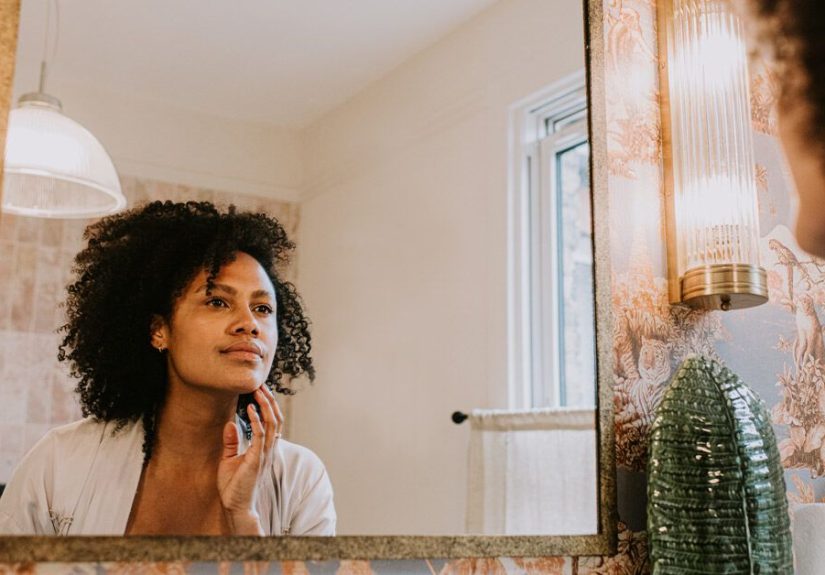
Ready to get practical? These are gentle, commonly recommended techniques that target the jaw muscles most involved in TMJD symptoms. Do them in front of a mirror the first few times so you can see where your fingers are landing.
1. Masseter Muscle Massage (Cheek Area)
Your masseter muscles run from your cheekbones down to your lower jaw. They’re major chewing muscles and often the MVPs of clenching and grinding.
- Sit or stand comfortably with your shoulders relaxed and your lips lightly together, teeth slightly apart.
- Place two to three fingertips on the thick muscle just in front of your ear and slightly below your cheekbone. Clench your teeth gently onceyou’ll feel the muscle bulge under your fingers.
- Relax your jaw again. Using gentle to moderate pressure, make small circular motions over the muscle. Move slowly along the length of the muscle toward the corner of your jaw.
- Spend about 30–60 seconds on each side. Breathe slowly and deeply as you work.
- If you find tender “knots,” you can pause and hold gentle pressure for 10–20 seconds, then slowly release.
If your fingers feel tired, you can use your knuckles instead, but keep the pressure controlledthis is a jaw, not pizza dough.
2. Temporalis Muscle Massage (Temples)
The temporalis muscles fan out on the sides of your head above your ears. They help close your jaw and often contribute to headache-type pain when they’re irritated.
- Place three or four fingertips on your temples, just behind and above the outer corners of your eyes.
- Gently press into the muscle and make slow, small circles. Do not press so hard that you feel dizzy or uncomfortable.
- Gradually move your fingers up and back along the side of your head, following the shape of the muscle.
- Massage for 30–60 seconds, then switch sides.
This one pairs nicely with deep breathing or a mini “screen break” during your workday.
3. Jawline and TMJ Area Massage
Here you’ll work closer to the actual joint and along the jawline, where smaller muscles can also get cranky.
- With your jaw relaxed and lips softly together, place your index and middle finger just in front of your ear where you can feel the TMJ.
- Make tiny circles over the joint with very light pressure. If you feel clicking or popping, keep your mouth mostly closed instead of opening and closing repeatedly while you massage.
- Slowly slide your fingers down along the jawline toward your chin, continuing gentle circular or sweeping motions.
- Repeat for 30–60 seconds on each side.
If you notice one side is consistently tighter or more tender, that’s useful information to share with your provider.
4. Inside-the-Mouth Technique (Only With Professional Guidance)
Some clinicians teach patients to do very gentle inside-the-mouth massage to reach deeper layers of the masseter or the pterygoid muscles on the inner side of the jaw. This can be helpfulbut it’s also easy to overdo or irritate nearby tissues if you don’t know exactly what you’re doing.
If your dentist, physical therapist, or other trained provider has shown you specific intraoral techniques, follow their instructions exactly. If they haven’t, stick to the outside-only massage described above and ask them if advanced techniques would be appropriate for you.
Using Heat, Stretching, and Habits to Boost Massage Results
TMJ massage works best when you give your jaw a supportive environment. Think of it like watering a plant and giving it sunlight, not just one or the other.
Warmth and Cold: Choose the Right Temperature
Heat can help relax tight muscles, while cold can calm sharp, inflamed pain. Many people find:
- A warm, moist compress (like a warm washcloth) over the jaw muscles for 10–15 minutes before massage makes the tissue easier to work with.
- A brief cold pack (wrapped in a cloth) for 5–10 minutes can be helpful if your jaw feels more inflamed after a long day of clenching.
Don’t put ice or very hot packs directly on your skin, and avoid extreme temperatures if you have nerve issues or reduced sensation. If heat or cold increases your pain, stop and discuss with a provider.
Gentle Jaw Stretches
Stretching complements massage by helping retrain the way your jaw moves:
- Tongue-to-roof resting stretch: Place your tongue lightly on the roof of your mouth just behind your front teeth. Slowly open your mouth as far as comfortable without losing tongue contact, then close. Repeat 5–6 times.
- Controlled opening: Place a finger on your chin and slowly open your mouth while guiding your jaw straight down (not off to one side). Close slowly. Repeat 5–10 times.
Always keep stretches pain-free or only mildly uncomfortable. Combining 30–60 seconds of massage with a few gentle stretches can give you more lasting relief.
Everyday Habits That Can Undo Your Progress
If you massage your jaw for five minutes and clench it for the next five hours, guess which one wins? To support TMJ massage, try:
- Avoiding hard and chewy foods: Minimize tough meats, chewy candy, crusty bread, and gum during flare-ups.
- Watching your posture: Slouching and “tech neck” can shift your head and jaw position, putting more stress on the TMJs. Think tall spine, relaxed shoulders, and screens at eye level.
- Limiting daytime clenching: Check in with your jaw throughout the day. Aim for “lips together, teeth apart, tongue resting on the roof of your mouth.”
- Managing stress: TMJD often flares when life gets hectic. Relaxation exercises, breathing techniques, and good sleep hygiene can help reduce unconscious clenching and grinding.
How Often Should You Do TMJ Massage?
There’s no universal schedule, but these general guidelines are common:
- Start with 1–2 short sessions per day of 5–10 minutes total.
- Use massage before or after stressful periods (long computer work, driving, meetings) to prevent tension from building up.
- Adjust based on your jaw’s response. If you feel looser and less sore afterward, that’s a good sign. If pain ramps up or feels aggravated the next day, cut back on frequency or intensity.
Consistency beats intensity. Gentle, regular massage plus good habits usually beats “going all in” once a week with too much pressure.
When TMJ Massage Isn’t Enough
Self-massage can be incredibly helpful, but it isn’t a cure-all. It’s time to check in with a professional if you notice any of the following:
- Pain that’s severe, getting worse, or keeping you from eating or speaking comfortably
- Jaw locking open or closed, or feeling like it’s going to “shift out” when you yawn
- Associated symptoms like unexplained weight loss, fever, significant ear issues, or widespread joint pain
- No improvement after several weeks of gentle self-care and habit changes
Depending on your situation, a dentist, oral and maxillofacial specialist, or physical therapist may recommend additional treatments like a custom mouth guard, supervised jaw exercises, medications, injections, or (rarely) surgery. The goal is the same as yours: less pain, better function, and a jaw that minds its own business.
Real-Life Experiences: What TMJ Massage Feels Like Day to Day
TMJ massage isn’t just a list of stepsit’s a lived experience. While everyone’s jaw story is different, certain patterns show up again and again.
The desk worker with “mystery headaches.” Imagine someone who spends all day scrolling through spreadsheets with their shoulders up by their ears and their chin reaching toward the laptop. They notice afternoon headaches and a sore “tooth” that their dentist says is totally fine. After learning basic TMJ massage, they start doing a quick five-minute routine: warm compress, masseter massage, temple circles, and a posture reset every few hours. Within a couple of weeks, the headaches are less intense and less frequent. The jaw doesn’t magically become perfect, but the daily background ache fades from a 7 out of 10 to a manageable 2 or 3.
The nighttime grinder. Another person discovers they grind their teeth because their partner hears it, or their dentist sees wear patterns. They’re fitted with a night guard, which protects their teeth, but they still wake up with jaw stiffness. Adding a short TMJ massage session before bed becomes part of their wind-down routinewash face, brush teeth, massage jaw, a few deep breaths, then sleep. Over time, morning tightness eases. They still use the night guard and keep regular dental visits, but the massage gives them a sense of control instead of feeling at the mercy of their jaw.
The stress clencher. For some people, TMJD flares show up when life gets busydeadlines, family responsibilities, financial stress. They might not grind much at night but notice they clamp their jaw during the day, especially when concentrating or worrying. With practice, they learn to recognize their body’s “stress signals:” raised shoulders, shallow breathing, and a tight jaw. A quick check-injaw relax, lips together, teeth apartfollowed by 60 seconds of masseter massage at their desk becomes a micro-reset button. Combined with simple breathing exercises, jaw massage becomes one of their go-to tools for both pain relief and stress management.
The slow and steady progress story. TMJ massage often doesn’t give a dramatic overnight transformation, and that can feel discouraging. Most people notice small wins first: chewing gum hurts less, talking all day at work leaves them less exhausted, or their jaw doesn’t complain during long car rides. Often, the biggest benefit shows up when they stop the massage routine for a week and symptoms creep back inan annoying but convincing reminder that these small, consistent habits are doing real work behind the scenes.
What these experiences have in common. Across different stories, a few themes repeat:
- Relief tends to be gradual, not instant.
- The best results come when massage is combined with posture changes, stress management, and, when needed, professional treatment.
- People feel more empowered when they have something practical they can do with their own hands.
Your experience with TMJ massage will be uniquely yours. You might respond quickly, or you may need to experiment with different techniques, timing, and pressure levels. The key is to stay gentle, pay attention to your body’s signals, and partner with your healthcare team rather than trying to handle everything on your own.
The Bottom Line
TMJD can make everyday taskseating, talking, even smilingsurprisingly uncomfortable. TMJ massage won’t fix every jaw problem, but for many people it’s a safe, practical way to ease muscle tension, reduce pain, and support healthier jaw movement.
Approach it like a long-term relationship with your jaw: be gentle, be consistent, and don’t ignore red flags. Combine self-massage with better posture, stress reduction, softer foods during flare-ups, and professional care when needed. Over time, those small, daily decisions add up to a jaw that feels calmer, more comfortable, and a whole lot less noisy.