Table of Contents >> Show >> Hide
- What LDL Is (and Why It Matters)
- Know Your Numbers, Then Know Your Risk
- Diet Moves That Actually Lower LDL
- Two Eating Patterns That Make This Easier
- A Sample Day of LDL-Friendly Eating (No Sad Desk Salads)
- Exercise: The Most Underrated Cholesterol Tool
- Weight Loss (If Needed): Small Drops, Big Payoff
- Other Habits That Matter
- When Lifestyle Isn’t Enough: Medications
- How Fast Can You Lower LDL?
- A Realistic 4-Week Starter Plan
- Quick FAQ
- Conclusion
- Experience Corner: of “What Actually Works in Real Life”
LDL cholesterol gets called “bad,” but it’s not evil. It’s more like a delivery service that’s useful… until it starts leaving boxes in the hallway.
If your blood work flagged LDL (“bad” cholesterol) as high, you’re in good company. The even better news: for many people, LDL can drop with targeted changes in food, movement, and daily habits. And if medication is part of your plan, that’s not “failure”it’s your heart getting a strong teammate.
What LDL Is (and Why It Matters)
LDL stands for low-density lipoprotein. Lipoproteins are particles that carry cholesterol through your bloodstream. Your body needs cholesterol for hormones, cell membranes, and more. The issue is too much LDL over time, which can help form plaque in arteries. Plaque buildup narrows arteries and raises the risk of heart attack and stroke, so lowering LDL is one of the most reliable ways to reduce long-term cardiovascular risk.
Important nuance: your body makes most of its cholesterol. Food matters, but your liver, genetics, hormones, and overall metabolism matter too. That’s why “I stopped eating eggs” sometimes changes nothing, while “I swapped butter + refined carbs for fiber + healthier fats” actually moves the needle.
Know Your Numbers, Then Know Your Risk
Many labs label LDL under ~100 mg/dL as “optimal,” but modern care is risk-based. Your goal depends on age, blood pressure, diabetes, smoking, family history, and whether you already have cardiovascular disease. In other words, two people can have the same LDL and get different recommendationsand both can be correct.
Diet Moves That Actually Lower LDL
LDL-lowering nutrition is not about “perfect foods.” It’s about shifting your overall pattern: less saturated/trans fat, more soluble fiber, and more unsaturated fats.
1) Cut Saturated Fat (Keep Flavor)
Saturated fat tends to raise LDL for many people. Major heart-health guidance often suggests keeping it low (frequently described as under about 6–7% of daily calories). The biggest sources: fatty red meat, processed meats, butter, full-fat dairy, and many fried/packaged snacks.
- Swap fats: use olive or canola oil instead of butter most days.
- Swap proteins: choose fish, beans, lentils, tofu, and lean poultry more often than fatty meats.
- Portion hack: if you love steak or cheese, shrink the portion and pair it with a big fiber side (beans, vegetables, whole grains).
2) Avoid Trans Fats (These Really Are the Villains)
Industrial trans fats raise LDL and lower HDL. Many products have reduced them, but they can still appear in some baked or fried items. Scan ingredient lists for “partially hydrogenated oils.” If you see it, put it back like it just tried to sell you a timeshare.
3) Add Soluble Fiber: The LDL “Magnet”
Soluble fiber binds to cholesterol in the gut and helps remove it. Many clinical resources suggest aiming for roughly 10–25 grams/day of soluble fiber within an overall fiber-rich diet.
Best sources: oats/oat bran (beta-glucan), barley, beans, lentils, apples, citrus, berries, okra, eggplant, and psyllium.
Starter strategy: add one soluble-fiber food at breakfast and one at dinner. Your gut will adapt better if you ramp up gradually (and if you drink waterfiber is not a “set it and forget it” appliance).
4) Replace “Solid” Fats With Unsaturated Fats
Replacing saturated fat with monounsaturated and polyunsaturated fats can lower LDL. Practical staples: olive oil, avocado, nuts, seeds, and fatty fish. This isn’t “add fat to everything”; it’s “choose better fats when fat is part of the meal.”
5) Plant Sterols/Stanols: Useful (Not Magical)
Plant sterols and stanols can reduce cholesterol absorption. Many heart-health resources note that about 2 grams/day (from fortified foods or supplements) can reduce LDL for many peopleespecially when paired with a low–saturated-fat, high-fiber pattern.
How to use them: if you’re already doing the basics (fiber + healthier fats + less saturated fat) and you want an extra nudge, sterol-fortified foods may help. If your diet is still mostly fast food, sterols are like putting a fancy doormat in front of a house that’s on fire. Start with the basics.
6) Don’t Let Added Sugar Run the Show
Added sugar and refined carbs don’t directly “become LDL,” but they can worsen triglycerides and overall metabolic health. That matters because high LDL often travels with insulin resistance, high triglycerides, or low HDL.
- Choose whole grains (oats, brown rice, whole wheat, quinoa) more often than white flour products.
- Keep sugary drinks as an occasional treat, not a daily habit.
- When you want dessert, make “small and satisfying” the goalnot “eat until I regret it.”
Two Eating Patterns That Make This Easier
If you want a simple framework, two well-known patterns show up repeatedly in clinical advice:
Mediterranean-style eating
Vegetables, fruit, beans, whole grains, olive oil, nuts, and fishwhile keeping red meat and ultra-processed foods smaller and less frequent.
DASH-style eating
Fruits, vegetables, whole grains, lean proteins, and lower saturated fatplus mindful sodium. Great if blood pressure is also on your worry list.
A Sample Day of LDL-Friendly Eating (No Sad Desk Salads)
- Breakfast: oatmeal with berries + walnuts (or chia/flax) and cinnamon.
- Lunch: big salad bowl with mixed greens + beans or lentils + chicken or tofu + olive oil & vinegar; whole-grain bread on the side if you want it.
- Snack: apple + a small handful of almonds (portion it; the bag will lie to you).
- Dinner: salmon (or canned salmon patties) + roasted veggies + barley or brown rice.
- Dessert: Greek yogurt with fruit, or a couple squares of dark chocolateintentionally, not “whatever’s left in the pantry.”
This day works because it hits the big levers: soluble fiber, healthier fats, and fewer saturated-fat heavy foods.
Exercise: The Most Underrated Cholesterol Tool
Regular activity supports healthier cholesterol patterns and weight management. A widely recommended baseline is 150 minutes/week of moderate-intensity aerobic activity (like brisk walking) plus strength training on two or more days per week.
- Make it doable: 10-minute walks after meals count.
- Add strength: squats, push-ups (wall is fine), and rows with a bandtwice a week.
Weight Loss (If Needed): Small Drops, Big Payoff
If you have weight to lose, even 5–10% can improve LDL and other risk factors. Focus on repeatable habits: protein + fiber at breakfast, half your plate plants, and fewer liquid calories. The “best diet” is the one you can follow in a month when work is chaotic.
Other Habits That Matter
Quit Smoking
Smoking damages blood vessels and raises cardiovascular risk. Quitting supports heart health quickly, even while LDL changes are still in progress.
Sleep and Stress
Stress and poor sleep can sabotage the basics (food choices and movement). Start small: consistent sleep/wake times, morning light, and a short wind-down routine. “I slept terribly” is an underrated reason people reach for sugary, fatty foods the next day.
When Lifestyle Isn’t Enough: Medications
Some LDL is high due to genetics or higher overall risk. Medications can lower LDL and reduce the chance of heart attack or stroke. Common options include:
- Statins (first-line for many): lower cholesterol production and reduce cardiovascular events.
- Ezetimibe: reduces cholesterol absorption; sometimes added to a statin.
- PCSK9 inhibitors: injectable therapies that can dramatically lower LDL for certain high-risk patients.
If medication is recommended, it’s a protection plannot a punishment. If you’re worried about side effects, tell your clinician; there are dose adjustments and alternatives.
How Fast Can You Lower LDL?
Some changes can improve labs within weeks, but many clinicians look for meaningful movement over 4–12 weeks. That’s why lipid panels are often rechecked about 1–3 months after major lifestyle changes or after starting a medication.
A Realistic 4-Week Starter Plan
- Week 1: high-fiber breakfast 4–5 days (oats/whole grain + fruit + protein).
- Week 2: swap fats (olive/canola oil) and replace two red-meat meals with fish or beans.
- Week 3: walk 10 minutes after one meal daily; add two short strength sessions.
- Week 4: stock your pantry: oats, beans, frozen veggies, nuts, olive oil, fish (fresh/frozen/canned).
Quick FAQ
Do I have to stop eating eggs?
For many people, saturated fat has a bigger impact on LDL than dietary cholesterol. Eggs can fit into a heart-healthy pattern; follow personalized advice if you’ve been given specific limits.
Is coconut oil “heart healthy”?
It’s high in saturated fat. If lowering LDL is your goal, olive or canola oil is usually a better everyday choice.
What about supplements?
Psyllium fiber helps some people. “Miracle” supplements are less reliablecheck with a clinician, especially if you take other medications.
Conclusion
Lowering LDL is about stacking proven habits: less saturated and trans fat, more soluble fiber, healthier fats, regular movement, and weight management if needed. Recheck your labs, refine your plan, and get medical support when appropriate.
Experience Corner: of “What Actually Works in Real Life”
Most people don’t struggle with LDL cholesterol because they can’t define “soluble fiber.” They struggle because life is busy, stress is real, and convenience food is everywhere. So instead of pretending you’ll become a brand-new person on Monday, here are common real-world patterns people report when they successfully lower LDLimperfect, repeatable, and surprisingly effective.
1) Breakfast is a domino. When someone starts the day with fiber plus proteinoats with fruit and nuts, or Greek yogurt with berries and chiathey’re steadier at 10 a.m. and less likely to “accidentally” eat a pastry the size of a throw pillow. This isn’t about being virtuous. It’s about being full. Full people make better decisions.
2) One swap beats an entire personality makeover. The all-or-nothing trap is real: perfect on Monday, pizza by Wednesday, then “I’ll restart next month.” The sustainable wins usually come from one repeatable swap at a time. Olive oil instead of butter most days. Bean chili instead of sausage twice a week. Nuts and fruit instead of chips at 3 p.m. Once the first swap becomes automatic, adding a second feels dramatically easier. Momentum is built, not wished for.
3) Walking is a gateway habit. A 10-minute post-dinner walk sounds too small to matteruntil it becomes routine. People often notice better sleep, lower stress, and fewer late-night snack negotiations. Then the walk starts expanding: 10 becomes 20, a weekend stroll turns into a hike, and suddenly movement feels normal instead of optional. Walking isn’t magic; it’s just accessible enough to actually happen.
4) Your kitchen environment is louder than your willpower. If cookies live on the counter, cookies will eventually live in your mouth. People who keep quick LDL-friendly options visibleoats, canned beans, frozen vegetables, bagged greens, canned salmon, nutsend up making better choices without daily self-argument. This isn’t weakness. It’s design. Make the healthy option the default option.
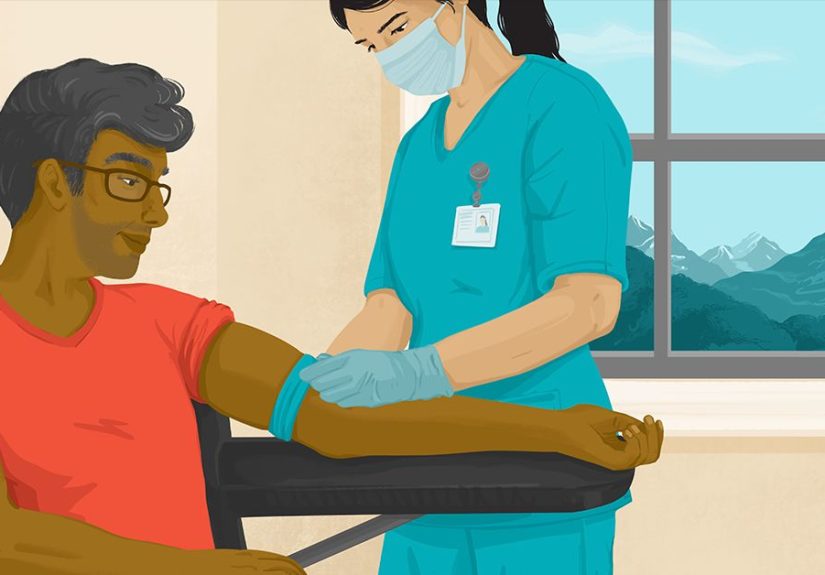
5) The lab re-check is the real before-and-after. The most motivating moment usually isn’t a new recipe; it’s seeing LDL move on the next blood test. Even a modest improvement reinforces the process: “Oh, this works.” And if the number doesn’t budge, that’s not failureit’s useful information. It may mean you need more time, a tighter focus on saturated fat, a bigger fiber push, or that genetics are playing a major role and medication support is the right next step.
Bonus experience: support helps. People who enlist a buddy, a dietitian, or even a calendar reminder tend to follow through more consistently. Having “default” meals (two breakfasts, two lunches, two dinners) reduces decision fatigue. The goal isn’t variety Olympics; it’s consistency that your next lab draw can reward.
The takeaway is hopeful: lowering LDL doesn’t require perfection. It requires a handful of habits you can repeat when you’re tired, stressed, and busy. Build the pattern, check the data, and keep refining. Your future selfwho would like their heart to keep doing heart thingswill be glad you started.