Table of Contents >> Show >> Hide
- Meet Bacopa: Small Flowers, Big Impact
- Choosing the Right Bacopa and Where to Plant It
- Planting Bacopa Step by Step
- Your Bacopa Care Routine: Water, Food, and a Little Haircut
- Troubleshooting Bacopa Problems
- Overwintering and Propagating Bacopa
- Design Ideas: Using Bacopa Like a Pro
- Real-World Experiences: Bacopa Lessons From the (Messy) Garden
- Conclusion: Bacopa, Mastered
If you’ve ever seen a hanging basket that looks like a fluffy white (or blue, or pink) waterfall of flowers, there’s a good chance you were admiring bacopa. This trailing annual, often sold under its botanical name Sutera cordata, is a superstar “spiller” for containers, window boxes, and garden borders. The good news: you don’t need a horticulture degree to get pro-level results. You just need to understand what bacopa lovesand what makes it sulk.
This guide walks you through everything from planting and watering to feeding, pruning, and even overwintering and propagating bacopa. By the end, you’ll know exactly how to grow and care for bacopa plants like a pro gardener, not a nervous beginner hoping the plant reads the tag and figures things out on its own.
Meet Bacopa: Small Flowers, Big Impact
Bacopa is a low-growing, trailing plant that typically reaches about 3–10 inches tall and can spread 12–36 inches wide. That compact height plus the long, cascading stems make it perfect for:
- Hanging baskets on porches and patios
- Window boxes that need a soft trailing edge
- Mixed containers as a “spiller” around taller plants
- Groundcover along paths, walls, or at the front of borders
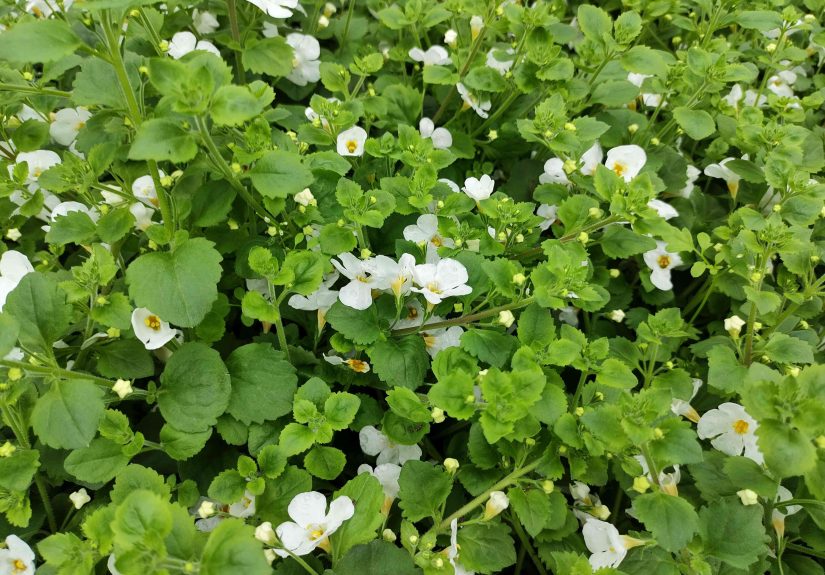
Most varieties have tiny, rounded green leaves and masses of five-petaled flowers in white, blue, lavender, or pink, often with a soft yellow throat. In warm climates (roughly USDA Zones 9–11), bacopa can behave as a tender perennial. In cooler regions, it’s treated as an annual that flowers from late spring until frost, as long as you keep it watered and fed.
Choosing the Right Bacopa and Where to Plant It
Light, Temperature, and Hardiness
To get continuous flowers, bacopa needs the right mix of sun and comfort:
- Light: Full sun to part shade. Aim for at least 4–6 hours of sun per day. In cooler climates, full sun gives the best bloom show. In hotter areas, a bit of afternoon shade helps prevent stress and keeps flowers from fading early.
- Temperature: Bacopa is happiest between about 60–75°F. Wait until after the last spring frost before planting outdoors. Night temperatures should be consistently above 50°F before you move young plants outside.
- Hardiness: In zones 9–11, bacopa can overwinter outdoors. Everywhere else, treat it as an annual or bring cuttings indoors for the winter.
Think of bacopa as that friend who loves summer but insists on a shady seat and a cold drink when it gets too hot. Give it bright light without brutal heat and it will reward you with nonstop blooms.
Soil and Container Basics
Bacopa is not fussy about soil types, but it has two non-negotiable preferences:
- Excellent drainage: It hates sitting in waterlogged soil. Whether in beds or containers, soil should drain freely.
- Rich in organic matter: A high-quality potting mix for containers and garden soil amended with compost will keep roots happy.
For containers and hanging baskets:
- Use a lightweight, peat- or coir-based potting mix.
- Avoid heavy garden soil in pots; it compacts and holds too much water.
- Make sure there are drainage holesbacopa will not forgive a pot without them.
Planting Bacopa Step by Step
In Garden Beds
- Wait for frost-free weather. Plant in mid-to-late spring, after the danger of frost has passed.
- Prepare the soil. Loosen the planting area to about the same depth as the nursery pot. Work in compost to improve both drainage and fertility.
- Space correctly. Place plants about 8–12 inches apart. They’ll quickly knit together, forming a soft, flowering carpet along the front of beds or between stones.
- Plant at the same depth. Keep the top of the root ball level with the surrounding soil. Backfill, firm gently, and water thoroughly.
In Containers and Hanging Baskets
- Pick the right container. Bacopa looks fantastic in 10–12 inch or larger hanging baskets and mixed planters. Larger pots dry out more slowly, which bacopa appreciates.
- Fill with potting mix. Use a well-draining container mix, filling to a couple of inches below the rim for easy watering.
- Position your plants. Arrange bacopa around the edges so its trailing stems can spill over. Pair it with upright “thrillers” (like geraniums, petunias, or ornamental grasses) and rounded “fillers” for a classic container combo.
- Plant and water in. Gently loosen the roots, tuck plants into place, firm the soil, and water until moisture runs from the drainage holes.
Pro tip: For lush-looking baskets from day one, you can plant bacopa a bit closer in containers than in the ground. It’s a trailing plant, so it likes close company.
Your Bacopa Care Routine: Water, Food, and a Little Haircut
Watering Without Overdoing It
Bacopa’s number one diva demand? Consistent moisture.
- Keep the soil evenly moist. Never let bacopa bone-dry completely, especially in baskets and small pots. If it dries out, the plant tends to drop its flowers and buds, and it can take a week or two to rebound.
- Avoid soggy feet. Constantly wet, saturated soil can lead to root problems and poor growth. The top inch of soil should feel slightly dry before you water again.
- Check containers more often. Hanging baskets and window boxes may need watering once a day in hot, windy weathersometimes twice if they’re small and in full sun.
Think “moist brownie,” not “dry cracker” or “mud pie.” That middle ground keeps bacopa blooming steadily.
Feeding for Nonstop Blooms
Bacopa is a hard-working bloomer, and hard workers are hungry. Give it regular, light meals through the growing season:
- Use a balanced, water-soluble fertilizer. A 10-10-10 or similar balanced formula works well.
- Containers: Feed every 1–2 weeks during active growth. They flush nutrients out quickly every time you water.
- In-ground plants: Fertilize about every 3–4 weeks, or use a slow-release granular fertilizer in spring and lightly top up midseason.
- Go easy on the dose. Follow the label but when in doubt, use half-strength more often rather than a strong dose all at once.
If foliage looks pale or flowering slows despite good light and moisture, your bacopa may be hinting that it’s ready for its next snack.
Pruning, Pinching, and Deadheading
Many modern bacopa varieties are “self-cleaning,” meaning spent blooms drop off on their own. However, a little grooming keeps plants looking tidy and encourages fresh growth:
- Pinch back tips. Every few weeks, lightly pinch back the ends of long stems. This encourages branching, making plants fuller and more compact instead of stringy.
- Shear midseason. If plants start to look tired or leggy in midsummer, give them a light haircut, removing the top 1/3 of growth, then feed and water well. Within a couple of weeks, you’ll see a flush of new foliage and blooms.
- Spot-deadhead if needed. On older varieties that hold onto spent flowers, you can gently remove brown blooms to keep that pristine carpet look.
Troubleshooting Bacopa Problems
When Bacopa Stops Blooming
A bacopa plant that suddenly stops flowering is basically sending a group text that says, “I have notes.” Common reasons include:
- Drought stress: If the soil dries out repeatedly, the plant may drop buds and flowers. Resume consistent moisture and give it a balanced fertilizer; it usually recovers in a week or two.
- Too much shade: Less than 4 hours of direct sun can reduce flowering. Move containers to a brighter spot or thin nearby plants casting too much shade.
- Nutrient exhaustion: Container bacopa blooms heavily and quickly depletes nutrients. If foliage looks light green and flowers are sparse, restart a regular feeding schedule.
- Heat stress: In very hot regions, intense afternoon sun can temporarily slow flowering. Provide filtered shade during the hottest part of the day and make sure plants aren’t drying out.
Pests and Diseases
Bacopa is generally a low-maintenance plant with few serious pest issues. Occasionally, you might notice:
- Aphids: Small green or black insects on tender stems or buds. A strong blast of water from the hose often dislodges them. For persistent problems, use insecticidal soap according to the label.
- Spider mites: In hot, dry conditions, you may see fine webbing and stippled leaves. Increase humidity around the plant, rinse foliage, and consider a miticide or insecticidal soap if necessary.
- Fungal issues: Overly crowded, poorly ventilated, or constantly wet foliage can invite mildew or leaf spot. Space plants for airflow, water the soil rather than the leaves when possible, and remove badly affected stems.
Healthy, well-sited bacopa rarely has serious disease problems. Good air circulation, consistent moisture, and smart watering go a long way toward prevention.
Overwintering and Propagating Bacopa
In cold climates, most gardeners treat bacopa as an annual. But if you fall in love with a particular variety (and you probably will), you have options:
Taking Cuttings
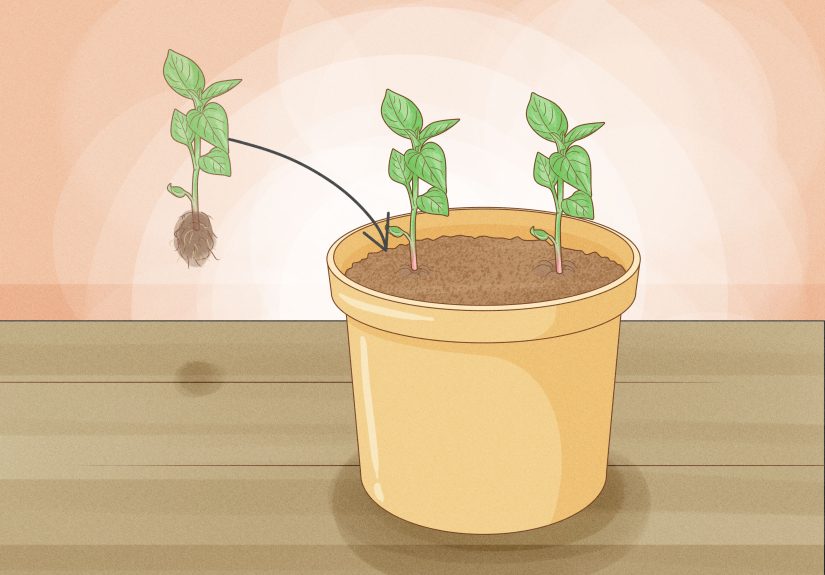
- Snip non-flowering shoots. In late summer, take 3–4 inch cuttings from healthy stems.
- Strip the lower leaves. Remove leaves from the bottom half of each cutting.
- Root in potting mix or water. Dip in rooting hormone (optional) and place in moist seed-starting mix, or root them in water until you see roots forming.
- Provide bright, indirect light. Keep cuttings warm and evenly moist. Once rooted, pot them up and grow indoors on a bright windowsill under grow lights through winter.
By spring, you’ll have fresh young plants ready to go into containers without having to hunt down the same variety again.
Keeping Whole Plants Indoors
You can also bring a favorite container of bacopa indoors before frost:
- Inspect for pests and trim the plant back by about one-third.
- Place it in the brightest indoor spot you have, ideally a south- or west-facing window.
- Water when the top inch of soil feels dry and fertilize lightly every 4–6 weeks.
Growth will slow during winter, but once days lengthen, your plant will start to perk up and get ready for another season outside.
Design Ideas: Using Bacopa Like a Pro
Bacopa is incredibly versatile in the landscape. Here are a few ways pro gardeners use it to level up their designs:
- All-white elegance: White bacopa spilling from black or charcoal containers creates a clean, modern look that works with almost any house color.
- Cottage-style combos: Pair blue or lavender bacopa with pink geraniums, trailing verbena, and dusty miller for a soft, romantic basket.
- Sunny pollinator corners: Use bacopa as a low “skirt” around taller, bee-friendly plants like salvia, coneflower, or zinnias.
- Retaining wall cascades: Plant bacopa in pockets along a low wall or rock garden and let it spill over the edges for a natural, flowing effect.
Because bacopa’s flowers are small and numerous, it reads like a gentle cloud, tying bolder colors and textures together instead of competing with them.
Real-World Experiences: Bacopa Lessons From the (Messy) Garden
Guides and plant tags are helpful, but the real secrets show up when you’ve actually grown bacopa through a few scorchingly hot Julys and suspiciously rainy Mays. Here are experience-based insights that seasoned gardeners often share about growing and caring for bacopa like a true pro.
The First Time Bacopa “Disappears”
Many gardeners have the same first-time story: the bacopa basket looks incredible in May, fairly decent in June, and then suddenlypoof!it seems to stop blooming in July. The foliage is still there, but the flowers vanish, and panic sets in.
What’s usually happening is a one-two punch of heat and inconsistent watering. On hot, windy days, especially in full sun, hanging baskets can dry out in a matter of hours. Bacopa doesn’t always wilt dramatically like some plants. Instead, it drops buds and flowers as a survival mechanism. If you weren’t home to water, you might not even realize the plant went through a drought moment.
Experienced gardeners learn to treat bacopa baskets almost like pets during heat waves: they check them in the morning and again by late afternoon. If the basket feels very light, that’s a sign the potting mix has dried and needs a thorough soak. A deep drink and a light feeding usually bring back flowers within a week or two.
Why Bigger Is Better With Baskets
Another lesson: pot size matters. A tiny 8-inch basket stuffed with bacopa looks cute in the nursery but can be high-maintenance at home. There’s less soil volume to hold moisture, so the plant dries out faster, gets stressed more easily, and blooms less reliably.
Gardeners who grow bacopa every year often upgrade to 10–14 inch baskets or rectangular window boxes with some depth. The extra soil acts like a buffer, keeping moisture and nutrients available longer between waterings. The plant can also spread and trail more naturally, creating that lush, overflowing look with less effort on your part.
Companion Plants That Play Nicely
Through trial and error, many container gardeners discover that bacopa loves being paired with plants that enjoy similar conditions: consistent moisture and bright light without extreme drought. Petunias, calibrachoa, geraniums, and lobelia are frequent companions.
What doesn’t work as well? Plants that prefer very dry soil or extremely high heat, like some Mediterranean herbs. When you tuck rosemary and bacopa into the same pot, you end up negotiating between underwatering the bacopa and overwatering the rosemary. One will sulk, and you’ll end up blaming yourself when it was really just a bad roommate match.
The Midseason Haircut Trick
A lot of gardeners are hesitant to cut back a plant that’s blooming, but bacopa responds beautifully to a midseason trim. When baskets start to look a little tiredstems stretched, flowers smaller, the center thinning outexperienced growers don’t baby them; they give them a spa day.
That “spa day” is a quick haircut, reducing the plant by about one-third, followed by a good feed and thorough watering. It can feel brutal the first time you do it, but in two to three weeks, there’s usually a noticeable difference: fresh foliage, more branching, and a strong wave of new blooms. Once you’ve seen the rebound, you stop being shy with the scissors.
Saving a Favorite Variety
If you find a particular bacopa you adoremaybe a soft pink variety that looks incredible with your house colorconsider taking cuttings near the end of summer. Gardeners who do this essentially “save” their favorite plants from year to year without relying on spring availability at local nurseries.
Soft-tip cuttings usually root quickly in moist potting mix or even a glass of water on a bright windowsill. Once rooted, they can be grown indoors under a simple LED grow light. It doesn’t take much room; a single tray can hold all the cuttings you need for multiple baskets next spring. This little propagation habit is one of those things that makes you feel like a proeven if you’re still occasionally forgetting to water on busy days.
When to Let It Go
Finally, pro gardeners also know when to quit. By very late season, after heat, storms, and repeated shearing, some bacopa plants simply start looking tired. Instead of fighting a losing battle, many gardeners swap them out for cool-season plants like pansies or ornamental kale. There’s no failure in this; annuals are designed to shine hard for a season and bow out. Knowing when a plant has done its job is part of gardening wisdom.
Put all these experiences togetherwatching moisture closely, using larger containers, choosing compatible companions, pruning boldly, and propagating favoritesand suddenly you’re not just growing bacopa. You’re managing it like a pro, with confidence and a little swagger every time you walk past those overflowing baskets.
Conclusion: Bacopa, Mastered
Growing bacopa like a pro gardener is all about consistency and observation. Give it sun (with a touch of afternoon shade in hot climates), rich but well-draining soil, regular moisture, and steady, light feeding. Trim when it stretches, refresh when it sulks, and don’t be afraid to experiment with container designs and companions.
In return, bacopa will drape your garden in thousands of tiny flowers from late spring right through to frost. Once you’ve dialed in its routine, you’ll wonder how your baskets and window boxes ever looked finished without it.