Table of Contents >> Show >> Hide
- Before You Start: Know What You’re Cleaning
- The “Looks Like New” Secret: Most Carpet Cleaning Is Preventive
- Spot Cleaning 101: Carpet First Aid (Blot, Don’t Battle)
- Deep Cleaning: The Methods That Bring Back “New Carpet Energy”
- Drying: Where “Clean” Becomes “Actually Fresh”
- Common Carpet-Cleaning Mistakes (A Short List of Regrets)
- When to Call a Pro (and What to Ask)
- When Cleaning Isn’t Enough: Replace vs. Restore
- A Simple Routine That Keeps Carpet Looking New
- Real-World Experiences: What Carpet Cleaning Is Actually Like ()
- Conclusion
Carpets are basically fluffy dirt magnets with excellent PR. They quietly collect crumbs, pet glitter (aka fur),
mystery dust, and the occasional “How did that get there?” stainthen still have the audacity to look
offended when you bring out the vacuum.
The good news: you don’t need a chemistry degree or a basement full of gadgets to get that like-new look back.
You just need the right order of operations, a little patience, and the confidence to blot instead
of panic-scrub (your carpet will thank you).
Before You Start: Know What You’re Cleaning
Not all carpet is created equal. Some fibers handle moisture and gentle oxidizers well; others (especially wool)
can shrink, discolor, or get cranky if you use the wrong product. If you have leftover carpet scraps from install,
that’s your “test kitchen.” If not, pick a hidden spot in a closet or under a sofa.
- Do a colorfastness test: apply a tiny amount of your cleaner to a hidden area, blot, and let it dry.
- Check the care/warranty notes: some manufacturers recommend specific methods (often hot-water extraction) and certified products.
- When in doubt: start with the gentlest optionwater + mild dish soapthen level up only if needed.
The “Looks Like New” Secret: Most Carpet Cleaning Is Preventive
If you want carpets that look freshly installed, the biggest wins happen between deep cleans. Dirt is gritty;
it behaves like tiny sandpaper and makes carpet fibers look dull, matted, and tired. Your mission is to remove that grit
early and oftenbefore it gets ground in.
Vacuum Like a Pro (Without Becoming One)
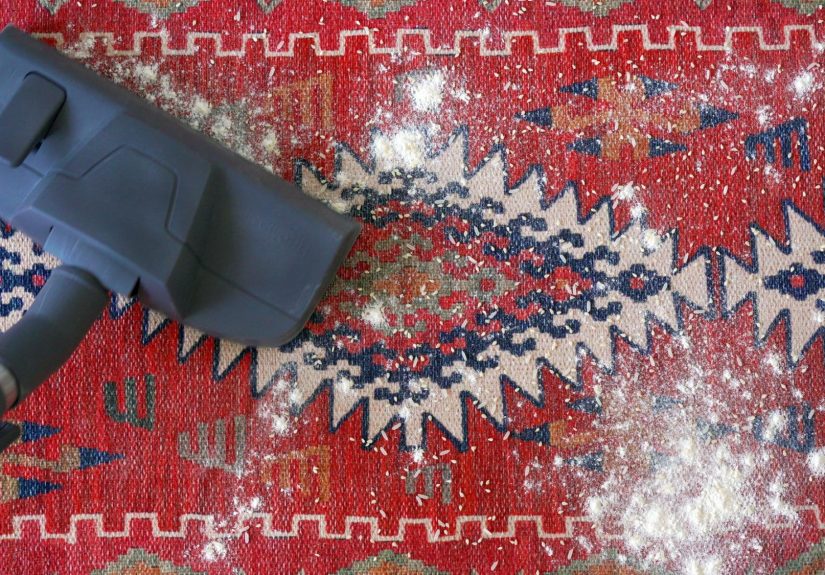
Vacuuming isn’t glamorous, but it’s the foundation of everything. If you skip it and jump to shampooing,
you’re basically making dirt soup.
- Go slow: quick passes miss embedded soil. Make two passes in different directions in high-traffic lanes.
- Use the right setting: adjust height for your pile. Too high = weak suction; too low = hard to push and less effective.
- Empty/replace bags and clean filters: suction drops fast when the bin is full or filters are clogged.
- If allergies are an issue: consider a vacuum with strong filtration (HEPA or well-sealed systems) to reduce dust escaping back into the air.
Stop Dirt at the Door
The cheapest carpet upgrade is a good entry routine. Use walk-off mats, take shoes off when possible, and
vacuum those mats regularly. Less tracked-in soil = fewer stains, less matting, and longer time between deep cleans.
Spot Cleaning 101: Carpet First Aid (Blot, Don’t Battle)
Stains get dramatic when you give them time. Fast action keeps spills from bonding with fibers and backing.
Your goal is to lift the mess outnot push it deeper like you’re kneading dough.
The Blotting Method That Actually Works
- Scoop solids: gently lift food or mud with a spoon or dull knife edge. Don’t smear it.
- Blot liquids: use white paper towels or a clean white cloth. Press down firmly; don’t rub.
- Work from the outside in: this prevents a coffee spill from turning into a coffee continent.
- Apply cleaner sparingly: lightly dampnot soaked. Too much liquid can spread the stain and slow drying.
- Rinse, then blot dry: leftover soap attracts dirt like a magnet, causing the “it got dirty again instantly” effect.
A Safe, Simple DIY Cleaner for Many Fresh Stains
For a lot of everyday spills, you can start with this gentle approach:
- Mix: warm water + a few drops of clear dish soap. Optionally add a small splash of white vinegar.
- Apply: dampen a cloth (don’t pour onto carpet), blot the stain, and keep switching to a clean section of cloth.
- Rinse: blot with plain water afterward.
- Dry: press with a dry towel, then let air dry completely.
This isn’t a miracle potionit’s a sensible first step that minimizes fiber damage and residue. If the stain laughs at it,
then you bring in the heavier hitters.
Stain Cheat Sheet: What to Do (and What Not to Do)
| Stain Type | Best First Move | Extra Help | Avoid |
|---|---|---|---|
| Coffee / Tea | Blot fast, then mild soap + water | Vinegar + water can help on lingering tannins | Scrubbing (sets it deeper) |
| Red Wine / Juice | Blot, don’t rub | Salt or baking soda can absorb moisture; follow with gentle cleaner + rinse | Hot water first (can set some pigments) |
| Grease | Blot, then use an absorbent powder (like cornstarch/baking soda) | After powder sits, vacuum, then use mild soap solution | Lots of water (spreads grease) |
| Pet accidents | Blot thoroughly, rinse lightly | Use an enzyme cleaner formulated for pet odors; extract moisture well | Steam on urine (can lock odor in if not fully removed) |
| Blood | Cold water blotting | Gentle soap solution if needed, then rinse | Warm/hot water (can set proteins) |
Hydrogen peroxide note: 3% hydrogen peroxide can help with certain organic stains and odors on many
synthetic carpets, but it can lighten dyes and is usually not ideal for wool or delicate natural fibers. Always test first.
Deep Cleaning: The Methods That Bring Back “New Carpet Energy”
Spot cleaning handles emergencies. Deep cleaning handles the slow buildup that makes carpet look gray, flat,
and generally exhausted. The most widely recommended “restorative clean” approach for many residential carpets is
hot-water extraction (often called steam cleaningthough it’s really hot water + suction).
Option 1: Hot-Water Extraction (Steam Cleaning)
This method sprays hot water (plus cleaning solution, if used) into the carpet and then extracts it back out.
Done correctly, it removes embedded soil and oily residues that vacuuming can’t touch.
- How often? Many manufacturers and cleaning standards suggest periodic extraction (often around every 12–18 months, sooner for heavy traffic, pets, or kids).
- Use certified products/equipment when possible: look for programs that test effectiveness and residue/appearance impact.
- Hot, not boiling: very hot water cleans well, but boiling-hot water can damage some machines and isn’t necessary.
- Make “dry passes” your best friend: after each wet pass, do extra suction-only passes to pull out as much moisture as possible.
Option 2: DIY Machine (Own or Rent)
A rented or home carpet cleaner can do a solid jobespecially if you treat it like a system, not a single step.
The most common DIY mistakes are skipping pre-treatment, using too much soap, and leaving carpets too wet.
- Clear and vacuum thoroughly: yes, even if you “just vacuumed yesterday.” Deep cleaning without vacuuming is like washing dishes without scraping the plates.
- Pre-treat stains: targeted stain remover first gives you better odds than relying on a machine alone.
- Use the recommended formula: machine makers often warn against DIY mixes that can foam excessively, leave residue, or damage parts.
- Clean in small sections: slow, overlapping passes.
- Rinse pass (game changer): if your machine allows it, do a second pass with plain water to reduce residue.
- Extra extraction passes: moisture left behind is the enemy of freshness.
Option 3: Dry Carpet Shampoo / Encapsulation
Dry or low-moisture methods can be useful for maintenance cleans, quicker dry times, or situations where
you can’t have damp carpet for long. A powder or encapsulation product is worked into the fibers to bind soil,
then vacuumed out. It’s not always as deep as extraction for heavy buildup, but it can noticeably brighten
high-traffic areas when used properly.
Drying: Where “Clean” Becomes “Actually Fresh”
A great clean can be ruined by slow drying. Damp carpet can smell musty, attract new soil, orworst caseinvite mold
if it stays wet too long.
How Long Does Carpet Take to Dry?
Dry time depends on method, airflow, humidity, and carpet thickness. Hot-water extraction commonly takes several hours
(often in the 6–12 hour range), while some low-moisture approaches can dry much faster.
Speed It Up
- Airflow: run fans, open windows (if humidity is reasonable), and keep interior doors open.
- Dehumidify: in humid climates, a dehumidifier can be more effective than open windows.
- Temperature helps: moderate warmth speeds evaporation.
- Stay off it: walking on damp carpet pushes soil into fibers and can create new matting.
Common Carpet-Cleaning Mistakes (A Short List of Regrets)
- Scrubbing stains: spreads them and roughs up fibers. Blotting lifts; scrubbing grinds.
- Overusing soap: residue attracts dirt, making carpets re-soil faster.
- Over-wetting: water can reach pad/backing, causing odors, buckling, or prolonged dampness.
- Skipping the rinse: especially after stronger cleanersrinse reduces residue.
- Mixing chemicals: not only risky, but often unnecessary. Keep it simple and safe.
- Ignoring warranty guidance: some carpets require specific cleaning methods and certified products.
When to Call a Pro (and What to Ask)
Professionals make the most sense when you’re dealing with large areas, heavy pet issues, set-in stains,
delicate fibers, or when you want maximum soil removal without buying a machine. When you call, ask:
- What method do you use for my carpet type (hot-water extraction, low-moisture, etc.)?
- Do you follow recognized industry standards or certifications (and can you explain your process)?
- What products do you use, and do you offer residue-minimizing steps (like thorough rinse/extraction)?
- What dry time should I expectand how do you help speed it up?
When Cleaning Isn’t Enough: Replace vs. Restore
Sometimes the best cleaning plan is… a replacement plan. If carpet (and especially the pad underneath) has been soaked
and can’t be dried quickly, it may be safer to remove or replace it rather than risk mold growth and lingering odors.
Also consider replacement if:
- The backing is delaminating (separating) or the carpet is buckling repeatedly.
- Odors persist after proper cleaning and drying (often a sign contamination reached the pad/subfloor).
- High-traffic lanes are permanently worn down and fibers no longer rebound.
A Simple Routine That Keeps Carpet Looking New
Weekly
- Vacuum high-traffic areas slowly (two directions if possible).
- Spot clean fresh spills immediately using the blot method.
Monthly
- Vacuum edges and under furniture “toe-kick” zones where dust collects.
- Deodorize lightly with baking soda if needed (then vacuum thoroughly).
Every 12–18 Months (or as needed)
- Deep clean with hot-water extraction (DIY machine or professional), especially if you have pets or heavy traffic.
Real-World Experiences: What Carpet Cleaning Is Actually Like ()
Let’s talk about the part no one puts in the instruction manual: the human side of carpet cleaning.
The part where you start with big optimism (“Today I become a clean-floor person!”) and end with a fan pointed at the
living room like you’re drying a priceless oil painting.
In a lot of homes, the “aha” moment happens when someone tries to deep clean without vacuuming first. The machine fills
up with murky water, the carpet looks kind of better, and thentwo days laterthere’s a gritty feeling underfoot.
That’s usually when people realize vacuuming isn’t a warm-up; it’s half the game. Once they switch to slow, thorough
vacuum passes (especially in hallways and in front of the sofa), the deep clean suddenly looks brighter and lasts longer.
Another common experience: the “why is this stain coming back?” phenomenon. Someone cleans a spot, it disappears,
and then it reappears like a spooky ghost ring. In real life, this is often wickingthe spill soaked into
the pad, and as things dry, leftover residue travels back up into the fibers. The fix usually isn’t a stronger cleaner;
it’s better extraction and drying. People get better results when they blot firmly, do extra dry passes with the machine,
and weigh the spot down with towels (or even a clean stack of books) for a little while to pull moisture out.
Pet households have their own storyline. Many folks discover that “it looks clean” and “it smells clean” are two different
goals. When odor is involved, enzyme cleaners become the MVPnot because they perfume the problem, but because they’re
designed to break down the organic stuff that causes lingering smells. The real-life trick is patience: applying the enzyme
cleaner correctly (not just a quick spritz), then giving it time to work, and finally drying thoroughly so the carpet doesn’t
stay damp and funky.
Then there’s the classic over-soaping mistake. It’s totally understandable: you think more soap equals more clean.
But the “experience” many people report is a carpet that feels sticky or gets dirty faster afterward. That’s residue.
Once someone tries a rinse pass (plain water) and reduces the amount of detergent, the carpet stays cleaner longer and feels
softer underfoot. It’s one of those unglamorous, life-improving cleaning lessons you only need to learn once.
Finally, there’s the surprisingly satisfying part: watching high-traffic lanes come back to life. It’s not always instant,
and it’s rarely perfect in one pass, but when you combine the stepsvacuum well, treat spots properly, deep clean methodically,
and dry fastyou get that “wait… is this the same carpet?” feeling. That’s the goal: not perfection, but a floor that looks
fresh, feels good, and doesn’t make you consider buying an area rug the size of your entire living room.
Conclusion
To make carpet look like new, you don’t need secret hacksyou need the right sequence: remove dry soil first, treat stains
gently but effectively, deep clean with a proven method, and dry thoroughly. If you do those four things (and avoid the temptation
to scrub like you’re sanding a deck), your carpet can bounce back in a way that feels almost unfair to the dirt that worked so hard
to move in.