Table of Contents >> Show >> Hide
- Why Mirrors Get Cloudy in the First Place
- What You Need Before You Start
- Method 1: Use a Vinegar and Distilled Water Spray for Light Haze
- Method 2: Use Rubbing Alcohol for Sticky Residue and Beauty-Product Buildup
- Method 3: Use a Baking Soda Paste for Stubborn Hard-Water Spots
- How to Tell Which Method Your Mirror Needs
- Common Mistakes That Keep Mirrors Cloudy
- How to Keep a Mirror from Getting Cloudy Again
- When a Cloudy Mirror Is More Than Dirt
- Final Thoughts
- Experience Section: What This Looks Like in Real Life
A cloudy mirror is one of those rude little household problems that sneaks up on you. One day your reflection is crisp and flattering, and the next day your mirror looks like it has been breathing heavily all night. The usual culprits are hard-water residue, hairspray mist, toothpaste splatter, soap scum, and leftover cleaner that never got wiped away properly. In bathrooms, humidity turns all of that into a foggy film that makes even a spotless room look slightly suspicious.
The good news is that cleaning a cloudy mirror usually does not require expensive specialty products or a dramatic speech. What it does require is the right method for the kind of haze you are dealing with. A light film needs a different approach than sticky beauty-product buildup or crusty mineral spots. Use the wrong cleaner, and you can end up spreading the mess around like gossip at a family reunion.
In this guide, you will learn three effective methods to clean a cloudy mirror, when to use each one, and how to keep your mirror from getting cloudy again next week. The goal is simple: a clear, streak-free mirror that makes your bathroom look brighter and your morning routine feel a little less tragic.
Why Mirrors Get Cloudy in the First Place
Before you grab a spray bottle and go full action hero, it helps to know what is actually on the mirror. Cloudiness is not always just “dirt.” Sometimes it is a mix of everyday residue layered over time.
Hard-Water Mineral Deposits
If your bathroom has hard water, mineral-rich droplets can dry on the mirror and leave behind a white or hazy film. This is especially common on mirrors near sinks where splashing happens constantly. If the spots feel chalky or look pale and stubborn, minerals are probably the problem.
Hairspray, Toothpaste, and Skin-Care Residue
Bathroom mirrors live a hard life. They get hit with hairspray, toothpaste flecks, face wash, moisturizer fingerprints, and mysterious smudges that seem to appear out of nowhere. These greasy or sticky residues often make a mirror look dull rather than speckled.
Cleaner Buildup and Streaks
Yes, sometimes the product meant to help is the problem. Too much cleaner, wiping with the wrong cloth, or using hard tap water in a DIY solution can leave streaks and haze behind. A mirror can technically be “cleaned” and still look worse. That is an impressive level of betrayal.
What You Need Before You Start
Most cloudy mirror cleaning jobs can be handled with a few simple supplies:
- Microfiber cloths or another lint-free cloth
- Distilled white vinegar
- Distilled water
- Rubbing alcohol
- Dish soap
- Baking soda
- A soft sponge or cotton pad
- A dry towel for buffing
A quick tip before any method: dust the mirror first with a dry microfiber cloth. If you skip this step, you can turn loose dust into muddy streaks the second it gets wet. That is not cleaning. That is arts and crafts.
Method 1: Use a Vinegar and Distilled Water Spray for Light Haze
This is the best method for a mirror that looks generally cloudy but is not caked with heavy grime. A vinegar solution works well on everyday film and mild mineral residue, especially in bathrooms where humidity and splash marks are the main issue.
How to Make the Solution
Mix equal parts distilled white vinegar and distilled water in a clean spray bottle. Distilled water matters because it helps reduce the chance of adding more mineral residue to the mirror, especially if your tap water is hard.
How to Clean the Mirror
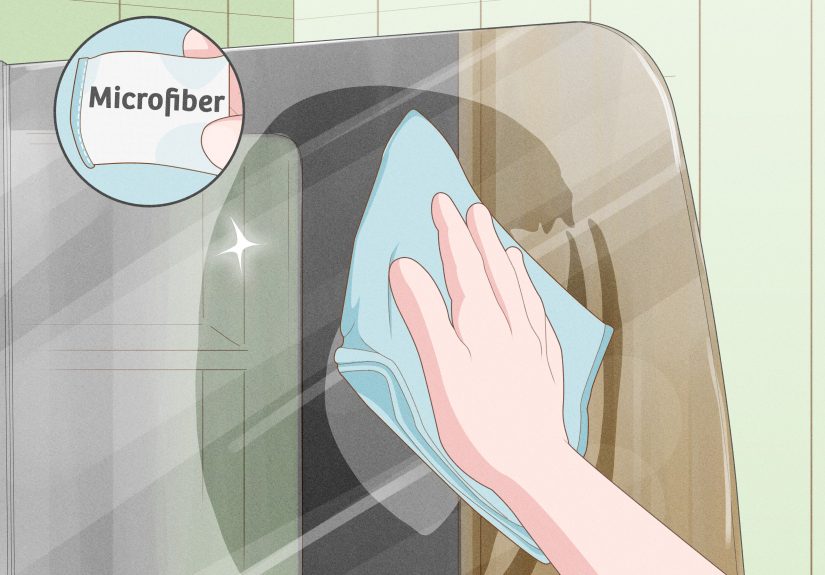
- Wipe the mirror with a dry microfiber cloth to remove dust.
- Lightly spray the solution onto your cloth or use a very light mist on the mirror.
- Wipe from top to bottom in a loose S-pattern.
- Use a second dry microfiber cloth to buff away any remaining moisture.
Why This Method Works
Vinegar is mildly acidic, which helps break down mineral haze, dried splash marks, and some residue from bathroom products. It is simple, cheap, and widely recommended for glass and mirror care. It is also one of the easiest ways to get a mirror bright again without using a heavily fragranced cleaner that smells like a chemical thunderstorm.
Best For
- General cloudiness
- Light hard-water spots
- Routine bathroom mirror cleaning
Watch Out For
Do not soak the mirror. Excess moisture can drip to the edges and create more work for you. The goal is damp, not drenched. Your mirror should feel pampered, not pressure-washed.
Method 2: Use Rubbing Alcohol for Sticky Residue and Beauty-Product Buildup
If your cloudy mirror also has spots from hairspray, toothpaste, face cream, or makeup fingerprints, rubbing alcohol is your friend. It evaporates quickly and helps cut through greasy residue that vinegar alone may not fully remove.
Option A: Spot-Treat the Trouble Areas
For mirrors with obvious splatters, put a small amount of rubbing alcohol on a cotton pad or corner of a microfiber cloth. Gently rub the sticky spots before doing a full wipe-down. This pre-treatment is especially helpful around the lower half of the mirror near the sink, where toothpaste and watermarks love to gather like they pay rent.
Option B: Make a Stronger DIY Cleaner
For a full-mirror cleaning solution, combine:
- 1 cup distilled water
- 1/4 cup rubbing alcohol
- 1/4 cup white vinegar
- 1 drop of dish soap
Shake gently and spray lightly onto a microfiber cloth. Wipe the mirror in straight or S-shaped passes, then buff dry with a second cloth.
Why This Method Works
Rubbing alcohol breaks down oily residue and dries fast, which helps reduce streaking. The vinegar helps with mineral film, while a tiny amount of dish soap helps loosen grime. The combination is especially effective when a mirror has both cloudy haze and sticky buildup, which is often the case in a busy bathroom shared by actual humans.
Best For
- Hairspray residue
- Toothpaste splatter
- Greasy fingerprints
- Cloudy mirrors in high-use bathrooms
Watch Out For
Use only a small amount of dish soap. More is not better here. Too much soap can leave residue and send you right back to Cloudy Mirror City. Also, never mix rubbing alcohol with bleach or bleach-based products.
Method 3: Use a Baking Soda Paste for Stubborn Hard-Water Spots
When a mirror has stubborn cloudy patches that laugh in the face of ordinary cleaner, you need a more targeted approach. A gentle baking soda paste can help loosen heavy mineral deposits without requiring a miracle or an exorcism.
How to Make the Paste
Mix baking soda with a small amount of water until it forms a spreadable paste. Think soft toothpaste, not pancake batter.
How to Use It
- Apply a small amount of paste to a soft cloth or sponge.
- Gently rub only the stubborn cloudy spots.
- Do not scrub aggressively.
- Wipe away the residue with a damp microfiber cloth.
- Follow with Method 1 or Method 2 to polish the whole mirror clean.
Why This Method Works
Baking soda is mildly abrasive, which can help lift persistent deposits that liquid cleaner alone may not dissolve quickly. It works best as a spot treatment, not an all-over routine cleaner. Think of it as the backup singer with a surprisingly strong solo.
Best For
- Stubborn mineral haze
- Localized hard-water spots
- Mirrors that still look cloudy after vinegar cleaning
Watch Out For
Be gentle. Mirrors are not the place for aggressive scrubbing pads or gritty powders used with wild enthusiasm. If a spot does not improve after careful treatment, the issue may be wear or damage rather than removable residue.
How to Tell Which Method Your Mirror Needs
Still not sure where to start? Use this quick cheat sheet:
- Light overall haze: Start with vinegar and distilled water.
- Sticky residue or product buildup: Use rubbing alcohol or the alcohol-vinegar mix.
- White, stubborn spots: Try baking soda paste on the problem areas, then finish with a full wipe-down.
In many cases, the best result comes from combining methods. For example, pre-treat hairspray with rubbing alcohol, then polish the entire mirror with vinegar solution. The trick is not to throw every product you own at the mirror like you are auditioning for a cleaning show.
Common Mistakes That Keep Mirrors Cloudy
Using the Wrong Cloth
Paper towels can leave lint, and fluffy rags can leave fuzz. Microfiber is usually the safest bet because it grabs residue instead of just pushing it around.
Using Too Much Cleaner
Overspraying often causes drips, streaks, and extra buffing. Use less than you think you need. Mirrors are surprisingly low-maintenance when you stop drowning them.
Cleaning in Random Circles
Circular wiping can spread residue and make it harder to see where you have already cleaned. A top-to-bottom or S-pattern approach is easier to control and usually gives better results.
Ignoring the Edges and Corners
This is where grime loves to hide. Use a folded cloth to get into corners, then dry them well so moisture does not linger.
How to Keep a Mirror from Getting Cloudy Again
Once your mirror is sparkling, the goal is to avoid doing a full rescue mission every weekend.
Wipe It Weekly
A quick once-over with a dry or lightly damp microfiber cloth can stop residue from building into a full haze.
Deal with Splatter Fast
If you notice toothpaste dots or hair product mist, wipe them off before they harden. Fresh messes are much easier to remove than old ones that have bonded emotionally with the glass.
Use Ventilation
Run the bathroom fan during and after showers. Less moisture in the room means less film, less spotting, and less general bathroom drama.
Keep a Squeegee or Cloth Nearby
If your mirror gets foggy often, a quick swipe after a shower can help reduce condensation-related haze and keep water spots from settling in.
When a Cloudy Mirror Is More Than Dirt
Sometimes a mirror still looks dull even after careful cleaning. If the haze seems to come from underneath the surface, or you notice dark edges, black spots, or patchy areas that never improve, the problem may not be removable residue. In that case, you may be dealing with an aging or damaged mirror rather than a dirty one. Cleaning can still help the surface, but it will not reverse structural wear.
Final Thoughts
If you want to clean a cloudy mirror effectively, the biggest secret is choosing the right method for the mess. A vinegar and distilled water spray handles everyday haze beautifully. Rubbing alcohol steps in when sticky buildup is the real villain. Baking soda paste helps with the stubborn mineral spots that refuse to leave quietly. Add a microfiber cloth, a little restraint with the spray bottle, and a quick buff at the end, and your mirror can go from foggy to flawless without much fuss.
And that is worth celebrating, because a clear mirror does more than improve your reflection. It makes the whole bathroom feel cleaner, brighter, and less like it has been through a humid identity crisis.
Experience Section: What This Looks Like in Real Life
In real homes, cloudy mirrors rarely show up in one neat category. They are usually the result of several small habits piling on top of each other. A family bathroom, for example, might have hard-water splash marks near the faucet, dried toothpaste freckles across the bottom third of the mirror, and a fine mist of hairspray over everything. That kind of cloudiness does not usually disappear with one lazy swipe and positive thinking. People often find that the first cleaning attempt makes the mirror look better in some spots and worse in others, which is frustrating until they realize the haze has more than one cause.
A common experience is using a generic glass cleaner and a paper towel, only to end up with streaks that look even more noticeable in daylight. The mirror seems cleaner at night, then the morning sun hits it and suddenly every swipe mark becomes a public performance. That is why so many homeowners eventually switch to microfiber cloths. The difference is usually immediate. Instead of pushing residue around, the cloth actually lifts it, and the mirror starts looking polished rather than merely damp.
Another very real scenario happens in bathrooms with hard water. You clean the mirror, step back, and still see pale spots that look ghostly and rude. That is the moment when many people realize ordinary cleaner is not enough. A vinegar solution often makes the first big difference, especially when distilled water is used instead of tap water. People are often surprised that the cloudiness was not “dirt” in the traditional sense at all. It was mineral film. Once that clicks, the cleaning process gets much easier because the solution finally matches the problem.
Then there is the sticky-residue situation, which is especially common around vanities. Mirrors near hair tools and beauty products can develop a dull, greasy film that never looks fully clean. In those cases, rubbing alcohol tends to feel like the turning point. Homeowners often describe the experience the same way: the cotton pad comes away dirty almost instantly, and the mirror finally begins to reflect light instead of muting it. It is not glamorous work, but it is deeply satisfying in the same way peeling protective film off a new appliance is satisfying.
One more practical lesson people learn over time is that prevention matters more than heroics. Once a mirror is fully restored, keeping a dry microfiber cloth nearby changes everything. A 20-second wipe after brushing teeth or after a steamy shower can prevent the return of heavy haze. That tiny habit saves a lot of future scrubbing and keeps the bathroom looking consistently fresh. In other words, the best mirror-cleaning experience is not the dramatic deep clean. It is the moment you realize you no longer need one every few days.