Table of Contents >> Show >> Hide
- Why hygiene matters (and why it’s not just about germs)
- Step 1: Wash your hands like you mean it
- Step 2: Shower/bathe strategically (not aggressively)
- Step 3: Handle sweat and body odor at the source
- Step 4: Build an oral hygiene routine that’s actually doable
- Step 5: Keep nails clean, short, and not full of surprises
- Step 6: Wash your hair based on your hair type (not your calendar)
- Step 7: Wash your face gently (your skin isn’t a dirty pan)
- Step 8: Upgrade your clothing and laundry hygiene
- Step 9: Practice smart bathroom hygiene
- Step 10: Menstrual and intimate hygiene: clean, comfortable, and calm
- Step 11: Keep food hygiene tight (your kitchen counts)
- Step 12: Clean and disinfect your home the smart way
- Step 13: Master respiratory etiquette and “sick-day hygiene”
- A simple weekly hygiene rhythm (so you don’t overthink it)
- Conclusion
- Experiences: What hygiene looks like in real life (the messy, human version)
Hygiene isn’t about being “perfectly clean” (nobody has time to steam-clean their existence). It’s about breaking the everyday chains that spread germs, odor, and irritationwithout turning your bathroom into a science lab.
The best part: hygienic habits are mostly small, repeatable moves. Think “tiny upgrades” you do on autopilot: clean hands, clean mouth, clean clothes, clean surfacesplus a few smart routines that keep you from doing everything the hard way.
Why hygiene matters (and why it’s not just about germs)
Good hygiene helps lower the risk of infections, reduces body odor, supports skin and oral health, and keeps shared spaces (home, office, gym) from becoming a microbial meet-and-greet. It also cuts down on friction in daily lifefewer “Where did that smell come from?” mysteries and fewer “Why is my skin mad at me?” moments.
Hygiene is also personal. Your ideal routine depends on your lifestyle, job, climate, skin type, hair type, and activity level. The goal isn’t to scrub yourself into a new personalityit’s to be consistently clean in the places and moments that matter most.
Step 1: Wash your hands like you mean it
Hand hygiene is the MVP because your hands touch everything: doorknobs, phones, shopping carts, pets, your face… and then, somehow, a sandwich.
Do the 20-second method
- Wet hands with clean running water, then apply soap.
- Lather wellbacks of hands, between fingers, and under nails.
- Scrub for at least 20 seconds (the “Happy Birthday” song twice is a classic timer).
- Rinse thoroughly and dry with a clean towel or air dryer.
Use sanitizer correctly (when soap and water aren’t available)
Hand sanitizer is handy, but it’s not magic. Use enough to cover all surfaces and rub until fully dry. Choose one with at least 60% alcohol. If your hands are visibly dirty or greasy, wash with soap and water as soon as you can.
Quick example: You pumped gas, grabbed snacks, and now you’re about to eat in the car. If you can’t wash, sanitize thoroughlythen wash properly once you reach a sink.
Step 2: Shower/bathe strategically (not aggressively)
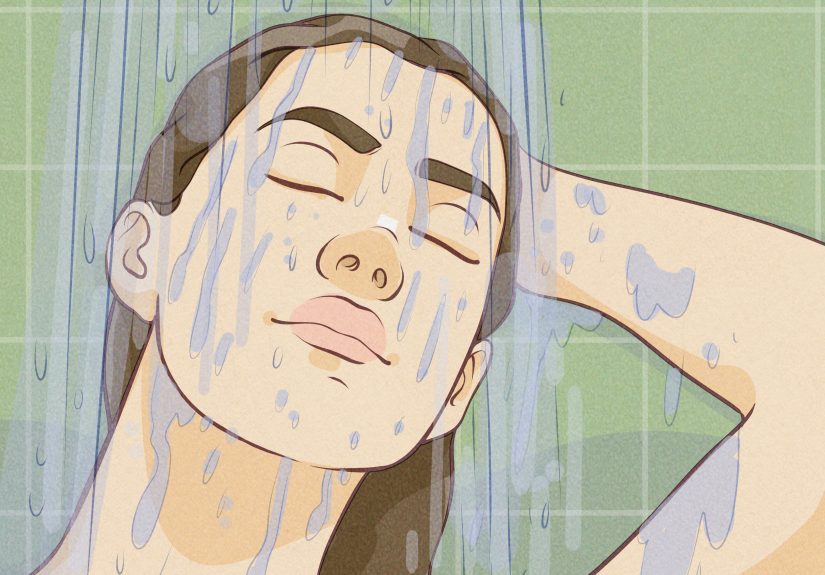
Bathing keeps sweat, oil, and bacteria from building upespecially in warm, high-friction areas (armpits, groin, feet). But “more scrubbing” doesn’t always equal “better skin.”
What “strategic” looks like
- Daily or near-daily may make sense if you work out, sweat a lot, or have a job that gets you dirty.
- Several times per week can be enough for many people, especially with short showers focused on key areas.
- Gentle soap + lukewarm water helps avoid dryness and irritation.
If your skin gets tight, itchy, or flaky, consider shorter showers, less-hot water, and moisturizing after. Hygiene shouldn’t feel like you’re power-washing a priceless painting.
Step 3: Handle sweat and body odor at the source
Odor usually happens when sweat meets skin bacteria. Your job is to reduce the bacteria buffet and keep sweat from soaking into fabric.
Practical moves
- Wash odor-prone areas (armpits, groin, feet) consistently.
- Wear breathable fabrics for daily life; use moisture-wicking gear for workouts.
- Change out of sweaty clothes promptlydon’t “marinate” in them.
- Use deodorant/antiperspirant if you want extra help (especially during heat or stress).
If odor is persistent despite good hygiene, it can be worth talking to a healthcare professional. Sometimes it’s related to sweating patterns, skin conditions, or product reactions.
Step 4: Build an oral hygiene routine that’s actually doable
Oral hygiene is hygienefull stop. Your mouth is a high-traffic neighborhood. Keeping it clean helps prevent cavities, gum disease, and bad breath.
The “minimum effective dose”
- Brush twice a day with fluoride toothpaste for two minutes.
- Clean between teeth daily (floss, interdental brushes, or water flosserspick your fighter).
- Go easy on frequent sugary snacks and drinks (oral bacteria love a sugar subscription).
- See a dentist regularly for prevention and early fixes.
Example: If flossing feels impossible at night, keep floss picks by the couch. “Perfect bathroom flossing” loses to “real flossing done consistently.”
Step 5: Keep nails clean, short, and not full of surprises
Under-nail gunk is a classic hiding spot for germs. Keeping nails trimmed and clean makes handwashing more effective and reduces the chance you’ll scratch your skin with a tiny, invisible shovel.
Simple nail hygiene
- Trim regularly so dirt doesn’t collect underneath.
- Wash hands thoroughly, including under nails.
- If you use nail tools, keep them clean and don’t share them.
If you notice redness, swelling, or pain around nails, treat it as a signalnot something to “power through.”
Step 6: Wash your hair based on your hair type (not your calendar)
Hair hygiene depends on scalp oil, texture, styling products, and activity. Some people shampoo daily; others do best washing less often. The goal is a healthy scalpnot squeaky hair that feels like straw.
Guiding idea
- If your scalp gets oily quickly, more frequent washing may help.
- If your hair is dry, curly, thick, or textured, washing less often can reduce dryness and breakage.
- Product buildup, flakes, or itching can mean you need a different schedule or products.
Example: If you work out daily, you might rinse after sweating and shampoo when your scalp feels oily or heavynot necessarily every single time you sweat.
Step 7: Wash your face gently (your skin isn’t a dirty pan)
Face washing is a hygiene habit that can backfire if it’s too harsh. Scrubbing can irritate skin and make some issues worse.
Derm-friendly face washing
- Use lukewarm water and a gentle, non-abrasive cleanser.
- Use fingertipsnot rough washcloths or aggressive exfoliation every day.
- Rinse well and pat dry (don’t sandpaper your face with a towel).
- Moisturize if you get dry or itchy.
Bonus: Over-washing can strip skin oils and trigger irritation. Hygienic skin is healthy skin, not “squeaky.”
Step 8: Upgrade your clothing and laundry hygiene
Clothes and linens can hold sweat, skin cells, body oils, and odors. Laundry hygiene is how you keep yesterday’s bacteria from RSVP’ing to today.
High-impact laundry habits
- Change underwear and socks daily (more often if sweaty).
- Wash workout clothes promptlydon’t leave them in a gym-bag swamp.
- Swap towels regularly; hang them to dry between uses.
- Wash bed sheets on a consistent schedule (more often if you sweat at night or have allergies).
Follow garment care labels, use enough detergent, and dry items thoroughly. Damp fabric is basically a spa retreat for mildew.
Step 9: Practice smart bathroom hygiene
Bathroom hygiene is less about fear and more about good technique. Do the basics consistently and you’ll avoid a lot of preventable problems.
Bathroom hygiene basics
- Wash hands after using the toiletevery time.
- Keep personal items personal (towels, razors, nail tools).
- Keep the toilet area and sink reasonably clean, especially in shared bathrooms.
For intimate areas: gentle external washing is usually enough. Avoid harsh products or “deodorant” sprays that can irritate sensitive tissue.
Step 10: Menstrual and intimate hygiene: clean, comfortable, and calm
Menstrual hygiene is primarily about changing products on time, keeping the area comfortable, and choosing products that don’t irritate.
Practical guidance
- Change pads or tampons regularlyat least every 4–8 hours (and more often with heavier flow).
- Choose breathable underwear; change if damp or sweaty.
- If you’re prone to irritation, keep products simple (fragrance can be a troublemaker).
If you notice unusual odor, itching, pain, or discharge, don’t self-diagnose via internet doom-scrollingcheck in with a qualified healthcare professional.
Step 11: Keep food hygiene tight (your kitchen counts)
Food hygiene protects you from foodborne illnessone of the least fun ways to spend a weekend. A reliable framework is: Clean, Separate, Cook, Chill.
Clean
Wash hands and kitchen surfaces often, especially after handling raw meat, poultry, or seafood.
Separate
Use separate cutting boards (or thoroughly wash between uses) to avoid cross-contamination.
Cook
Cook foods to safe temperatures; use a food thermometer instead of guessing by “vibes.”
Chill
Refrigerate promptly. Don’t let perishable foods hang out in the danger zone longer than needed.
Example: If you grill, keep one platter for raw meat and a different clean platter for cooked food. This tiny swap prevents a huge amount of risk.
Step 12: Clean and disinfect your home the smart way
Your home doesn’t need to smell like bleach to be hygienic. The key is focusing on high-touch surfaces and using disinfectants appropriately.
What to clean regularly
- Doorknobs, light switches, counters, faucet handles
- Phone screens and keyboards (your “pocket petri dish” collection)
- Bathroom surfaces, especially in shared spaces
When to disinfect
Disinfect when someone is sick, when you’re caring for a higher-risk person, or when germs are more likely to spread (like after visitors or during outbreaks).
Follow the label (seriously)
Disinfectants work when used correctly. Many require a specific contact timethe surface needs to stay visibly wet for a certain number of minutes. “Spray and instantly wipe” may smell productive, but it can be less effective.
Step 13: Master respiratory etiquette and “sick-day hygiene”
Respiratory hygiene is the polite, practical art of not sharing your germs like free samples at a mall kiosk.
Everyday respiratory hygiene
- Cover coughs and sneezes with a tissue or your elbow (not your hands).
- Throw tissues away promptly.
- Wash hands after blowing your nose, coughing, or sneezing.
When you’re sick (or someone at home is)
- Increase cleaning of high-touch surfaces.
- Don’t share cups, utensils, towels, or pillows.
- Prioritize ventilation when possible and keep distance if you can.
These habits protect you and the people around youwithout requiring you to live in a bubble.
A simple weekly hygiene rhythm (so you don’t overthink it)
If you want hygiene to feel easier, attach it to predictable moments:
- Daily: hands, teeth, clean underwear/socks, quick shower as needed
- Workout days: change clothes immediately; wash or air out gear
- Weekly: swap towels; reset high-touch surfaces; wash sheets on a routine
- As needed: disinfect during illness; adjust hair-wash schedule; moisturize when skin is dry
Hygiene works best when it’s boringbecause boring means consistent.
Conclusion
Being hygienic isn’t about obsessing. It’s about making a few smart habits non-negotiable: clean hands, clean mouth, clean clothes, and a cleaner home environmentplus targeted routines for sweat, skin, food, and sick days.
If you only improve two things today, make it handwashing and oral care. Those two pay rent in your health every single day. Then build outwardone step at a timeuntil “hygienic” is just your normal setting.
Experiences: What hygiene looks like in real life (the messy, human version)
Hygienic habits don’t happen in a vacuum. They happen in rush-hour mornings, cramped apartments, shared bathrooms, travel days, and that one week you swear you only survived on iced coffee and determination. Here are common, real-world experiences people run intoand how the 13 steps actually help when life is doing the most.
1) The “I work out… but I also have errands” problem
A lot of people feel clean right after a workoutuntil they sit in sweaty clothes on the drive home, stop at a store, and suddenly everything feels sticky and gross. The fix isn’t complicated: change out of workout gear as soon as you reasonably can (even a fresh shirt helps), and don’t let damp clothes live in a gym bag. That one habit reduces odor buildup, prevents fabric funk, and makes showers feel like a refresh instead of a rescue mission.
2) The “my phone is glued to my hand” reality
People wash their hands and then immediately grab a phone that’s been on restaurant tables, bathroom counters, and the passenger seat of a rideshare. It’s not a moral failingit’s modern life. The experience that changes behavior is usually a simple one: someone gets sick in the household, and suddenly you notice how often everyone touches the same objects. Wiping down high-touch items (phone, remote, doorknobs) during higher-risk moments is one of those “small effort, big payoff” hygiene moves. It doesn’t require perfectionjust timing.
3) Shared bathrooms: the social experiment nobody signed up for
Dorms, roommates, big familiesshared bathrooms are where hygiene meets diplomacy. People often learn that “personal items stay personal” is the difference between peaceful coexistence and low-grade chaos. A dedicated towel, a labeled toothbrush, and not borrowing razors are the quiet heroes here. Another common experience: when one person gets sick, everyone starts disinfecting like it’s an Olympic sport. A smarter approach is targeted cleaning of high-touch surfaces and consistent handwashingnot frantic bleaching of every wall surface at midnight.
4) The “I’m clean, so why do I still smell?” frustration
Many people discover that odor is not just about how often you shower. It can be about fabric, sweat trapped in shoes, or clothes that never fully dried. Switching to breathable daily fabrics, changing socks, letting shoes air out, and laundering odor-prone items correctly often makes a bigger difference than adding an extra shower. People also learn (sometimes the hard way) that harsh soaps can irritate skin and make them feel “less clean,” even if they’re scrubbing more. Gentle washing plus clean clothes tends to win.
5) Travel days: hygiene on hard mode
Airports and long drives are basically a masterclass in “touching shared surfaces.” People who travel often develop a simple hygiene toolkit: sanitizer for when sinks aren’t nearby, tissues for cough/sneeze etiquette, and a habit of washing hands before eating. The experience that sticks is usually getting sick after a trip and realizing you touched 47 surfaces before that bag of pretzels. The goal isn’t paranoiait’s a few well-timed habits that reduce risk.
6) The “I’m too busy for a routine” phase
One of the most relatable experiences is trying to overhaul everything at once and then burning out. Hygiene improves fastest when people pick one anchor habit (like brushing twice daily or washing hands properly) and let that success build momentum. A workable routine often looks surprisingly simple: keep floss where you’ll actually use it, hang towels to dry, swap sheets on the same day each week, and clean high-touch surfaces during busy seasons or illness. Hygienic people aren’t doing morethey’re doing fewer things more consistently.
In other words: hygiene isn’t a personality trait. It’s a set of small decisions that become automatic. Start with the highest-impact steps, adapt them to your life, and let “clean enough, consistently” be the standard.