Table of Contents >> Show >> Hide
Hepatorenal syndrome (HRS) sounds like something out of a medical thriller, but for people with advanced liver disease, it’s a very real and very serious complication. It’s a form of kidney failure that happens not because the kidneys are “broken” structurally, but because liver disease has thrown the body’s circulation and hormones into chaos. The result: kidneys that suddenly stop working even though they look normal under the microscope.
This condition usually appears in people with cirrhosis, severe alcoholic hepatitis, or acute liver failure. It tends to move fast, over days to weeks, and without proper treatment it carries a high short-term mortality. The good news is that early diagnosis, prompt treatment, and, when possible, liver transplantation can improve outcomes and even reverse the kidney injury in some cases.
In this in-depth guide, we’ll walk through what hepatorenal syndrome is, why it happens, how doctors diagnose it, and which treatments are available today. We’ll also look at real-world experiences and practical tips for patients and caregivers facing this tough diagnosis. As always, this information is for education only and is not a substitute for medical advice. If you suspect HRS or any medical emergency, seek care immediately.
What is hepatorenal syndrome?
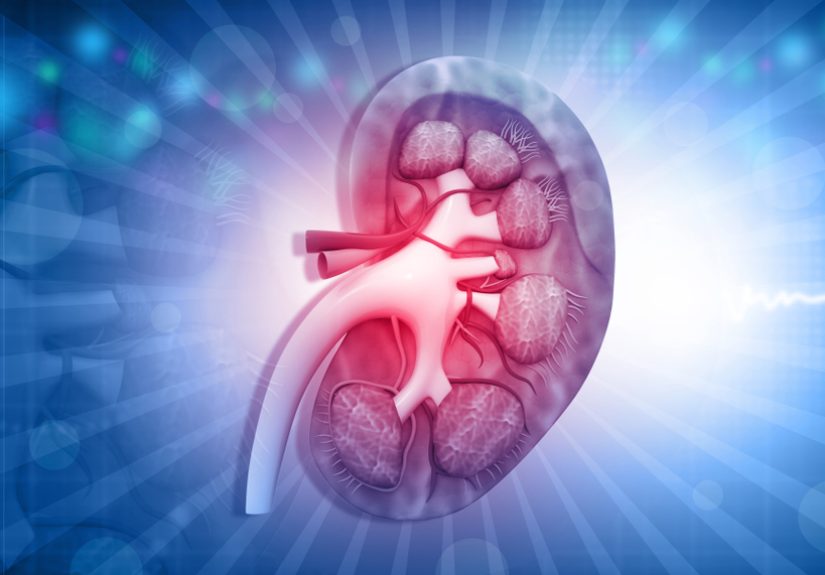
Hepatorenal syndrome is a type of kidney failure that develops in people with advanced liver disease, especially cirrhosis with fluid buildup in the abdomen (ascites). It’s considered a “functional” kidney problem: the kidneys themselves are structurally normal, but blood flow to them is so reduced that they can’t filter waste properly.
Modern guidelines now describe two main forms:
- HRS-AKI (Hepatorenal syndrome–acute kidney injury): a rapid decline in kidney function over days to weeks, usually in hospitalized patients with cirrhosis and ascites.
- HRS-CKD (Hepatorenal syndrome–chronic kidney disease): a slower, more persistent decline in kidney function in people with advanced liver disease.
In everyday clinical practice, when people say “hepatorenal syndrome,” they usually mean HRS-AKI: a sudden rise in serum creatinine (a marker of kidney function) in someone with cirrhosis, without another clear structural cause for kidney damage.
Causes and risk factors of hepatorenal syndrome
Hepatorenal syndrome doesn’t just appear out of nowhere. It develops on the background of significant liver disease and a series of changes in blood circulation and hormones. Think of it as a domino effect: chronic injury to the liver leads to scarring (cirrhosis), which leads to abnormal blood flow, which eventually starves the kidneys of blood.
How liver disease affects the kidneys
In advanced cirrhosis, the blood vessels in the gut (the splanchnic circulation) become abnormally dilated due to portal hypertension and increased production of vasodilators such as nitric oxide. This causes the body’s effective blood volume to “pool” in the abdomen and intestines instead of circulating efficiently.
The body interprets this as a relative low-volume state and kicks in several compensatory systems, including:
- The renin–angiotensin–aldosterone system (RAAS)
- The sympathetic nervous system (“fight-or-flight” hormones)
- Increased production of vasoconstrictors that tighten blood vessels, especially in the kidneys
Over time, this intense renal vasoconstriction reduces blood flow to the kidneys, lowering the glomerular filtration rate (GFR). The kidneys respond by holding onto salt and water, which worsens ascites and edema. Eventually, kidney function can decline so much that creatinine rises sharply and urine output drops – the hallmarks of HRS-AKI.
Common triggers and risk factors
Most people who develop hepatorenal syndrome already have decompensated cirrhosis and ascites. On top of that baseline vulnerability, certain triggers can push them over the edge:
- Infections, especially spontaneous bacterial peritonitis (SBP)
- Gastrointestinal bleeding, such as bleeding esophageal varices
- Overuse of diuretics leading to dehydration and low blood pressure
- Large-volume paracentesis (removal of ascitic fluid) without adequate albumin replacement
- Nephrotoxic drugs like NSAIDs, some antibiotics, or contrast dyes
- Severe alcoholic hepatitis or acute-on-chronic liver failure
Underlying causes of cirrhosis – chronic hepatitis B or C, alcohol-related liver disease, nonalcoholic steatohepatitis (NASH), autoimmune hepatitis, and others – indirectly raise the risk by damaging the liver over time.
Symptoms and warning signs
One of the tricky things about hepatorenal syndrome is that its symptoms are often layered on top of those of liver failure. People usually don’t feel a sharp pain in the kidneys the way they might with a kidney stone. Instead, HRS shows up as a worsening of existing problems.
Possible signs and symptoms include:
- Very low urine output or darker, more concentrated urine
- Rising creatinine and blood urea nitrogen (BUN) on blood tests
- Increasing swelling in the legs, ankles, or abdomen
- Worsening fatigue, weakness, or shortness of breath
- Confusion, sleep-wake reversal, or other signs of hepatic encephalopathy
- Low blood pressure, dizziness, or feeling faint
These symptoms are nonspecific, which is why lab tests and imaging are critical. For patients with cirrhosis, any sudden change in urine output or kidney labs is a red flag that requires urgent medical attention.
How hepatorenal syndrome is diagnosed
There is no single “HRS blood test.” Instead, doctors diagnose hepatorenal syndrome by combining clinical criteria, lab results, and exclusion of other causes of kidney injury. The overarching idea is: kidney function is failing in a person with advanced liver disease, and no other explanation (like dehydration, sepsis-related shock, or intrinsic kidney disease) fits better.
Ruling out other causes of acute kidney injury
Before labeling kidney failure as hepatorenal syndrome, clinicians work through a differential diagnosis. They look for:
- Pre-renal causes like simple dehydration or blood loss
- Intrinsic kidney disease such as acute tubular necrosis (ATN), glomerulonephritis, or interstitial nephritis
- Post-renal causes like urinary tract obstruction (e.g., stones, enlarged prostate)
Typical tools include:
- Blood tests (creatinine, BUN, electrolytes)
- Urinalysis (looking for protein, blood, casts)
- Renal ultrasound (to check kidney size and rule out obstruction)
- Review of medications for nephrotoxins (like NSAIDs or certain contrast dyes)
- Assessment for sepsis, shock, or cardiac failure
Often, doctors will give IV albumin and stop diuretics for 24–48 hours to see whether kidney function improves. If creatinine remains high despite this “volume challenge,” HRS becomes more likely.
Modern diagnostic criteria for HRS-AKI
According to major liver societies, typical criteria for hepatorenal syndrome–acute kidney injury include:
- Cirrhosis with ascites
- Acute kidney injury defined by a significant rise in serum creatinine (for example, an increase ≥0.3 mg/dL within 48 hours or ≥50% from baseline)
- No shock and no sustained low blood pressure from other causes
- No recent or current use of nephrotoxic drugs
- No evidence of structural kidney disease (no significant protein or blood in the urine, normal kidney ultrasound)
- No meaningful improvement in kidney function after stopping diuretics and giving IV albumin
Doctors may also use kidney biomarkers and more advanced testing in complex cases, especially when trying to distinguish HRS-AKI from acute tubular necrosis in very sick patients.
Treatment options for hepatorenal syndrome
Treating hepatorenal syndrome has two main goals: (1) stabilize kidney function and improve blood flow in the short term, and (2) address the underlying liver disease, ideally with liver transplantation. Most treatments are given in the hospital, often in an intensive care or step-down unit.
Step one: Stabilize and remove triggers
Before starting specific medications, clinicians tackle reversible factors:
- Stopping diuretics and nephrotoxic drugs
- Giving IV albumin to support blood volume and improve circulation
- Rapidly treating infections with appropriate antibiotics
- Controlling active bleeding (for example, from varices)
- Supporting blood pressure with IV fluids and, when needed, vasopressor medications
Sometimes, kidney function improves once these steps are taken. If it doesn’t, and the diagnostic criteria are met, clinicians move to HRS-specific therapy.
Vasoconstrictor therapy: tightening the right vessels
The main medical treatment for HRS-AKI is a combination of vasoconstrictor drugs plus IV albumin. The goal is to counteract the excessive vasodilation in the splanchnic circulation, drive more blood back into the central circulation, and restore blood flow to the kidneys.
Key options include:
- Terlipressin + albumin: A vasopressin analog given IV, now FDA-approved in the United States for HRS-AKI. It’s considered first-line therapy in many guidelines. It can improve kidney function and sometimes avoid the need for dialysis, though it can cause side effects such as breathing problems, ischemia, or cardiac issues in high-risk patients.
- Norepinephrine + albumin: A potent IV vasoconstrictor often used in the ICU. It requires continuous monitoring but can be as effective as terlipressin in some settings.
- Midodrine + octreotide + albumin: An oral plus injectable combination sometimes used when IV vasopressors or terlipressin are unavailable. It’s less potent but may offer benefit in selected patients.
Treatment typically continues for several days while clinicians monitor creatinine, urine output, blood pressure, and oxygenation. Response is a good sign and often leads to better transplant eligibility.
Dialysis and bridging options
When kidney function continues to deteriorate despite medical therapy, or when complications such as severe hyperkalemia or volume overload arise, renal replacement therapy (dialysis) may be needed. In hepatorenal syndrome, dialysis is usually considered a bridge:
- Bridge to liver transplantation in patients who are transplant candidates
- Bridge to recovery in people with potentially reversible liver injury, such as severe alcoholic hepatitis that might improve with treatment and abstinence
In some specialized centers, a TIPS procedure (transjugular intrahepatic portosystemic shunt) is considered. TIPS can reduce portal hypertension and sometimes improve kidney perfusion, but it can also worsen encephalopathy and isn’t appropriate for every patient.
Liver transplant: the definitive treatment
Ultimately, the only true “cure” for hepatorenal syndrome is successful liver transplantation. By replacing the failing liver, the abnormal circulatory and hormonal signals driving HRS often reverse, allowing kidney function to recover, especially when the kidneys haven’t been structurally damaged for a long time.
Some patients require a combined liver–kidney transplant, particularly if they have long-standing chronic kidney disease, diabetes, or prolonged dialysis dependence with little hope of renal recovery. Transplant teams use specific criteria to decide whether a simultaneous liver–kidney transplant is appropriate.
Prognosis and prevention
Without treatment, hepatorenal syndrome has a very poor prognosis, with high mortality over just a few weeks to months. The outlook improves with early recognition, aggressive management, and access to transplant evaluation, but it still signals severe liver disease and a high risk of complications.
The best “treatment” is prevention – ideally, preventing cirrhosis in the first place, and if cirrhosis is already present, preventing the progression to HRS. Helpful strategies include:
- Managing underlying liver conditions (antivirals for hepatitis B or C when indicated, alcohol cessation programs, weight loss and metabolic control for NASH)
- Avoiding NSAIDs and other nephrotoxic drugs in people with cirrhosis
- Staying well hydrated and following a sodium-restricted diet when recommended
- Early treatment of infections, especially spontaneous bacterial peritonitis
- Using albumin during large-volume paracentesis to protect kidney perfusion
- Regular monitoring of kidney function and electrolytes in people with decompensated cirrhosis
If you or a loved one has cirrhosis with ascites, talk with your hepatology team about your personal risk of HRS and what can be done to reduce it.
Questions to ask your doctor
Hepatorenal syndrome is complex, and appointments can feel overwhelming. Having a list of questions ready can help you get the information you need:
- Based on my liver disease, how high is my risk of hepatorenal syndrome?
- Are my recent kidney lab results stable, or are there early signs of HRS?
- What symptoms should prompt me to go straight to the emergency room?
- Are there medications I should avoid because they can harm my kidneys?
- If HRS develops, would I be a candidate for terlipressin or other vasoconstrictor therapy?
- Should I be evaluated now for liver transplantation, before complications get worse?
- What lifestyle changes can support both my liver and kidney health?
Bringing a family member or friend to visits can help you remember the answers and advocate for your needs.
Real-world experiences and practical insights
While the textbooks focus on lab values, diagnostic criteria, and medication protocols, people living with cirrhosis and hepatorenal syndrome experience this condition in a much more personal way. Their stories often follow a similar pattern: months or years of managing liver disease, then a sudden shift – swelling worsens, appetite drops, confusion sets in, and blood tests show the kidneys are no longer keeping up.
Many patients and caregivers describe the first episode of HRS-AKI as a “wake-up call.” They may have heard that cirrhosis is serious, but once the kidneys get involved, everything feels more fragile and urgent. Hospitalizations become longer and more frequent. Routine labs turn into daily draws. The phrase “transplant evaluation” starts appearing in conversations that used to be about diet and diuretics.
In these moments, clear communication makes a big difference. Patients often say it helps when doctors explain, in plain language, that hepatorenal syndrome doesn’t mean the kidneys are permanently ruined – at least not yet. Instead, the kidneys are responding to a storm created by the failing liver and the altered circulation. Understanding that some of the kidney damage may be reversible with the right therapy gives people something concrete to hope for, even while acknowledging how serious the situation is.
Caregivers also play a huge role. They’re often the ones who notice that urine output has dropped, that confusion is worsening, or that a loved one is more short of breath than usual. They may keep a notebook of daily weights, fluid intake, medications, and lab results. That kind of “home data” can help the medical team see trends early and intervene before HRS spirals out of control.
On the practical side, many people with cirrhosis and a history of HRS learn to:
- Track warning signs such as reduced urine, severe fatigue, or increasing abdominal distention
- Keep an updated medication list and know which drugs are unsafe for their liver or kidneys
- Arrange transportation and support for frequent appointments or unexpected hospital visits
- Discuss goals of care and transplant options early, rather than during a crisis
Emotional coping is just as important. Anxiety and depression are common when dealing with advanced liver disease and the constant threat of complications. Some people find support groups helpful – whether in person, through liver foundation programs, or in moderated online communities. Others lean on counseling, faith communities, or close friends. Having a place to process fear and frustration can make it easier to stay engaged with the demanding medical regimen that HRS often requires.
For those who move on to transplant, the journey doesn’t end when the new liver goes in. Recovery can be long, and kidney function may take time to improve, especially if dialysis was needed before surgery. But many transplant recipients describe an almost surreal shift in their day-to-day lives: less swelling, more energy, clearer thinking, and lab numbers that finally move in the right direction. For them, surviving hepatorenal syndrome is both a medical miracle and a powerful reminder to protect their new liver and kidneys as best they can.
If you’re facing hepatorenal syndrome as a patient or caregiver, remember that you’re not alone. Ask questions, seek second opinions when needed, and connect with others walking a similar path. Treatments are improving, transplant outcomes are better than ever, and a thoughtful, proactive approach can make a meaningful difference in how the story unfolds.