Table of Contents >> Show >> Hide
As children grow, many parents are familiar with the occasional complaints of discomfort from their little ones. One of the most common sources of these aches is “growing pains.” Despite the name, growing pains aren’t necessarily linked to growth itself but are often the result of a combination of factors. Understanding the causes, symptoms, and ways to manage these pains can help parents provide relief and reassurance when their children are experiencing discomfort.
What Are Growing Pains?
Growing pains are often described as aching or throbbing pain, commonly in the legs, particularly in the thighs, calves, or behind the knees. They usually occur in children between the ages of 3 and 12. Interestingly, while these pains are often associated with growth, there is no scientific evidence that links the physical growth process directly to the pain. Instead, growing pains are more likely to be related to activity levels, muscle fatigue, or even genetic factors.
Causes of Growing Pains
The exact cause of growing pains remains unclear, but several factors may contribute to these discomforts:
1. Increased Physical Activity
As children engage in more physical activity, such as running, jumping, and playing, their muscles and joints can experience strain, which leads to aching. This strain may feel more pronounced at night after a busy day. The muscles, having been overworked or fatigued, can send pain signals to the brain, resulting in the typical growing pain symptoms.
2. Muscle Fatigue
Growing pains are often exacerbated by muscle fatigue. When children play hard during the day, their muscles may become sore due to repetitive movements or overstretching. The pain may not be directly caused by the bones growing but by the muscles and tendons that are being stretched and worked more intensively.
3. Genetic Factors
Research indicates that genetics may play a role in growing pains. Children with a family history of similar symptoms may be more likely to experience growing pains themselves. If a parent or sibling had growing pains during their childhood, there is an increased likelihood that the child will also complain of leg pain.
4. Psychological Factors
Although growing pains are primarily physical, psychological factors may also contribute to their occurrence. Stress, anxiety, or even changes in routine (such as starting school) can sometimes manifest in physical symptoms like pain. It’s essential to consider a child’s emotional well-being when addressing their physical complaints.
Symptoms of Growing Pains
Recognizing the symptoms of growing pains is crucial for effective management. While growing pains can vary from one child to another, the typical symptoms include:
1. Location of Pain
Growing pains are typically experienced in the legs, especially in the thighs, calves, or behind the knees. Unlike other types of pain that may be localized to a specific spot, growing pains are usually felt in both legs and may occur in different areas on different nights.
2. Timing of Pain
The pain usually occurs in the late afternoon or evening, often after a physically active day. It can also appear at night, waking children from their sleep. Growing pains tend to be more pronounced during periods of physical exertion.
3. Pain Intensity
While the pain is typically described as aching or throbbing, it can range from mild to severe. Children might complain that their legs hurt, but they can still move and walk. It’s important to note that growing pains are not associated with swelling, redness, or bruising, which are more common signs of injury or infection.
4. No Long-Term Effects
Growing pains do not cause lasting damage or interfere with a child’s growth. They typically subside by morning and don’t leave any long-term effects. However, the discomfort can still be distressing for both the child and the parent.
Pain Management for Growing Pains
Although growing pains generally don’t require medical intervention, there are several ways to help alleviate the discomfort and provide relief to your child.
1. Gentle Massage
A gentle massage of the affected area can provide immediate relief. Gently rubbing the legs or applying light pressure can help relax the muscles and reduce pain. Use a soothing lotion or oil to make the process more comforting.
2. Warm Compresses
Applying a warm compress to the affected muscles can help soothe the pain. The heat helps to increase blood flow to the area, relaxing tight muscles and relieving discomfort. A warm bath before bedtime may also provide relief and help the child relax before going to sleep.
3. Stretching Exercises
Encourage your child to engage in light stretching exercises, especially before bed. Stretching can help loosen tight muscles and reduce the intensity of pain caused by muscle fatigue. Simple leg stretches or walking on tiptoes may help alleviate the discomfort.
4. Pain Relief Medications
If the pain becomes more intense, over-the-counter pain relievers, such as ibuprofen or acetaminophen, can help reduce the discomfort. Be sure to follow the dosage instructions carefully and consult a pediatrician if you have concerns about medication use for your child.
5. Encourage Rest
Rest is essential for recovery. Encourage your child to take breaks throughout the day and ensure they get enough sleep at night. Overexertion can make growing pains worse, so moderation is key. Ensure your child engages in physical activity but also allows time for rest.
When to See a Doctor
In most cases, growing pains are benign and don’t require medical intervention. However, if your child experiences persistent pain that doesn’t subside after a few days, if the pain is accompanied by swelling, redness, or a limp, or if your child has difficulty moving their legs, it’s important to seek medical advice. A doctor will rule out other potential causes of leg pain, such as infections, injuries, or underlying medical conditions like juvenile arthritis or vitamin deficiencies.
Experiences with Growing Pains: Stories from Parents
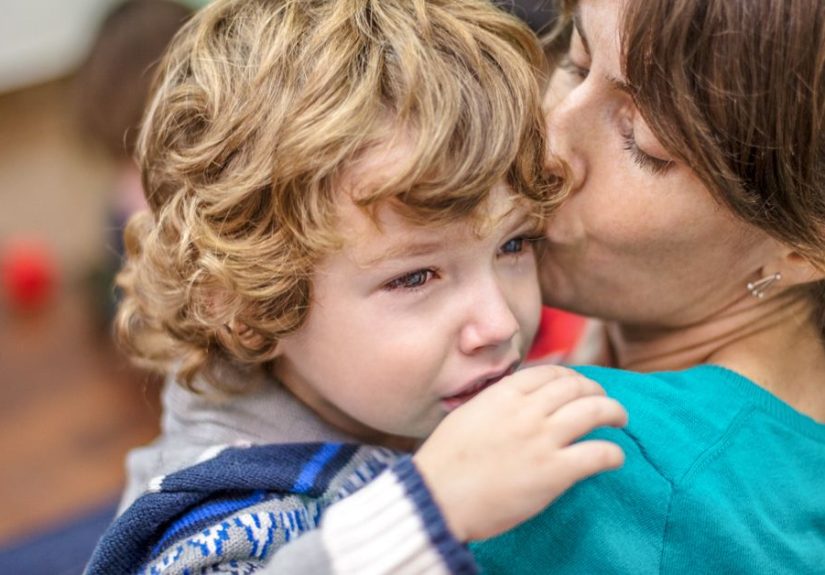
As a parent, it’s not uncommon to feel helpless when your child complains of growing pains. The frustration of hearing your child cry in discomfort and not knowing exactly how to help can be overwhelming. Many parents have shared their experiences with managing growing pains, offering valuable insight into what has worked for them.
One parent, Karen, recalled how her son often experienced growing pains after long days spent running around with his friends. She found that massaging his legs and applying a warm towel helped soothe the pain and allowed him to relax. “It’s hard to watch him hurt, but when I give him a warm bath and rub his legs, he seems to fall asleep faster,” she said. Karen also emphasized the importance of keeping the atmosphere calm and assuring her son that the pain would pass, which helped alleviate his anxiety and make him feel more comfortable.
Another parent, David, mentioned using a heating pad for his daughter’s legs when she experienced intense pain at night. “She would wake up in tears, and I would bring her the heating pad,” David explained. “It gave her almost immediate relief, and she was able to get back to sleep.” David also found that keeping his daughter’s legs elevated while she rested helped reduce the intensity of the pain.
While each child’s experience with growing pains is unique, many parents find comfort in knowing that this is a common issue and that there are ways to manage it. Most importantly, knowing that the pain is temporary and will pass with time can offer some peace of mind to both parents and children.
Conclusion
Growing pains are a common and generally harmless part of childhood. While the exact cause is still not fully understood, they are typically related to physical activity and muscle fatigue rather than the growth process itself. With simple pain management strategies like massages, warm compresses, and stretching, most children can find relief from their discomfort. However, it’s important for parents to monitor the symptoms and consult a doctor if the pain persists or worsens. Understanding growing pains and how to manage them can make a challenging experience a little easier for both children and their parents.
meta_title: Growing Pains in Children: Causes & Management | A Parent’s Guide
meta_description: Discover the causes, symptoms, and effective ways to manage growing pains in children. A comprehensive guide to help parents ease their child’s discomfort.
sapo: Growing pains are a common childhood complaint. Learn about their causes, symptoms, and effective pain management strategies. Help your child find relief and comfort today!
keywords: growing pains, child leg pain, managing growing pains, causes of growing pains, symptoms of growing pains, pain relief for children, children’s aches