Table of Contents >> Show >> Hide
- Start With a Curb Appeal Game Plan (So You Don’t Randomly Buy Six Planters)
- The Highest-Impact Curb Appeal Upgrades (Ranked by “Wow per Dollar”)
- Landscaping That Actually Looks Good (Even If You’re Not a Plant Whisperer)
- Fix the “Path of Travel” (The Secret to Making the Front Feel Expensive)
- Exterior Color and Materials: When to Paint, When to Touch Up, When to Walk Away
- Small Details That Quietly Scream “This Home Is Loved”
- What Pays Off Most If You’re Selling (And What’s Just for Enjoyment)
- Mistakes That Kill Curb Appeal (Even If You Did Everything Else Right)
- Conclusion: A Better-Looking Home Starts With a Better-Looking “Hello”
- Experiences and Lessons People Learn While Boosting Curb Appeal (The Extra )
Curb appeal is your home’s handshake. It’s the first impression for guests, neighbors, delivery drivers, andif you’re sellingbuyers who decide in seconds whether they’re excited… or already mentally calculating “how much work this place needs.” The good news: you don’t need a bulldozer budget to make your exterior feel polished, welcoming, and “yes, someone definitely has their life together here.”
This guide breaks curb appeal into smart, bite-size moves: quick wins you can knock out in a weekend, medium projects that look like a glow-up, and high-impact upgrades that can actually pay you back. (We love a project that looks pretty and makes financial sense.)
Start With a Curb Appeal Game Plan (So You Don’t Randomly Buy Six Planters)
Before you shop, paint, or plant, do one simple thing: stand across the street and take a photo of your home. Then ask, “Where does my eye go first?” You want the answer to be: the entry, a clean walkway, nice landscaping lines, and lighting that says “welcome,” not “interrogation.”
The 5-second checklist
- Entry focal point: Is the front door inviting, clean, and intentional?
- Lines and edges: Are the lawn borders crisp, beds defined, and walkway visible?
- Hardware: Do house numbers, mailbox, and light fixtures look current and coordinated?
- Surfaces: Are siding, steps, driveway, and porch free of grime and stains?
- Night view: Can someone find your house number after dark without using a spotlight?
Once you know what’s “loud” (peeling paint, overgrown shrubs) and what’s “missing” (contrast, color, lighting), you can spend money where it actually shows.
The Highest-Impact Curb Appeal Upgrades (Ranked by “Wow per Dollar”)
1) Upgrade the front door (paint + hardware = instant personality)
If your home is a movie, the front door is the opening scene. A fresh coat of paint is one of the fastest ways to create a focal point. Deep, moody colors are popular because they feel intentional and upscale. If your home has brick, a classic black door can look timeless; stone facades often pair beautifully with wood tones or deep greens; neutral siding can handle bolder contrast colors.
Pro move: Treat the door, trim, and hardware as one design set. If the lockset is outdated or mismatched, a new handleset can make the whole entry look “custom,” even if your porch is the size of a yoga mat.
Example palette idea: White siding + matte black door + warm brass hardware + two tall planters with green foliage. That’s the curb appeal version of wearing a well-fitted blazer.
2) Make house numbers and mailbox look deliberate (not accidental)
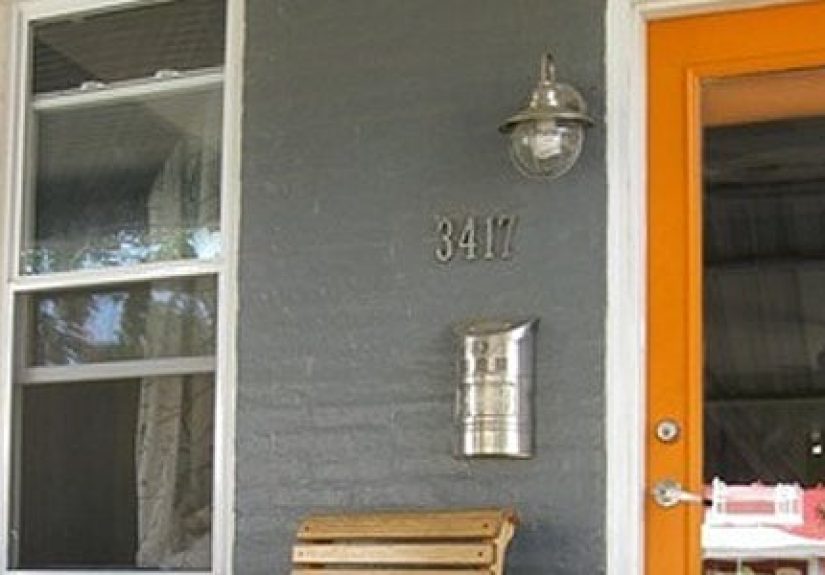
House numbers are tiny… until they’re crooked, faded, or hidden behind a shrub that’s auditioning to be a hedge maze. Go larger, higher-contrast, and easier to read from the street. A modern address plaque (especially when lit) can look like “jewelry” for the front entry.
Easy win: Match finishes. If your porch light is black, pick black numbers. If you switch to brushed nickel, keep that theme across the lockset, numbers, and mailbox. Cohesion reads as “updated,” even if nothing else changed.
3) Pressure wash what you already own (the most satisfying glow-up)
This is the “I can’t believe it was that dirty” category. Pressure washing can revive siding, walkways, steps, fences, and drivewaysoften in a single afternoon. It also makes paint and stain jobs look better, because clean surfaces don’t trap dirt under your new finish.
Safety/quality note: Pressure washing isn’t “blast it and vibe.” Use appropriate pressure for the material, and avoid surfaces that can be damaged. In many cases, painted wood, stucco, and aluminum need lower pressure. Some fiber cement manufacturers may not recommend pressure washing. If you’re unsure, go gentler or hire a pro for tall homes or delicate siding.
4) Add lighting layers (so your home looks great at 8 p.m., not just 2 p.m.)
Outdoor lighting is curb appeal that works overtime: it adds ambiance, highlights landscaping, and improves safety. The trick is to layer lightmixing general lighting, pathway/safety lighting, and accent lighting.
Simple lighting recipe:
- Entry light: A porch sconce or overhead fixture that suits your architecture.
- Path lights: Low lights that guide guests (and save ankles).
- Accent lights: Uplighting on a tree, textured wall, or focal shrub for drama.
Design detail that feels expensive: Use warm lighting for cozy gathering vibes, and keep the harsh “cool daylight” bulbs for utility areas only. Smart lighting can help you schedule and control brightness without becoming a full-time “light switch manager.”
Landscaping That Actually Looks Good (Even If You’re Not a Plant Whisperer)
Landscaping is the curb appeal multiplier: it makes a modest house look cared for and a beautiful house look unforgettable. If you’re selling, tidy landscaping can even influence sale outcomesbuyers notice.
The “clean and structured” method (works in almost every U.S. region)
- Define edges: Crisp borders between lawn and beds look instantly professional.
- Refresh mulch: A clean mulch layer makes everything look maintained (and hides tired soil).
- Trim + shape: Prune shrubs so windows and architectural details aren’t swallowed.
- Add repeat plants: Repeating the same plant type creates calm, designer-style rhythm.
Low-maintenance plant picks that photograph well
If you want big impact without constant fussing, mix structure plants (evergreens) with seasonal color. Popular curb-appeal choices often include flowering shrubs like hydrangeas for bold blooms, hardy perennials like daylilies for reliable color, and fragrant options like lavender for that “ooh what smells nice?” moment near the entry. Ornamental grasses add texture and movement, and boxwoods create clean lines (best when you have time for them to establish).
Example layout: Two evergreen shrubs to “frame” the porch steps, a sweep of daylilies along the walkway, and a couple of seasonal pots near the door. Simple, tidy, and photogenic.
Window boxes and planters: the cheat code for charm
Window boxes and tall planters deliver color without committing to a full landscape redesign. They also let you swap seasonal plantsspring blooms, summer color, fall mums, winter greenerywhile keeping the structure consistent year-round.
Keep it classy: Use fewer, larger containers instead of many tiny ones. Two matching planters usually look more “intentional” than five different pots competing for attention like a reality show reunion episode.
Fix the “Path of Travel” (The Secret to Making the Front Feel Expensive)
When people approach your home, they follow a path: street → driveway/walkway → steps → porch → door. If any part of that path looks neglected, the brain assumes the inside might be neglected too (even if your living room is basically a magazine spread).
Walkways and steps
- Repair hazards: Uneven pavers or cracked steps are both a safety issue and a red flag.
- Clean surfaces: Power washing can brighten concrete and stone dramatically.
- Add subtle contrast: A dark doormat against light concrete helps visually “anchor” the entry.
Driveway and garage zone
If your garage door faces the street, it can dominate your front elevation. That’s why upgrading it can be a high-impact movevisually and financially. If replacement isn’t in the budget, clean it, paint trim, and add modern exterior lights for a strong improvement without a major overhaul.
Exterior Color and Materials: When to Paint, When to Touch Up, When to Walk Away
A full exterior paint job can be pricey, but small paint projects can still deliver a big lift.
Paint what’s “most visible first”
- Front door: The focal point.
- Trim: Crisp trim makes the whole exterior look sharper.
- Shutters/railings: If they’re faded, they’ll age the entire home.
Color strategy that sells: Keep the body color relatively neutral and let the door be the personality. That way, the home feels broadly appealing, but still memorable.
Small Details That Quietly Scream “This Home Is Loved”
These are the finishing touches that make your curb appeal feel complete:
- Replace dated exterior light fixtures with a style that fits your home (modern, craftsman, traditional).
- Update door hardware so it looks solid and secure, not scratched and tired.
- Swap the welcome mat (yes, it matters more than you think).
- Add one seasonal element (wreath, porch pot, or simple garland) without cluttering the entry.
- Make the house number visible at night using lighting or contrast.
What Pays Off Most If You’re Selling (And What’s Just for Enjoyment)
If you’re prepping to list, focus on projects buyers notice quickly and value highly. Industry reports regularly place exterior upgrades near the top for cost recoupedespecially items like garage doors and entry doors. Meanwhile, research and agent feedback repeatedly point to landscaping and outdoor presentation as major decision drivers.
Smart “sell-first” priorities
- Clean everything: Pressure wash, scrub, tidy.
- Entry glow-up: Door + hardware + lighting + clear house numbers.
- Landscape tidy: Trim, edge, mulch, and add a little color.
- Fix obvious defects: Broken lights, peeling paint, cracked step edges.
If you’re not selling, you can lean more into lifestyle upgradeslike cozy porch seating, a small front-yard conversation nook, or an herb planter near the steps. Curb appeal isn’t just about resale; it’s also about enjoying the home you come back to every day.
Mistakes That Kill Curb Appeal (Even If You Did Everything Else Right)
- One lonely, super-bright light that makes your house look like it’s being questioned by detectives. Layer lighting instead.
- Overgrown landscaping hiding windows, pathways, and architectural details.
- Mismatched finishes (black light, silver numbers, brass knob, copper mailbox… pick a lane).
- Too many small decorations cluttering the porch. Edit like you’re staging a photo.
- Ignoring the driveway/walkwaybecause people literally walk on it. It’s part of the “first impression runway.”
Conclusion: A Better-Looking Home Starts With a Better-Looking “Hello”
Getting more curb appeal isn’t about chasing trends or spending wildly. It’s about clarity: a clean approach, a defined path, a welcoming entry, and small details that look coordinated. Start with cleaning, then make the entry the star, then bring the yard into a tidy, structured shape. When you do it in that order, your home looks more expensivewithout the expense.
If you want a simple weekend plan, here it is: pressure wash + tidy beds + refresh mulch + paint the door + upgrade house numbers + swap the porch light bulb to warm, welcoming lighting. Your neighbors will “casually” slow down as they drive by. That’s how you’ll know it worked.
Experiences and Lessons People Learn While Boosting Curb Appeal (The Extra )
Most people start a curb appeal project with the purest of intentions: “I’ll just clean up the front a little.” Then they stand outside holding a paint swatch fan deck like it’s a sacred text, debating whether the front door should be “midnight navy,” “moody indigo,” or “deep space regret.” And honestly? That’s part of the fun. But the best curb appeal “experiences” tend to follow a few predictable patternsuseful patterns you can steal.
Lesson #1: Cleaning is emotionally underrated. Homeowners regularly say the biggest surprise is how much better everything looks after a serious clean. Pressure washing the walkway, rinsing the siding, and scrubbing the porch steps often creates a before-and-after moment without buying anything new. It’s also the moment people realize the “house color” they thought they hated was mostly… dirt. Once surfaces brighten, the home looks newer and the landscaping looks more intentional, even if you haven’t planted a single flower.
Lesson #2: The front door is the main character. Many curb appeal upgrades are subtle, but the door is a headline. People who repaint their front door often describe it as the most satisfying project because it’s contained, fast, and dramatic. It’s also where little upgrades stack: new hardware + a clean mat + two planters makes the whole entry feel like a boutique hotel. The common experience here is realizing that the entry doesn’t need more “stuff”it needs fewer, better pieces that match.
Lesson #3: Landscaping looks best when it’s edited. A lot of front yards suffer from “plant clutter”: too many varieties, mismatched heights, and shrubs that grew into the shape of whatever they wanted. People who get the best results often do a simple resettrim, define edges, add fresh mulch, and repeat a few plant types rather than mixing everything. A frequent “aha” moment is that repetition looks designer. Two matching shrubs by the steps and three repeated plants along the walkway look calmer and more expensive than fifteen different things fighting for attention.
Lesson #4: Lighting changes everything after dark. Homeowners commonly report that once they add path lighting and a warm porch light, the home feels more welcoming and saferand they actually enjoy arriving home at night more. The experience is less about being fancy and more about feeling comfortable: you can see the steps, guests can find the door, and the house doesn’t disappear into darkness. People also learn quickly that one harsh light is rarely flattering; layered lighting creates a softer, higher-end look.
Lesson #5: The best curb appeal projects respect your real life. If you hate watering, don’t build a yard that needs daily watering. If you travel a lot, choose hardy plants, drip irrigation, or simple planters you can refresh seasonally. Many people find that “sustainable curb appeal” (native plants, drought-tolerant landscaping, lower maintenance choices) isn’t just trendyit’s sanity-saving. The long-term win is a front yard that still looks good when you’re busy, tired, or living your actual life (which, to be clear, includes forgetting things sometimes).
In the end, the most common experience is this: curb appeal doesn’t just make strangers think your home looks nice. It changes how you feel walking up to your own front door. And that’s a payoff you get every single day.