Table of Contents >> Show >> Hide
- What Are Flax Seeds, Exactly?
- Flaxseed Nutrition Facts (The Practical Numbers)
- Health Benefits of Flax Seeds (What the Evidence Suggests)
- Whole vs. Ground Flaxseed vs. Flaxseed Oil
- How to Eat Flax Seeds (Without Making Your Food Weird)
- Storage Tips (Because Rancid Seeds Are Not a Vibe)
- Safety, Side Effects, and Who Should Be Cautious
- Flax Seeds vs. Chia Seeds: Quick Comparison
- FAQ: Flaxseed Questions People Actually Google
- Real-Life Flaxseed Experiences (What People Commonly Notice)
- Conclusion
Flax seeds are the tiny, slightly nutty “overachievers” of the pantry. They’re small enough to stick in your teeth like a poppy seed, but nutritionally they show up like a full marching band: fiber, plant-based omega-3s, lignans (fancy plant compounds), and a solid supporting cast of minerals. If you’ve ever wondered whether flaxseed is actually worth the hypeor if it’s just another trendy dust people sprinkle on smoothies to feel morally superiorthis guide is for you.
We’ll break down flaxseed nutrition facts, what the research suggests about flax seed health benefits (and what it doesn’t), how to eat flaxseed without turning your kitchen into a science fair, and a few “real-life” experiences people commonly report when they add ground flaxseed to their routine.
What Are Flax Seeds, Exactly?
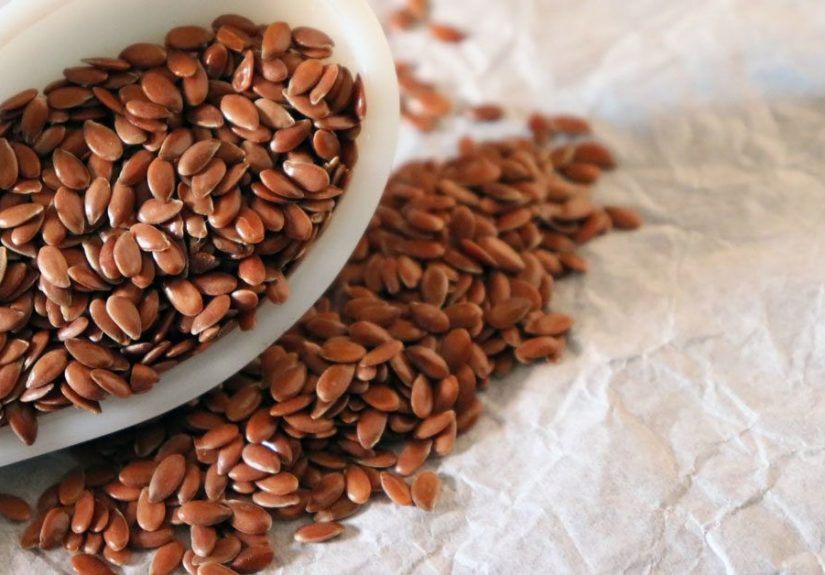
Flaxseed (also called linseed) comes from the flax plant. You’ll usually see it sold as whole seeds, ground flaxseed (often labeled “flax meal”), or flaxseed oil. Brown and golden flax seeds are both common; nutritionally they’re more alike than different, so choose based on taste preference, price, or whatever looks cutest in your jar lineup.
The key thing to know: ground flaxseed is generally more “useful” to your body than whole flax seeds. Whole seeds can pass through the digestive tract without fully breaking down, meaning you may miss out on some nutrients. Grinding improves nutrient absorption (and yes, this is one of the rare moments where turning something into dust is a good life choice).
Flaxseed Nutrition Facts (The Practical Numbers)
Nutrition can vary slightly by brand and how it’s processed, but these values offer a helpful, reality-based snapshot.
Per 1 tablespoon (about 7 grams) of ground flaxseed
- Calories: ~37
- Protein: ~1.3 g
- Total fat: ~3.0 g
- Carbs: ~2.0 g
- Dietary fiber: ~1.9 g
- Notable minerals: magnesium, phosphorus, potassium, calcium, iron (small but meaningful amounts)
Another easy way to think about it is the “common serving” many people use: 2 tablespoons of ground flaxseed. That amount is often around 70 calories and provides roughly 3 grams of fiber.
The three nutrients that make flax seeds famous
- ALA omega-3 (alpha-linolenic acid): Flax seeds are a standout plant source of ALA, an essential omega-3 fat. Your body can convert some ALA into EPA and DHA (the omega-3s found in fish), but the conversion is limitedso flax is great, but it’s not a magical salmon impersonator.
- Fiber (soluble + insoluble): Flaxseed contains both types. Soluble fiber forms a gel-like substance with water, which can help with fullness and smoother digestion. Insoluble fiber supports regularity by adding bulk.
- Lignans: These are polyphenols found in plants. Flaxseed is especially well-known for lignans, which have antioxidant activity and are often discussed in relation to heart health and hormone-related research.
Health Benefits of Flax Seeds (What the Evidence Suggests)
Let’s talk benefits with the appropriate level of enthusiasm: yes, flaxseed can be a smart addition to a balanced dietbut it’s not a cure-all, and it doesn’t cancel out three days of “I’ll just have fries for dinner.”
1) Heart health support (cholesterol and beyond)
Flaxseed is commonly studied for heart-related markers, especially cholesterol. Why? A combo of soluble fiber (which can help reduce cholesterol absorption), ALA, and lignans. Some research suggests flaxseed intake can help reduce blood cholesterol levels.
Practical takeaway: if you’re looking for a food-based strategy to support heart health, flaxseed is a reasonable “add-on” alongside core habitslike eating more plants, choosing unsaturated fats, moving your body, and not treating stress like a hobby.
2) Blood pressure: a possible bonus benefit
Some studies suggest flaxseed may help with blood pressure, which matters because blood pressure is one of those silent metrics that can behave perfectly… until it doesn’t. Evidence varies by study design, dose, and population, but flaxseed is often included in the short list of foods that might provide modest support here.
3) Digestive health and regularity
Fiber is the main character for digestion, and flaxseed brings a solid dose. Many people add ground flaxseed to help with regularity, especially when overall fiber intake is low.
The “gel” effect from soluble fiber can also make meals feel more satisfying, which is one reason flaxseed shows up in recipes for breakfast bowls, smoothies, and baked goods.
4) Blood sugar and “post-meal spikes”
Because fiber slows digestion, flaxseed may help blunt rapid rises in blood sugar after meals for some peopleespecially when it replaces lower-fiber ingredients or is added to balanced meals (protein + fiber + healthy fats). Research is ongoing, and flaxseed shouldn’t be treated as a substitute for medical care or prescribed nutrition therapy. But as part of an overall fiber-forward pattern, it can be helpful.
5) Weight management (the “supporting actor,” not the star)
Flaxseed is sometimes marketed like a weight-loss “hack.” In reality, it’s more like a reliable supporting actor: fiber can increase fullness, help you stay satisfied between meals, and improve meal quality when used to replace refined ingredients.
If adding 1–2 tablespoons of ground flaxseed helps you build a breakfast you actually enjoy (and that doesn’t leave you hungry in 45 minutes), that can be meaningful. But flaxseed itself isn’t a fat-melting spell. (If it were, your grocery store would need a security guard.)
6) Lignans and hormone-related curiosity
Lignans are sometimes described as “phytoestrogens,” meaning they can have mild hormone-like activity in the body. This is why you may see flaxseed discussed in relation to menopause symptoms or hormone-related health topics.
This area is nuanced: effects may vary depending on the individual and health history. If you have (or have had) a hormone-sensitive condition, it’s smart to discuss regular flaxseed use with your clinician.
Whole vs. Ground Flaxseed vs. Flaxseed Oil
Whole flax seeds
- Pros: Longer shelf life; crunchy texture for salads, yogurt, and baking.
- Cons: Harder to digest; nutrients may not be fully absorbed if seeds pass through intact.
Ground flaxseed (flax meal)
- Pros: Better nutrient absorption; easy to stir into foods; most versatile for daily use.
- Cons: Shorter shelf life; can go rancid if stored poorly.
Flaxseed oil
- Pros: Concentrated ALA omega-3; easy to add to cold foods.
- Cons: No fiber; more sensitive to heat; not a direct replacement for ground flaxseed.
How to Eat Flax Seeds (Without Making Your Food Weird)
Flaxseed has a mild nutty taste. If you’ve ever eaten a teaspoon of cinnamon by accident, relaxthis is not that kind of adventure. It blends pretty well into everyday foods.
Easy ways to use ground flaxseed
- Oatmeal or overnight oats: Stir in 1 tablespoon. It thickens slightlylike a cozy sweater for your breakfast.
- Smoothies: Add 1 tablespoon for extra fiber and healthy fats. No dramatic flavor takeover.
- Yogurt bowls: Sprinkle on top with fruit and nuts.
- Soups, chili, sauces: Use it as a subtle thickener.
- Baking: Add to muffins, pancakes, quick breads, or homemade granola.
The classic “flax egg” trick
Ground flaxseed can work as an egg substitute in some baked recipes:
- Mix 1 tablespoon ground flaxseed with 3 tablespoons water.
- Let it sit 5–10 minutes until it becomes gel-like.
- Use it in baked goods like muffins or cookies (not ideal for soufflés unless you enjoy chaos).
How much flaxseed should you eat?
There’s no universal “perfect” dose, but many nutrition sources commonly cite 1–2 tablespoons of ground flaxseed per day as a reasonable, food-based amount for most healthy adults. If you’re new to flaxseed, start with 1 teaspoon to 1 tablespoon and increase gradually.
Storage Tips (Because Rancid Seeds Are Not a Vibe)
Whole flax seeds last longer because the shell protects the fats inside. Ground flaxseed is more exposed to air and can turn rancid (bitter smell/taste). For best quality:
- Buy smaller bags if you don’t use it often.
- Store ground flaxseed in an airtight, opaque container in the refrigerator (or freezer for longer storage).
- If it smells “paint-like,” sour, or bitter, toss it. Your smoothie deserves better.
Safety, Side Effects, and Who Should Be Cautious
Flaxseed is a food, but it still deserves a quick safety checkespecially if you’re using supplements or higher doses.
Common side effects
- Gas, bloating, or diarrhea: Usually from adding too much fiber too fast.
- Fullness: Fiber does its jobsometimes aggressively.
Important cautions
- Don’t eat raw or unripe flaxseeds. Reputable health agencies caution that raw or unripe flaxseed may contain potentially toxic compounds. (Most people buying flaxseed at the grocery store are getting mature seeds, but the warning is still worth knowing.)
- Medication interactions: There are theoretical concerns that flaxseed or flaxseed oil could interact with anticoagulant or antiplatelet medications. If you take prescription medsespecially blood thinnerstalk with your clinician before using flaxseed regularly.
- Pregnancy and breastfeeding: Safety data are limited and mixed; consult your healthcare provider before adding large amounts or using supplements.
- Hormone-sensitive conditions: Because flaxseed contains phytoestrogen-related compounds, check with your care team if you have a history of hormone-related cancers or are under active treatment.
Flax Seeds vs. Chia Seeds: Quick Comparison
People often ask which is “better.” The truth: both are useful. Chia thickens more dramatically in liquids and is easy to eat whole. Flaxseed tends to be cheaper, has a milder texture when ground, and is famous for lignans. If you enjoy both, rotate them and let your breakfast live its best life.
FAQ: Flaxseed Questions People Actually Google
Do flax seeds need to be ground?
If your goal is nutrient absorption (especially fats and lignans), grinding is generally recommended. Whole flax seeds can pass through undigested for some people.
Can I cook flaxseed?
Yesground flaxseed is commonly baked into muffins, breads, pancakes, and more. Flaxseed oil, however, is typically best used cold (like drizzled over foods), since heating oils can affect quality.
Is flaxseed good for constipation?
Many people use it that way because it adds fiber. If constipation is persistent or severe, treat flaxseed as a helpful toolnot the whole toolboxand consider medical guidance.
Real-Life Flaxseed Experiences (What People Commonly Notice)
I don’t have personal taste buds or a morning routine, but there are very consistent patterns in what people report when they start using flaxseedespecially ground flaxseedin everyday meals. Think of this as a “field guide” to the most common flaxseed moments, from pleasantly surprising to mildly hilarious.
Week 1: The “Wow, Fiber” Phase. A lot of people start with 1–2 tablespoons right away because the internet told them to “be healthy,” and then their digestive system sends a strongly worded memo. The most common early experience is extra gas or bloatingusually because flaxseed adds fiber fast. Folks who start with 1 teaspoon and work up slowly tend to have a smoother ride. Also: water matters. Fiber without fluids is like trying to run a car on good intentions. It won’t end well.
The breakfast upgrade effect. Many people say flaxseed is easiest to stick with at breakfast because it blends into things you already eat. Stirring a tablespoon into oatmeal or overnight oats slightly thickens the bowlsome describe it as “creamier,” others as “why is my oatmeal wearing a scarf?” In smoothies, flaxseed often disappears flavor-wise, but it can make the texture a bit more substantial, especially if you also use frozen fruit or yogurt.
Hunger and snacking patterns. A frequent report is feeling a bit more satisfied after meals that include flaxseedlikely because fiber and fat slow digestion. This doesn’t mean flaxseed shuts down appetite like a light switch, but people often notice fewer “I need a snack immediately” cravings, especially mid-morning. The key is pairing flaxseed with an overall balanced meal. Adding flaxseed to a sugary cereal and calling it “health” is like putting a helmet on a hamster and expecting it to ride a motorcycle responsibly.
The “flax egg” experiment. Plant-based bakers often try flax eggs and have two reactions: (1) delight that it works surprisingly well in muffins and pancakes, and (2) a deep respect for the weird magic of gelled seed water. The most common learning is that flax eggs are excellent for baked goods that don’t rely on eggs for lift, but they’re not ideal when you want airy structure (soufflés, angel food cake). People also mention that flax eggs can add a mild, nutty flavorwhich is usually a plus in banana bread or oatmeal cookies.
“Wait… did this go bad?” Ground flaxseed going rancid is a top rookie mistake. People describe it as bitter, sour, or “kind of like paint,” and once you smell it, you won’t forget. The common experience is learning to store it in the fridge or freezer and to buy smaller quantities. The good news: stored properly, it’s easy to keep freshand your future self will thank you when your smoothie tastes like fruit instead of regret.
Long-term habits that actually stick. The flaxseed users who keep going tend to pick one or two “default” uses: a tablespoon in oatmeal, a tablespoon in smoothies, or a sprinkle in yogurt. They don’t try to flaxseed every meal. They also tend to treat it as a “nutrient booster,” not a miracle fix. That mindsetsmall daily consistencyseems to be what makes flaxseed feel genuinely helpful rather than another abandoned health trend living behind the chia seeds and the protein powder from 2019.
Conclusion
Flax seeds earn their reputation as a nutrient-dense staple: they provide fiber for digestion and fullness, ALA omega-3s for heart-minded eating, and lignans that keep scientists curious. The simplest, most effective way to use them is to choose ground flaxseed, start with a modest amount, store it properly, and fold it into meals you already like. Done that way, flaxseed isn’t a fadit’s just a smart, low-effort upgrade.