Table of Contents >> Show >> Hide
- What Is Jasper Conran Sackville Street?
- Why the Sackville Street Look Still Works
- How Sackville Street Fits Into the Broader World of Fabrics and Linens
- How to Use Jasper Conran Sackville Street Style at Home
- Choosing Fabrics and Linens in the Sackville Street Spirit
- Care Tips for Luxury Fabrics and Linens
- Why Jasper Conran Sackville Street Still Matters
- Experience the Mood: What Living With Sackville Street-Inspired Fabrics Feels Like
- Conclusion
- SEO Tags
Some fabric collections whisper. Others clear their throat like they own the townhouse, the silver tray, and possibly the weather. Jasper Conran Sackville Street belongs firmly in the second camp. Originally framed as an irreverent take on bespoke tailoring cloth, the Sackville Street line translated the language of Savile Row into interiors: flannels, pinstripes, restrained neutrals, and then, just when the room thought it was being terribly proper, a flash of color with a birdseye spot motif in brighter shades. In other words, it was tailoring with a raised eyebrow.
That is exactly why the collection still feels relevant. In an era when fabrics and linens are often marketed as either ultra-minimal or aggressively “look at me,” Jasper Conran’s Sackville Street sensibility lands in the sweet spot between discipline and drama. It respects structure, texture, and craft, but it is not afraid of personality. For homeowners, decorators, and bedding obsessives who like their interiors polished but not pompous, that is catnip.
This article looks at what makes the Jasper Conran Sackville Street approach so distinctive, how it fits into the wider world of luxury fabrics and linens, and what today’s shoppers can learn from its tailored, quietly confident point of view. Think of it as a field guide to cloth with good manners and a sense of humor.
What Is Jasper Conran Sackville Street?
The original Sackville Street collection was presented as a 2007 line inspired by bespoke tailoring fabrics associated with London’s Savile Row. The concept was smart and wonderfully British: take textile ideas usually reserved for suiting and reinterpret them for upholstery and curtains. That meant classic flannels, pinstripes, and subdued color stories, alongside livelier options such as the Albemarle design, a silk-and-viscose birdseye spot motif that pushed the line beyond gentleman’s-club seriousness and into something more playful.
What made the idea sing was its balance. These were not novelty textiles dressed up in a waistcoat. They were interior fabrics that borrowed tailoring’s most enduring strengths: proportion, restraint, texture, and a feeling of permanence. When a pinstripe moves from a jacket to a curtain panel, it changes personality. It becomes architectural. A flannel-like surface on upholstery softens a room without making it sleepy. A neat motif adds wit without turning the space into a theme restaurant. No one wants to eat beside drapes that look like a costume party.
That balance still defines the appeal of the collection today. Even if you cannot walk into a store and buy the original range off a bolt in exactly the same way, the Jasper Conran Sackville Street aesthetic remains a useful design reference for anyone building a room around textiles.
Why the Sackville Street Look Still Works
1. It borrows from menswear without feeling masculine-only
One of the cleverest things about the collection is that it uses tailoring codes without boxing itself into a “men’s den” stereotype. Pinstripes, flannels, and suiting-inspired textures can read masculine in clothing, but in interiors they often feel crisp, elegant, and deeply versatile. Pair a charcoal stripe with ivory bedding, warm wood, and soft brass, and the result is sophisticated rather than stern.
2. It understands that texture does the heavy lifting
Luxury fabrics do not have to shout through pattern. Often, the most elevated rooms rely on texture first. A brushed, flannel-like hand can add warmth. A smooth sateen finish can create a dressier surface. A matte percale or linen can keep things breathable and casual. Sackville Street’s genius lies in how it treated textile texture as the star, with pattern playing supporting actor rather than overcaffeinated lead.
3. It mixes restraint with just enough flair
Great interiors need rhythm. Too much restraint, and the room feels like a tax attorney’s waiting room. Too much exuberance, and it can feel like your sofa is asking for applause. The brighter accents in the Sackville Street line, especially the more playful motif work, show how color can punctuate a scheme without wrecking its composure.
How Sackville Street Fits Into the Broader World of Fabrics and Linens
To understand why this collection resonates, it helps to zoom out. In the broader bedding and textile world, buyers are usually balancing four things: fiber, weave, durability, and mood. That same framework works beautifully when thinking about Jasper Conran-inspired interiors.
Fiber: quality starts with the raw material
Across the luxury bedding market, material matters more than marketing poetry. Long-staple and extra-long-staple cottons are prized because they create smoother, softer, and more durable fabrics. Supima and Egyptian cotton remain popular talking points for good reason: higher-quality fibers generally produce better drape, less pilling, and a more refined finish over time. Jasper Conran Home’s current bedding language leans into that same quality-first story, with ranges built around premium cottons and elegantly finished details.
For shoppers chasing the Sackville Street mood, the lesson is simple: do not get hypnotized by brand labels alone. Check the fabric content. A handsome stripe means more when the cloth itself has integrity.
Weave: the secret personality test of linens
If fiber is the substance, weave is the attitude. In bedding, percale is loved for its crisp, matte, cool feel. It is breathable, tailored, and hotel-adjacent in the best way. Sateen, on the other hand, is smoother, slightly lustrous, and more drapey. It feels softer and richer right away, often with a more cocooning finish. Linen brings natural texture, airflow, and relaxed elegance, while flannel adds warmth and coziness.
The Jasper Conran Sackville Street point of view aligns beautifully with these distinctions. Tailoring-inspired interiors often thrive on contrast: a crisp percale sheet set against a padded headboard, a sateen duvet cover beside a matte wool throw, or a linen curtain softening a sharply striped chair. The room becomes interesting because the textures are talking to each other, not because one of them is yelling.
Thread count: useful, but not the king of the castle
Thread count is one of the most overhyped numbers in home design. Higher does not automatically mean better. Quality depends on fiber, weave, finishing, and construction, not just how many threads can fit into a square inch before the marketing department throws confetti. For percale, a moderate thread count can still feel crisp and premium. For sateen, somewhat higher counts often make sense because of the weave structure. The smarter move is to think in terms of fabric performance, not bragging rights.
That perspective fits the Sackville Street ethos perfectly. This is not a style built on empty luxury signals. It is about tactile sophistication and design intelligence. A fabric should feel good, wear well, and make the room more coherent.
How to Use Jasper Conran Sackville Street Style at Home
In the bedroom
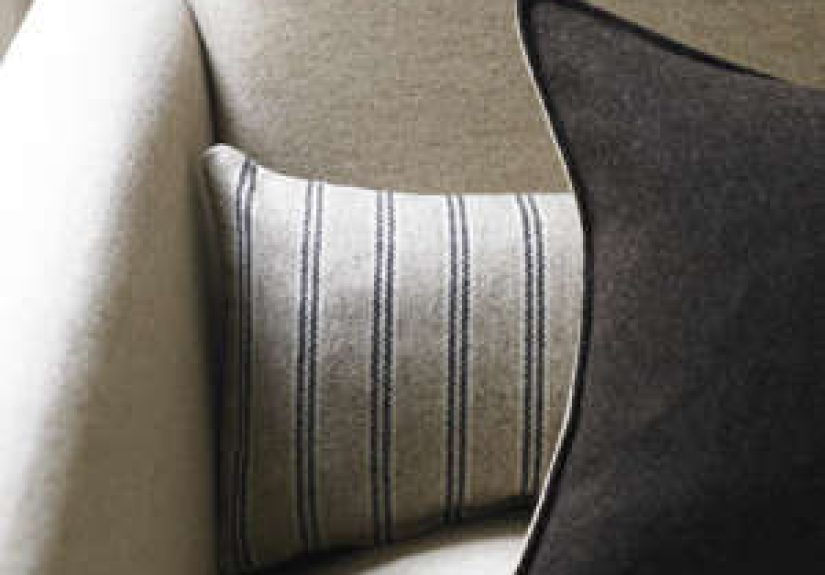
The most obvious translation is bedding. Start with a crisp base: white, ivory, dove gray, or soft stone sheets in percale if you want a cooler, tailored feel. Then add a sateen duvet cover or coverlet for a bit of polish. From there, introduce a suiting-inspired accent through a striped lumbar pillow, a brushed wool throw, or a bench upholstered in a tailored textile. The goal is not to make your bed look like it has a LinkedIn profile. The goal is to give it structure, depth, and confidence.
In the living room
This is where the original Sackville Street fabric idea really shines. Upholster an armchair in a refined stripe or soft flannel-like textile, then balance it with plain linen curtains and nubby cushions. If you have a neutral sofa, tailored fabrics are a graceful way to add character without turning the room busy. They also age well visually, which is more than can be said for many trend-driven prints that feel thrilling for six months and exhausting for six years.
In dining or library spaces
Pinstripe or suiting-inspired fabrics feel especially strong in rooms that benefit from definition and polish. Dining chairs, banquettes, and study seating can all handle a more structured textile. Add warm wood, antique brass, or a lacquered surface, and the room starts to feel layered rather than staged.
Choosing Fabrics and Linens in the Sackville Street Spirit
Go for nuanced neutrals
Look for charcoal, slate, mushroom, oat, navy, camel, and chalk white rather than flat, generic beige. Tailoring fabrics live and die by nuance. The best ones have undertones and depth.
Use color as punctuation
The original line did not avoid color; it used it strategically. A saffron cushion, chartreuse trim, or plum accent can wake up a scheme rooted in grays and creams. Think pocket square, not carnival float.
Mix matte and sheen
Rooms become richer when you pair matte surfaces such as linen, wool, or brushed cotton with smoother finishes like sateen, silk blends, or polished wood. This interplay creates visual depth even when the palette is restrained.
Pay attention to finishing details
Piping, Oxford borders, tailored seams, and precise hems matter. These small details are what separate “nice bedding” from “someone clearly knew what they were doing.” Jasper Conran’s bedding language, both historically and today, understands the power of finishing.
Care Tips for Luxury Fabrics and Linens
Beautiful fabrics are not museum specimens, but they do appreciate a little respect. Wash bedding according to the fiber and weave. Cotton sheets generally do best with gentle laundering and complete drying before storage. Linen responds well to cooler water and a less aggressive approach, especially if you want to preserve color and finish. Upholstery fabrics, especially those with more tailored weaves or blended fibers, benefit from routine vacuuming, light brushing, and prompt attention to spills.
Most importantly, buy for your real life. If you want the polished feel of sateen but you have a dog who believes the bed is a racetrack, choose durable construction. If you love linen’s relaxed texture but hate wrinkles with the passion of a thousand suns, mix linen with crisper accents rather than making it your whole personality. Style is easier to sustain when it works with your habits instead of judging them.
Why Jasper Conran Sackville Street Still Matters
There are countless fabric and linen collections that look pretty in isolation. Far fewer have a point of view strong enough to influence how we think about a room. Jasper Conran Sackville Street matters because it offered more than fabric. It offered a method: borrow the discipline of tailoring, soften it for interiors, and then add just enough wit to keep the space alive.
That philosophy feels especially useful now. Many homeowners want rooms that are calm, elevated, and durable, but not bland. They want bedding that feels luxurious without becoming precious, and fabrics that bring polish without sucking the air out of the room. Sackville Street showed how to do exactly that.
Its lesson is wonderfully simple: decorate the way a great dresser gets dressed. Start with quality. Pay attention to cut and cloth. Use color on purpose. Let texture speak. And never underestimate the power of a stripe that knows how to behave.
Experience the Mood: What Living With Sackville Street-Inspired Fabrics Feels Like
What does this style actually feel like in everyday life? Not in a showroom under flattering lighting, but on a Tuesday morning when the coffee is cooling and the to-do list has opinions? Surprisingly wonderful.
A room influenced by Jasper Conran Sackville Street does not hit you with instant drama. It unfolds. First, you notice the order. A striped curtain has a clean fall. A bed dressed in crisp cotton looks freshly composed even when no one has performed a full hotel tuck. A chair upholstered in a flannel-like fabric feels grounded and inviting. The space has a quiet sense of discipline, as though it got dressed before breakfast and somehow managed to look relaxed about it.
Then the texture starts to register. This is where the experience gets addictive. The smooth coolness of percale on warm skin. The denser, silkier hand of sateen when you want the bed to feel just a little more indulgent. The soft, dry character of linen that becomes more interesting, not less, as it creases and settles. In a room built around tailored textiles, touch matters as much as appearance. You stop seeing the room as a flat composition and start experiencing it as a sequence of surfaces.
There is also something deeply reassuring about suiting-inspired fabrics in the home. They carry a familiar visual grammar. Pinstripes, brushed textures, and structured weaves have long been associated with confidence, polish, and craft. When translated into interiors, those cues make a room feel composed. Not stiff, not chilly, just competent. It is the decorating equivalent of handwriting a thank-you note on nice paper.
And yet, the best Sackville Street-inspired spaces never feel too serious. A saffron cushion on a charcoal chair. A subtle birdseye motif against plain bedding. A glossy sateen pillowcase on an otherwise matte bed. Those small gestures keep the room from sliding into monotony. They are the wink after the handshake.
Perhaps that is the real pleasure of living with fabrics and linens in this style: they elevate routine. Pulling back the duvet feels better when the material has body and finish. Sitting in a reading chair becomes more satisfying when the upholstery has depth and softness. Even folding laundry becomes slightly less insulting when the sheets in your hands feel genuinely beautiful. Slightly less. Let us not get carried away.
In the end, the experience is not about old-world formality. It is about tactile confidence. It is about rooms that feel finished, not fussy; elegant, not anxious. That is the enduring charm of the Jasper Conran Sackville Street approach. It turns fabrics and linens into atmosphere, and atmosphere into a form of everyday luxury.
Conclusion
Fabrics & Linens: Jasper Conran Sackville Street remains a compelling design reference because it proves that tailored interiors do not have to feel rigid. By blending suiting-inspired patterns, premium fibers, refined weaves, and carefully controlled color, the collection created a look that still feels intelligent and livable. For anyone building a home around texture, quality, and subtle drama, its message is still worth following: buy better cloth, style with intention, and let elegance do its work quietly.