Table of Contents >> Show >> Hide
- What “Eye Pressure” Actually Means (and Why Your Eye Has It)
- Typical Eye Pressure Range: What’s “Normal”?
- What’s Too High? Understanding Elevated Eye Pressure
- What’s Too Low? Understanding Low Eye Pressure
- The Plot Twist: You Can Have Glaucoma with “Normal” Eye Pressure
- How Eye Doctors Measure Eye Pressure (Tonometry 101)
- Why Your Eye Pressure Reading Can Be “Off” (Even When the Device Works)
- Symptoms: Can You “Feel” High or Low Eye Pressure?
- If Your Eye Pressure Is High (or Low), What Usually Happens Next?
- How to Think About Your Number Without Spiraling
- FAQ: Quick Answers to Common Eye Pressure Questions
- Real-Life Experiences: What Eye Pressure Checks Feel Like (and What People Learn)
- Conclusion: The Practical Takeaway
Quick reality check: Your eye pressure number is important, but it’s not a solo act. Think of it like a speedometer: helpful, sometimes dramatic, and occasionally misleading if the road (your cornea, optic nerve, and overall eye health) isn’t taken into account.
In this guide, we’ll break down typical eye pressure ranges, what “too high” and “too low” can mean, why your results can vary, how eye doctors measure pressure, and what usually happens next if your reading is outside the expected zone. You’ll also get a friendly, real-world “what it’s like” section at the endbecause numbers are easier to remember when they come with a story.
Note: This article is for education, not diagnosis. If you have concerns about your vision or eye pressure, an optometrist or ophthalmologist is the right place to get personalized guidance.
What “Eye Pressure” Actually Means (and Why Your Eye Has It)
Eye pressure is formally called intraocular pressure (IOP). It’s the pressure inside your eye created mostly by a clear fluid called aqueous humor. Your eye is constantly making this fluid and constantly draining it through a tiny “plumbing system” near the front of the eye. When production and drainage are balanced, pressure stays in a healthy range. When the drain is sluggish (or the system gets disrupted), pressure can rise. If the eye isn’t keeping enough fluid pressure, it can drop.
IOP is measured in mmHgmillimeters of mercury, the same unit used for blood pressure. No, your eye is not filled with mercury. (If it were, your optometrist would have a very different job description.) It’s just the measurement unit.
Typical Eye Pressure Range: What’s “Normal”?
Most reputable clinical references put “typical” eye pressure somewhere around 10 to 21 mmHg, with many people clustering in the mid-teens. Some sources describe “normal” as 10 to 20 mmHg or 11 to 21 mmHgsmall differences that reflect how medicine sets ranges and how real humans insist on being variable. The big picture: if you’re in that neighborhood, your reading is commonly considered within the usual range.
Why “Normal” Isn’t One Magic Number
- IOP changes during the day. Many people have higher readings in the morning, and lower later on. So “my pressure was 18” is a snapshot, not a biography.
- Different tools can read differently. The method used (air puff vs. applanation tonometry, etc.) can affect the measurement.
- Your cornea matters. A thicker cornea can make pressure look higher than it truly is; a thinner cornea can make it look lower. More on that soon.
- “Safe” depends on your optic nerve. Some people develop glaucoma damage at pressures that look “normal,” while others tolerate higher pressures without damage for years.
What’s Too High? Understanding Elevated Eye Pressure
Eye pressure is often considered elevated when it’s consistently above 21 mmHg. When a person has higher-than-normal IOP but no signs of optic nerve damage or visual field loss, clinicians may call it ocular hypertension. That doesn’t automatically mean glaucomabut it can increase glaucoma risk, which is why it gets taken seriously.
High Eye Pressure vs. Glaucoma: Not the Same Thing
Here’s the simplest way to remember it:
- High IOP = a risk factor and a clue.
- Glaucoma = optic nerve damage (often associated with IOP, but not always).
Yes, many people with glaucoma have high eye pressure. But glaucoma can also happen with “normal” pressures (often called normal-tension glaucoma). And plenty of people with ocular hypertension never develop glaucomaespecially if they’re monitored and managed appropriately.
When a High Number Is More Concerning
Eye doctors don’t react to a single reading the way we react to a fire alarm. They look at the whole context:
- Repeat measurements: Was the reading high more than once, on different days?
- Optic nerve appearance: Any signs of glaucoma-related changes?
- Visual field testing: Any early peripheral vision issues?
- Angle and drainage anatomy: Is the “drain” open and working, or narrow/blocked?
- Corneal thickness: Could the number be over- or underestimated?
- Family history and risk factors: Age, genetics, certain medical factors, and medication use (especially steroids) can shift risk.
Example: A “Mildly High” Reading
Imagine you get a reading of 23 mmHg at a routine exam. That’s above the typical range. But your optic nerve looks healthy, your visual field test is normal, and your corneas are thicker than average (which can inflate the reading). Your eye doctor may recommend monitoring, additional tests, or treatment depending on your full risk profilerather than declaring a crisis.
What’s Too Low? Understanding Low Eye Pressure
Low eye pressure is often called ocular hypotony. The tricky part is that “too low” can be defined in different ways:
- Statistical definitions may use a cutoff around 5 mmHg or under ~6.5 mmHg.
- Clinical definitions focus less on the exact number and more on whether the low pressure is causing problems (like visual changes or structural issues).
- Some patient-facing resources describe an eye as “hypotonous” below about 10 mmHg, but note it may not be problematic unless it drops much lower.
Common Reasons Eye Pressure Might Be Low
Low IOP is less common than high IOP and often happens in specific situations, such as:
- After eye surgery (when the eye’s fluid dynamics are temporarily altered)
- Eye injury or inflammation
- Retinal or choroidal issues (your doctor checks for these if IOP is very low)
- Leakage from a surgical wound or thinning area (a clinician evaluates this)
What Low Eye Pressure Can Feel Like
Sometimes: nothing obvious. Other times: blurry vision, distortion, or general “something is off” with sightespecially if the pressure is quite low or the change is sudden. If you’ve had recent eye surgery and are told your pressure is low, follow your surgeon’s instructions closely and keep your follow-up visits. Low pressure is a “don’t ignore it” situation, but it’s also a “let’s evaluate the cause” situationnot a self-diagnosis contest.
The Plot Twist: You Can Have Glaucoma with “Normal” Eye Pressure
One of the most misunderstood facts about eye pressure is this: glaucoma can occur even when IOP looks typical. That’s why comprehensive eye exams matterespecially as you get older or if glaucoma runs in your family.
So if your pressure is 16 mmHg and you feel smug about it (very human, no judgment), your eye doctor still looks at the optic nerve, checks vision, and may run imaging and visual field tests if there are concerns. Glaucoma is about nerve health, and pressure is one important piece of the puzzle.
How Eye Doctors Measure Eye Pressure (Tonometry 101)
IOP is measured with a test called tonometry. There are several methods, and your experience depends on the tool.
Common Types of Tonometry
- Goldmann applanation tonometry: Often considered the clinical “gold standard.” It uses numbing drops and a blue light at a slit lamp. It’s quick and very common in ophthalmology settings.
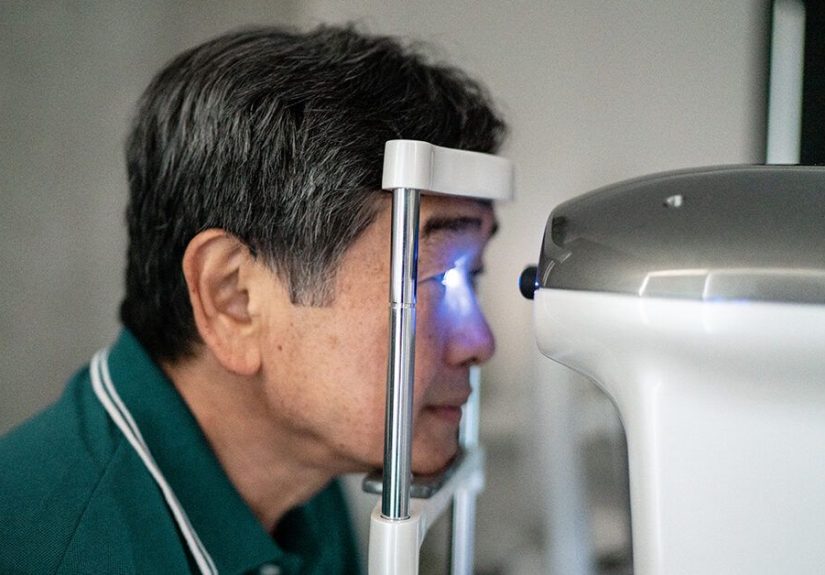
- Non-contact (“air puff”) tonometry: The infamous puff of air that makes you blink like a startled cartoon character. It’s fast and doesn’t touch the eye, though it may be less precise in some cases.
- Handheld devices (like Tono-Pen or rebound tonometry): Useful in clinics, urgent settings, or for people who can’t use the slit lamp easily.
What to Expect During the Test
For contact methods, you’ll usually get numbing drops. You might feel light pressure, but it shouldn’t be painful. For the air puff test, the main sensation is surprise. Your dignity may take a small hit if you flinch dramatically. (Again: very human.)
Why Your Eye Pressure Reading Can Be “Off” (Even When the Device Works)
Corneal Thickness: The Sneaky Influencer
Your cornea isn’t just a clear windowit’s also part of the measurement equation. A thicker cornea can require more force to flatten, which can make IOP seem higher. A thinner cornea can do the opposite, making the reading look lower than it truly is. This is one reason many eye doctors measure central corneal thickness (often with a quick test called pachymetry) when evaluating glaucoma risk or ocular hypertension.
Time of Day and Natural Fluctuation
IOP isn’t static. It can rise and fall based on the time of day, posture, hydration, and other factors. That’s why a single reading can lead to: “Interestinglet’s recheck,” instead of: “This number defines your destiny.”
Medications (Yes, Including Steroids)
Some medicationsespecially steroid eye drops, inhalers, creams used around the eyes, or systemic steroidscan raise eye pressure in susceptible people. If you use steroids regularly, tell your eye doctor. This isn’t to scare you; it’s to keep your care team from playing detective with half the clues missing.
Symptoms: Can You “Feel” High or Low Eye Pressure?
Often, no. Many people with elevated eye pressure or early glaucoma have no noticeable symptoms. That’s why routine eye exams matter.
However, certain situationsespecially a sudden, significant rise in pressurecan cause obvious symptoms and needs urgent care. Seek immediate medical attention if you experience a sudden combination of severe eye pain, significant redness, sudden vision changes, halos around lights, or nausea. Those can be signs of an eye emergency (such as angle-closure glaucoma), and it’s not a “sleep it off” scenario.
If Your Eye Pressure Is High (or Low), What Usually Happens Next?
Most of the time, the next steps are calm, structured, and data-drivenbecause eye doctors love evidence almost as much as they love tiny instruments.
Common Follow-Up Tests
- Repeat IOP checks on another day or time
- Optic nerve exam (dilated exam)
- Optical coherence tomography (OCT) imaging of the optic nerve/retinal nerve fiber layer
- Visual field testing to detect subtle peripheral vision changes
- Gonioscopy to evaluate the drainage angle
- Pachymetry to measure corneal thickness
What Treatment Might Look Like
If pressure is high and risk is meaningful, treatment may include:
- Prescription eye drops to reduce fluid production or improve drainage
- Laser procedures in some cases to help drainage
- Surgery for selected glaucoma cases or when other treatments aren’t enough
If pressure is low, treatment depends entirely on the causeoften focusing on stabilizing eye structure and fluid balance, especially after surgery or injury.
How to Think About Your Number Without Spiraling
Try this mental model:
- IOP is a risk signal. It’s valuable, but it’s not the whole diagnosis.
- Trends matter. A stable pattern is different from a rising pattern.
- Your optic nerve is the star of the show. Most glaucoma decisions revolve around nerve health and visual function, not just a single pressure reading.
- “Target pressure” is personalized. If you’re being treated for glaucoma or high-risk ocular hypertension, your clinician may set a target IOP based on your optic nerve, tests, and risk factors.
FAQ: Quick Answers to Common Eye Pressure Questions
Is 21 mmHg always bad?
Not automatically. It’s often considered the upper edge of the typical range. Your eye doctor looks at repeat measurements, corneal thickness, optic nerve health, and other risk factors to interpret what it means for you.
Is 9 mmHg too low?
It can be “low,” but whether it’s concerning depends on symptoms, recent surgery, and clinical findings. Many definitions of hypotony focus on much lower pressures (around 5–6.5 mmHg) or on whether low pressure is causing problems.
Can stress raise eye pressure?
Stress can affect many body systems, and some people’s measurements may vary from visit to visit. But if a reading is high, clinicians typically confirm it with repeat measurements and additional tests rather than blaming one stressful day.
Does caffeine affect eye pressure?
In some people, caffeine can cause short-term changes in IOP. If you’re being monitored for ocular hypertension or glaucoma risk, ask your eye doctor whether you should avoid caffeine right before pressure checks.
Which tonometry test is best?
Goldmann applanation tonometry is widely regarded as a standard in many clinical settings, but other methods are useful and common. The “best” test is the one your clinician can use reliably for youand interpret alongside your full eye exam.
How often should eye pressure be checked?
That depends on age, risk factors, and whether you’ve had elevated readings or glaucoma concerns. People at higher risk often need more frequent comprehensive exams.
Real-Life Experiences: What Eye Pressure Checks Feel Like (and What People Learn)
Numbers are neat, but the human side of eye pressure is where it gets memorable. If you’ve never had your IOP checked, here’s what many people reportminus the dramatic soundtrack your brain might add.
Experience #1: The Air Puff “Betrayal Blink.” People often walk into an eye exam feeling calmuntil the non-contact tonometer goes pfft. The puff doesn’t hurt, but it’s startling, like someone clapped behind you at a library. A very common reaction is an exaggerated blink, followed by the patient insisting, “I wasn’t scared.” (Sure. And the puff was “just a breeze.”) Many folks need two or three tries. Clinicians see this all day, so there’s no gold medal for holding your eyes open like a statue.
Experience #2: The “Wait, That’s My Score?” Moment. Eye pressure readings can feel oddly like a pop quiz you didn’t study for. Someone hears “22” and immediately thinks, “I’m doomed,” while another hears “18” and thinks, “I am the picture of health.” In real life, clinicians treat IOP more like a data point than a verdict. People often learn that one slightly high reading usually leads to a recheck and a broader evaluationnot instant treatment and definitely not instant panic.
Experience #3: The Follow-Up That Turns Worry into a Plan. When a pressure reading is consistently high, many patients say the most reassuring part is the structure of the next steps: repeat measurements, corneal thickness testing, optic nerve imaging, and visual field tests. It changes the story from “something is wrong” to “we’re measuring risk and protecting vision.” Even when treatment is recommended, people often describe relief at having a planespecially because early glaucoma and ocular hypertension can be silent.
Experience #4: Eye Drops Are Easy… Until They’re Not. For those prescribed pressure-lowering eye drops, the first week can feel like a new hobby: “I put drops in my eye. I am basically a medical professional.” Then reality hits: remembering doses, not missing the eye, waiting before putting contacts in, dealing with mild stinging, or coordinating multiple drops. Many people end up using phone reminders, pairing drops with brushing teeth, or keeping a small routinebecause consistency matters more than perfection.
Experience #5: The “Normal Pressure Glaucoma” Surprise. Some patients are genuinely shocked to learn glaucoma can occur even when eye pressure is within a typical range. That experience often changes how they think about eye care: it’s not just “Did my number behave today?” It’s “How’s my optic nerve doing over time?” People frequently become more committed to comprehensive eye exams once they realize the pressure reading is only part of the story.
Experience #6: Post-Surgery Pressure Checks Feel Like Graduation Exams. After certain eye surgeries, patients may have more frequent pressure checks. Many describe it like progress reportseach reading is a clue about healing. If pressure runs low temporarily, patients often learn that doctors are watching for cause and impact (not merely the number). The lesson most people take away is surprisingly empowering: eye pressure isn’t just something that happens to you; it’s something clinicians can monitor, interpret, and often manage effectively.
Bottom line: Most “eye pressure experiences” revolve around two truthsIOP readings can be surprising, and good eye care turns surprises into smart next steps.
Conclusion: The Practical Takeaway
Typical eye pressure often falls around 10–21 mmHg, but the meaning of your number depends on context: time of day, corneal thickness, measurement method, optic nerve health, and your overall risk profile. Pressure above the typical range may suggest ocular hypertension and increased glaucoma risk, while very low pressure can signal hypotonyespecially important after surgery or injury. And remember: glaucoma can happen even when eye pressure looks “normal,” which is why routine comprehensive exams matter more than any single reading.
If you’re ever unsure what your IOP means, ask your eye doctor two questions: “How does this compare to my past readings?” and “What does my optic nerve look like?” Those answers put the number where it belongsinside the bigger picture.