Table of Contents >> Show >> Hide
- The Romantic Dream vs. The Wet Reality
- Safety Is the Real Captain
- Feeding Three Tiny Pirates in a One-Fridge Galley
- Sun, Heat, and the Great Sunscreen Negotiation
- Sleep, Naps, and the Myth of a Quiet Anchorage
- Learning Afloat: The Caribbean Is the Classroom
- Healthcare and Travel Prep (Because Toddlers Collect Germs Like Souvenirs)
- Keeping Parents Sane on 40 Feet of Floating Real Estate
- Conclusion: Yes, It’s Extreme. Yes, It Can Be Wonderful.
- Extra: of Real-Life “Extreme Parenting” Experiences Afloat
There are two kinds of people who dream about sailing the Caribbean: the kind who picture slow sunsets and rum punches, and the kind who have already accepted that a rum punch will be spilled directly into the companionway by a person wearing nothing but a diaper and confidence.
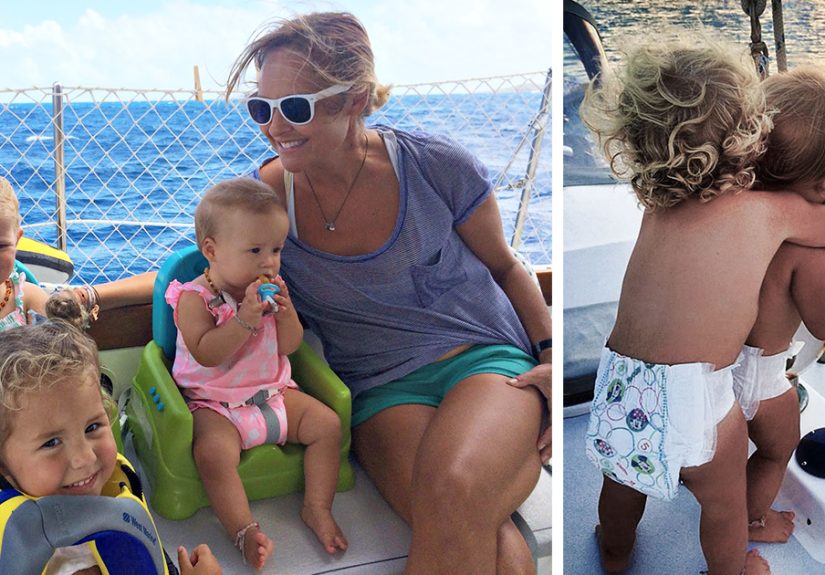
Raising three toddlers on a sailboat is not “vacation life.” It’s a full-contact sport performed on a moving playground made of fiberglass, stainless steel, and extremely creative ways to bruise your shins. And yetsomehowit can also be one of the richest, funniest, most connected seasons of family life: salt air, reef-filled anchorages, neighbors who wave from dinghies, and kids who think pelicans are basically flying dogs.
This is the real-world guide to extreme parenting afloat: safety systems that actually work, routines that survive squalls (both weather and emotional), and the practical, hilarious details of raising toddlers on a sailboat while Caribbean cruising with kids.
The Romantic Dream vs. The Wet Reality
A sailboat is a small home with big personality. On Instagram it’s teak and turquoise. In real life, it’s also: a rolling floor, a tiny fridge, and a cockpit that becomes a snack bar, toy box, and courtroom (“HE LOOKED AT MY BANANA!”).
The Caribbean adds its own special sauce: consistent sun, warm water, short hops between islandsplus squalls, heat, salt corrosion, and hurricane season. The good news? With the right setup, three toddlers can thrive at sea. The better news? They’ll sleep like champions after a day of beach-and-boat chaos. The suspicious news? They’ll still wake up at 5:47 a.m.
Safety Is the Real Captain
If you remember only one thing, make it this: toddlers don’t learn boundaries by respecting them. They learn by testing them with Olympic-level commitment. On a boat, your “maybe later” safety list becomes your “do it before coffee” list.
Life Jackets: Non-Negotiable (And Actually Wearable)
On U.S.-regulated recreational boating, federal rules generally require children under 13 to wear a properly fitted, U.S. Coast Guard–approved life jacket while a vessel is underway, with limited exceptions (like being below deck). That’s a legal baselinenot a parenting finish line.
In practice, many liveaboard families use a simple house rule: “On deck = PFD.” No debates. No “just for a second.” The goal is to make the life jacket feel like shoes: annoying at first, automatic later, and occasionally thrown dramatically into the cockpit because “IT ITCHES.”
- Fit beats brand. If it rides up toward the ears, it’s too big or too loose.
- Crotch straps matter for little bodies; they help prevent the jacket from slipping up.
- Comfort wins compliance. Toddlers will wear what doesn’t chafe their neck like a tiny, angry sandpaper scarf.
Harnesses, Jacklines, and “Containment Engineering”
When you’re moving (motoring through a crowded anchorage, sailing a short hop, or even just dealing with chop), physical systems help you parent without growing extra arms. Many cruising parents rig jacklines and use a child harness/tether setup so a kid can be on deck safely under supervision. It’s not about turning your child into luggageit’s about creating layers of protection.
Then comes the boat’s version of baby-proofing:
- Netting along lifelines to reduce “drop toy, scream, repeat” and discourage climbing.
- Companionway gates so your cabin isn’t a surprise stairwell adventure park.
- Latch discipline: every locker gets a secure closure, because toddlers will find the one hatch you forgot.
- High-chair as a docking station: snacks, crafts, and “please sit for 90 seconds” time.
The “Water Watcher” Rule (Because Drowning Is Quiet)
Toddlers and water are a thrilling combo in the same way fireworks and gasoline are a thrilling combo. Multiple safety organizations emphasize that constant, attentive supervision is essential around open water. Many families adopt a rotating “water watcher” system: one adult is officially on dutyno phone scrolling, no “I thought you had them,” no distractions.
Bonus benefit: it reduces the invisible mental load. If the role is explicit, you’re not both watching and simultaneously wondering if the other adult is watching. That’s how you prevent accidents and also prevent your brain from melting.
Hurricane Season Planning: The Caribbean’s “Adulting Tax”
Caribbean sailing means respecting hurricane season (officially June 1 to November 30 in the Atlantic/Caribbean basin). Even if your family plans to “just be careful,” weather doesn’t care about your vibe.
Practical cruising families do one of three things:
- Leave the region (head north or south based on your route and insurance rules).
- Haul out in a known hurricane-safe yard and secure the boat properly.
- Commit to a well-researched hurricane hole with a proven planthen still stay weather-aware.
If you’re thinking, “That sounds like a lot,” you’re correct. But so is raising three toddlers anywhere. At least your emergency kit can include fruit snacks.
Feeding Three Tiny Pirates in a One-Fridge Galley
The galley is where optimism goes to die… and then gets revived by peanut butter. Provisioning for toddlers is equal parts nutrition, logistics, and “what can I make in 12 minutes while someone cries because the cup is the wrong shade of blue?”
Provisioning Like You Mean It
Boat storage is limited, humidity is real, and bugs are opportunists with PhDs. Smart provisioning for a liveaboard sailing family looks like:
- Airtight containers for dry goods to reduce moisture and pests.
- Heavy items low and secure so you’re not launching canned beans across the cabin in rough seas.
- “Galley map” thinking: knowing what’s where saves sanity when you’re hungry and bouncing at anchor.
- Fresh-food rhythm: buy produce that ripens slowly (green bananas, firm mangoes) and rotate what you eat first.
Food Safety on a Boat (A.K.A. The Thermometer Is Your Friend)
Boats create their own version of the “danger zone” for food: power blips, warm fridges, and well-meaning grandparents on FaceTime saying, “Just sniff it.” U.S. food safety guidance emphasizes keeping cold foods at or below 40°F and being mindful of the 40°F–140°F range where bacteria can multiply quickly.
Translation for sailors: put a simple fridge thermometer inside, don’t overpack so air can circulate, and keep an “eat this first” bin. Also, if the milk looks suspicious, congratulationsyou’ve just invented “oatmeal day.”
The Snack Strategy
Experienced cruising parents quietly worship snacks. Snacks prevent mutiny. Snacks buy time during squalls. Snacks make dinghy rides feel shorter. Think:
- Crackers, fruit pouches, bananas, nut-butter packets (age-appropriate), trail mix (watch choking hazards), and simple sandwiches.
- A “grab bag” that lives near the cockpit so you’re not below fetching food while someone tries to lick a winch.
- Water always availableheat + salt air makes dehydration sneakier than you’d expect.
Sun, Heat, and the Great Sunscreen Negotiation
The Caribbean sun is gloriousright up until it turns your toddler into a tiny red lobster with opinions. U.S. health guidance is consistent: prioritize shade and protective clothing, and use sunscreen appropriately based on age.
Sun Protection That Actually Works Afloat
- Shade first: bimini, cockpit awning, beach tent, or improvised shade when the sun is overhead.
- Protective clothing: rash guards, swim leggings, wide-brim hats with chin straps (because wind exists).
- Sunscreen: for babies under 6 months, keep them out of direct sun as much as possible and ask a clinician before broader sunscreen use; for older babies and kids, apply as directed and reapply after water play.
- Routine: make sunscreen application as automatic as brushing teethquick, consistent, mildly resisted.
Pro tip: let toddlers “help” apply sunscreen to a stuffed animal first. They’ll still smear it in their eyebrows, but you’ll feel like a genius anyway.
Sleep, Naps, and the Myth of a Quiet Anchorage
A sailboat introduces new sleep variables: gentle rocking (amazing), halyards slapping (less amazing), and the occasional midnight squall that convinces your kids that the sky is, in fact, falling.
Make a Routine You Can Repeat Anywhere
Toddlers love predictability. Boats love chaos. The compromise is a simple bedtime sequence: rinse → pajamas → two books → “boat check” (a quick look outside) → lights out. Keep it short enough that you can do it even when you’re tired, sweaty, and bargaining with the universe.
Passage Days: Motion Sickness and Morale
Most Caribbean cruising involves shorter hops, but toddlers can still get queasy. U.S. medical guidance for motion sickness often includes practical measures like fresh air, light snacks (crackers), and ginger in age-appropriate forms, plus minimizing strong odors below deck. Talk with your pediatrician before using any medications, especially for very young children.
The real secret is passage timing: leave early, arrive early, and keep routes short. Toddlers do best when “today we sail” doesn’t mean “today we suffer.”
Learning Afloat: The Caribbean Is the Classroom
One unexpected joy of sailing with toddlers is how naturally learning happens. You don’t need a Pinterest homeschool wall. You need a bucket, a beach, and a kid who will ask “WHY?” 600 times before lunch.
What Toddlers Learn on a Boat (Without Knowing They’re Learning)
- Nature literacy: fish, birds, weather changes, tides, and the concept of “don’t touch that urchin.”
- Language: new words constantlyport, starboard, dinghy, “reef,” and “no.”
- Responsibility: small “crew jobs” like handing clothespins, putting cups in a bin, or choosing the day’s fruit.
- Social skills: marinas and anchorages become a floating neighborhood with kids from all over.
Your biggest job is not creating lessons; it’s creating a safe environment where curiosity can run wild (preferably not off the side deck).
Healthcare and Travel Prep (Because Toddlers Collect Germs Like Souvenirs)
Island-hopping with toddlers is doable, but it’s not “wing it” territory. U.S. travel health guidance varies by destination, but commonly emphasizes staying up to date on routine vaccines and considering destination-specific recommendations (for example, hepatitis A is often recommended for unvaccinated travelers to many Caribbean destinations, depending on age and itinerary).
Your Boat Medical Plan Should Include:
- Well-stocked first-aid kit (kid-safe meds per clinician guidance, wound care, thermometer, tweezers, oral rehydration options).
- Telehealth strategy: know how you’ll contact care when you’re anchored in a spot with “one bar if you stand on the bow.”
- Local knowledge: identify clinics/hospitals in major hubs along your route.
- Emergency procedures: a simple plan for man-overboard prevention (best plan: don’t let it happen), and what you’ll do if someone is injured.
Also: hand hygiene. Boats are small, hands touch everything, and toddlers think licking railings is a personality trait.
Keeping Parents Sane on 40 Feet of Floating Real Estate
Parenting on land has backups: parks, grandparents, drive-through coffee. Parenting on a boat requires you to build backups into your routine.
Systems That Save Your Brain
- Zones: one kid-safe cabin zone, one cockpit zone, one “nope” zone (engine room, tools, anything sharp).
- Rotating solo breaks: each parent gets a guaranteed off-duty window. Even 30 minutes changes everything.
- Toy rotation: fewer toys, rotated often. The “new” toy is just the old toy you hid in a locker.
- Chore micro-habits: quick rinse after beach, rinse feet before bed, wipe salt off geartiny routines prevent giant messes.
You will still have days when everyone cries. The upside is that the ocean doesn’t judge. It just sparkles dramatically, as if to say, “Yes, this is hardand also gorgeous.”
Conclusion: Yes, It’s Extreme. Yes, It Can Be Wonderful.
Raising three toddlers on a sailboat in the Caribbean is a bold choice. It’s also a deeply practical one if you build the right safety layers, plan around weather realities, and treat your boat like a tiny home that needs routines to function. The Caribbean rewards families who go slow: short sails, early arrivals, shade breaks, snack breaks, and a steady respect for the sea.
You won’t do it perfectly. That’s finetoddlers are allergic to perfection anyway. What you will do is live close, laugh often, and discover that “extreme parenting” sometimes looks like three small humans napping while trade winds hum through the rigging.
Extra: of Real-Life “Extreme Parenting” Experiences Afloat
Here’s what nobody tells you about sailing with three toddlers: the boat becomes a mirror. Not a flattering onemore like a bright, reflective, Caribbean-noon mirror that shows you exactly how patient you are (and exactly how quickly you stop being patient when someone pours drinking water into the only clean drawer).
The first “experience lesson” is that your day is built around transitions. On land, transitions are “put on shoes, get in car.” On a sailboat, transitions are: life jackets on, gate latched, shoes off, sunscreen on, snacks packed, water filled, dinghy loaded, everybody seated, nobody touching the throttle, andsurprisesomeone has to pee. The trick is to treat transitions like a checklist, not a vibe. When you stop trying to “move quickly” and start trying to “move safely,” the whole family calms down. Even the person who just screamed because their hat touched their ear wrong.
The second lesson is that the Caribbean is basically a toddler magnet. Warm water means more swimming, more sandy feet, and more negotiations over rinsing off. You’ll develop a ritual: anchor, swim, rinse, snack, nap. It sounds simple until you realize that one child is afraid of rinse water, another refuses snacks unless they’re cut into triangles, and the third has decided naps are a myth invented by adults. Still, when the rhythm clicks, it feels like magic. The boat rocks gently, the kids finally sleep, and you drink lukewarm coffee like it’s a spa treatment.
The third lesson is that your safety rules will be testedconstantly. Not maliciously. Toddlers are just scientists. One will see lifeline netting and think, “ladder.” Another will find the single cockpit locker you forgot to latch and announce it by emptying it. The win isn’t preventing every attempt; it’s building an environment where attempts don’t become disasters. A gate that’s always closed. PFDs that are always on deck. A “one hand on the boat” rule, repeated with the same calm tone you use when you explain that we do not eat crayons.
The fourth lesson is community. Cruising kids find each other like dolphins find bow waves. A dinghy pulls up, and suddenly your cockpit is full of tiny flip-flops and multilingual giggles. Parents trade tips the way toddlers trade germs: freely and enthusiastically. Someone teaches you a better way to rig a shade tarp. You teach them the genius of keeping a snack box clipped to the cockpit. Nobody pretends it’s easy. Everybody agrees it’s worth it.
And finally, the biggest surprise: your toddlers will remember less than you hope and more than you expect. They might not recall the island names, but they’ll remember climbing into the dinghy, watching fish under the dock, and falling asleep to rain drumming on the deck. They’ll remember that the world is big, water is powerful, and home can moveif the people you love are inside it.