Table of Contents >> Show >> Hide
- What Is Echinacea?
- Top Claimed Benefits and Uses
- Effectiveness: What the Science Really Says
- How to Use Echinacea (Without Making It Weird)
- Side Effects and Safety Concerns
- Who Should Avoid Echinacea (or Talk to a Clinician First)
- Drug and Supplement Interactions
- Supplement Quality: The Part Nobody Puts on the Front Label
- Practical Bottom Line
- Real-World Experiences With Echinacea (What People Commonly Notice)
- SEO Tags
Echinacea is the overachiever of the herbal aisle: purple coneflower on the outside, “immune boost” on the label,
and big main-character energy in cold-and-flu season. It’s also one of the most researched herbal supplements in the U.S.
which is another way of saying we’ve studied it a lot… and it still manages to be complicated.
If you’ve ever wondered whether echinacea actually helps, what it’s used for (besides living in a pretty garden),
and whether it’s safe to take, this guide breaks it down with real-world context, research-based clarity,
and just enough humor to make botany feel less like homework.
What Is Echinacea?
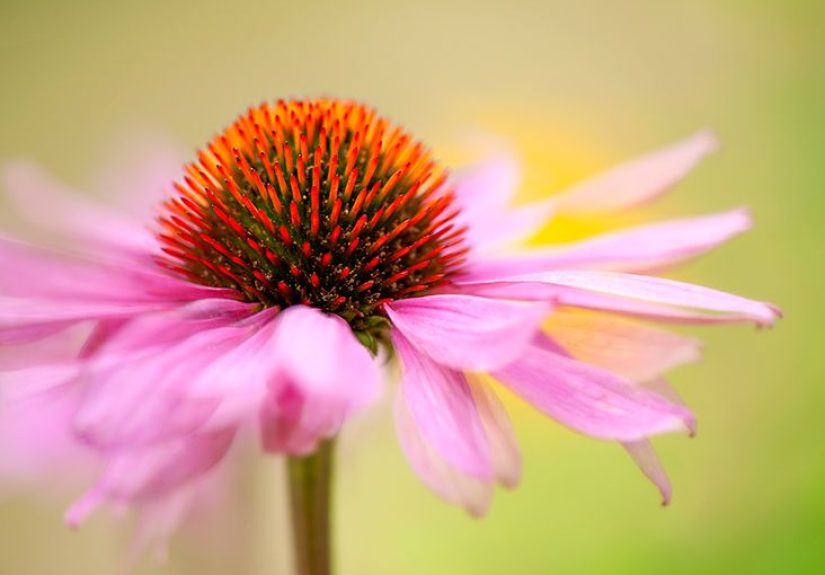
“Echinacea” refers to a group of flowering plants native to North Americaoften called purple coneflower.
Supplements are typically made from the above-ground parts (stems, leaves, flowers) and/or the roots.
The most common species you’ll see on products are Echinacea purpurea, Echinacea angustifolia, and Echinacea pallida.
You’ll find echinacea sold as capsules, tablets, tinctures, liquid extracts, teas, lozenges, and sometimes topical creams.
That variety is part of the reason echinacea research can feel messy: different studies use different species,
different plant parts, and different extraction methodsso results don’t always compare cleanly.
What’s in it that might matter?
Echinacea contains several compounds that researchers pay attention to, including alkamides, caffeic acid derivatives,
polysaccharides, and flavonoids. Depending on the product, these may influence immune signaling, inflammation,
or antioxidant activity. Translation: it’s not one “active ingredient,” it’s more like a bandand different albums
can sound very different.
Top Claimed Benefits and Uses
Echinacea is most commonly marketed for immune support and respiratory infections (especially the common cold),
but you’ll also see it promoted for skin issues and general wellness. Here’s what people use it forand what the evidence
tends to say.
1) Common cold and upper respiratory infections
This is echinacea’s headline act. Many people take it at the first sign of a coldscratchy throat, stuffy nose,
or the classic “uh-oh, I just heard someone sneeze in my direction.”
Research overall is mixed. Some trials and reviews suggest certain echinacea preparations may modestly reduce cold symptom
severity or shorten duration, while others show little to no benefit. When benefits appear, they’re usually small and
may depend heavily on the exact product used, timing (early use seems more plausible than late), and the person’s baseline health.
In other words: echinacea isn’t a magic wand, but it might be a slightly helpful nudge for some people, some of the time.
2) Immune system “support”
Echinacea products are often framed as “immune boosters,” but your immune system is not a phone battery you can just
fast-charge. It’s a complex network that needs balance, not chaos.
The more accurate idea is “immune modulation”echinacea may influence certain immune signals and inflammatory pathways.
That could be relevant during early respiratory infections, but it also helps explain why echinacea isn’t appropriate
for everyone (more on that under safety).
3) Flu, sinus infections, bronchitis, and “anything with mucus”
Echinacea is sometimes used for flu-like illness, sinus symptoms, or lingering cough. Evidence here is less consistent,
and it’s important not to confuse “feels like it helped” with “treats the infection.”
If you have high fever, chest pain, shortness of breath, wheezing, severe facial pain, or symptoms that are worsening
that’s not the time for herbal improvisation.
4) Skin issues and wound support
Less commonly, echinacea shows up in topical products for skin concerns (like irritation, acne, or minor wounds).
Traditional use exists, and lab studies suggest some anti-inflammatory or antimicrobial effects are plausible, but strong
human evidence is limited. If you try a topical product, patch test firstbecause “natural” can still mean “my skin is offended.”
Effectiveness: What the Science Really Says
Let’s be honest: the internet wants a clean yes-or-no answer. Science responds with a gentle shrug and a spreadsheet.
Here’s the most practical way to understand echinacea effectiveness.
Why studies disagree
- Different species and plant parts: Root vs. aerial parts can yield different compound profiles.
- Different extracts: Alcohol extracts, pressed juice, standardized blends, teasthese aren’t interchangeable.
- Different timing: Starting at first symptoms vs. taking it randomly “just in case” may change outcomes.
- Different endpoints: Some studies measure symptom scores, others measure duration, others track incidence.
- Product quality variability: Supplements can vary widely in potency and labeling accuracy.
So, does echinacea work for colds?
The most responsible summary is: echinacea may provide modest benefit for some people, but results are inconsistent,
and it’s not a reliable prevention strategy. If you do notice benefit, it’s more likely to be “my cold felt a bit less miserable”
than “I have conquered viruses.”
Also, a key point that often gets lost: even when echinacea helps, it does not replace proven measures like good sleep,
hydration, hand hygiene, staying home when sick, and appropriate medical treatment when symptoms are severe.
How to Use Echinacea (Without Making It Weird)
There is no single “official” echinacea dosage because products vary. If you choose to use it, these strategies can help you use it
more safely and more rationally.
Forms you’ll see
- Capsules/tablets: Convenient, standardized (sometimes), easy to dose.
- Tinctures/extracts: Often stronger than tea; can be easier to start quickly at symptom onset.
- Tea: Cozy, but potency can be inconsistent depending on steep time and product quality.
- Lozenges/sprays: Used for throat comfort; benefits may be local and temporary.
- Topicals: Used for skin; patch test first.
Timing: when people take it
Many clinicians and research discussions focus on starting echinacea earlyat the first hint of symptomsrather than taking it
indefinitely “for immunity.” Short-term use is generally the pattern studied most often, and it’s also where safety data are more reassuring.
What to look for on a label
- Species listed (e.g., E. purpurea) and plant part (root, aerial, or both).
- Standardization (if provided) and clear Supplement Facts.
- Third-party testing seals (USP, NSF, or other reputable programs) when possible.
- Clear directions and warnings; avoid “proprietary blends” that hide amounts.
Side Effects and Safety Concerns
Echinacea is often well tolerated in the short term, but side effects can happenand a small number of people can have significant allergic reactions.
Here are the issues that matter most.
Common side effects
- Digestive upset: stomach pain, nausea, and other GI symptoms are among the most reported.
- Headache or dizziness: reported in some studies and real-world use.
- Skin reactions: rash or itching, especially in allergy-prone individuals.
Allergic reactions: the big red flag
Echinacea is in the daisy family (Asteraceae). If you’re allergic to ragweed, daisies, marigolds, or chrysanthemums,
you may be more likely to react. Reactions can range from rash to breathing symptoms, and rare severe reactions have been reported.
If someone experiences swelling, wheezing, hives, or trouble breathing, that’s an emergencystop the product and seek urgent care.
Rare but important considerations
Rare reports have linked echinacea to liver injury, although this appears uncommon and not always clearly caused by echinacea itself.
The practical takeaway is simple: if you have liver disease, drink heavily, or take medications that affect the liver,
talk with a clinician before experimenting.
Who Should Avoid Echinacea (or Talk to a Clinician First)
Because echinacea can influence immune signaling, it isn’t automatically a good fit for everyone. Consider extra caution if you:
- Have autoimmune conditions (or a history of immune system overactivity).
- Take immunosuppressant medications (for transplant, autoimmune disease, or other conditions).
- Are undergoing cancer treatment (especially chemotherapy) or have been advised to avoid immune-active supplements.
- Have asthma or severe allergies, especially to the daisy family.
- Are pregnant or breastfeeding (safety evidence is limited and product quality varies).
- Are shopping for a childchildren can be more prone to rashes or allergic reactions, and pediatric guidance varies by region and clinician.
If you take daily prescription medications, the safe default is: ask a pharmacist or clinician. Herbs can interact with drugs,
and echinacea is one of the herbs that gets mentioned in interaction discussions because of potential effects on immune function and liver metabolism.
Drug and Supplement Interactions
Interactions can be hard to predict because echinacea products vary. Still, a few themes show up consistently in credible medical guidance:
Immune-related medications
If you take medications that suppress the immune system, echinacea may not be appropriate because it could theoretically counteract intended effects.
This is especially relevant for transplant recipients and some autoimmune disease treatment plans.
Medications processed by the liver
Some guidance notes potential interactions with drugs metabolized by liver enzymes. Not every study agrees, and effects may be modest,
but the caution is reasonableespecially if you take multiple prescriptions, have liver disease, or use high-dose supplements.
Cancer therapies
Integrative oncology programs often advise caution with echinacea during chemotherapy because of possible interactions and limited clarity on risk/benefit.
If you’re in cancer treatment, do not “DIY” this decisionask your oncology team.
Supplement Quality: The Part Nobody Puts on the Front Label
In the U.S., dietary supplements are regulated differently than prescription and over-the-counter drugs. The FDA does not pre-approve supplements for
effectiveness before they’re sold, and product quality can vary by brand and batch. That doesn’t mean all supplements are shadyit means consumers have
to be smarter shoppers.
How to choose a better echinacea product
- Prefer brands with third-party testing (USP, NSF, or other reputable programs).
- Avoid “kitchen-sink blends” that combine dozens of herbs where you can’t tell what does what.
- Be skeptical of big claims like “prevents flu” or “cures infections.” That’s not how responsible labeling looks.
- Stick to short-term use unless a clinician advises otherwise.
Practical Bottom Line
Echinacea has a long history of traditional use and a solid amount of modern researchyet the results are still inconsistent.
The best evidence suggests it may offer modest help for some cold symptoms or duration, particularly when started early,
but it’s not a guaranteed fix and it’s not a proven cold prevention strategy.
If you’re a generally healthy adult, short-term echinacea use is often tolerated. But if you have significant allergies, asthma, autoimmune disease,
take immunosuppressants, or are undergoing cancer therapy, echinacea is a “talk to your clinician first” item.
When in doubt, your pharmacist is an underrated superhero in a white coat.
Real-World Experiences With Echinacea (What People Commonly Notice)
Here’s the part that doesn’t always show up in clinical abstracts: how echinacea use tends to play out in actual human life,
when people are tired, sniffly, and standing in a pharmacy aisle reading labels like they’re decoding an ancient scroll.
Experience #1: “I took it early and my cold felt lighter.” This is probably the most common positive report:
people start echinacea at the first scratchy throat, and they feel like symptoms never fully “take off.”
Sometimes that’s echinacea helping; sometimes it’s luck, sleep, hydration, and the fact that many colds are naturally mild.
What matters is expectations: if someone expects a dramatic before-and-after, they’re often disappointed.
If they expect a small nudge, they’re more likely to say it “seemed to help.”
Experience #2: “It didn’t do anything, but at least I tried.” Also common. Since cold symptoms fluctuate day to day,
people may not notice a meaningful difference, especially if they start late (like day three, after the virus has already moved in and started paying rent).
This is why timing gets emphasized: if echinacea helps at all, it’s most plausibly during the early immune response.
Experience #3: “My stomach was not a fan.” Digestive complaints are a frequent reason people quit.
Some users report nausea or stomach discomfort, particularly with certain extracts or when taken on an empty stomach.
Many people respond by switching forms (capsule instead of tincture) or ensure they take it with food.
If GI upset happens repeatedly, that’s a good sign to stopbecause “immune support” is not supposed to come with a side of regret.
Experience #4: “I got a rash” (or “my allergies flared”). Allergy-prone individuals are the group most likely to have a memorable experience,
and not in a good way. People with seasonal allergies sometimes notice itching, rash, or worsening allergy symptoms.
That’s consistent with echinacea’s plant family connections and why allergy history matters.
If anyone develops hives, facial swelling, wheezing, or breathing trouble, that’s urgentechinacea is done, full stop.
Experience #5: “It works… but only the expensive one.” People often notice differences between brands.
That doesn’t automatically mean “premium equals effective,” but it does reflect a real issue: supplement quality can vary.
Some products list the species and standardized extract clearly, while others hide behind vague blends.
Consumers who feel benefits often stick with a specific product that’s consistent for thembecause switching brands can feel like switching recipes mid-bake.
Experience #6: “My clinician said no because of my meds.” Another real-life pattern:
someone is eager to try echinacea, then remembers they’re on immunosuppressants, chemotherapy, or multiple prescriptions.
They ask a pharmacist or clinician, and the guidance is cautious. That’s not echinacea being “bad”it’s risk management.
When you’re balancing complex medical conditions, the threshold for “maybe helpful” needs to be higher.
Experience #7: “It became part of my ‘cold protocol.’” Many people use echinacea alongside other comfort-focused habits:
warm tea, humidifiers, saline rinses, rest, and OTC symptom relief. In that context, echinacea is rarely the “hero”
it’s more like a supporting actor. And that’s actually a healthier way to use it: as one optional tool, not the whole plan.
Bottom line from real-world use: echinacea tends to be most appreciated by people who use it short-term, start early,
choose a consistent, reputable product, and keep expectations realistic. It’s least appreciated by people who expect a cure,
take it late, or have allergies, immune conditions, or medication interactions that make it risky.