Table of Contents >> Show >> Hide
In a major development for individuals struggling with atopic dermatitis (AD), a new biologic treatment called Ebglyss has received FDA approval, offering hope for those seeking effective, long-term relief from this chronic, inflammatory skin condition. With AD affecting millions of Americans, the introduction of Ebglyss promises to change the landscape of treatment options, providing both relief and a better quality of life for patients. But what exactly is Ebglyss, and how does it work? Let’s dive deeper into its approval, mechanism, and potential benefits for AD sufferers.
What is Atopic Dermatitis?
Atopic dermatitis is a common chronic condition, often referred to as eczema. It is marked by itchy, inflamed skin that can range from mild to severe. People with atopic dermatitis are at risk of other conditions, such as asthma or hay fever, and it often appears in early childhood, though it can persist into adulthood. The condition can be triggered by various factors, including allergens, irritants, or stress. While there are many treatments for AD, most have limited success or are aimed at short-term symptom relief rather than long-term management.
What is Ebglyss?
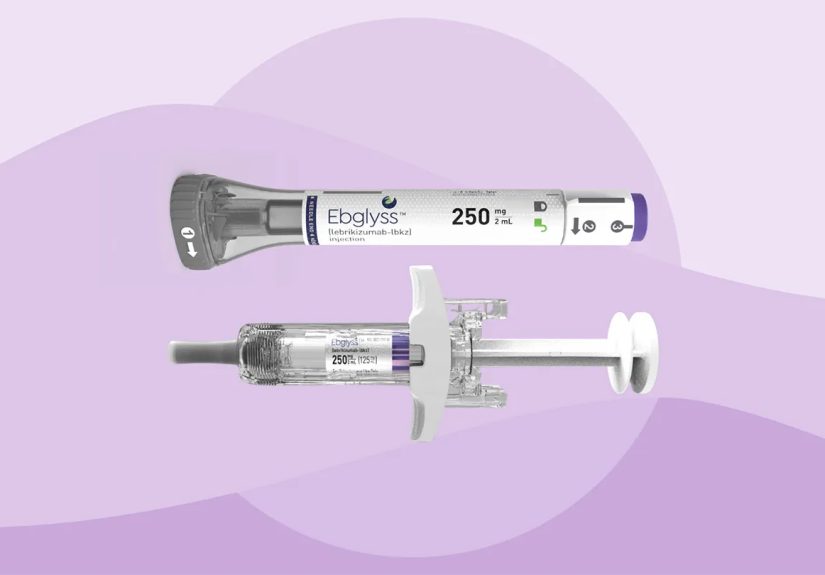
Ebglyss is a novel biologic treatment designed to target the underlying causes of atopic dermatitis. Unlike traditional therapies that focus on managing symptoms, Ebglyss works by modulating the immune system to reduce the inflammation that drives the condition. It is a monoclonal antibody that inhibits a specific protein involved in the inflammatory process. By targeting this protein, Ebglyss prevents the cascade of immune responses that lead to the skin’s characteristic redness, swelling, and itching.
Developed by a biopharmaceutical company with a focus on immunology, Ebglyss has undergone rigorous clinical trials, demonstrating its efficacy and safety in treating moderate-to-severe atopic dermatitis. Its approval by the FDA marks a significant milestone for both the pharmaceutical industry and patients seeking better management of their skin condition.
How Does Ebglyss Work?
Ebglyss belongs to a class of drugs known as biologics, which are engineered proteins that act as specific agents to target and alter biological processes. In the case of atopic dermatitis, Ebglyss works by inhibiting the interleukin-13 (IL-13) pathway. IL-13 is a key cytokine involved in the inflammatory response that contributes to the development and exacerbation of eczema. By blocking IL-13, Ebglyss reduces inflammation, decreases skin lesions, and improves overall skin condition.
In clinical trials, patients treated with Ebglyss showed significant improvements in their symptoms, including reduced itching, skin redness, and the size of eczema patches. Additionally, the biologic has been shown to have a favorable safety profile, with fewer side effects compared to traditional systemic treatments like oral steroids or immunosuppressive drugs.
FDA Approval and Its Implications
The FDA’s approval of Ebglyss for the treatment of moderate-to-severe atopic dermatitis represents a major advancement in the management of the disease. Until now, patients with severe forms of AD often faced limited treatment options, with some turning to systemic therapies that carry risks of serious side effects. Ebglyss, however, offers a targeted approach that directly addresses the inflammatory processes without the broad immune suppression associated with older treatments.
For patients with moderate-to-severe AD who do not respond to topical treatments or other biologics, Ebglyss provides a new hope. By providing a more effective and tailored treatment option, the biologic could help prevent flare-ups and offer a better quality of life. Furthermore, Ebglyss’s once-monthly injection regimen offers convenience, allowing patients to manage their condition with fewer visits to the doctor compared to other treatments that require more frequent administration.
The Benefits of Ebglyss
What sets Ebglyss apart from other treatments for atopic dermatitis is its targeted mechanism of action, which offers several key benefits:
- Improved Efficacy: Clinical trials have shown that Ebglyss significantly reduces the severity of eczema symptoms, providing relief for patients who have not responded to other treatments.
- Better Long-Term Control: Unlike corticosteroids or other systemic treatments that can only provide short-term relief, Ebglyss offers the potential for long-term management of atopic dermatitis.
- Fewer Side Effects: Compared to older medications, such as immunosuppressants, Ebglyss has shown a more favorable safety profile, with fewer systemic side effects.
- Convenience: With a once-monthly injection, patients can avoid frequent doctor visits, making it easier to manage the disease.
Potential Side Effects
Like all biologic treatments, Ebglyss comes with potential side effects. Most patients tolerate the treatment well, but some may experience mild reactions such as injection site reactions, headaches, or upper respiratory tract infections. More serious side effects, such as infections or allergic reactions, are rare but may occur. It is important for patients to discuss their medical history with their doctor before starting treatment to ensure that Ebglyss is safe for them.
The Future of Atopic Dermatitis Treatment
The approval of Ebglyss is a promising step forward in the treatment of atopic dermatitis, but it is only one part of the ongoing effort to improve patient outcomes. As research in immunology and dermatology continues, other biologics and novel therapies are likely to emerge, offering even more options for AD patients. With a growing understanding of the disease and its underlying mechanisms, treatments like Ebglyss will continue to evolve, providing better control and fewer side effects.
Conclusion
The FDA’s approval of Ebglyss is a game-changer for patients with moderate-to-severe atopic dermatitis. This biologic offers a more targeted and effective approach to managing the disease, with fewer side effects and a convenient treatment regimen. As the field of dermatology continues to advance, we can expect even more breakthroughs in the treatment of atopic dermatitis, providing hope for those affected by this chronic condition.