Table of Contents >> Show >> Hide
- First: What “Kidnapped” Symbolizes in Dreams
- How to Interpret Your Dream Without Going Full Detective Board
- 13 Possible Meanings of Dreaming About Being Kidnapped
- 1) You’re feeling trapped by responsibilities (even “good” ones)
- 2) Loss of control: your life feels steered by someone (or something) else
- 3) A relationship is crossing boundaries
- 4) You’re people-pleasing so hard you’ve misplaced your own opinions
- 5) You’re avoiding a difficult decision
- 6) You feel manipulated, pressured, or “cornered”
- 7) Anxiety is running background apps in your brain
- 8) You’re experiencing burnout (your brain is waving a tiny white flag)
- 9) Trauma processing: your brain is replaying danger themes
- 10) You’re consuming scary contentespecially close to bedtime
- 11) Your sleep schedule is off, and REM rebound is amplifying dreams
- 12) You feel unsafe in a specific setting (even if there’s no immediate danger)
- 13) You’re in the middle of a big identity changeand your old self is panicking
- Common Variations and What They Can Suggest
- When a Kidnapping Dream Is “Just a Dream”… and When to Pay Attention
- What to Do After a Kidnapping Nightmare (Practical, Not Woo-Woo)
- FAQ: Quick Answers People Google at 2:00 a.m.
- Real-Life Experiences People Commonly Report (500+ Words)
- Conclusion
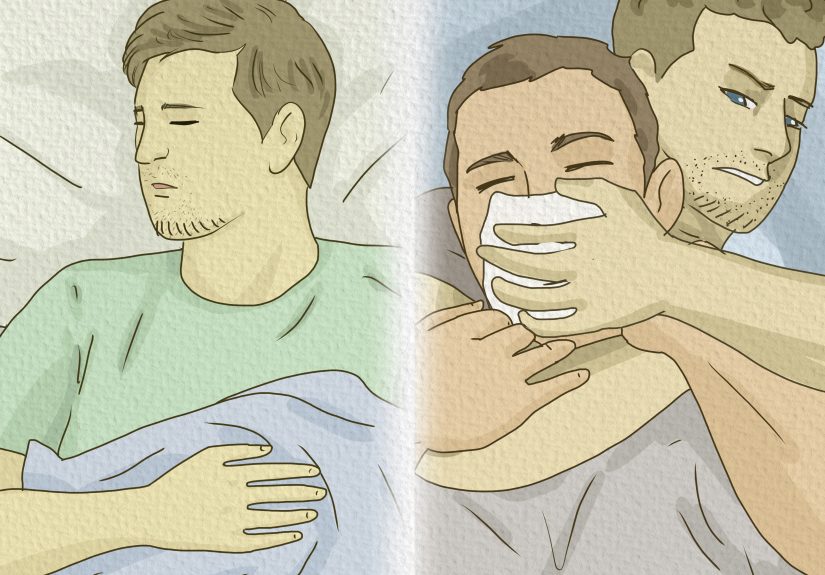
You wake up sweaty, heart racing, mentally drafting an action-movie escape plan… and then you remember: you were asleep the whole time. Still, a dream about being kidnapped can feel disturbingly real. The good news is that most dreams aren’t “predictions.” They’re more like your brain’s late-night group chat: messy, dramatic, and trying to process emotions with the subtlety of a marching band.
In modern sleep science, distressing dreams and nightmares are often linked with stress, anxiety, irregular sleep, certain medications or substance changes, and sometimes trauma. So when “kidnapping” shows up as a plotline, it often points to themes like control, fear, pressure, boundaries, and powerlessnessnot a literal event. Below are 13 grounded, psychology-informed possibilities, plus how to read the details and what to do if the dream keeps coming back.
First: What “Kidnapped” Symbolizes in Dreams
Kidnapping is an extreme loss-of-control scenario: someone else decides where you go, what you do, and whether you’re safe. That’s why kidnapping dreams commonly cluster with other nightmare themes like helplessness, aggression, and being chased. In dream language, “kidnapped” is often shorthand for “I don’t feel in charge of my life right now.”
How to Interpret Your Dream Without Going Full Detective Board
Before you assign meaning, zoom in on a few details. They’ll change the “message” more than the kidnapping itself:
- Who was the kidnapper? A stranger can signal vague anxiety; a known person can hint at a specific relationship dynamic or conflict.
- Where were you taken? A workplace, home, car, or basement often maps to where you feel stuck or pressured.
- Did you resist, freeze, bargain, or escape? Your reaction can reflect your current coping style: fight, flight, freeze, or fawn.
- Were you rescuing someone? That can shift the theme from “loss of control” to “over-responsibility.”
- How did it end? Waking at peak fear can indicate a nightmare spike; resolving the dream may suggest your brain is working through a problem.
13 Possible Meanings of Dreaming About Being Kidnapped
1) You’re feeling trapped by responsibilities (even “good” ones)
Kidnapping dreams often appear during seasons of overload: parenting, caregiving, crunch-time deadlines, or a calendar that looks like it lost a fight with a highlighter. The dream may mirror the feeling that your time and choices have been “taken.”
Example: You’re kidnapped on the way to work and keep saying, “I can’t be late!” even while tied up. Classic brain behavior.
2) Loss of control: your life feels steered by someone (or something) else
If you’re navigating layoffs, health uncertainty, immigration paperwork, legal issues, or a chaotic organizational change, the kidnapping plot can represent external forces calling the shots. It’s your mind dramatizing “I didn’t choose this.”
3) A relationship is crossing boundaries
Sometimes “kidnapping” symbolizes emotional enmeshment, coercion, or a relationship that feels possessive or controlling. This doesn’t mean your partner is literally dangerousdreams speak in metaphorsbut it can be a nudge to re-check boundaries.
Clue: The kidnapper is someone you know, and the dream includes guilt, obligation, or “You have to come with me.”
4) You’re people-pleasing so hard you’ve misplaced your own opinions
If you’ve been saying yes when you mean maybe (or no), your mind may stage a kidnapping narrative to express how it feels: “My voice doesn’t count.” The dream can be an emotional protest sign with legs.
5) You’re avoiding a difficult decision
Kidnapping dreams can appear when you’re stuck between two options and afraid of choosing “wrong.” Being kidnapped removes responsibility: you don’t choose; something happens to you. This can be your brain temporarily outsourcing the decision-making.
6) You feel manipulated, pressured, or “cornered”
Workplace politics, family dynamics, sales pressure, or social expectations can all trigger dreams of coercion. If the dream includes bargaining (“If I do this, can I go?”), it may reflect real-life negotiations you feel forced into.
7) Anxiety is running background apps in your brain
Anxiety dreams don’t always look like obvious panic; sometimes they show up as uneasy scenarios that leave you unsettled. Kidnapping is a high-intensity version: heightened vulnerability, racing thoughts, and the sense that danger could happen fast.
8) You’re experiencing burnout (your brain is waving a tiny white flag)
Burnout often includes feeling powerless, emotionally depleted, and “stuck in the machine.” Kidnapping dreams can reflect that loss of agency. If you’re also sleeping poorly, stress dreams and nightmares may become more frequent and vivid.
9) Trauma processing: your brain is replaying danger themes
For some people, kidnapping dreams are part of how the mind processes past fearespecially if there’s a history of trauma, harassment, assault, or unsafe environments. The dream may not replicate a real event but can carry the same emotional signature: helplessness, hypervigilance, or body-level panic.
If nightmares are frequent, intense, or linked with trauma symptoms, it may help to talk with a clinician. Evidence-based approaches (like imagery rehearsal therapy) are often used for nightmare disorder and trauma-related nightmares.
10) You’re consuming scary contentespecially close to bedtime
True crime, thriller binges, disturbing news cycles, or doomscrolling can feed the brain vivid imagery. Your mind may remix it into a kidnapping storyline, especially if you fall asleep anxious. If the dream started after a content binge, your “meaning” might simply be: please stop watching that at 11:47 p.m.
11) Your sleep schedule is off, and REM rebound is amplifying dreams
Nightmares and vivid dreams can be more likely with sleep deprivation, irregular sleep, or REM rebound (when your body “catches up” on REM after disrupted sleep). Changes in certain medications or substances can also affect REM and dream intensity. If your kidnapping dreams appeared during a period of poor sleep, travel, shift changes, or medication adjustments, the trigger may be physiological as much as psychological.
12) You feel unsafe in a specific setting (even if there’s no immediate danger)
“Unsafe” doesn’t always mean “actual threat.” It can mean you feel judged, exposed, lonely, or unsupported. If the dream happens in a familiar place (a campus, office, neighborhood, childhood home), it may spotlight where you feel emotionally unprotected.
13) You’re in the middle of a big identity changeand your old self is panicking
Starting a new job, leaving a relationship, moving, becoming a parent, going back to school, coming out, getting sober, facing a health diagnosis big transitions can trigger dreams that dramatize the fear of losing yourself. “Kidnapping” can symbolize, “I’m being taken away from who I used to be.”
When this is the theme, the dream can actually be a sign of growth. It’s uncomfortable, but it may mean your mind is integrating a new chapter.
Common Variations and What They Can Suggest
- You escape: You’re building agency. Even if you feel stuck awake, part of you is practicing solutions.
- You can’t scream or move: This can reflect helplessness, but it can also overlap with sleep paralysis sensations for some people.
- Someone else is kidnapped: Often tied to protectiveness, guilt, or feeling responsible for others’ well-being.
- You are the kidnapper (yes, it happens): Sometimes reflects suppressed anger, control issues, or fear that you’re “forcing” a situation in life.
- Repeated kidnappings: Recurrence often points to a repeating stressor or unresolved conflict.
When a Kidnapping Dream Is “Just a Dream”… and When to Pay Attention
Most people have occasional nightmares or stress dreams. Consider getting extra support if your dreams: keep waking you up, make you afraid to sleep, occur frequently over time, or interfere with daytime functioning. In those cases, talking with a healthcare provider, sleep specialist, or mental health professional can help.
What to Do After a Kidnapping Nightmare (Practical, Not Woo-Woo)
Do a 60-second reset
- Turn on a light, sip water, and name five things you can see.
- Remind yourself: “That was a dream. I’m safe in this room.”
- Try slower breathing (longer exhale than inhale) to downshift your nervous system.
Use a “dream translation” journal prompt
Write three quick lines:
- Emotion: What did I feel most strongly?
- Theme: Where in real life do I feel something similar?
- Need: What would help me feel more in control this week?
Try imagery rehearsal (a science-backed nightmare tool)
A common therapy technique for recurring nightmares is to rewrite the ending while awake. Pick a kinder, safer outcomeescape, help arrives, you unlock the door, you gain superhuman locksmith skillsthen rehearse that version briefly each day. It can feel cheesy. It can also be surprisingly effective for some people.
Check your sleep inputs
- Sleep schedule: Aim for consistency when possible.
- Stress load: Nightmares often increase during stressful periods.
- Substances/meds: If dreams changed after a medication or substance change, ask your clinician whether it could be related.
- Content diet: If you watch scary content, consider moving it earlier in the day (or swapping it for something less “kidnap-y”).
FAQ: Quick Answers People Google at 2:00 a.m.
Does dreaming about being kidnapped mean I’m in danger?
Usually, no. Most often it reflects emotional themes like control, stress, fear, or boundaries. If you have real-world safety concerns, take them seriously in real lifebut don’t treat the dream itself as proof.
Why did this dream feel so vivid?
Vivid dreams and nightmares can be more likely during stress, sleep disruption, irregular schedules, and certain medications or substance changes. REM-related factors (like REM rebound after sleep loss) can also intensify dreams.
How do I stop recurring kidnapping dreams?
Start with basics: consistent sleep, stress reduction, and limiting scary content near bedtime. If the dream repeats, consider imagery rehearsal. If nightmares persist or disrupt your life, talk with a cliniciantreatments exist.
Real-Life Experiences People Commonly Report (500+ Words)
Because kidnapping dreams are emotionally loud, people often describe them in vivid detailand what stands out is how often the “plot” matches daily life pressure, not real-world danger. Here are a few common experience patterns people report, framed as examples of how the same dream theme can show up for different reasons. If you recognize yourself, think of it as a hintnot a verdict.
The Overbooked Professional: One person describes dreaming they’re forced into a van while clutching a laptop and repeating, “I have a meeting.” The kidnapper isn’t even angry; they’re impatient, like a manager. When this person looks at their schedule, they realize they haven’t had a true day off in weeks. The dream isn’t about a vanit’s about being owned by the calendar. Their takeaway isn’t “learn self-defense,” but “learn to say no,” and they start by blocking an hour of quiet time every afternoon.
The People-Pleaser: Another person dreams a friend “kidnaps” them from their own home for a surprise party they never wanted. The dream feels absurd, but the emotion is familiar: they’ve been agreeing to plans that drain them, then feeling resentful afterward. After a few repeats, they experiment with one small boundarydeclining a weekend event without over-explaining. The kidnapping dreams fade, replaced by less dramatic dreams where they simply… go home when they want. (Imagine that.)
The Caregiver or New Parent: Some caregivers report dreams where they’re kidnapped and can’t reach the person they’re responsible for. The panic isn’t only fearit’s guilt. In waking life, caregiving can bring constant vigilance and the sense that if you’re not available, something could go wrong. In these cases, the dream may be your mind begging for relief, rest, and shared support. Even small changesasking someone else to take one task, scheduling a short break, or talking through the anxietycan reduce the frequency.
The Person in a Transition: People starting new jobs, moving, or leaving a relationship sometimes report being “taken” to unfamiliar places. The dream can include confusion, wrong turns, or a feeling of being watched. In waking life, transitions can feel like losing your usual identity anchors. The dream becomes a dramatic metaphor for uncertainty: “I don’t know who I am in this new chapter yet.” When they build a few routinessame morning walk, consistent bedtime, a weekly check-in with a friendtheir dreams often become less threatening.
The Trauma Survivor: Some people experience kidnapping dreams that carry a deeper bodily fear: the dream is not symbolic in a casual way; it echoes the nervous system’s memory of danger. They may wake with pounding heart, sweating, and a sense of dread that lingers all day. In these cases, people often report improvement when they work with a trauma-informed therapist and use targeted nightmare strategies like rescripting (rewriting the dream’s ending), relaxation skills, and addressing sleep disruption. The goal isn’t to “interpret” the dream perfectly; it’s to help the body learn, repeatedly, that the present is safer than the past.
Across these experiences, the consistent thread is this: kidnapping dreams frequently track with agency. When people feel more choice, better rest, and clearer boundaries, the dream’s intensity often drops. If your brain is staging a hostage scene, it may not be forecasting the futureit may be underlining a simple request: “Can we please get our life back?”
Conclusion
Dreaming about being kidnapped can be terrifying, but it’s often your mind translating stress, loss of control, boundary pressure, or trauma-related fear into a dramatic story. Look at the details, identify what feels “taken” in your waking life, and try practical steps like sleep consistency, stress reduction, and imagery rehearsal. If nightmares are frequent, persistent, or disruptive, professional help can make a real differencebecause you deserve sleep that doesn’t feel like an action thriller.