Table of Contents >> Show >> Hide
- What Makes a Firepit “Down Home Southern”?
- Plan It Like a Pro: Location, Rules, and Real-World Common Sense
- Choose Your Firepit Type: Wood, Smokeless, or Gas
- DIY Build Basics: The Southern-Style Firepit That Looks Like It Belongs
- Design It Like an Outdoor Living Room
- Firepit Food: Simple Southern Favorites
- Firepit Safety Checklist (The Part That Keeps the Fun… Fun)
- Cleaner, Kinder Fires: Less Smoke, Less Fuss, Better Nights
- Common Problems (and How to Fix Them Without Losing Your Cool)
- Wrap-Up: The Real Goal of a Down Home Southern Firepit
- Down Home Southern Firepit Experiences (Real Moments That Make It Worth It)
A Down Home Southern Firepit isn’t just a hole with flames doing jazz hands. It’s a whole mood: front-porch hospitality,
backyard comfort, and the kind of easy conversation that starts with “Y’all want another marshmallow?” and ends two hours later with
someone telling the best story you’ve heard all week.
Whether you’ve got a tiny patio, a sprawling yard, or a “half-grass-half-hope” outdoor space, the right firepit setup can turn it into a
warm, welcoming hangout. This guide covers style, planning, fuel choices, DIY build basics, and safetywith enough Southern flavor
to make your backyard feel like a weekend at Grandma’s (minus the pressure to eat a third helping… okay, maybe not minus that).
What Makes a Firepit “Down Home Southern”?
Southern style isn’t about being fancy. It’s about being inviting. A Southern backyard fire pit feels collected, practical, and
comfortablelike it’s been there for years even if you built it last Saturday.
1) Materials that feel warm and familiar
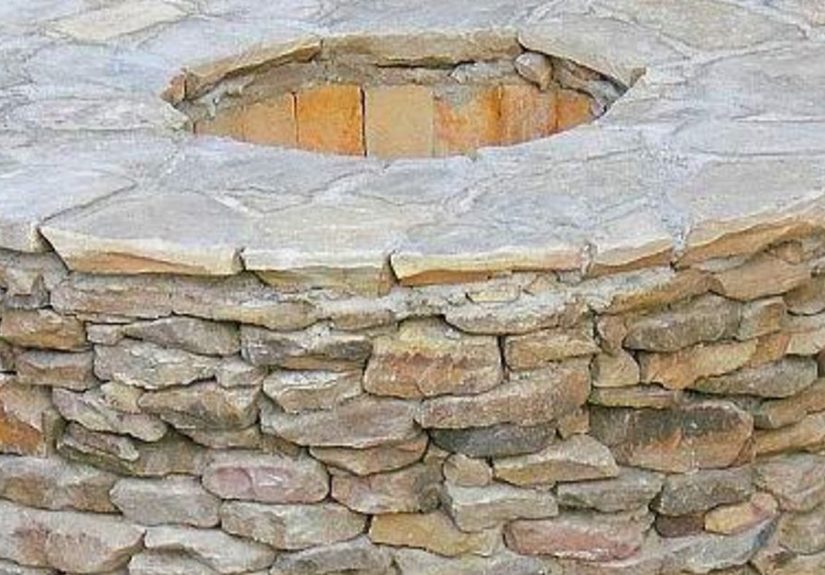
- Brick, stone, or pavers in earthy, sunbaked tones (think clay, limestone, river rock, or reclaimed brick).
- Cast iron accessories that can take heat and look good doing it (grates, kettles, Dutch ovens).
- Reclaimed touches like a vintage metal bucket for kindling or a weathered bench that tells a story.
2) A “circle up and stay awhile” layout
The best firepits are designed for talking. That means seating that naturally forms a circle or a soft U-shape, with enough space to move
around without doing the awkward “excuse me, pardon me, sorry, oopshot!” shuffle.
3) Comfort that doesn’t try too hard
- Outdoor pillows that say “sit down” instead of “museum exhibit.”
- Throws or quilts for chilly nights (bonus points for plaid or faded florals).
- Lanterns, pathway lights, or soft string lightingplaced safely away from heat.
Plan It Like a Pro: Location, Rules, and Real-World Common Sense
Fire is fun, but it’s also… fire. Before you build or buy anything, plan your placement like someone who enjoys both coziness
and a non-smoky, non-emergency evening.
Know your local rules first (seriously)
Firepit rules vary by city, county, and neighborhood. Some places allow small recreational fires; others require permits; some have seasonal
burn bans or “no-burn” air quality days. If you live in an HOA community, you may also have extra restrictions.
A practical rule of thumb: give structures plenty of distance. Some widely used fire code guidance sets separation distances like
25 feet for recreational fires and 15 feet for portable outdoor fireplacesbut local rules can be stricter.
In certain jurisdictions following stricter standards, required distances can be larger. Always check what applies where you live.
Pick a safer spot with less smoke drama
- Choose a level, noncombustible surface (concrete, gravel, stone, or properly built pavers).
- Avoid overhangs: low tree branches, pergola ceilings, and anything else that could heat up or catch an ember.
- Mind the wind: position the pit so smoke tends to drift away from the house and neighbor hangouts.
- Plan a safety zone: keep a clear ring around the pit where nobody stores cushions, firewood stacks, or décor.
If you’re a teen or you’re building for a family space: the smartest move is to design it so an adult can supervise easily,
and everyone can keep a respectful distance without feeling like they’re exiled to the yard’s edge.
Choose Your Firepit Type: Wood, Smokeless, or Gas
The “best” firepit depends on your goals. Do you want crackle and nostalgia? Fast, clean flames? Cooking potential? Less smoke?
Here’s how the main options stack up.
Wood-burning: classic, crackly, and cook-friendly
A wood firepit is the traditional pick for a down-home vibe. You get the sound, the smell, and the full experienceplus easy cooking with a
grate or Dutch oven.
- Pros: authentic ambiance, great for roasting and outdoor cooking, no gas lines required.
- Cons: more smoke, sparks/embers, ash cleanup, and you need dry, seasoned wood.
Smokeless fire pits: less smoke, still real flames
Smokeless models (often double-wall designs) burn more efficiently by re-burning some smoke. You still need safe placement, adult supervision,
and proper fuel. “Smokeless” doesn’t mean “risk-free”it just means your guests won’t spend the whole night playing musical chairs to dodge smoke.
Propane or natural gas: clean, convenient, and neighbor-friendly
Gas fire pits are easy: flip a switch or turn a knob, enjoy the flame, then shut it down when you’re done. They’re popular for patios, smaller yards,
and places where smoke is a problem.
- Pros: minimal smoke, less mess, fast start/stop, easier for regular use.
- Cons: higher upfront cost, fuel logistics (propane tank or gas line), and safety standards matter.
If you’re installing a built-in gas unit or running a gas line, it’s wise to use a qualified professional. Gas appliances are not the place to “wing it.”
A special warning about alcohol or liquid-burning tabletop fire pits
Some small tabletop fire features that use liquid alcohol fuels have been associated with serious hazards. Safety agencies have warned about
dangerous flame behavior (“flame jetting”) and burn injuries linked to certain designs. If you want tabletop ambiance, look for safer, compliant products
and follow manufacturer instructions to the letter.
DIY Build Basics: The Southern-Style Firepit That Looks Like It Belongs
If you want that “it’s always been here” look, the secret is structure: a solid base, heat-appropriate materials, and a finish that matches your home’s
outdoor vibe. The two most common approaches are a block-and-ring build or a more permanent masonry build.
Option A: The classic block ring with a metal insert
This is the sweet spot for most DIYers: sturdy, budget-friendly, and easy to style.
- Mark your circle. Use spray paint or a string line to outline the firepit diameter, plus space for a seating ring.
- Excavate and level. Remove sod and dig down to create a stable base. Take your time herelevel is everything.
- Add a gravel foundation. Compact a layer of drainage gravel to help with stability and water management.
- Set your first course carefully. The first ring of blocks should be level all the way around.
- Use a steel ring or fire-rated insert. This protects the blocks from direct heat and helps the pit last longer.
- Finish with a cap. Capstones create a clean edge for resting a mug of cocoa (or sweet tea, depending on the season).
Pro tip: If you’re building on grass, consider a surrounding patio area with pavers or gravel so people aren’t balancing camp chairs on uneven turf.
Your ankles will thank you.
Option B: Stone-and-mortar “forever” firepit
For a more permanent feature, use heat-appropriate construction methods: fire-rated materials where needed and designs that handle heat expansion.
Many durable masonry firepits incorporate firebrick liners or metal inserts to protect the outer structure from repeated high heat.
Option C: A kit that looks custom
If you want the look without the math, a quality firepit kit can be a great compromise. You can still customize the seating, lighting, and accessories
to make it feel truly Southern and personal.
Design It Like an Outdoor Living Room
The firepit is the heart. The “Down Home” feeling comes from what you build around it.
Seating that invites conversation
- Adirondack chairs are a classic for a reasoncomfortable and durable.
- Benches fit more people and feel communal (also great for kids with adult supervision).
- Low seat walls around the pit can double as extra seating in a pinch.
Keep seating far enough back that guests aren’t roasting like corn on a grill. A comfortable distance is usually several feet back from the flame,
and you’ll want a clear walkway so nobody trips in the dark.
Lighting that’s charming, not hazardous
- Use path lights to prevent trips.
- Place lanterns on tables away from the fire’s heat.
- If you use string lights, keep them well away from the firepit area and never directly over open flames.
Southern-style finishing touches
- A galvanized tub for drinks on ice.
- A small side table for skewers, napkins, and s’mores supplies.
- Outdoor-safe pillows and a basket of folded throws for cool evenings.
Firepit Food: Simple Southern Favorites
A Southern firepit night isn’t complete without something to snack on. Keep it easy, safe, and crowd-friendly.
Firepit-safe snack ideas
- Classic s’mores (plus upgrades: peanut butter cups, sliced strawberries, or a sprinkle of cinnamon sugar).
- Skewered sausages or hot dogs cooked over a grate (use long tools and heat-resistant gloves).
- Foil packet potatoes with butter and seasoningset near coals, not in towering flames.
Cast iron “Southern comfort” moves
If you have a stable cooking grate and adult supervision, cast iron can turn a firepit into a tiny outdoor kitchen. Think skillet cornbread,
warm fruit cobbler, or roasted nuts with a bit of sugar and spice. The key is stability: no wobbly setups, no rushing, and always use proper tools.
Firepit Safety Checklist (The Part That Keeps the Fun… Fun)
A great firepit night ends with happy guests, not chaos. Use this checklist every timeespecially if kids or teens are around.
- Check local rules for burn bans, wind advisories, and permitted fire sizes.
- Place the firepit well away from structures, fences, and anything combustiblefollow your local code and manufacturer guidance.
- Use a stable, noncombustible base like gravel, stone, concrete, or properly installed pavers.
- Keep a safety tool nearby: hose, bucket of water, sand, or a fire extinguisher.
- Skip gasoline and other accelerants. Start fires safely with appropriate kindling or approved starters.
- Burn clean fuel: dry, seasoned woodnever trash, plastic, or treated/painted lumber.
- Use a spark screen for wood fires when possible to reduce flying embers.
- Supervise at all times. Don’t leave a fire unattended, even if it looks “mostly out.”
- Extinguish completely: douse, stir, and douse again until cold to the touch.
If you’re under 18, treat firepit time like driving a car: it’s a grown-up responsibility. Have an adult present, follow the rules, and keep it safe.
Cleaner, Kinder Fires: Less Smoke, Less Fuss, Better Nights
Want that cozy glow without smoking out the whole block? A few habits make a big difference:
Use seasoned wood and burn it hot
Dry, seasoned wood burns more efficiently and produces less smoke. If your logs hiss, steam, or smell sour, they’re probably too wet.
Use smaller splits, good airflow, and a hotter fire rather than a smoky pile of half-lit wood.
Don’t burn questionable stuff
Painted, stained, or pressure-treated wood can release nasty chemicals when burned. Trash and plastics are also a no-go. Keep your firepit fuel simple:
clean wood or approved gas.
Buy local firewood when possible
Moving firewood long distances can spread invasive pests that harm trees. If you’re buying wood, try to get it near where you’ll burn it.
It’s one of those “small habit, big impact” choices.
Common Problems (and How to Fix Them Without Losing Your Cool)
Problem: Smoke follows you like it’s emotionally attached
- Likely cause: wet wood or poor airflow.
- Fix: use seasoned hardwood, build a looser stack, and avoid smothering the flames with giant logs too soon.
Problem: Too many sparks and popping
- Likely cause: softwoods (like pine) or damp wood.
- Fix: switch to seasoned hardwood and use a spark screen.
Problem: The firepit looks great… but nobody’s comfortable
- Likely cause: seating too close, not enough walking space, or no side tables.
- Fix: pull chairs back, create a clear path, and add small tables for drinks and snacks.
Wrap-Up: The Real Goal of a Down Home Southern Firepit
A Down Home Southern Firepit is really a gathering place disguised as a backyard feature. When it’s planned safely and styled with comfort
in mind, it becomes the easiest way to turn a regular evening into something memorableno fancy agenda required.
Start with smart placement and safe fuel. Build a sturdy base. Add seating that makes people want to stay. Then bring out the snacks, the stories, and
the kind of warm light that makes everything feel just a little more peaceful.
Down Home Southern Firepit Experiences (Real Moments That Make It Worth It)
If you ask folks what they remember most about a good backyard firepit, they usually don’t start with the brand of pavers or the exact flame height.
They start with the moments. Like the way the conversation gets softer once the sun drops, or how even the quietest person in the group
suddenly has a story when they’ve got a warm drink in hand and a front-row seat to the glow.
One of the most classic “Southern firepit” scenes is the unofficial family reunionwhere nobody sent invitations, but somehow everyone ends up there.
Someone brings out extra chairs from the garage. Somebody else shows up with a bowl of something delicious in a container you’re never getting back.
The fire becomes a center point that makes it natural to circle up, relax, and talk without staring at a TV. The best part? It doesn’t matter if the
yard is perfectly landscaped. Firelight is very forgiving, and so are good people.
Then there’s the football-season firepit night, where the game is on inside, but the real party is out back. Folks wander in and out,
checking the score, grabbing snacks, and returning to the warmth like the firepit is the “home base.” This is where a well-designed setup shines:
side tables for plates, a clear walkway so nobody trips, and seating that stays comfortable even after the first hour. It’s also where you learn a very
practical truth: the more convenient the firepit is to start and manage, the more often it gets used. That’s why so many people love gas or smokeless
options for weeknightsless effort, same cozy payoff.
Another down-home staple is the neighbors-who-become-friends effect. A firepit has a funny way of making your backyard feel open and
welcoming without you having to do much. The warm light signals “come say hey” in a way porch lights never quite manage. Of course, this is also where
good firepit etiquette matters: keep smoke from drifting into someone’s open windows, wrap things up at a reasonable hour, and don’t burn anything that
smells like a chemistry experiment. When you respect the shared air, the firepit becomes a community builder instead of a complaint generator.
And if you’ve ever hosted kids or teens around a firepit, you already know it’s basically a magnet for attentionmarshmallows, glow, and “can I poke
it?” energy all in one place. The experience teaches the value of structure: adults supervising, a clear “no-go” zone close to the flame,
long tools instead of short sticks, and a plan for putting the fire out completely. When it’s set up right, it’s one of the safest ways to let younger
family members enjoy the traditionbecause the rules are clear and the space is designed to support them.
Finally, there’s the quiet version: the “just us” night. Two chairs, a small controlled fire, maybe soft music in the background, and a sky full of stars.
In the South, evenings can be humid or brisk depending on the season, but a firepit has that steadying presence that makes you slow down. It becomes a
ritualsomething you look forward to at the end of a long week. And that’s the real magic of a Down Home Southern Firepit: it’s not just a feature you
install. It’s a habit you build. One that turns ordinary time into the kind of memory that sticks.