Table of Contents >> Show >> Hide
- What Is a Welcome Wagon Cart, Exactly?
- Domestic Science, But Make It Modern
- The Original Welcome Wagon: A Quick American Backstory
- Why a Cart Beats a Basket
- Build Your Own Welcome Wagon Cart: The Domestic Science Method
- Five Stocking “Menus” (Pick One and Look Like a Genius)
- Etiquette That Won’t Make You the Neighborhood Jump-Scare
- Style & Setup: Make It Look Intentional (Without Trying Too Hard)
- The Science Part: Safety, Hygiene, and Common Sense
- Why This Works: A Cart Is Basically Community Infrastructure
- Extra : “Cart Stories” (What Real Life Welcoming Feels Like)
- Conclusion: Your Home Can Be Friendly on Purpose
There are two kinds of “welcome” in the world: the kind that lives in your heart, and the kind that lives in a tote bag next to a bottle opener. A Welcome Wagon Cart is where those two finally shake hands.
In the old-school American imagination, the “welcome wagon” meant a friendly knock at the door, a quick introduction, and a small bundle of practical goodies that made a new place feel less like “Where is the light switch?” and more like “Okay, I can do this.” Today, we’re busier, more scheduled, and occasionally allergic to surprise social interactionbut the craving for being included hasn’t gone anywhere.
Enter: Domestic Science, the art of applying a little logic, a little empathy, and a little organization to everyday living. Not the fussy kind. The useful kind. The kind that says, “Let’s make welcoming people easy enough that we actually do it.”
What Is a Welcome Wagon Cart, Exactly?
A Welcome Wagon Cart is a rolling, ready-to-go hospitality stationpart gift basket, part portable concierge desk, part “I thought of you” on wheels. It can live by your entryway, in the kitchen, or wherever you keep the good pens. When someone new shows up (new neighbor, houseguest, new roommate, visiting family, babysitter, dog walker, delivery hero), the cart helps you respond like a functional adultwith warmth and without panic.
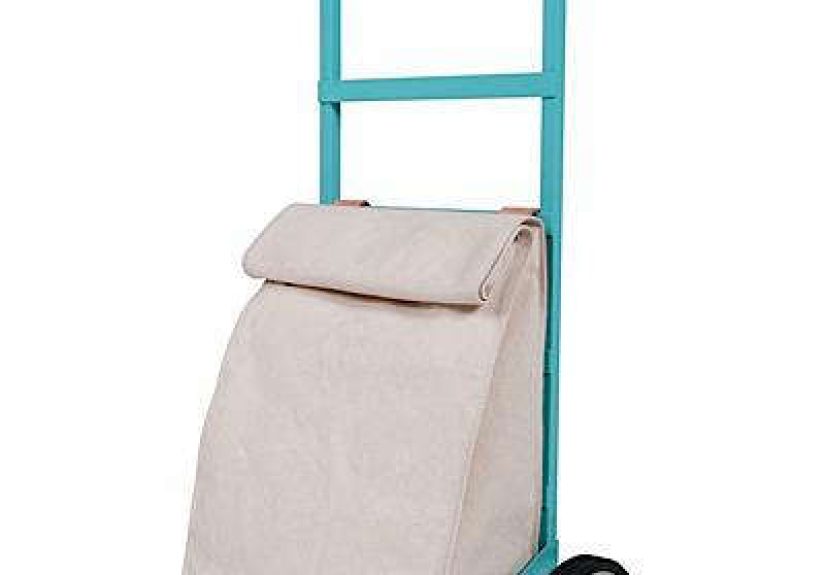
The phrase also nods to a specific design object that made the idea feel stylish: a seafoam-colored cart sold through Creatures of Comfort and featured by Remodelista under “Domestic Science.” The original product was a metal-frame wagon with a leather-wrapped handle, a removable canvas sack (that could be worn as a backpack), and even a little braking leg at the basebecause nothing says hospitality like preventing your gifts from rolling into traffic. It was delightfully specific, and yes, it has since been discontinued. But the concept is evergreen: a beautiful system for showing up for people.
Domestic Science, But Make It Modern
“Domestic science” isn’t a cute Pinterest phrase that appeared out of nowhere. In the U.S., it grew from the idea that home lifecooking, cleaning, sanitation, nutrition, budgeting, and household managementcould be improved with actual research and practical education. Think: less “mysterious casserole fumes,” more “repeatable results.”
Early leaders helped shape what became known as home economics, pushing for better public health, safer food, and smarter household systems. A century later, we can update the mission without losing the point: make daily life easier, healthier, and kinder.
A Welcome Wagon Cart is domestic science in action: a simple, reusable setup that reduces friction and increases friendliness. It turns “We should welcome them sometime” into “I can do that in five minutes without searching for tape.”
The Original Welcome Wagon: A Quick American Backstory
The Welcome Wagon started in the late 1920s as a very American blend of hospitality and local-business marketing. Friendly representatives visited newcomers with gift baskets that included small items and coupons from area merchants. The visits eventually evolvedlife got busier, schedules got packed, and the tradition shifted to mail and other formats.
Here’s the part worth stealing (in the ethical sense): the best version of the welcome wagon wasn’t the coupons. It was the orientationthe sense that someone had your back when you landed in a new place.
Why a Cart Beats a Basket
1) Mobility = fewer excuses
A basket is a one-time gesture. A cart is a repeatable gesture. It rolls to the door, to the guest room, to the lobby, to the backyard gathering. Hospitality shouldn’t require heavy lifting.
2) Systems scale better than inspiration
Domestic science loves a system. You can restock a cart in “modules” (snacks, info, comfort, tools) rather than reinventing the whole thing every time.
3) It’s customizable without being complicated
A cart can be minimalist (one shelf, a note, and a couple of essentials) or fully loaded (maps, treats, local recommendations, and a tiny plant that makes everyone feel emotionally supported).
Build Your Own Welcome Wagon Cart: The Domestic Science Method
Step 1: Choose your “vehicle”
Your cart can be a bar cart, a utility cart, a rolling kitchen island, a vintage tea trolley, or a sturdy basket on a bench. The best cart is the one you’ll actually use. Look for:
- Easy-to-clean surfaces (because life happens)
- Stable wheels (no wobbly shopping-cart energy)
- At least two zones (top = greeting, bottom = supplies)
Step 2: Create three “welcome zones”
- Human zone: a note, a small treat, a friendly intro
- Information zone: local tips, Wi-Fi, house basics, or neighborhood details
- Rescue zone: the things people need when they’re tired, new, or mildly overwhelmed
Step 3: Stock by category, not by mood
Mood says “Maybe a candle?” Category says “What problem am I solving?” Aim for items that reduce stress: nourishment, comfort, clarity, and a tiny bit of delight.
Step 4: Write one reusable note template
Keep a stack of small cards and a pen that works (a shockingly rare luxury). Your base script:
“Hi! We’re [Name(s)] from [house/apartment]. Welcome! If you need anythingdirections, a recommendation, or a spare batterywe’re around. No pressure to respond right away. Moving is a lot.”
Step 5: Rotate seasonally
Domestic science is not about perfection. It’s about maintenance. Swap items every couple months: summer water + sunscreen, winter cocoa + hand cream, spring allergy-friendly treats, fall local events.
Five Stocking “Menus” (Pick One and Look Like a Genius)
Menu A: New Neighbor Cart
- A short welcome note with your name + how to reach you
- Local takeout menus or a mini “favorites list” (coffee, pharmacy, hardware store)
- Something snackable and sealed (cookies are sweet; packaged is safer)
- A small plant or cut flowers (simple, cheerful, not too intense)
- A “first-night” helper: tea bags, instant coffee, or a couple sparkling waters
Pro tip: include information even more than stuff. New places are confusing. You’re basically offering them a cheat code.
Menu B: Houseguest Cart (Guest Room Concierge)
- Wi-Fi name/password card (people will pretend they remember; they do not)
- Travel-size toiletries (toothpaste, wipes, lotion)
- Water bottles + a couple shelf-stable snacks
- Phone charger options (label them like you run a tiny airport lounge)
- “How the house works” note: thermostat quirks, coffee machine instructions, quiet hours
Menu C: New Baby / Postpartum “Soft Landing” Cart
- A note that includes a no-pressure offer (porch drop-off, short visit, or text-only)
- Comfort items: herbal tea, electrolyte packets, gentle snacks
- Practical help: a gift card for delivery, or a list of nearby meal options
- One tiny “joy item”: a candle, hand cream, or a small bouquet
The domestic science principle here is reduce decisions. Exhausted people don’t need more choices.
Menu D: New Apartment / New Roommate Cart
- A mini toolkit starter: multi-bit screwdriver, command hooks, batteries
- Paper towels + all-purpose wipes
- “Where to buy stuff fast” list (closest grocery, late-night pharmacy)
- One shared-friendly item: microwave popcorn, a puzzle, or hot chocolate mix
Menu E: Neighborhood Gathering / “Welcome Committee” Cart
- Sharpies + name tags (instant community)
- Disposable cups/napkins + a couple serving utensils
- A simple sign: “Help yourself” + what’s inside
- Local event flyer or neighborhood group info (if appropriate)
Etiquette That Won’t Make You the Neighborhood Jump-Scare
Welcoming someone is kind. Ambushing them is… a different hobby. The modern sweet spot:
Keep it brief
A short hello plus a small welcome is plenty. Think: friendly, not clingy. You’re opening a door, not moving in.
Read the room (or the porch)
If they look exhausted, keep it to: “Welcome! No need to chatmoving is a marathon.” Drop the goodies and go.
Don’t expect thanks
Moving is chaos. Gratitude may arrive later, wearing sweatpants, with a suspiciously tired smile. That still counts.
Avoid the “gossip starter pack”
Your welcome should not include a verbal spreadsheet of who is annoying on the block. Save that for… never.
Be allergy-aware
Sealed, clearly labeled treats reduce risk. When in doubt, make your gift information + kindness rather than mystery food.
Style & Setup: Make It Look Intentional (Without Trying Too Hard)
A cart can be functional and good-looking at the same time. In fact, when it’s attractive, you’re more likely to keep it stocked. Use a few design tricks:
- Top shelf: the “hello” momentnote cards, a small vase, a bowl for small items
- Bottom shelf: backup suppliesextras, refills, and anything heavy
- Use ingredients as decor: citrus, herbs, or a neat row of sparkling water looks like you host on purpose
- Seasonal swap: a tiny wreath, a fresh tea towel, or a themed snack station keeps it current
You can even position the cart under a mirror or near a small hook rail by the entry. Congratulations: you just created a “welcome zone” and you didn’t even need a renovation show to do it.
The Science Part: Safety, Hygiene, and Common Sense
Food safety (keep it boring, keep it safe)
- Prefer shelf-stable, sealed items unless you know the person well.
- If you include homemade treats, label ingredients and deliver fresh.
- Avoid anything that melts easily if it’s going to sit on a porch.
Clean hands, clean handles
Wipe down the cart handle and surfaces when you restock. It’s a small habit with a big “this feels cared for” effect.
Accessibility and inclusivity
Not everyone drinks alcohol. Not everyone eats sugar. Not everyone wants a long chat. A great welcome cart offers options without pressure: water, tea, snacks, and a note that respects their space.
Why This Works: A Cart Is Basically Community Infrastructure
Here’s the hidden magic: a Welcome Wagon Cart isn’t just about being nice once. It’s about building a tiny household system that makes kindness easy. Domestic science wins when good behavior becomes the default.
The cart also quietly teaches your home a lesson: we are the kind of people who prepare to care for others. It’s a values statement you can roll across the living room.
Extra : “Cart Stories” (What Real Life Welcoming Feels Like)
The best part of a Welcome Wagon Cart is that it meets people where they aresometimes literally on the doorstep, sometimes emotionally in the middle of a life transition. Here are a few common scenarios that show why the system works so well.
Story 1: The Introvert Next Door
A new neighbor moves in and you can tell they’re running on fumes. The moving truck leaves, the door closes, and suddenly they’re alone with 37 boxes labeled “Kitchen??” and a dog that’s questioning every life choice.
This is where the cart shines because it lets you be friendly without demanding energy from them. You drop a small bag with sparkling water, a couple packaged snacks, and a note that says: “Welcome. No need to respond. Here are the three closest food options that deliver.” That single sentence removes decision fatigue. It’s domestic science as emotional first aid.
Latermaybe days lateryou get a quick wave or a “thank you” text. The relationship begins at a pace that feels safe. The cart didn’t force closeness; it offered it.
Story 2: The Family That Arrived Mid-Chaos
Sometimes newcomers show up with kids, relatives, and a timeline that looks like a heist movie. They’re juggling school registration, new commutes, and a living room that’s basically a cardboard fort.
A traditional welcome basket can get lost in the shuffle. A cart-based approach is more structured: you include a “Rescue Pack” (batteries, wipes, Band-Aids), a “Local Map Pack” (parks, grocery store, pharmacy), and a “Small Joy” (a tiny plant or a cheerful snack). It’s not a random assortmentit’s a starter kit. The cart mindset keeps you from overgifting and underhelping.
Story 3: The Building With Five Languages and One Elevator
In apartments and condos, welcoming can feel awkwardwho belongs where, who has time, who wants to be bothered? That’s why a cart is great for shared spaces. A “welcome shelf” in the lobby or near mailboxes (if allowed) can hold a small sign, a neighborhood resource sheet, and a rotating set of sealed treats. It creates belonging without singling anyone out.
The domestic science principle here is make the helpful thing visible. When resources are easy to find, more people use them. When welcome is part of the environment, it feels normalnot performative.
Story 4: When You’re the New Person
Plot twist: you can also build a Welcome Wagon Cart for yourself when you move. Stock it with scissors, tape, chargers, a couple snacks, water, a notepad, and a printed list of key addresses and numbers. Keep it rolling as you unpack. It’s a moving-day survival station that reduces stress and prevents the classic “I packed the can opener in a box labeled ‘Books’” situation.
Welcoming isn’t only something you give. It’s something you can design into your own life: clarity, comfort, and a little kindnesson wheels.
Conclusion: Your Home Can Be Friendly on Purpose
A Welcome Wagon Cart is not about being the mayor of your street or winning “Most Wholesome Person” at the next neighborhood meeting. It’s about creating a small, repeatable system that makes welcome easy.
Domestic science isn’t old-fashioned; it’s simply practical compassion. And when you can roll compassion to the front door? That’s not just good hosting. That’s good living.